Neo-Qipao Fusion: Styling the Modern Cheongsam Today
The Evolution from Shanghai Glamour to Streetwear Staple
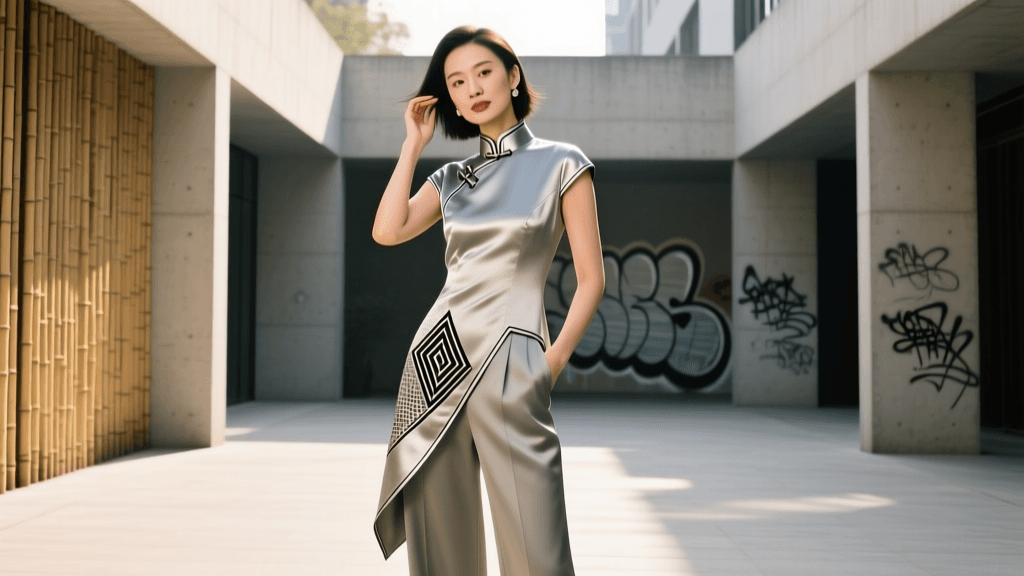
The qipao, or cheongsam, is arguably the most globally recognized Chinese garment. Historically associated with the glamorous, form-fitting silk dresses of 1930s Shanghai, the qipao has undergone a radical transformation in the 21st century. Today, it sits at the intersection of heritage and hypebeast culture, giving rise to the 'Neo-Qipao.' As noted by the Metropolitan Museum of Art, Chinese fashion has always been a dynamic dialogue between historical continuity and rapid modernization. The Neo-Qipao—often categorized under the broader 'Xin Zhong Shi' (New Chinese Style) movement—strips away the restrictive formalities of the past, replacing them with breathable fabrics, relaxed silhouettes, and streetwear-compatible cuts.
This fusion approach allows a new generation to wear their heritage daily without feeling confined to a costume. By blending traditional motifs with contemporary tailoring, the Neo-Qipao has become a versatile canvas for personal expression, proving that traditional Asian garments can seamlessly integrate into modern global wardrobes.
Anatomy of the Neo-Qipao: What Makes it 'Fusion'?
To successfully style a Neo-Qipao, one must first understand how it diverges from its traditional predecessor. The modern adaptation alters three primary structural elements:
- The Collar: Traditional qipaos feature a stiff, high Mandarin collar (often 3 to 5 centimeters) that restricts neck movement. The Neo-Qipao frequently utilizes a lower collar (1 to 2 centimeters), a notched lapel, or a mandarin collar with a V-shaped cutout to improve comfort and allow for layering.
- The Fasteners: While the intricate, hand-woven 'Pankou' (frog knot) buttons remain a beloved cultural hallmark, modern iterations often use them purely as decorative overlays. The actual structural work is handled by hidden side-zippers, industrial metal snaps, or utilitarian toggles, bridging the gap between heritage craftsmanship and modern convenience.
- The Silhouette: The classic 1930s silhouette was a bodycon pencil skirt with high thigh slits for mobility. The Neo-Qipao embraces A-line cuts, babydoll waists, drop-waists, and asymmetrical hemlines. These relaxed fits eliminate the need for high slits and make the garment inherently more forgiving and dynamic for active, everyday wear.
Selecting the Right Fabric for Streetwear
Fabric choice dictates the 'fusion' success of your garment. Traditional silk brocades, while beautiful, are fragile and difficult to maintain in a streetwear context. For a modern wardrobe, consider these contemporary textiles:
- Heavyweight Denim (12-14oz): Provides structural integrity and an inherently casual, rugged aesthetic. A denim Neo-Qipao with subtle embroidered plum blossoms is a staple of the Xin Zhong Shi movement.
- Corduroy and Wool Blends: Ideal for autumn and winter layering. The thick texture of corduroy contrasts beautifully with delicate metallic thread embroidery.
- Techwear Nylons: Water-resistant, matte-finish nylons are increasingly used by avant-garde designers to create 'cyberpunk' qipaos, featuring utility pockets and adjustable bungee cords instead of traditional slits.
The Sizing Blueprint: Measurements for Fusion Styling
Getting the right fit is crucial when blending traditional garments with oversized or chunky modern pieces. When ordering a custom Neo-Qipao or selecting a ready-to-wear piece, pay strict attention to these measurements:
1. Bust and Shoulder Width
For a fusion look, you often want a slight drop-shoulder or a relaxed bust fit. If your natural shoulder width is 38cm, look for a garment measuring 40-42cm across the shoulders to accommodate oversized turtlenecks or mesh tops underneath.
2. The Hollow-to-Hem Metric
This is the most critical measurement for streetwear styling. Measure from the hollow of your collarbone straight down to your desired hemline.
- For Chunky Sneakers (e.g., Balenciaga Tracks, Nike Air Force 1s): Aim for a hollow-to-hem of 42 to 46 inches. This ensures the hem hits mid-calf, balancing the visual weight of heavy footwear without making your legs look disproportionately short.
- For Combat Boots (e.g., Dr. Martens): Aim for a 34 to 38-inch hollow-to-hem. This places the hemline just above the knee, allowing the boots to take center stage while maintaining a rebellious, punk-fusion silhouette.
Mastering the Art of Layering
The Neo-Qipao shines when treated as a layering piece rather than a standalone dress. Here are three actionable layering techniques for different climates and aesthetics:
- The Cyber-Street Layer: Wear a sleeveless, high-neck Neo-Qipao mini dress over a long-sleeve, ribbed mesh top. Add a utility harness or a crossbody tech-bag to emphasize the futuristic fusion.
- The Academic Heritage Layer: Pair a linen, short-sleeve Qipao top with a crisp, oversized white button-down shirt underneath. Let the collar and cuffs of the button-down spill out from beneath the traditional garment.
- The Winter Tailoring Layer: Drape an oversized, structured wool blazer over a long-sleeve jacquard Neo-Qipao. The sharp, masculine lines of the blazer contrast sharply with the feminine, curved hemlines of the cheongsam.
Fusion Styling Matrix: Pairing Cheongsam with Modern Wardrobes
Use this quick-reference table to build your Neo-Qipao outfits based on your daily agenda.
| Neo-Qipao Style | Fusion Pairing | Footwear | Best Occasion |
|---|---|---|---|
| Sleeveless A-Line Mini (Denim) | Oversized Graphic Tee underneath | Chunky Skate Sneakers | Casual Streetwear / Day Out |
| Long-Sleeve Midi (Jacquard) | Leather Moto Jacket over shoulders | Chelsea Boots | Evening Events / Gallery Openings |
| Drop-Waist Qipao Top (Linen) | Wide-Leg Cargo Pants | Minimalist Loafers | Smart Casual / Creative Office |
| Asymmetrical Hem (Tech-Nylon) | Windbreaker & Utility Vest | Trail Running Shoes | Festivals / Techwear Gatherings |
Sourcing Your Neo-Qipao: Costs, Timelines, and Platforms
Whether you are buying off-the-rack or commissioning a bespoke piece, understanding the market will save you time and money.
Ready-to-Wear (RTW)
Platforms like Taobao, specialized Etsy boutiques, and independent Instagram brands offer RTW Neo-Qipaos. Prices typically range from $45 to $130 USD. The lead time is generally 1 to 3 weeks, including international shipping. Look for shops that provide detailed garment measurements rather than just standard S/M/L sizing, as Asian sizing often runs 1 to 2 sizes smaller than Western standards.
Custom and Bespoke Tailoring
For a perfect fit and unique fabric selection, custom tailoring is the way to go. Tailors (often accessible via online bespoke services or in-person at hubs like Shanghai's South Bund Fabric Market) charge between $250 and $800+ USD. The timeline for bespoke work is 4 to 8 weeks. When commissioning, always request a 'muslin mock-up' (a test garment made of cheap cotton) to verify the fit before the tailor cuts into your expensive brocade or silk.
Fabric Care for Contemporary Blends
Modern fusion garments require specific care to maintain their structural integrity. Cotton-linen blends and tech-nylons can usually be machine washed on a cold, delicate cycle and air-dried. However, if your Neo-Qipao features metallic jacquard weaving or delicate Pankou knots, professional dry cleaning is mandatory. Never iron directly over metallic embroidery threads, as the heat can melt the synthetic cores or tarnish the metallic coating; always use a pressing cloth on a low-heat setting.
The Cultural Impact of Everyday Tradition
The rise of the Neo-Qipao is part of a much larger cultural phenomenon. As highlighted by BBC Culture, Gen Z and Millennial consumers are actively reclaiming traditional Asian dress—not as a relic for special occasions, but as a living, breathing component of their daily identity. The Neo-Qipao represents a rejection of fast-fashion homogenization. It offers a way to wear one's heritage with pride while actively participating in global streetwear trends.
By experimenting with proportions, fabrics, and layering techniques, you are not just wearing a piece of clothing; you are participating in the ongoing evolution of Asian fashion. The Neo-Qipao proves that tradition is not static—it is a foundation upon which the future of style is built.