Guide to Casual Japanese Traditional Wear: Yukata, Jinbei, Samue
Introduction to Casual Japanese Traditional Wear
While the formal silk kimono often dominates global perceptions of Japanese fashion, the true heartbeat of the nation’s sartorial heritage lies in its everyday and casual traditional wear. For centuries, Japanese artisans and commoners alike have relied on practical, breathable, and highly functional garments to navigate daily life, seasonal shifts, and labor. Today, garments like the yukata, jinbei, and samue are experiencing a massive renaissance, not only in Japan but among global enthusiasts of slow fashion and traditional craftsmanship. These pieces offer a masterclass in utilitarian design, blending historical significance with modern loungewear sensibilities.
According to the Metropolitan Museum of Art, the evolution of the T-shaped robe in Japan reflects a deep societal shift from aristocratic display to practical, everyday utility. This guide explores how to integrate these historic garments into a contemporary wardrobe, complete with actionable sizing, purchasing, and styling advice.
Yukata: The Iconic Summer Robe
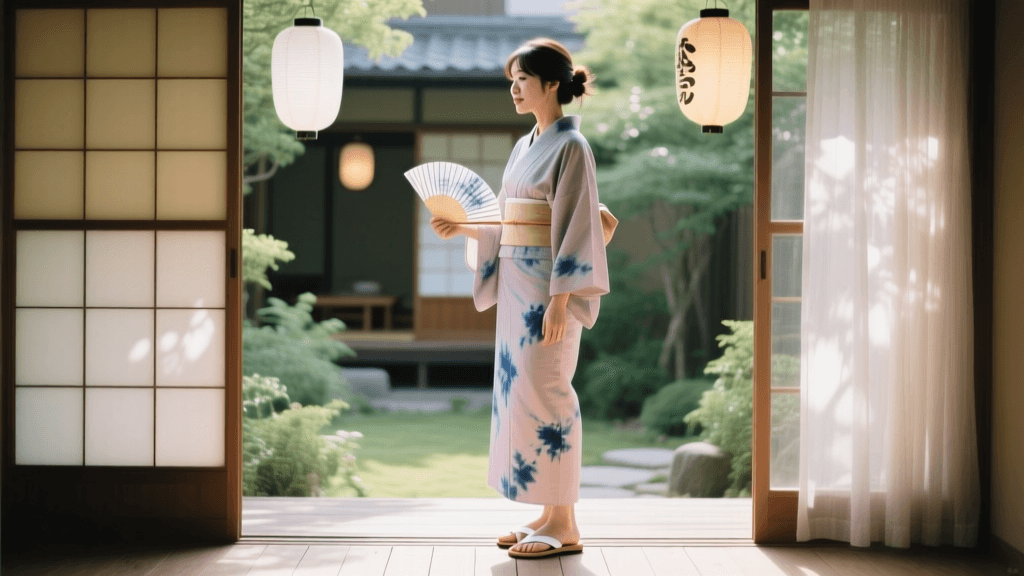
The yukata is perhaps the most globally recognized piece of casual Japanese clothing. Originally conceived as a bathrobe for the nobility during the Heian period (794–1185), it evolved into the ubiquitous summer festival garment worn by all social classes by the Edo period. Made from lightweight, unlined cotton or cotton-blend fabrics, the yukata is designed to wick moisture and allow for maximum airflow during Japan’s notoriously humid summers.
Sizing and Measurements
When purchasing a yukata for everyday wear or festival attendance, understanding traditional measurements is crucial. Unlike Western clothing, which focuses on chest and waist measurements, yukata sizing relies heavily on the ki-take (garment length) and yuki (sleeve span). The ideal ki-take is typically measured from the base of the neck to the ankle. For a modern, casual fit, many wearers prefer a slightly shorter length that rests just above the ankle bone, preventing the hem from dragging on wet pavement during summer matsuri (festivals). The yuki measurement dictates how the sleeves drape; a proper fit ensures the seam sits perfectly at the shoulder or slightly drops down the arm for a relaxed silhouette.
The Obi: Securing the Garment
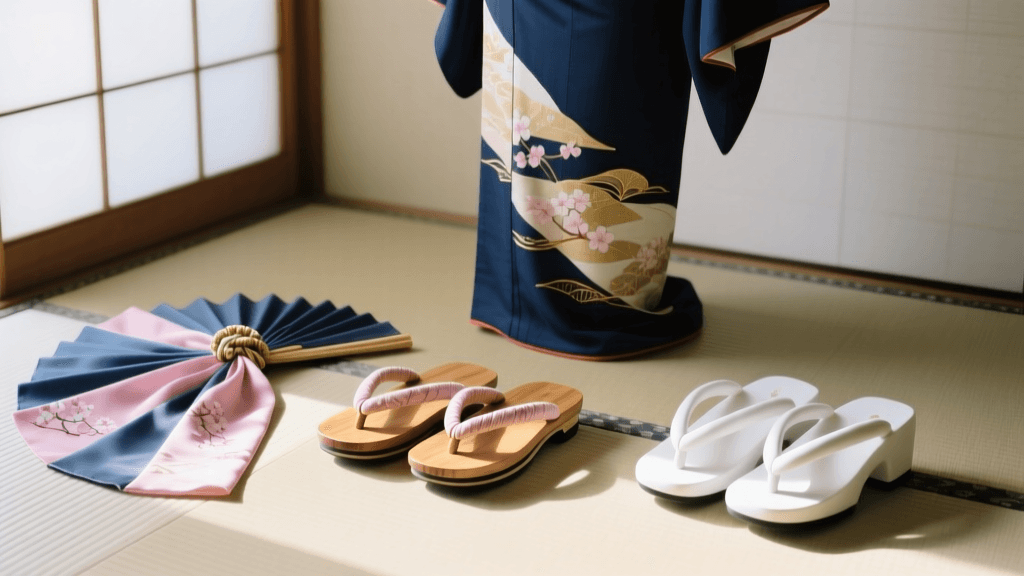
For the yukata, the obi (sash) is just as important as the robe itself. While formal kimono require complex, rigid obi tied in elaborate knots, the casual yukata utilizes a softer, narrower hanhaba obi. Beginners can opt for pre-tied, clip-on obi belts that secure with a simple hook, taking less than thirty seconds to fasten. For those willing to learn, the bunko musubi (bow knot) is the standard for women, while men typically opt for the simple, low-slung kai-no-kuchi (clamshell) knot, which provides a relaxed, masculine silhouette without adding bulk to the waist.
Jinbei: The Ultimate Summer Loungewear
The jinbei is the ultimate Japanese summer loungewear and casual streetwear. Consisting of a short-sleeved, side-vented top and matching shorts, the jinbei is constructed using a technique that leaves small gaps between the fabric panels to promote extreme breathability. Originally worn by merchants and artisans as indoor workwear, it is now the go-to outfit for relaxing at home, attending local fireworks displays, or running quick errands in residential neighborhoods.
Fabric and Fit
Jinbei sizing is generally more forgiving and aligns closer to Western S/M/L sizing, though it is still heavily based on height. A standard size M typically fits individuals between 165 cm and 175 cm (5’5” to 5’9”). When selecting a jinbei, pay close attention to the fabric weight. Traditional shijira-ori (seersucker-like cotton) is highly prized for its textured surface, which prevents the fabric from clinging to sweaty skin. Modern iterations often incorporate linen blends or synthetic cooling fibers, though purists argue that natural, slub-cotton weaves offer the best longevity and aesthetic patina over time.
Samue: Year-Round Work and Leisure Wear
If the yukata is for summer festivals and the jinbei is for lounging, the samue is the undisputed king of year-round casual and workwear. Translating literally to 'making things' or 'work clothes,' the samue consists of a long-sleeved jacket and long, loose-fitting trousers tied at the waist and ankles. Its origins are deeply rooted in Zen Buddhism, where monks wore them to perform samu—the physical labor of cleaning, farming, and maintaining the temple grounds.
Modern Applications
Today, the samue has transcended its monastic roots to become a staple for Japanese artisans, potters, chefs, and even modern remote workers seeking comfortable yet dignified home-office attire. The Victoria and Albert Museum notes that while formal garments are preserved for ceremonial use, it is the adaptable workwear that truly survives in daily practice. The garment’s genius lies in its seasonal adaptability. Summer samue are crafted from crisp cotton-linen blends or washi (Japanese paper) yarns, offering incredible tensile strength and cooling properties. Winter versions feature quilted linings or heavy wadded cotton, providing insulation without the restrictive bulk of Western winter wear.
Comparison Chart: Yukata vs. Jinbei vs. Samue
| Garment | Pieces | Best Season | Primary Use | Price Range (USD) |
|---|---|---|---|---|
| Yukata | 1 (Robe) | Summer | Festivals, Onsen, Casual Outings | $30 - $120 |
| Jinbei | 2 (Top & Shorts) | Summer | Loungewear, Errands, Fireworks | $25 - $80 |
| Samue | 2 (Jacket & Pants) | Year-Round | Workwear, Artisans, Home Office | $60 - $200 |
Actionable Advice: Purchasing and Sizing
Integrating these garments into a modern wardrobe requires an understanding of both procurement and styling. For authentic, high-quality pieces, buyers should look beyond mass-produced tourist shop items. Brands like Wazarashi and Yamatoku offer entry-level, machine-washable yukata sets ranging from $30 to $60 USD. For premium, artisanal jinbei and samue, specialized retailers or direct purchases from regional textile hubs (such as Kurume for cotton or Echigo for linen) can cost between $80 and $200 USD. When investing in higher-end pieces, look for traditional dyeing techniques like chusen (pour-dyeing), which ensures the pattern penetrates the entire fiber, resulting in a reversible, fade-resistant garment.
Garment Care and Maintenance
Proper maintenance ensures these garments last for decades and develop a beautiful, lived-in texture.
- Washing: Always use cold water and a mild, neutral detergent. Place folded garments inside a fine mesh laundry bag to prevent the cotton fibers from warping or shrinking.
- Drying: Never tumble dry. Instead, reshape the garment while damp and hang it in the shade. Direct sunlight will rapidly degrade natural indigo and botanical dyes.
- Storage: Avoid wire hangers, which distort the shoulder seams. Fold the garments using the traditional rectangular method and store them in breathable cotton bags or cedar drawers to ward off moisture and insects.
Modern Styling and Cultural Etiquette
When wearing any traditional Japanese crossover garment, the golden rule of etiquette is migi-mae—the left side of the garment must always wrap over the right side. Wrapping right-over-left is strictly reserved for dressing the deceased for burial and is considered highly inauspicious in daily life. As highlighted by the Japan National Tourism Organization, respecting this fundamental rule is essential for anyone participating in Japanese cultural experiences.
For modern styling, the boundaries of traditional wear are increasingly fluid. It is now common to see fashion-forward individuals in Tokyo pairing a dark, muted samue jacket with a black turtleneck and leather loafers for a sophisticated winter look. Similarly, yukata are frequently styled with modern leather obi belts, minimalist sandals, and canvas tote bags, bridging the gap between Edo-period tradition and contemporary streetwear.
Conclusion
The enduring appeal of casual Japanese traditional wear lies in its profound respect for the human body and the natural environment. Whether you are slipping into a breezy jinbei on a sweltering August evening, wrapping yourself in a quilted samue for a quiet morning of tea and study, or tying the obi of a vibrant yukata for a summer festival, these garments offer a tangible connection to centuries of refined, everyday craftsmanship. By understanding their measurements, care requirements, and cultural nuances, you can seamlessly integrate these masterpieces of functional design into your daily life.