Kimono Cosplay Guide: Styling Traditional Anime Fashion
The Intersection of Anime and Traditional Japanese Garments
The world of anime and manga is deeply intertwined with Japan's rich sartorial history. From the sweeping historical epics of the samurai era to the supernatural fantasy realms of the Taisho and Edo periods, mangaka and anime directors frequently utilize traditional Japanese garments to convey character archetypes, social status, and mystical powers. For cosplayers, replicating these iconic looks offers a unique challenge: how do you translate 2D, stylized anime drawings into 3D, wearable garments while respecting the centuries-old traditions of Japanese dress?
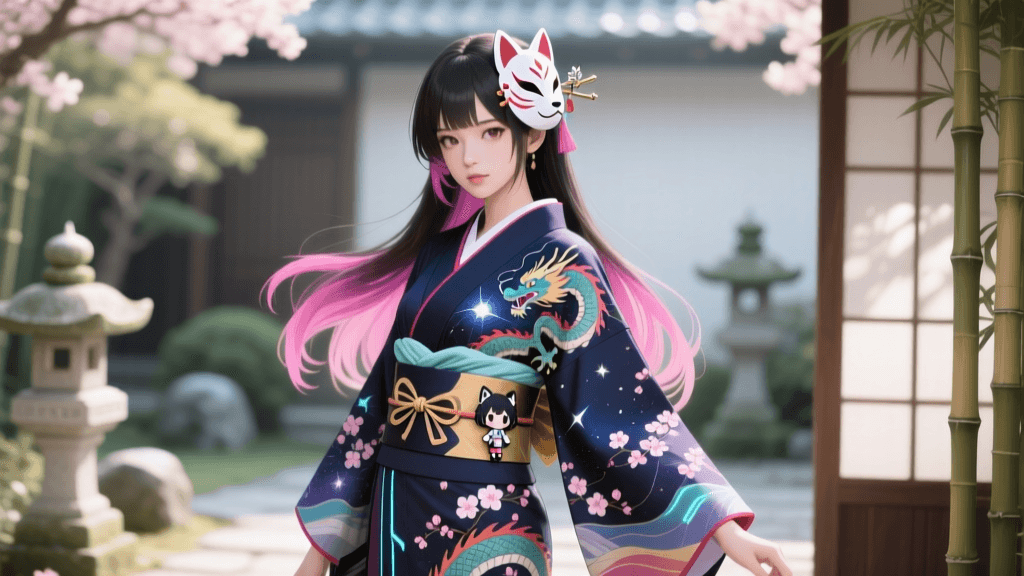
According to the Victoria and Albert Museum, the kimono has long been a dynamic garment, constantly evolving and influencing global fashion, including modern pop-culture and streetwear. In the cosplay community, this intersection has birthed entirely new subgenres of fashion, such as 'Wa-Lolita' (a fusion of Victorian-inspired Lolita fashion with traditional kimono elements) and historically grounded anime recreations. As noted in a comprehensive cultural analysis by the BBC, cosplay has evolved from simple costume mimicry into a complex global subculture that frequently borrows from and reinterprets traditional heritage garments. Furthermore, reporting from The Japan Times highlights how contemporary exhibitions are increasingly recognizing the dialogue between historical Japanese dress and modern pop-culture aesthetics.
Sourcing Your Garments: Authentic vs. Cosplay Replicas
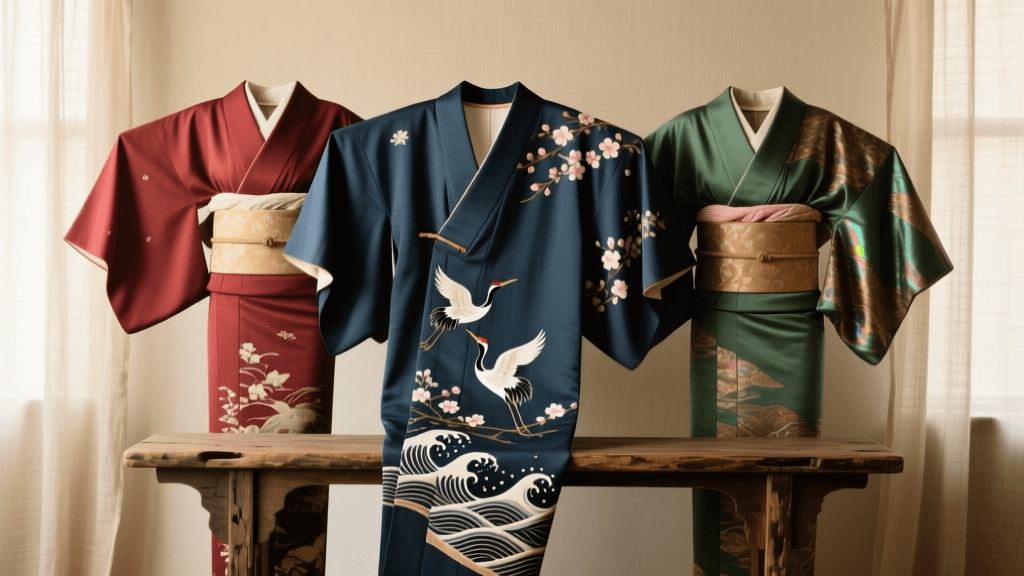
When building an anime-inspired kimono or hakama cosplay, your first major decision is sourcing. Do you buy a mass-produced polyester replica from a cosplay retailer, or do you hunt for authentic vintage silk pieces? Each route offers distinct advantages regarding cost, comfort, and cultural accuracy.
| Feature | Vintage Authentic Silk | Polyester Cosplay Replica | Modern Wa-Loli Brand |
|---|---|---|---|
| Material | 100% Silk, Chirimen Crepe, Rinzu | Polyester, Spandex Blends | Cotton, Brocade, Lace Fusion |
| Cost Estimate | $50 - $300+ (Thrift/Vintage) | $40 - $90 (Retail) | $200 - $600 (Boutique) |
| Breathability | Excellent (Natural Fiber) | Poor (Traps Convention Heat) | Moderate |
| Cultural Accuracy | High (Requires proper kitsuke) | Low (Velcro, zippers, wrong cuts) | Medium (Stylized fusion) |
| Best For | Historical anime, purists, photoshoots | Budget cosplayers, active convention floors | Original characters, Wa-Lolita fashion |
For cosplays based on specific historical anime like Rurouni Kenshin or Inuyasha, sourcing authentic vintage pieces from online Japanese thrift stores (such as Yamatoku or Kyoto Kimono) is highly recommended. Not only is vintage silk often cheaper than high-end cosplay replicas, but the drape, weight, and movement of real silk will elevate your convention photography to a professional level.
Essential Pieces for Manga-Inspired Kimono Cosplay
1. The Hakama and Samurai Silhouettes
The hakama is a pleated, divided skirt traditionally worn over a kimono. In anime, it is the uniform of choice for swordsmen, martial artists, and shrine maidens (miko). When cosplaying characters from Demon Slayer or Bleach, understanding the structure of the hakama is vital. A formal men's hakama features exactly seven deep pleats (five in front, two in back), which are said to represent the seven virtues of Bushido (the samurai code of honor). When purchasing or sewing a hakama for cosplay, ensure the pleats are heat-set and weighted at the hem so they swing dramatically during action poses, rather than collapsing like a standard skirt.
2. The Haori and Fantasy Archetypes
The haori is a hip- or thigh-length jacket worn over the kimono. It is arguably the most recognizable garment in modern shonen anime. Tanjiro Kamado's iconic black-and-green checkered ichimatsu pattern in Demon Slayer is a prime example. The haori is open at the front and secured by two small braided ties called haori himo. For anime cosplays, the haori is incredibly versatile because it can be worn over modern clothing or traditional under-layers, making it a popular choice for casual 'closet cosplays' and convention meetups.
3. Furisode and Magical Girls
The furisode is a formal kimono characterized by its long, swinging sleeves, which can measure anywhere from 85cm to 114cm in length. In anime, furisode are often worn by magical girls, wealthy heiresses, or characters attending festivals. The dramatic sleeves are used by animators to emphasize movement and spell-casting. When cosplaying a furisode, be mindful of the sleeve length on crowded convention floors; many cosplayers opt to temporarily pin up the sleeves using hidden safety clips to prevent them from dragging on dirty floors or knocking over vendor booths.
How to Style Anime-Accurate Obi Knots
The obi (sash) is the centerpiece of any kimono cosplay. While traditional Japanese women typically wear the taiko musubi (drum knot) or bunko musubi (bow knot) on the back, anime frequently exaggerates these knots for visual flair.
- The Bunko Musubi: The standard bow knot, often worn by younger women and frequently seen on anime characters in yukata (summer cotton kimono). It is relatively easy to tie and requires a standard half-width obi.
- The Tateya Musubi: A highly elaborate, wing-like knot that resembles a sparrow or a butterfly. This is frequently seen on high-ranking courtesan characters or fantasy princesses in manga. It requires a long, stiff brocade obi and extensive padding.
- Obijime and Obidome: Anime designers love accessorizing the obi with thick, decorative cords (obijime) and oversized, jewel-encrusted clasps (obidome). To replicate this, cosplayers can use thick macrame cords and attach custom 3D-printed or resin anime crests (mon) to the center knot.
Respecting the Culture: The Left-Over-Right Rule
True cosplay mastery lies not just in replicating a 2D drawing, but in understanding the historical weight and structural mechanics of the garments that inspired the original mangaka.
The most critical rule in kimono wearing is migi-mae, meaning the left side of the garment must always overlap the right side. Wrapping the kimono right-over-left is strictly reserved for dressing the deceased for burial. Getting this wrong at an anime convention is a common and highly noticeable faux pas among well-meaning cosplayers. Always double-check your mirror reflections—remember that cameras flip images, so if your photo looks right-over-left, you likely wrapped it incorrectly in real life. Additionally, ensure the collar is pulled snugly at the back of the neck, exposing the nape, which is traditionally considered an elegant and alluring feature in Japanese aesthetics.
Convention Survival Guide: Wearing Kimono at Anime Expos
Wearing multiple layers of traditional Japanese clothing in a crowded, poorly ventilated convention center is an endurance sport. Here is how to survive the weekend without compromising your cosplay:
- The Juban Hack: Traditionally, a juban (under-kimono) is worn to protect the outer silk from sweat. For summer conventions, swap the traditional cotton juban for a modern, moisture-wicking athletic compression shirt with a fake collar attached. This provides the visual illusion of layering while keeping your core temperature regulated.
- Footwear Realities: Traditional tabi (split-toe socks) and zori or geta (sandals) are visually stunning but notoriously painful for walking 10,000+ steps on concrete floors. Many veteran cosplayers wear flesh-toned, split-toe ninja shoes (jika-tabi) with hidden orthotic insoles, or they modify modern sneakers to look like tabi by sewing a fabric toe-cover over the front.
- Hydration and Cooling: Because the obi tightly compresses your torso, it can restrict deep breathing and trap body heat. Carry a small, battery-operated neck fan hidden beneath the collar, and utilize cooling towels wrapped around the wrists and neck during breaks.
- Bathroom Logistics: The long sleeves and restrictive skirt of a hakama make convention restroom visits a logistical nightmare. Bring a large bandana or a specialized 'kimono sleeve tie' (a simple elastic cord) to bundle your sleeves up and out of the way before entering the stall.
Conclusion
Blending traditional Japanese garments with anime cosplay is a rewarding endeavor that bridges the gap between historical craftsmanship and modern pop-culture fandom. By understanding the anatomy of the kimono, respecting the cultural rules of wear, and making smart, practical choices for convention environments, you can create a manga-inspired look that is both visually breathtaking and culturally appreciative. Whether you are stepping into the shoes of a Taisho-era demon slayer or a futuristic Wa-Lolita princess, the foundation of your cosplay will always be rooted in the timeless elegance of Japanese tradition.