Kimono for Destination Weddings: A Complete Planning Guide
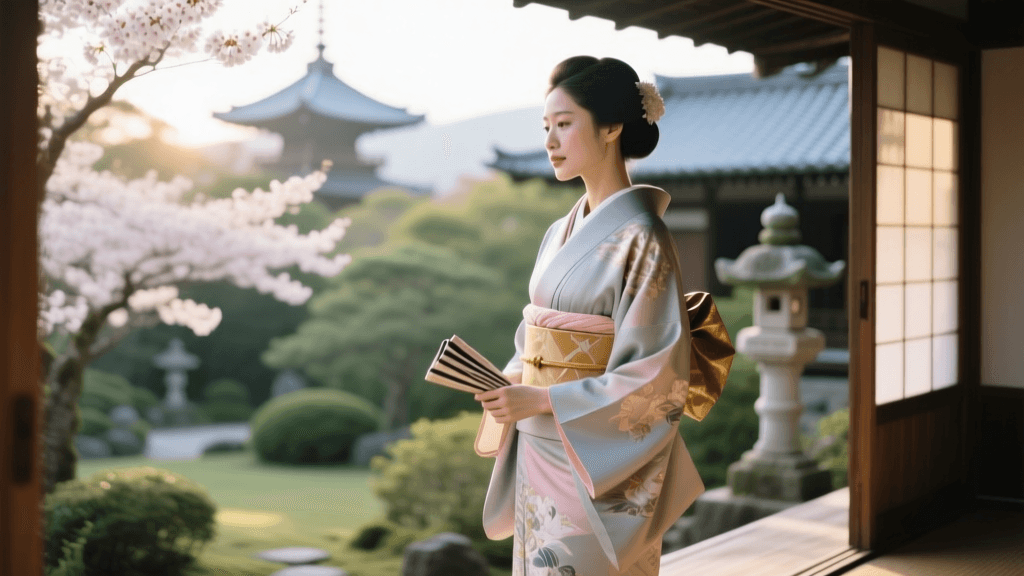
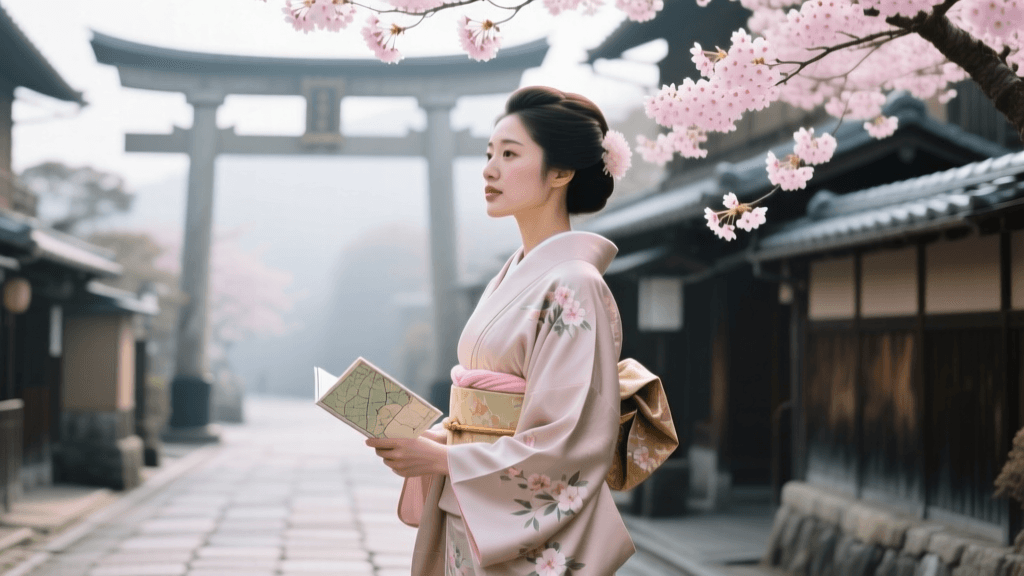
The allure of exchanging vows beneath the weeping cherry blossoms of Kyoto, or hosting a traditional tea ceremony reception in a European estate, has made the kimono a highly sought-after garment for destination weddings and global special events. According to the Japan National Tourism Organization, cultural and heritage tourism continues to surge globally, with many international couples and event planners seeking authentic Japanese sartorial experiences for their milestone celebrations. However, taking a traditional, multi-layered garment out of its native environment requires meticulous planning, an understanding of textile behavior, and logistical foresight.
Whether you are a bride planning a Shinto-inspired ceremony in Hawaii, a groom preparing for a formal reception in London, or a guest attending a destination gala in Bali, this comprehensive guide will navigate the complexities of wearing a kimono abroad.
Decoding Formality: Choosing the Right Garment
The kimono is not a monolith; it is a highly codified system of dress where sleeve length, pattern placement, and fabric type dictate the wearer's age, marital status, and the formality of the occasion. As the Metropolitan Museum of Art notes in its historical overview of Japanese dress, the evolution of the kosode into the modern kimono brought with it strict sartorial rules that still govern formal wear today. For destination weddings, selecting the correct tier of formality is paramount.
Bridal Wear
- Shiromuku: The pure white, heavily padded bridal kimono. It is the highest level of formality, typically reserved for the actual ceremony. Due to its extreme weight (often exceeding 20 kg with accessories), it is rarely recommended for outdoor destination weddings in warm climates.
- Iro-uchikake: A colored, unbelted outer robe worn over a base kimono. Often featuring lavish gold leaf and embroidery, it is slightly more versatile for destination receptions and photographs.
Guest and Rehearsal Wear
- Houmongi: The "visiting wear" kimono, characterized by patterns that flow seamlessly across the seams. It is the standard formal attire for married women or older unmarried women attending weddings.
- Furisode: Featuring long, swinging sleeves (up to 114 cm), this is the formal wear for young, unmarried women. It makes a dramatic statement at destination galas.
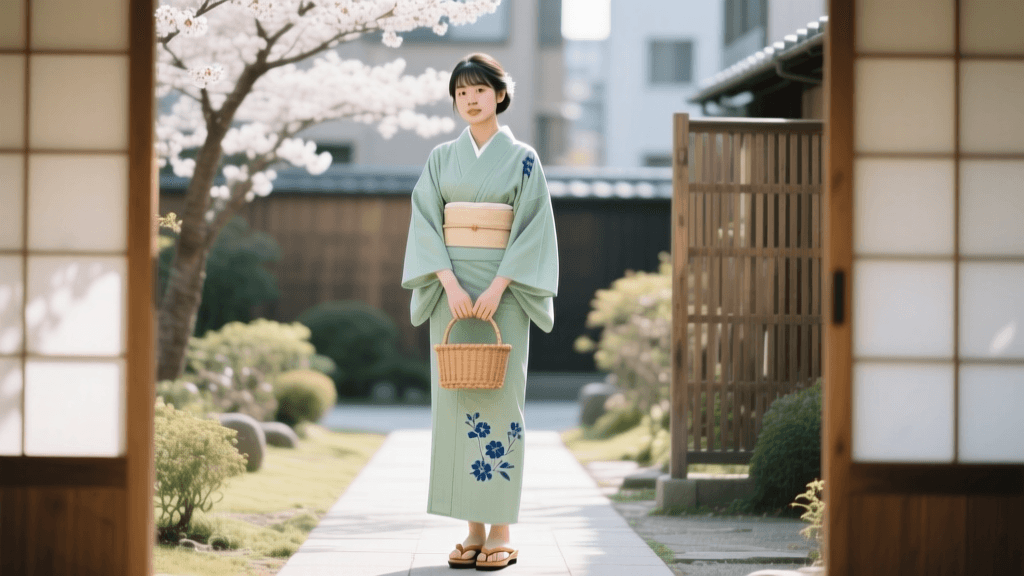
- Yukata: A lightweight, unlined cotton garment. While traditionally considered casual summer wear or bathrobe, high-end, tastefully patterned yukata are increasingly acceptable for casual rehearsal dinners or beachside welcome parties.
Destination Kimono Comparison Chart
| Garment Type | Formality Level | Best Destination Climate | Estimated Rental/Purchase (USD) |
|---|---|---|---|
| Shiromuku | Ultra-Formal (Bridal) | Cool, Indoor, Controlled | $800 - $3,000+ |
| Iro-uchikake | Ultra-Formal (Bridal) | Temperate, Indoor/Outdoor | $600 - $2,500 |
| Houmongi | Formal (Guest/Reception) | Temperate to Warm | $300 - $1,500 |
| Furisode | Formal (Unmarried Guest) | Cool to Temperate | $400 - $2,000 |
| Edo Komon | Semi-Formal | Warm, Humid | $150 - $800 |
| Yukata | Casual (Rehearsal/Party) | Hot, Tropical, Beach | $50 - $200 |
Climate, Fabric, and the Humidity Factor
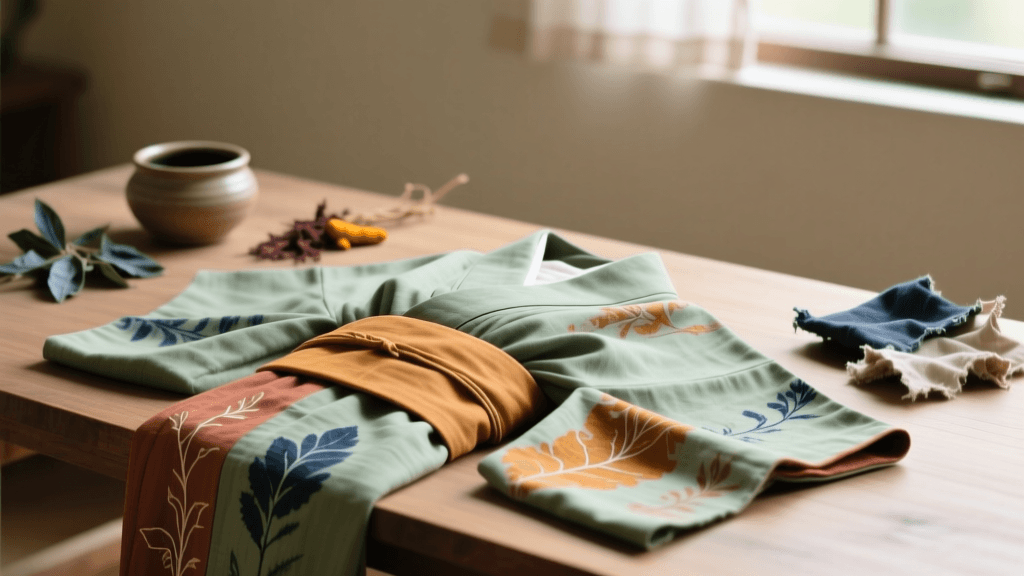
The most critical mistake destination planners make is ignoring the interaction between traditional silk and foreign climates. Pure silk chirimen (crepe) is highly susceptible to moisture. In high-humidity destinations like Bali, Thailand, or the American South during summer, silk will absorb ambient moisture, causing the garment to stretch, sag, and lose its crisp folds. Furthermore, sweat can permanently stain vintage silk linings.
For tropical or highly humid destinations, consider the following adaptations:
- Synthetic Alternatives: Modern high-quality polyester kimono (often marketed as "washable silk") mimic the drape and texture of silk but are entirely impervious to humidity and sweat. They are a pragmatic choice for outdoor beach weddings.
- Ro and Sha Weaves: If you must wear natural fibers in the summer, seek out ro (leno weave) or sha (gauze) silk. These are traditional, sheer, breathable weaves specifically designed for the peak of the Japanese summer.
- Undergarments (Juban): Invest in a modern, moisture-wicking synthetic nagajuban (under-kimono) and koshi-maki (slip). This creates a vital barrier between the body and the delicate outer silk.
The Logistics of Transit: Packing Your Silk
Traveling with a kimono requires abandoning standard Western packing methods. Kimono are never folded arbitrarily; they are folded along specific, pre-creased seams to ensure the fabric rests without tension.
- The Tatou-shi: Every kimono should be wrapped in a tatou-shi, a traditional paper wrapping specifically sized for the garment. If you lack one, use unbleached, acid-free archival tissue paper. Never use plastic bags, as they trap moisture and encourage mold growth during transit.
- The Folding Method: Follow the hondatami (standard folding) method. The sleeves are folded in, and the body is folded in thirds lengthwise, then in half or thirds horizontally. This ensures that no hard creases are pressed into the delicate silk.
- Luggage Placement: Always pack your kimono in your carry-on luggage. Checked baggage is subjected to extreme temperature fluctuations in the cargo hold, which can damage silk fibers and melt the metallic threads in formal obi sashes. Place the wrapped kimono flat at the top of your carry-on.
- Arrival Steaming: Upon arrival, unwrap the kimono and hang it on a specialized, wide-shouldered kimono hanger (emono-kake) in a steamy bathroom for 20 minutes to release transit wrinkles. Never use a direct iron on silk kimono.
The Kitsuke Conundrum: Dressing Abroad
The art of kimono dressing, known as kitsuke, is a specialized skill. A formal wedding dressing session involves padding the body to create a cylindrical silhouette, tying multiple intricate knots, and securing the heavy obi sash. It typically takes a professional dresser 45 to 90 minutes.
If your destination is outside of Japan, finding a certified kitsuke-shi (dresser) requires advance research. Major metropolitan areas like London, New York, Los Angeles, and Paris have established Japanese cultural centers and independent dressers who are often graduates of prestigious schools like the Sodo Kimono Academy.
"When booking a dresser for an international destination event, expect to pay a premium not just for their time, but for their travel, accommodation, and the shipping of their extensive dressing kit, which can weigh over 15 kilograms."
Alternative Solutions
If a professional dresser is unavailable at your destination, consider these alternatives:
- Tsukuri-obi (Pre-tied Sash): These obi are pre-arranged and wired to slip on over a simple tie, mimicking the look of a complex bunko or fukura-suzume knot without the need for advanced tying skills.
- Two-Piece Kimono: Modern innovations include two-piece kimono that wrap and velcro, eliminating the need for complex hip folding (o-hashori).
- Virtual Dressing Sessions: Some brides hire a kitsuke-shi in Japan to conduct a live, step-by-step virtual dressing session via video call with a local hairstylist or makeup artist at the destination venue who acts as the "hands."
Navigating Terrain: Zori, Tabi, and Cobblestones
Footwear is often an afterthought, yet it can derail a destination event. Traditional zori (sandals) feature soles made of lacquered wood, cork, or woven rushes, while tabi are the split-toe socks.
As highlighted by the Victoria and Albert Museum in their extensive exhibitions on Japanese dress, the kimono is designed for the flat, even surfaces of traditional Japanese architecture and paved city streets. It is not inherently suited for the rugged terrain of many Western or tropical wedding venues.
- Cobblestone and Gravel: Lacquered zori will chip and scratch instantly on European cobblestones. Opt for zori with modern, durable polyurethane or rubber soles that mimic the look of traditional materials but offer grip and shock absorption.
- Grass and Sand: The narrow base of a zori makes sinking into soft ground a major hazard. For beach or garden weddings, utilize hidden platform inserts (ashinaka) that strap over the zori to widen the surface area, or switch to a tasteful, neutral-toned Western heel for the outdoor ceremony, changing into zori only for indoor receptions and photographs.
Cultural Etiquette for Global Guests
When attending a destination wedding where the hosts have incorporated Japanese traditions, guests must navigate cultural etiquette with grace. The kimono is a welcoming garment, and Japanese hosts generally delight in seeing international guests wear it. However, a few rules apply:
- Avoid Bridal Colors: Unless you are the bride, avoid wearing pure white (shiromuku) or overwhelmingly bright, heavily embroidered red, which can clash with the bride's iro-uchikake.
- Left over Right: The left panel of the kimono must always wrap over the right panel. Wrapping right-over-left is strictly reserved for dressing the deceased for burial. This is a non-negotiable rule of kitsuke.
- Modesty and Necklines: The kimono is designed to conceal the body's contours. Ensure the collar is pulled snugly against the back of the neck, with only a slight, elegant dip (the eri-nuki) to expose the nape. Avoid plunging necklines or visible cleavage, which disrupt the garment's structural harmony.
Destination Planning Timeline
To ensure a flawless experience, adhere to this destination kimono timeline:
- 12 Months Out: Finalize the garment choice. If purchasing vintage, allow time for professional cleaning and re-lining. If renting from Japan, secure your reservation.
- 6 Months Out: Book your kitsuke-shi. If traveling to a remote destination, begin searching for local Japanese cultural societies or certified dressers in the nearest major city.
- 3 Months Out: Order custom tabi. Unlike Western shoes, tabi must fit perfectly to avoid blisters during long event days. Break in your zori by wearing them with socks around the house to soften the hanao (thong straps).
- 1 Month Out: Conduct a full dress rehearsal. Test the weight of the obi, ensure the undergarments wick moisture effectively, and practice walking in your chosen footwear on surfaces similar to your venue.
Conclusion
Wearing a kimono for a destination wedding or special event is a profound way to honor Japanese heritage while celebrating a global milestone. By respecting the garment's structural requirements, preparing for environmental challenges, and securing expert dressing assistance, you can ensure that your sartorial choice is not only culturally respectful but visually breathtaking. The kimono is a testament to endurance and beauty; with the right preparation, it will transcend borders and elevate your destination event into an unforgettable masterpiece.