Kimono Destination Weddings: Planning Your Traditional Kyoto Ceremony
The Allure of a Traditional Japanese Wedding
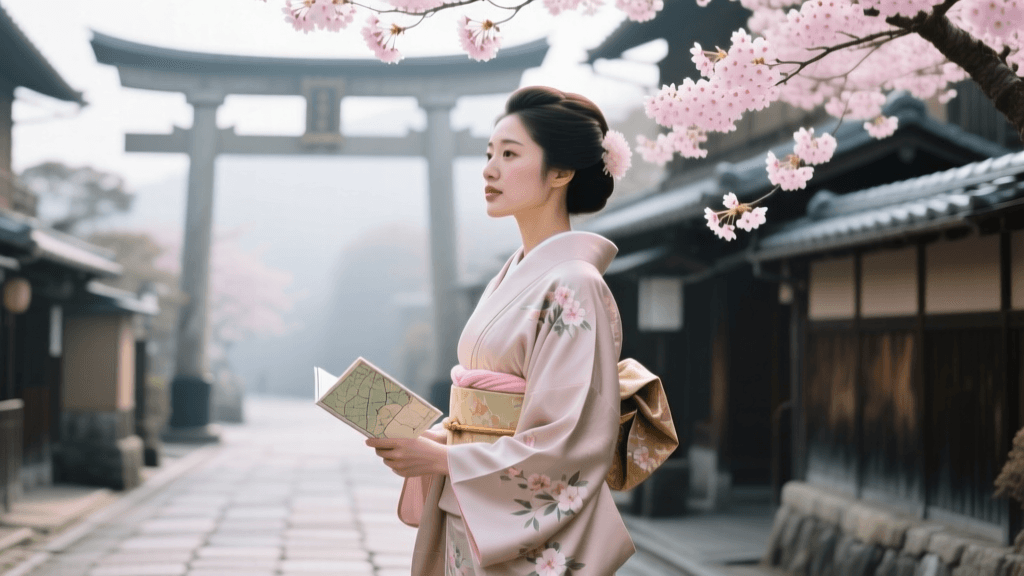
For international couples seeking a profound, visually stunning, and culturally rich matrimonial experience, a kimono destination wedding in Japan offers an unparalleled alternative to conventional Western ceremonies. While Tokyo provides modern luxury, Kyoto remains the undisputed epicenter of traditional Japanese aesthetics, boasting centuries-old Shinto shrines, meticulously manicured zen gardens, and historic machiya townhouses. Planning a wedding in Japan requires navigating unique cultural protocols, specialized garment logistics, and distinct budgeting structures. This comprehensive guide will walk you through the intricacies of selecting traditional bridal wear, managing the physical demands of the garments, and executing a flawless Shinto ceremony.
Shiromuku vs. Iro-Uchikake: Choosing Your Bridal Kimono
The cornerstone of a traditional Japanese wedding is the bridal attire, which typically involves multiple outfit changes. The primary ceremonial garment is the shiromuku, a pure white ensemble symbolizing purity, maidenhood, and the bride’s willingness to be “dyed” in the colors of her new family. According to the Metropolitan Museum of Art, the evolution of these elaborate garments traces back to the kosode of the Muromachi period, eventually transforming into the heavily padded, luxurious uchikake worn by samurai-class women. The shiromuku is paired with a wataboshi (a white silk hood) or a tsunokakushi (a smaller headpiece meant to symbolically hide the bride’s “horns of jealousy”).
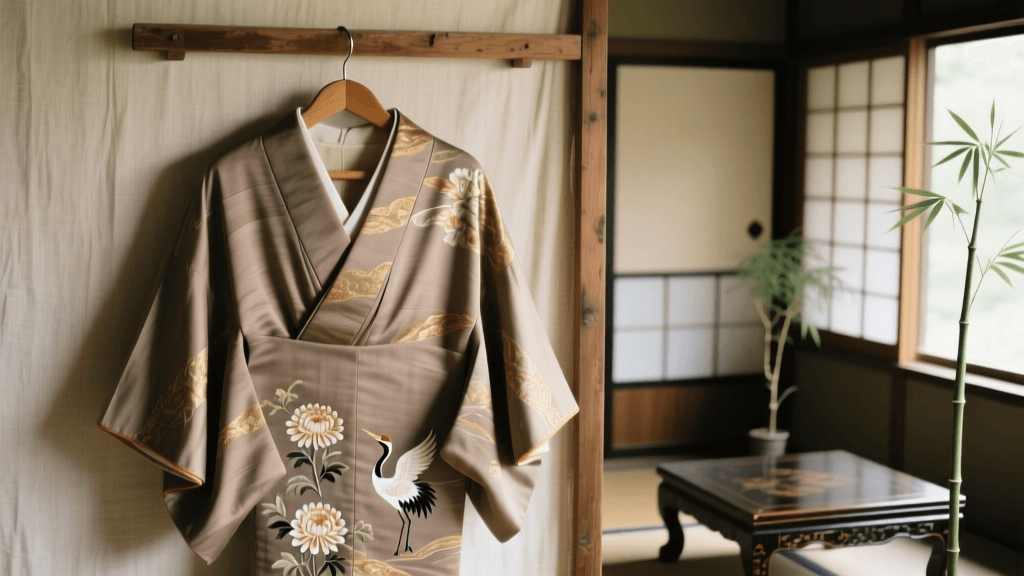
Following the Shinto ritual, the bride traditionally changes into an iro-uchikake for the reception. This is a vibrantly colored, heavily brocaded over-robe worn open over a kakeshita (a patterned under-robe). Popular motifs include cranes (symbolizing longevity), pine trees (endurance), and cherry blossoms (the fleeting beauty of life). Because these garments are heavily lined and padded for a luxurious drape, they can weigh between 15 to 20 kilograms (33 to 44 pounds), requiring significant physical stamina from the bride.
The Groom’s Attire: Montsuki Haori Hakama
While the bride’s attire is highly ornate, the groom’s traditional ensemble, the montsuki haori hakama, is a study in refined minimalism. The outfit consists of a black silk kimono, a matching haori (jacket), and pleated hakama trousers. The defining feature of this formal wear is the presence of five family crests (itsutsu-mon) dyed in white on the back, chest, and sleeves of the haori and kimono. The groom typically carries a white folding fan (sensu) and wears white tabi socks with straw or leather zori sandals. For international grooms, renting a montsuki is highly recommended, as the precise tailoring of the hakama pleats and the specific knotting of the haori himo (decorative cords) require expert fitting.
Garment Comparison and Rental Costs
Understanding the hierarchy of traditional wedding garments is crucial for budgeting and scheduling. Below is a comparative breakdown of the primary garments, their physical demands, and estimated rental costs in Kyoto.
| Garment Type | Ceremonial Purpose | Average Weight | Estimated Rental Cost (JPY) |
|---|---|---|---|
| Shiromuku (White Ensemble) | Shinto Shrine Ritual | 15 - 20 kg | 150,000 - 300,000 |
| Iro-Uchikake (Colored Robe) | Reception & Banquet | 10 - 15 kg | 200,000 - 450,000 |
| Kakeshita (Under-Robe) | Worn beneath Uchikake | 3 - 5 kg | Included in package |
| Montsuki Haori Hakama | Groom’s Formal Wear | 3 - 5 kg | 50,000 - 120,000 |
Logistics and Timelines: The Art of Kitsuke
The process of dressing in a kimono, known as kitsuke, is a meticulous art form that dictates your entire wedding day timeline. A professional bridal kimono dresser (kituse-shi) will use an array of pads, towels, and ties to reshape the bride’s body into the traditional cylindrical silhouette, flattening curves to ensure the silk drapes perfectly.
"The kimono is not merely a garment; it is a canvas of cultural memory, wrapping the wearer in the lineage of generations past while demanding a physical grace that transforms movement into art."
Because of the complexity of the layers and the intricate styling of the traditional bunkin-takashimada wig or updo, international couples must adhere to a strict morning schedule:
- 7:00 AM: Arrival at the bridal salon. The bride must arrive with clean, dry, unstyled hair and a bare face.
- 7:15 AM - 8:30 AM: Hair and makeup styling. Traditional Japanese bridal makeup (oshiroi) is often adapted to a modern, softer aesthetic for contemporary brides.
- 8:30 AM - 10:00 AM: The kitsuke dressing process. The dresser will apply the hadajuban (undergarment), susoyoke (half-slip), nagajuban (inner robe), and finally the heavy outer layers.
- 10:00 AM - 10:30 AM: Final adjustments, accessorizing with the kaiken (decorative dagger) and sensu (fan), and photography at the salon.
- 10:30 AM: Departure for the shrine. Travel must be arranged in a specialized high-roof vehicle to accommodate the bride’s elaborate headpiece.
Venue Selection and Cultural Etiquette
Shinto shrine weddings (shinzen shiki) are deeply spiritual and highly structured. As noted by Japan Guide, the core of the Shinto wedding is the san-san-kudo ritual, wherein the bride and groom take three sips each from three flat cups of sake, symbolizing the bonding of their families. When selecting a venue in Kyoto, popular shrines like the Kamigamo Shrine or the Heian Shrine offer breathtaking architecture, but they also enforce strict rules.
Etiquette dictates that the bridal party must walk using suriashi, a sliding foot technique where the feet never fully leave the tatami mats or wooden floors. This prevents the heavy hem of the uchikake from catching and ensures a serene, gliding appearance. Furthermore, while Western weddings often feature large bridal parties walking down an aisle, Shinto ceremonies are typically intimate. The procession (hanayome gyoretsu) is usually limited to the couple, their parents, and the shrine priests, with guests already seated in the main hall.
Costs and Budgeting for a Kyoto Wedding
Budgeting for a destination wedding in Japan requires an understanding of local pricing structures, which often bundle services differently than in the West. A traditional Shinto ceremony and reception in Kyoto for a small group (15-20 guests) generally ranges from 2,500,000 JPY to 4,000,000 JPY (approximately $16,500 to $26,500 USD, depending on exchange rates).
- Shrine Fee (Hatsuhoryo): 100,000 to 300,000 JPY. This is a mandatory donation to the shrine for the use of the sacred space and the priests' time.
- Attire and Dressing Package: 300,000 to 600,000 JPY. This usually includes the rental of the shiromuku and iro-uchikake, dressing services, hair, and makeup.
- Bilingual Wedding Planner: 150,000 to 300,000 JPY. Highly recommended for international couples to navigate shrine contracts, translate vows, and coordinate vendors.
- Photography and Videography: 200,000 to 400,000 JPY for a full-day package including traditional album creation.
Practical Tips for International Couples
When preparing for your kimono wedding, precise measurements are vital. Unlike Western dresses that are altered to fit the body, a kimono is folded and tied to fit the wearer. Your planner will request your takenaga (neck to wrist), mitake (neck to ankle), and kurikoshi (nape to waist) measurements. If you are exceptionally tall (over 175 cm for women or 185 cm for men), you must inform your rental salon months in advance, as antique and standard rental kimonos have strict length limitations.
Finally, consider the seasonality of your wedding. Kyoto summers are notoriously hot and humid. If marrying between June and August, request a ro or sha (woven silk gauze) kakeshita to allow for breathability, and ensure your venue has robust climate control, as the heavy obi and padding can cause rapid overheating. Conversely, winter weddings allow for the luxurious, heavily padded awase (lined silk) garments and the addition of a beautiful uchikake collar made of white fox fur or swan down. By respecting the timelines, understanding the profound symbolism of the garments, and preparing for the physical demands of the attire, your traditional Kyoto wedding will be a breathtaking and culturally authentic milestone.