The Hanfu Revival Movement: A Practical Styling Guide
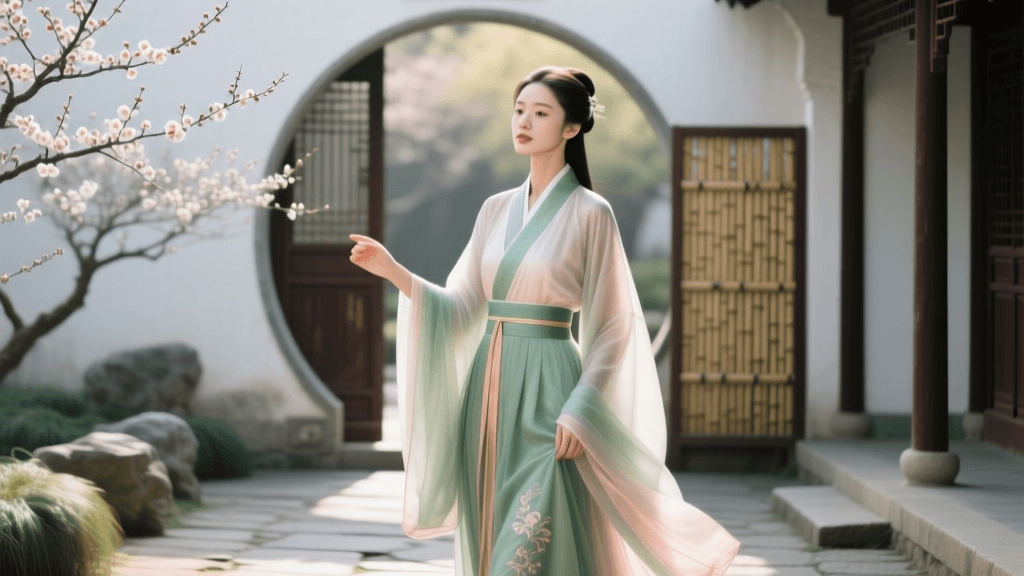
The Rise of the Hanfu Revival Movement
Over the past two decades, the streets of Beijing, Shanghai, Chengdu, and Xi'an have witnessed a vibrant sartorial transformation. What began in the early 2000s as a niche internet forum discussion regarding the traditional clothing of the Han Chinese has blossomed into a multi-billion-dollar cultural phenomenon known as the Hanfu Revival Movement (Hanfu Yundong). Today, it is common to see young professionals, students, and fashion enthusiasts wearing flowing silk robes, pleated skirts, and structured jackets as part of their everyday wardrobes. According to market reports covered by Reuters, the Hanfu market has exploded, driven by a younger generation eager to reconnect with their pre-Qing dynasty heritage and express a unique cultural identity on the global stage.
However, participating in this movement is about more than simply purchasing a costume. True enthusiasts emphasize historical accuracy, proper styling, and an understanding of the garment's structural nuances. This guide provides actionable, practical advice for those looking to authentically engage with the Hanfu revival, from taking precise measurements to integrating traditional pieces into a modern wardrobe.
Historical Context and Cultural Identity
To wear Hanfu is to wear thousands of years of history. The term 'Hanfu' literally translates to the clothing of the Han people, encompassing the dress codes from the legendary Yellow Emperor era through the Ming Dynasty (1368–1644). The tradition was largely interrupted during the Qing Dynasty when Manchu rulers imposed the queue hairstyle and Manchu clothing (which later evolved into the modern Qipao and Tangzhuang). The modern revival seeks to reclaim the indigenous aesthetics of the Han majority, characterized by cross-collars (jiaoling youren), wide sleeves, and the absence of buttons in favor of elegant sash ties.
"The Hanfu movement is not merely a nostalgic return to the past; it is a dynamic renegotiation of modern Chinese identity through the tactile medium of traditional textiles and ancient aesthetics."
As noted by cultural commentators at BBC Culture, the movement represents a shift away from Western-dominated fast fashion toward a localized, historically grounded expression of beauty. Enthusiasts, often called 'Tongpao' (comrades in robes), meticulously study archaeological findings and historical paintings to ensure their garments reflect authentic dynasty-specific cuts.
A Practical Buyer's Guide: Brands, Costs, and Timing
Entering the Hanfu market can be overwhelming due to the sheer volume of options on platforms like Taobao. To avoid low-quality 'fantasy' costumes (often called Xianxia style) and invest in authentic Hanfu, you must know where to look and when to buy.
Top Authentic Brands
- Ming Huatang: The gold standard for Ming Dynasty accuracy. Known for luxurious brocades, heavy silk, and museum-level replication. Prices are high, and wait times can exceed six months.
- Shisan Yu (Thirteen Trees): Excellent for beginners and daily wear. They offer historically inspired designs with modern, easy-care fabrics at accessible price points.
- Zhongling: Famous for elegant Song Dynasty styles, focusing on lightweight, minimalist, and highly wearable pieces perfect for summer.
- Ting Yue: Specializes in intricate embroidery and Tang/Song dynasty aesthetics, bridging the gap between high-end craftsmanship and mid-tier pricing.
Cost Breakdown
- Entry-Level (Daily Wear): $30 – $60 USD. Typically made from polyester blends or cotton-linen. Great for casual outings and testing your style.
- Mid-Tier (Enthusiast): $80 – $150 USD. Features better tailoring, jacquard weaves, and synthetic silks. Ideal for festivals and photography.
- High-End (Custom/Luxury): $200 – $800+ USD. Genuine mulberry silk, real gold thread embroidery, and bespoke tailoring. Reserved for weddings, major ceremonies, and collectors.
Timing Your Purchases
Hanfu is heavily reliant on the pre-order (yushou) model due to the complexity of embroidery and weaving. If you need an outfit for a specific event, you must order at least 2 to 3 months in advance. To save money, time your purchases around China's major e-commerce festivals: the 6.18 Shopping Festival in June and the Double 11 (Singles' Day) sale in November, where mid-tier brands often offer 20% to 30% discounts and waived shipping fees.
Essential Measurements for the Perfect Fit
Unlike Western clothing, traditional Hanfu does not use darts or complex seaming to contour the body. The fit is achieved through overlapping panels, wrap-ties, and the drape of the fabric. Standard sizing (S/M/L) is notoriously inaccurate. When ordering from authentic Taobao vendors, you will be required to submit specific metrics. Keep a measuring tape handy and record the following:
- Bust/Chest: Measure around the fullest part of your chest. For cross-collar tops, add 5-10 cm to this measurement to ensure the overlap sits flat without gaping.
- Natural Waist: Measure the narrowest part of your torso. Crucial for Mamianqun (horse-face skirts) and high-waisted Ruqun.
- Hip: Measure around the fullest part of your hips. Essential for skirt pleat calculations.
- Arm Length (Traditional): Measure from the nape of your neck (the prominent bone at the base), over the shoulder, down to the wrist or knuckles. Hanfu sleeves are cut from the center back, making this measurement vital for proper sleeve drape.
- Height and Weight: Vendors use these to calculate the proper length of the skirt and the volume of the fabric required for the correct drape.
Hanfu Styles Comparison Chart
Choosing the right style depends on your climate, lifestyle, and the level of historical formality you wish to achieve. Below is a comparison of the most popular styles embraced by the modern revival movement.
| Garment Style | Dynasty Origin | Key Features | Best Use Case | Avg. Cost (USD) |
|---|---|---|---|---|
| Mamianqun (Horse-face Skirt) | Ming | Pleated wrap skirt with flat front/back panels, often featuring woven gold motifs. | Daily wear, office, winter layering. | $40 - $150 |
| Ruqun (Qixiong) | Tang | Chest-high tie skirt with a short inner top and wide, flowing outer sleeves. | Summer festivals, photography, formal events. | $35 - $90 |
| Aoqun (Jacket & Skirt) | Ming | Structured, lined cross-collar or standing-collar jacket paired with a Mamianqun. | Autumn/Winter daily wear, academic settings. | $80 - $200 |
| Beizi (Long Coat) | Song | Open-front, long-sleeved coat worn over a camisole and pleated skirt. | Spring/Summer casual wear, elegant layering. | $45 - $110 |
| Yuanlingpao (Round Collar) | Tang / Ming | One-piece robe with a round neckline, often worn with a leather belt and boots. | Gender-neutral styling, street fashion, parades. | $60 - $180 |
Modern Styling: Integrating Hanfu into Daily Life
One of the greatest triumphs of the Hanfu revival is the concept of 'Hanfu Daily' (Hanfu Richang). You do not need to wear full, elaborate historical ensembles to participate in the movement. The modern approach champions mix-and-match styling, blending traditional pieces with contemporary fashion.
The Mamianqun as a Wardrobe Staple
The Ming Dynasty Mamianqun has become the gateway garment for modern enthusiasts. Its flat front and back panels resemble a standard A-line midi skirt, making it incredibly versatile. Styling Tip: Pair a woven, metallic-thread Mamianqun with a crisp, modern white button-down blouse or a fitted black turtleneck. Tuck the top in, secure the skirt's ties tightly at the natural waist, and finish with a pair of leather ankle boots. This creates a striking silhouette that is entirely appropriate for a corporate office or a museum visit.
Footwear and Accessories
While traditional embroidered cloth shoes (Xiu Xie) are beautiful, they are often impractical for modern concrete streets. Enthusiasts frequently substitute them with Mary Janes, loafers, or minimalist leather boots. For hair accessories, the 'Buyao' (dangling hairpins) and 'Zanzi' (single-prong pins) are essential. For daily wear, opt for matte metal, pearl, or jade hairpins rather than the heavy, theatrical enameled pieces used in wedding photography. A simple jade hair stick holding up a modern claw-clipped bun beautifully bridges the gap between ancient and modern.
Navigating Festivals and Hanfu Events
If you wish to experience the Hanfu community at its peak, timing your wardrobe around traditional lunar festivals is essential. These events are not just photo opportunities; they are communal gatherings focused on traditional rites, tea ceremonies, and poetry.
- Hua Zhao Jie (Flower Goddess Festival): Held in the second lunar month (usually March). This is the premier event for spring Hanfu. Expect to see thousands of enthusiasts in parks wearing light Song Dynasty Beizi and Tang Dynasty Ruqun adorned with floral motifs. Pastel colors and lightweight silks are the standard.
- Xi Si Jie (Double Third Festival): Occurring on the third day of the third lunar month (April). Historically a day for riverside purification rites, modern Tongpao gather near water features to float lanterns and perform archery. Flowing, wide-sleeved garments are favored here for their dramatic effect in the breeze.
- Zhongqiu Jie (Mid-Autumn Festival): Celebrated in the eighth lunar month (September/October). As the weather cools, Ming Dynasty Aoqun and heavier brocade Mamianqun take center stage. Moon-gazing parties often feature dark, rich colors like navy, emerald, and deep burgundy, accented with silver embroidery.
When attending these events, remember the core etiquette of the Hanfu movement: respect the garment. Avoid dragging hems through mud, ensure your collars are neatly crossed (always left over right, as right over left is traditionally reserved for the deceased), and take the time to learn the basic traditional greetings, such as the 'Gongshou' (hand-clasping bow).
Conclusion
The Hanfu Revival Movement is a testament to the enduring power of textiles as a medium for cultural storytelling. By understanding the history, investing in accurate garments, and learning to integrate these pieces into modern life, anyone can participate in this beautiful renaissance. Whether you are tying the sashes of a Ming Dynasty jacket or pleating a Tang Dynasty skirt, you are not just wearing clothes; you are weaving yourself into a living, breathing tapestry of Asian tradition.