Peking Opera Costumes: Guide to Jingju Xingtou & Sourcing
The Visual Language of Jingju Xingtou
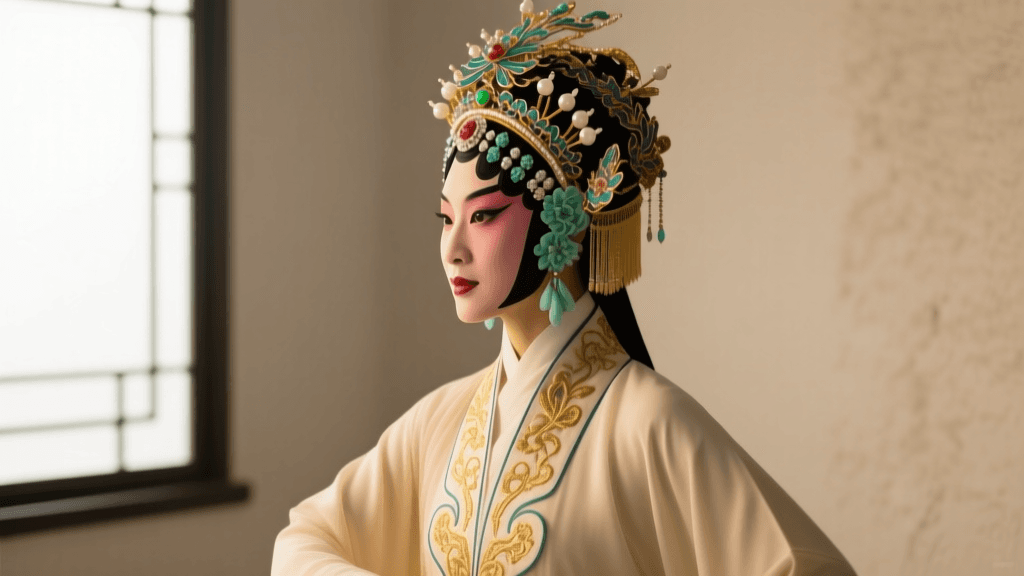
Peking Opera, or Jingju, is a cornerstone of Chinese performance art, combining music, vocal performance, mime, dance, and acrobatics. Recognized by UNESCO as an Intangible Cultural Heritage of Humanity, the art form relies heavily on its visual storytelling. At the heart of this visual language is the Xingtou—the traditional wardrobe and accessories of Peking Opera. Unlike historical daily wear, Xingtou is highly stylized, exaggerated, and symbolic, designed to be visible from the back rows of a theater while instantly communicating a character's social status, personality, and moral alignment to the audience.
According to Encyclopædia Britannica, the stylized nature of Peking Opera means that costumes do not strictly adhere to specific historical dynasties. Instead, they blend elements from the Ming and Qing dynasties into a timeless theatrical aesthetic. For modern theater troupes, cultural festivals, and serious collectors, understanding the classification, craftsmanship, and sourcing of Xingtou is essential.
The Four Major Categories of Opera Costumes
The Peking Opera wardrobe is systematically divided into four primary categories, each serving distinct character archetypes and performance requirements. Below is a comparison chart detailing these foundational garments.
| Garment Type | Chinese Name | Primary Use | Key Features | Target Roles |
|---|---|---|---|---|
| Court Robe | Mang (蟒) | Emperors, High Officials, Generals | Python motifs, water sleeves, jade belts | Laosheng, Jing |
| Armor | Kao (靠) | Warriors, Generals in Battle | Padded bodice, four back flags (Kaoqi) | Wusheng, Wujing |
| Informal Robe | Pei (帔) | Nobles, Scholars, Gentlewomen | Cross-collar, flowing silhouette, floral motifs | Xiaosheng, Qingyi |
| Casual Wear | Zhe (褶) | Commoners, Students, Minor Officials | Simple cut, versatile, cotton or plain silk | Chou, Huadan |
Mang (Court Robes)
The Mang is the most prestigious garment in the Xingtou wardrobe. Worn by emperors, high-ranking ministers, and noble generals, it features a round collar, wide sleeves, and intricate embroidery of the 'python' (a four-clawed dragon, as the five-clawed dragon was historically reserved for the actual Emperor). The Mang is always worn with a jade belt and features Shuixiu (water sleeves) to facilitate expressive dance movements.
Kao (Armor)
The Kao is a highly stylized suit of armor worn by martial characters. It consists of a padded bodice, shoulder pieces, and thigh panels, all heavily embroidered with tiger or dragon motifs. The most striking feature of the Kao is the Kaoqi—four triangular flags attached to the back, representing an army commander's authority. Martial actors (Wusheng) must undergo rigorous training to perform acrobatics while managing the weight and balance of the Kao and its flags.
Pei (Informal Robes)
Worn by scholars, nobles, and their wives in domestic or informal settings, the Pei features a center-front opening or cross-collar. It is less rigid than the Mang and is often embroidered with elegant, subdued motifs like cranes, plum blossoms, or bamboo, reflecting the refined tastes of the literati.
Zhe (Casual Wear)
The Zhe is the most versatile and commonly used garment in Peking Opera. It is a simple, wide-sleeved robe worn by a vast array of characters, from impoverished students to cunning monks. The color and subtle embroidery of a Zhe instantly denote the wearer's age and social standing.
Color Symbolism and Character Roles
In Peking Opera, color is never arbitrary; it is a strict code that dictates character morality and temperament. Educational institutions like the Asia Society note that audiences historically relied on these visual cues to understand a character's nature the moment they stepped on stage.
- Yellow: Reserved exclusively for the Emperor and the imperial family. It signifies supreme power and divine right.
- Red: Represents loyalty, bravery, and uprightness. The legendary general Guan Yu is always depicted in red.
- Black: Denotes integrity, impartiality, and a sometimes fiery temper. Judge Bao, the incorruptible magistrate, wears black.
- White: Often associated with treachery, cunning, and villainy, particularly when worn by powerful ministers like Cao Cao.
- Blue and Green: Typically worn by outlaws, bandits, or supernatural beings, indicating a wild or untamed nature.
The Art of Embroidery: Su Xiu vs. Jing Xiu
The value and authenticity of a Xingtou garment are largely determined by its embroidery. Traditional opera costumes utilize two primary techniques:
'The stage is a canvas of light, and the embroidery must catch the lantern glow. Flat silk threads absorb light, but gold and silver couching reflect it, bringing the dragons to life as the actor moves.' — Master Tailor of the Suzhou Opera Wardrobe.
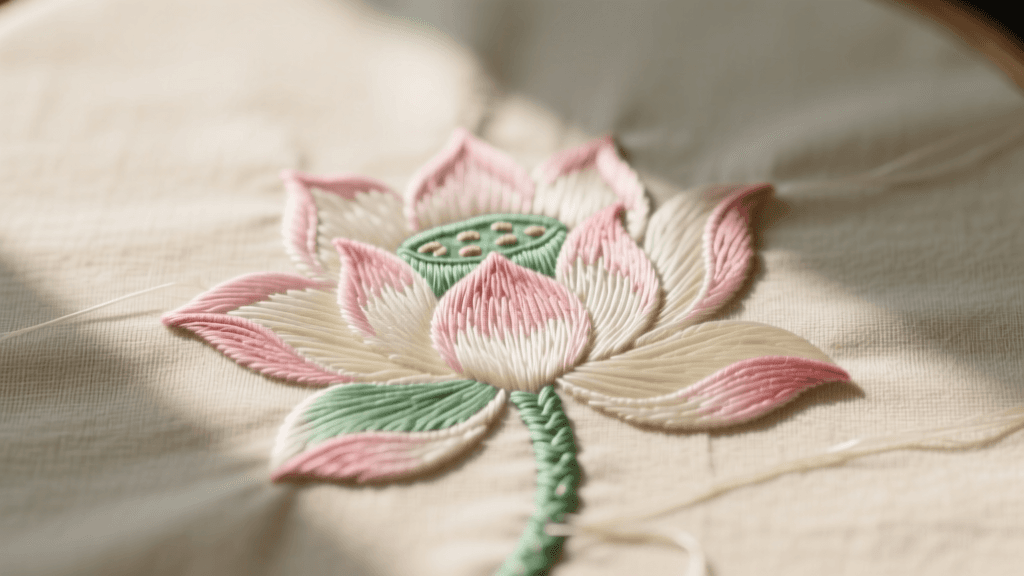
Su Xiu (Suzhou Embroidery): Originating from Jiangsu province, this technique uses incredibly fine silk threads to create smooth, photorealistic gradients. It is favored for the delicate floral motifs on female garments (Dan roles).
Jing Xiu (Beijing Embroidery): This style is bolder, utilizing heavy gold and silver thread couching (Pingjin). It is the standard for the majestic dragons and tigers found on Mang and Kao garments, designed to project authority and catch the stage lights.
Water Sleeves and Footwear
No Xingtou is complete without its specialized accessories. Shuixiu (water sleeves) are extensions of white silk, typically 60 to 90 centimeters long, attached to the cuffs of the Mang, Pei, and Zhe. Actors use them to express emotions—flicking them in anger, shielding the face in sorrow, or rippling them to simulate weeping.
Footwear is equally specialized. Male officials and scholars wear Houdi (thick-soled boots) with white soles that can be up to 10 centimeters thick. These boots elevate the actor's stature, alter their center of gravity, and require a specific, gliding walking technique to maintain grace on stage.
Practical Guide: Sourcing and Commissioning Xingtou
For theater directors, festival organizers, and serious cosplayers, acquiring authentic Peking Opera costumes requires navigating a specialized market. Here is actionable advice on sourcing, costs, and timelines.
Where to Source
- Suzhou (Jiangsu Province): The epicenter of silk production and Su Xiu embroidery. Workshops in the Zhenhu district specialize in bespoke, high-end theatrical garments. Ideal for professional troupes requiring museum-quality pieces.
- Beijing (Liulichang & Tianqiao): Traditional cultural streets where established theatrical supply stores (like the historic Xinghua Yuan) sell both ready-made and custom Xingtou. Best for authentic Beijing-style embroidery and complete accessory sets (headdresses, weapons).
- Online Marketplaces: Platforms like Taobao and AliExpress offer mass-produced, polyester-blend costumes. These are suitable for school plays, background festival extras, or budget cosplayers, but lack the structural integrity for rigorous acrobatic performance.
Costs and Timelines
| Acquisition Method | Material Quality | Estimated Cost (USD) | Lead Time |
|---|---|---|---|
| Rental (Daily) | Mixed Silk/Synthetic | $50 - $150 / day | Immediate |
| Off-the-Rack (Standard) | Satin / Synthetic Silk | $300 - $800 | 1 - 3 Weeks |
| Bespoke (Professional) | 100% Mulberry Silk, Gold Couching | $2,500 - $10,000+ | 3 - 6 Months |
Essential Measurements for Commissioning
Unlike Western tailoring, Xingtou garments are cut with a 'one-size-fits-most' philosophy, relying on wide, flowing silhouettes. However, for bespoke commissions, you must provide the following specific measurements to the workshop:
- Total Height: Crucial for determining the hemline, especially when accounting for thick-soled Houdi boots.
- Shoulder Width: Measured across the back. The shoulder seam must sit perfectly to support the weight of heavy embroidery or armor flags.
- Arm Length (to wrist): Essential for the proper attachment of water sleeves. The sleeve must begin exactly at the wrist bone to allow for fluid manipulation.
- Chest and Waist: While robes are loose, the underlying padding and jade belts require accurate torso measurements to sit securely during vigorous movement.
Care, Maintenance, and Storage
Authentic Xingtou garments are significant investments and require meticulous care. The metallic threads used in Pingjin embroidery are highly susceptible to tarnishing and moisture.
- Cleaning: Never machine wash or dry clean a bespoke silk opera robe. Spot clean with distilled water and a mild, pH-neutral silk detergent. For heavy perspiration, the inner linings should be replaced periodically by a professional tailor.
- Airing: After a performance, garments must be hung in a well-ventilated, climate-controlled room away from direct sunlight to allow moisture to evaporate before storage.
- Storage: Do not hang heavy Mang or Kao garments on standard hangers, as the weight of the embroidery will distort the silk warp threads over time. Fold them gently with acid-free tissue paper and store them flat in cedar chests to deter moths and absorb excess humidity.
Conclusion
The Xingtou of Peking Opera is far more than mere clothing; it is a wearable archive of Chinese aesthetics, philosophy, and theatrical innovation. Whether you are commissioning a bespoke Mang robe from a Suzhou master or renting a Kao for a local cultural festival, respecting the symbolism, measurements, and craftsmanship of these garments ensures that the vibrant legacy of Jingju continues to captivate audiences worldwide.