The Modern Yukata: A Guide to Casual Japanese Summer Wear
The Evolution of the Yukata: From Bathhouse to Boulevard
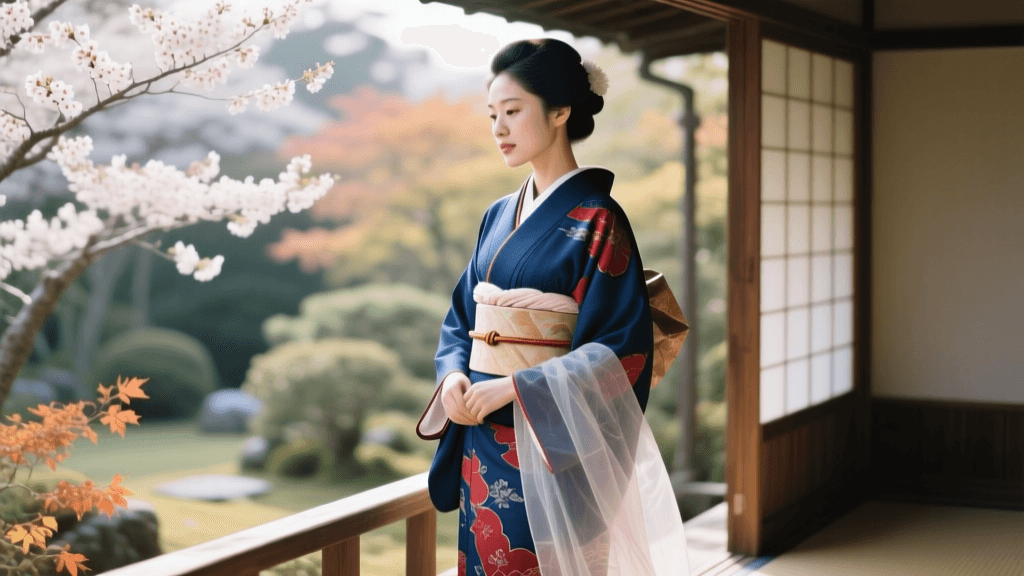
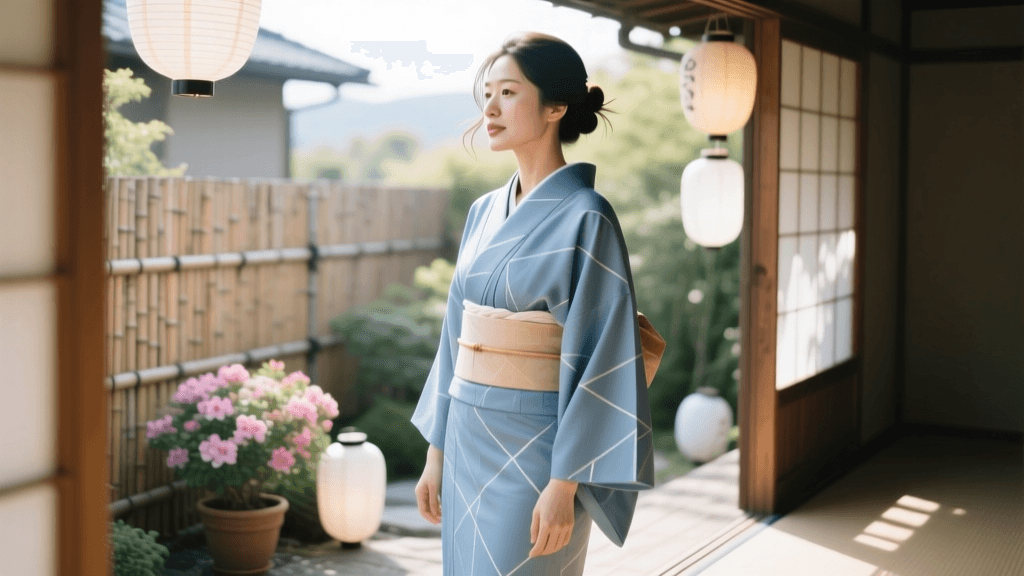
When discussing traditional Japanese clothing, the kimono often dominates the conversation. However, for everyday casual wear, particularly during the sweltering summer months, the yukata is the undisputed king of Japanese fashion. Originally derived from the yukatabira—a lightweight hemp garment worn by nobility in the Heian period (794–1185) to absorb sweat after bathing—the yukata has evolved into a vibrant staple of modern summer wardrobes. Today, it is the go-to attire for matsuri (summer festivals), hanabi (fireworks displays), and casual evening strolls through historic districts like Kyoto’s Gion or Tokyo’s Asakusa.
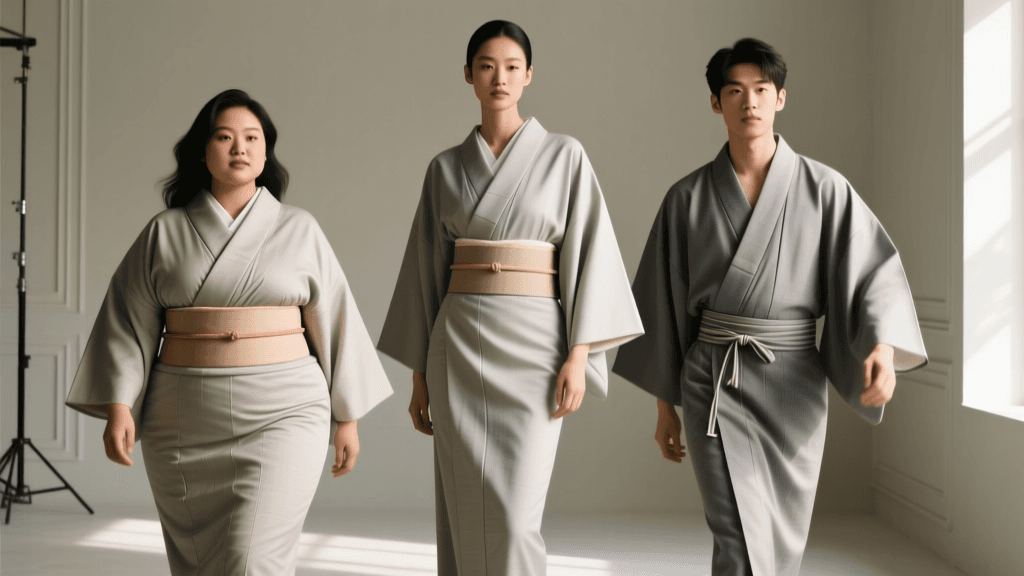
According to the Victoria and Albert Museum, the fundamental T-shaped structure of Japanese garments allows for a universal fit that transcends specific body shapes, relying instead on the art of folding and tying. The yukata takes this traditional silhouette and strips away the heavy layers, expensive silks, and complex undergarments required for formal kimono, making it highly accessible for both locals and international visitors.
Yukata vs. Kimono vs. Jinbei: A Casual Wear Comparison
Understanding when to wear a yukata requires distinguishing it from other traditional garments. As noted by cultural educators at Tofugu, the primary distinction between a yukata and a kimono lies in the material, the presence of an underlayer (nagajuban), and the formality of the occasion. Below is a practical comparison to help you choose the right garment for your summer itinerary.
| Garment | Material | Best Occasion | Avg. Cost (USD) | Formality |
|---|---|---|---|---|
| Yukata | Cotton, Hemp, or Poly-blend | Summer festivals, fireworks, casual dining, ryokan lounging | $40 - $150 | Casual |
| Hitoe Kimono | Unlined Silk, Ro (gauze), or Sha | Tea ceremonies, formal summer weddings, upscale dining | $200 - $1,000+ | Semi-Formal to Formal |
| Jinbei | Cotton or Linen (Top and Shorts set) | Lounging at home, neighborhood convenience store runs, sleeping | $25 - $60 | Ultra-Casual / Loungewear |
Sizing, Measurements, and Costs: Buying Your First Yukata
Unlike Western clothing, which is tailored to the chest, waist, and hips, traditional Japanese garments are sized primarily by height and arm span. When shopping for a yukata, whether online or in a department store like Isetan or Takashimaya, you will encounter two crucial measurements:
- Mitake (Body Length): This is the length of the garment from the shoulder to the hem. For women, the standard mitake is approximately 140 cm (55 inches), designed to fit individuals between 155 cm and 165 cm (5'1" to 5'5") tall. The excess fabric is folded and tied at the waist with the obi (sash) to create the elegant ohashori (the visible fold above the sash).
- Yuki (Arm Span): Measured from the center of the back of the neck, across the shoulder, and down to the wrist bone. A standard women's yuki is around 64 cm to 68 cm. Men’s yukata generally do not feature the waist fold, so their mitake is matched exactly to their height (usually 145 cm to 150 cm), and their sleeves are cut shorter, ending mid-forearm.
Material and Cost Breakdown
If you are purchasing a yukata for everyday summer wear, the fabric dictates both the price and the comfort level. Mass-market polyester yukata ($30–$50) are wrinkle-resistant and easy to wash but trap heat, making them uncomfortable in Japan's humid July and August weather. For authentic comfort, invest in a 100% cotton yukata ($80–$150). Premium options featuring traditional Aizu cotton or indigo-dyed shibori techniques can cost upwards of $200 but offer unparalleled breathability and artisanal value.
Essential Accessories for the Modern Yukata Wardrobe
A yukata is incomplete without its supporting cast of accessories. To achieve a polished, culturally respectful look, you will need the following items:
- Hanhaba Obi: A half-width sash (approx. 15 cm wide) used exclusively for casual wear. It is easier to tie than a formal fukuro obi and comes in vibrant, reversible patterns.
- Obi-ita: A stiff board inserted under the obi to prevent wrinkling and maintain a crisp, flat silhouette around the waist.
- Koshi-himo: Thin cotton ties used to secure the yukata in place before wrapping the decorative obi. You will need at least two.
- Geta or Setta: Traditional wooden clogs (geta) or leather-straw sandals (setta). Always wear them barefoot or with specialized kohaze (toe socks) if the evening air turns cool.
- Kinchaku: A drawstring pouch made of cotton or rattan, perfect for holding a smartphone, wallet, and hand fan (sensu).
How to Tie the Bunko Musubi (Bow Knot)
For women, the bunko musubi (library knot or bow knot) is the most popular and practical obi tie for yukata. It is youthful, casual, and relatively easy to master. Practical wearing guides, such as those provided by Kyoto Kimono Rental, emphasize the importance of keeping the tension tight to prevent the garment from slipping during a long day of walking.
- Wrap the Obi: Fold the hanhaba obi in half lengthwise. Wrap it around your waist twice, ensuring the second wrap is slightly higher than the first to create an upward slant.
- Secure the Base: Pull the obi ends tight. Cross the longer end over the shorter end and pull it up through the loop to create a firm base knot.
- Form the Bow: Take the longer end and fold it into an accordion shape to create the loops of the bow. Pinch the center tightly.
- Wrap the Center: Take the shorter end and wrap it tightly around the pinched center of the bow loops. Tuck the remaining tail securely underneath the wrapped obi at your back.
- Final Adjustment: Rotate the entire obi clockwise so the bow sits squarely in the center of your back. Adjust the loops to resemble butterfly wings.
Care, Maintenance, and Storage
One of the greatest advantages of the cotton yukata is its ease of maintenance. Unlike silk kimono, which require expensive professional dry cleaning (maru-arai), cotton yukata can be washed at home. To preserve the vibrant dyes and prevent shrinkage, fold the garment neatly and place it inside a mesh laundry net. Wash on a gentle cycle with cold water and a mild, neutral detergent. Never use a tumble dryer; instead, hang the yukata on a wide kimono hanger (emonkake) in a shaded, well-ventilated area. The weight of the wet cotton will naturally pull out most wrinkles, eliminating the need for ironing.
By understanding the nuances of sizing, accessorizing, and caring for your yukata, you can seamlessly integrate this beautiful piece of Asian tradition into your modern summer wardrobe, honoring centuries of craftsmanship while staying cool and stylish.