Discover Kyoto Yuzen Dyeing: Artisan Kimono Workshops
The Living Heritage of Kyo-Yuzen Dyeing
When we think of the exquisite, painterly patterns adorning high-end Japanese kimono, we are often looking at the masterful results of Kyo-Yuzen dyeing. Originating in Kyoto during the Edo period, this technique was pioneered by Miyazaki Yuzensai, a fan painter who revolutionized textile decoration. Today, Kyo-Yuzen remains one of the most celebrated traditional crafts in Japan, recognized officially by the government for its cultural and artistic significance. According to the Ministry of Economy, Trade and Industry (METI), traditional crafts like Kyo-Yuzen are vital to preserving Japan's regional heritage, requiring decades of apprenticeship to master the dozens of specialized steps involved.
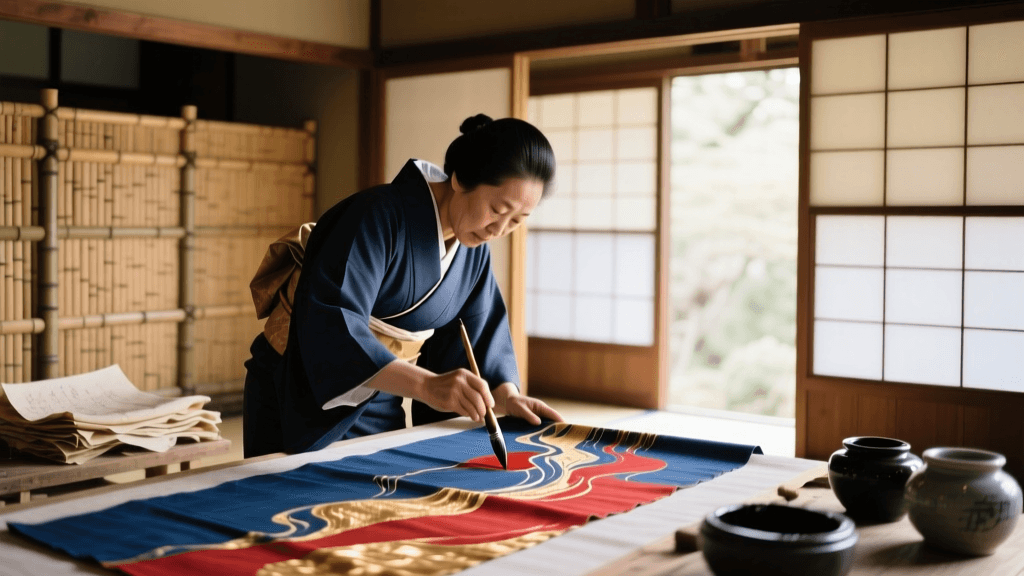
For textile enthusiasts, fashion historians, and travelers, participating in a Kyoto artisan workshop offers a profound, hands-on understanding of this meticulous craft. Rather than merely observing, visitors can step into the shoes of a shokunin (artisan), handling specialized brushes and learning the delicate balance of dye and resist paste that makes these garments wearable works of art.
The Meticulous Yuzen Dyeing Process
True Kyo-Yuzen is not a single action but a symphony of over twenty distinct steps, often performed by different specialized artisans. In a comprehensive workshop, you will be introduced to the core phases of this process, adapted for beginners while maintaining authentic techniques.
1. Shita-e (Underdrawing) and Itome-nori (Resist Paste)
The process begins with an underdrawing on white silk. Artisans use a water-soluble ink made from dayflower petals (tsuyukusa), which naturally washes away later. The most critical step for defining the pattern is the application of itome-nori, a thick rice-based resist paste. Using a specialized conical metal tip or a fine brush, artisans trace the outlines of the design. This paste acts as a dam, preventing subsequent colors from bleeding into one another—a hallmark of the crisp, vibrant lines seen in authentic kimono.
2. Irosashi (Color Application)
Once the resist paste is dry, the coloring phase begins. Artisans use surikomi brushes, traditionally made from horsehair or deer hair, to dab and blend pigments within the outlined boundaries. In a workshop setting, you will learn the 'bokashi' (gradation) technique, skillfully transitioning from deep, saturated hues at the edges to lighter, softer tones in the center of the motif.
3. Steaming and Mizu-ari (Water Washing)
After dyeing, the silk must be steamed at high temperatures to fix the pigments into the protein fibers of the silk. Historically, this was followed by yuzen-nagashi, where bolts of silk were washed in the cold, fast-flowing waters of Kyoto's Kamo River. Today, due to environmental regulations, this is done in specialized studio vats. Workshop participants rarely do this step themselves, as it requires industrial equipment and expert timing, but observing the master artisan reveal the final, crisp white lines after the paste washes away is a magical moment.
Practical Guide: Booking and Attending a Workshop
Participating in an authentic artisan studio requires some forethought. Unlike casual tourist crafts, traditional textile workshops operate on the schedules of working artisans. Here is what you need to know to secure your spot and prepare for the experience.
- Advance Booking: You must book at least 4 to 8 weeks in advance. Many master studios only accept small groups (2 to 4 people) to ensure personalized instruction.
- Language Barriers: While some larger cultural centers offer English instruction, many independent artisan studios operate primarily in Japanese. Booking through a specialized cultural concierge or verifying English support on the studio's website is crucial.
- Attire: Wear dark, comfortable clothing that you do not mind getting stained. While studios provide aprons and arm covers, dye splatters are inevitable. Avoid wearing white or expensive silk garments to the studio.
- Shipping Timelines: Because your dyed silk must be professionally steamed, washed, and pressed by the studio after your session, you will not take the finished product home the same day. Expect your item to be shipped to your hotel or home address within 1 to 3 weeks.
Workshop Comparison: Costs, Duration, and Outputs
Workshops in Kyoto range from quick introductory sessions to intensive, multi-day masterclasses. Below is a comparison chart to help you choose the right experience based on your budget, schedule, and skill level.
| Experience Type | Duration | Approx. Cost (JPY) | Skill Level | Final Output |
|---|---|---|---|---|
| Quick-Resist (Handkerchief) | 90 Minutes | ¥3,500 - ¥5,000 | Beginner | Silk-cotton blend square |
| Intermediate Irosashi (Scarf) | 2.5 - 3 Hours | ¥12,000 - ¥18,000 | Novice/Intermediate | Pure silk obijime or scarf |
| Advanced Panel (Furoshiki/Tapestry) | 5 - 6 Hours | ¥35,000 - ¥50,000 | Intermediate/Advanced | Large silk furoshiki or wall panel |
| Masterclass (Full Kimono Panel) | 3 Days (18 Hours) | ¥150,000+ | Advanced (Portfolio req.) | Custom kimono back panel |
Note: Costs generally include all materials, studio fees, instruction, and domestic shipping within Japan. International shipping will incur additional fees.
Studio Etiquette and Respecting the Artisans
Visiting a traditional Japanese workshop is an exercise in cultural respect. The shokunin take immense pride in their tools and workspace. Adhering to proper etiquette ensures a harmonious and rewarding experience.
Entering the Workspace
Always remove your shoes at the genkan (entryway) and wear the provided indoor slippers. However, if the studio has tatami mat floors where you will be working, you must remove the slippers and work in your socks or bare feet. Bow slightly when greeting the master artisan, using the phrase Yoroshiku onegaishimasu (Please treat me well / I look forward to learning from you).
Handling the Tools
The brushes used in Yuzen dyeing are highly specialized and often custom-made for the artisan's hand. Never touch the bristles of the master's personal brushes with your bare fingers, as the oils from your skin can ruin the hair. When applying dye, use the provided studio brushes. Wash your hands thoroughly before beginning, especially if you have been applying lotions or sunscreens, as oils will repel the water-based dyes on the silk.
Patience and Observation
Traditional crafts are rooted in patience. The itome-nori paste must be applied with a steady hand and a regulated breath. If you make a mistake, do not panic or attempt to wipe it away frantically. The master artisan is there to guide you and can often correct minor errors before the dye sets. Observe how the artisan sits, breathes, and holds their posture; in Japanese craftsmanship, the physical form is just as important as the final product.
Seasonal Motifs and Design Selection
When designing your piece in the workshop, you will be guided by the Japanese concept of shiki (the four seasons). Kimono and traditional textiles are deeply tied to the calendar, often anticipating a season by a few weeks rather than reflecting it exactly as it happens. If you are visiting in spring, an artisan might suggest dyeing autumn maple leaves (momiji) or winter plum blossoms (ume), as wearing a motif exactly when it is blooming outside is sometimes considered slightly late or 'on the nose' in high-society kimono etiquette. Discussing these seasonal nuances with your instructor adds a rich layer of cultural education to your workshop experience.
Preserving the Craft: Supporting Traditional Artisans
The future of Kyo-Yuzen, like many traditional Japanese crafts, faces challenges due to an aging artisan population and the declining everyday use of kimono. By participating in these workshops, you are directly injecting capital into the local artisan economy and validating the continuation of these ancient skills. Organizations like the Japan Kogei Association (Traditional Craft Aoyama Square) work tirelessly to promote these artisans and connect them with global audiences who appreciate the value of handmade heritage.
Furthermore, institutions such as the Metropolitan Museum of Art have highlighted the kimono not merely as clothing, but as a complex structural and artistic medium that has influenced global fashion for centuries. When you purchase a piece from a workshop or commission a custom obi, you are investing in a living history. The silk you dye with your own hands, guided by a Kyoto master, becomes a tangible bridge between the Edo period and the modern world, carrying the spirit of the artisan long after the dye has set.