A Collector's Guide to Vintage Meiji and Taisho Kimono
The Allure of Pre-War Japanese Textiles
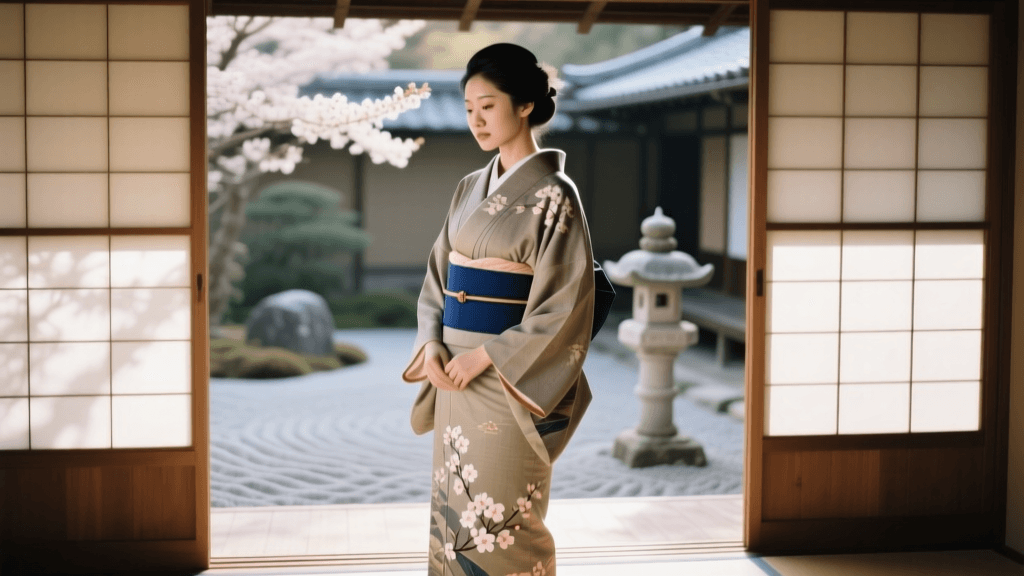
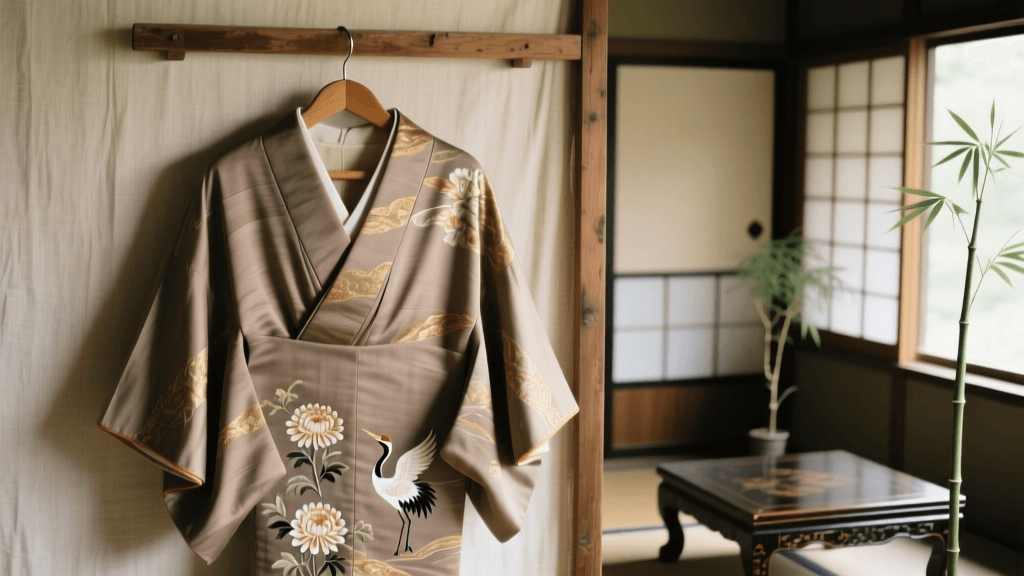
For serious collectors of Asian traditional garments, the Meiji (1868–1912) and Taisho (1912–1926) eras represent a golden age of Japanese textile artistry. During these decades, Japan underwent rapid modernization, opening its borders to global trade and experiencing a fascinating collision of traditional craftsmanship and Western artistic influences. Collecting vintage kimono from these periods is not merely about acquiring beautiful clothing; it is an act of preserving wearable history. According to textile archives at the Victoria and Albert Museum's Asian Collections, the transition from the Edo period into the Meiji era fundamentally shifted the social structures that dictated clothing laws, allowing wealthy merchants and commoners to access luxurious silks and intricate dyeing techniques previously reserved for the samurai class.
However, sourcing authentic pre-1920s kimono requires a discerning eye. The devastating Great Kanto Earthquake of 1923, followed by the firebombings of World War II, destroyed vast quantities of Japanese material culture. Consequently, surviving Meiji and Taisho garments are increasingly rare, making them highly prized in the global vintage market. This guide provides actionable strategies for authentication, sourcing, measuring, and preserving these exceptional historical textiles.
Authenticating Meiji and Taisho Garments
Distinguishing a true Meiji or Taisho era kimono from an early Showa (1926–1989) or modern reproduction piece requires examining several structural and aesthetic hallmarks. When examining construction techniques and historical contexts, resources from the Metropolitan Museum of Art's Asian Art Department highlight the importance of analyzing both the dye chemistry and the structural proportions of the garment.
The Significance of Beni-Iro Linings
One of the most reliable indicators of a Meiji or early Taisho kimono is the lining. During these eras, it was standard practice to line the lower half of women's kimono (the hakkake or susomawashi) with beni-iro, a vibrant safflower red silk. Safflower dye was incredibly expensive and prone to fading, but it was believed to possess protective and warming properties. If you examine a vintage kimono and find a rich, slightly uneven red silk lining that shows signs of natural fading or water spotting, you are likely looking at a pre-1930s piece. By the mid-Showa era, synthetic red dyes and patterned linings largely replaced traditional safflower.
Taisho Roman and Early Synthetic Dyes
The Taisho era birthed the "Taisho Roman" aesthetic, a romanticized fusion of Japanese motifs and Western Art Deco. Collectors should look for bold geometric patterns, stylized botanicals, and the introduction of early aniline (synthetic) dyes. Taisho kimono often feature striking, almost neon purples, greens, and reds that were chemically impossible during the Meiji era. Be cautious, however, as early synthetic dyes were notoriously unstable and can "bleed" or cause silk degradation if exposed to moisture.
Fabric Width and Proportions
Historically, the width of the silk bolt (tanmono) dictated the dimensions of the kimono. Meiji and Taisho era kimono were woven on narrower looms. A genuine antique piece will often have a sleeve width and body panel width measuring between 32cm and 34cm. Modern kimono, woven for a taller, broader contemporary population, typically feature panel widths of 36cm to 38cm. If the panels are exceptionally narrow, it is a strong indicator of an older, hand-woven antique.
Era Comparison Chart
Use the following data table to quickly reference the defining characteristics of late 19th and early 20th-century Japanese garments when evaluating auction listings.
| Era | Years | Key Aesthetic Characteristics | Lining & Construction | Typical Market Value (USD) |
|---|---|---|---|---|
| Meiji | 1868–1912 | Conservative Edo holdovers, natural indigo, intricate Yuzen, family crests (kamon) | Safflower red (beni-iro) silk, narrow 32cm panels | $150 – $800+ |
| Taisho | 1912–1926 | Taisho Roman, Art Deco influences, bold geometric motifs, early aniline dyes | Red or early patterned silk linings, slightly wider panels | $200 – $1,200+ |
| Early Showa | 1926–1945 | Militaristic shifts, subdued colors post-1930s, mass-produced stenciled patterns | Patterned or plain white linings, standard 36cm panels | $50 – $300 |
Sourcing from Japanese Auctions
While specialized antique dealers in Kyoto and Tokyo offer curated selections, their prices reflect the convenience and expertise provided. For serious collectors willing to do the legwork, Japanese domestic auction sites and flea market apps are the most lucrative sourcing grounds. Platforms like Yahoo! Auctions Japan and Mercari Japan host thousands of vintage kimono daily, often pulled directly from family storehouses (kura).
Navigating Proxy Services
Because most Japanese sellers do not ship internationally, collectors must use proxy bidding services such as Buyee, ZenMarket, or Neokyo. These services provide you with a Japanese warehouse address, receive your items, and consolidate them for international shipping.
- Service Fees: Expect to pay a 10% to 15% proxy fee on top of the item's hammer price.
- Domestic Shipping: Japanese sellers often charge ¥1,000 to ¥2,000 for domestic shipping to the proxy warehouse. To maximize value, bid on multiple items from the same seller to combine domestic shipping costs.
- International Shipping: Kimono are heavy. A single lined silk kimono can weigh 800g to 1.2kg. Budget $30–$50 per garment for EMS or DHL shipping from the proxy warehouse to the US or Europe.
Essential Japanese Search Terms
Searching in English will yield limited, overpriced results. Copy and paste these Japanese keywords into Yahoo Auctions or Mercari to find authentic pieces:
- 明治 着物 (Meiji Kimono)
- 大正ロマン 着物 (Taisho Roman Kimono)
- アンティーク 着物 (Antique Kimono)
- 紅絹 (Beni-iro / Red Silk Lining)
- 矢絣 (Yagasuri - Arrow feather pattern, highly popular in Taisho era)
Measurements and Wearability
A common pitfall for novice collectors is purchasing a breathtaking Meiji furisode only to realize it is physically impossible to wear. The average height of a Japanese woman in the early 20th century was roughly 150cm (4'11"). Consequently, antique kimono are significantly shorter and narrower than modern garments.
Before bidding, always check the mitake (back length) and yuki (center back to wrist measurement). A typical Meiji/Taisho mitake ranges from 145cm to 152cm. If you are taller than 5'4" (162cm), you will struggle to wear these pieces without visible alterations, which drastically reduces their historical and monetary value. For collectors who wish to wear their antiques, look for pieces labeled shitate-naoshi (re-tailored), where the hem allowance (hashi) has been let out to accommodate a taller wearer.
Archival Preservation and Storage
Silk is a protein fiber highly susceptible to environmental damage. Preserving a century-old garment requires strict adherence to archival standards. For long-term archival storage, guidelines published by the Getty Conservation Institute recommend maintaining a stable relative humidity (RH) of around 50% to 55% for organic textiles, as fluctuations cause fibers to expand and contract, leading to brittleness and shattering.
The Dangers of Cedar and Plastic
Never store antique kimono in plastic bins. Plastic traps moisture and off-gasses chemicals that will yellow and degrade vintage silk. Similarly, avoid cedar wood chests. While cedar is traditionally used in the West to repel moths, the natural acidic oils in cedar wood can cause severe, irreversible brown staining on silk if the wood directly touches the fabric over long periods.
Proper Storage Solutions
The gold standard for kimono storage is the tansu, a traditional chest made from paulownia wood (kiri). Paulownia is naturally alkaline, lightweight, and possesses unique hygroscopic properties that help regulate internal humidity. If a paulownia chest is out of your budget, use acid-free cardboard archive boxes. Wrap each kimono in tatou (traditional Japanese wrapping paper) or unbuffered, acid-free tissue paper. Never fold the garment along its original creases; shift the folds slightly each time you wrap it to prevent permanent fiber breakage along the fold lines. Finally, practice mushi-boshi (insect airing) by taking your collection out of storage on a dry, shaded autumn day to let the textiles breathe and inspect them for early signs of silverfish or mold.
Conclusion
Collecting vintage Meiji and Taisho era kimono is a deeply rewarding pursuit that bridges the gap between fashion, history, and art conservation. By mastering the nuances of authentication, utilizing Japanese domestic markets, and committing to rigorous archival storage, collectors ensure that these fragile masterpieces of Asian textile heritage survive for generations to come.