Celebrity Kimono Trends: How Influencers Style Vintage Silk Today

The Global Runway Meets Traditional Japanese Silk
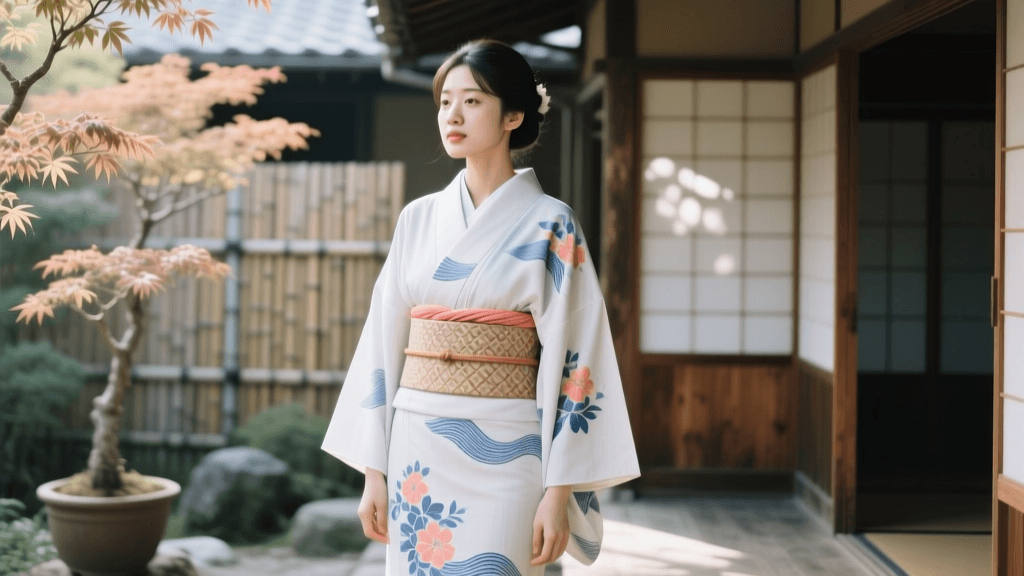
In recent years, the traditional Japanese kimono has transcended its ceremonial roots to become a highly sought-after statement piece in global streetwear and high fashion. From the neon-lit alleys of Harajuku to the front rows of Paris Fashion Week, celebrities, musicians, and digital influencers are reimagining the kimono and its lighter counterpart, the haori, for the modern wardrobe. This movement is not about cultural dilution; rather, it is a celebration of the garment's zero-waste, T-shaped silhouette—a structural marvel that has fascinated designers for centuries. As noted by The Metropolitan Museum of Art, the kimono's flat, linear construction allows for an unparalleled display of textile artistry, making it the ultimate canvas for contemporary styling.
But how exactly are today's trendsetters integrating these centuries-old garments into everyday wear? The answer lies in a blend of vintage sourcing, modern proportion play, and a deliberate departure from strict traditional rules. Below, we break down the most prominent celebrity kimono trends and provide actionable advice on how you can replicate these looks, complete with sizing guides, styling hacks, and sourcing tips.
The Haori Jacket: Streetwear's Favorite Silhouette
The haori is a traditional Japanese jacket worn over the kimono. Historically, it was designed to provide warmth and display family crests (kamon). Today, global influencers and street-style icons have adopted the haori as a luxurious alternative to the denim jacket or the trench coat. Because the haori is meant to be worn open, it requires no complex obi tying, making it the most accessible entry point for kimono novices.
How Influencers Style the Haori
- The High-Low Mix: Celebrities often pair heavily embroidered, vintage Showa-era silk haori with minimalist basics. Think a crisp white graphic tee, relaxed-fit Levi's 501s, and chunky sneakers. The contrast between the intricate Yuzen-dyed silk and casual cotton denim creates a visually striking outfit.
- Layering over Knitwear: During the transitional autumn months, fashion bloggers layer haori over thick, oversized turtleneck sweaters. The drop-shoulder construction of the haori accommodates bulky inner layers without restricting movement.
- Belted Duster: For a more avant-garde look, some stylists use a wide leather belt over an open haori to cinch the waist, mimicking the silhouette of a modern duster coat.
Actionable Buying Guide: Sizing the Vintage Haori
When shopping for a vintage haori online or in Tokyo's famous recycle shops (like Chicago in Shimokitazawa), you must understand Japanese garment measurements. Unlike Western clothing, kimono and haori are measured flat.
- Yuki (Sleeve Span): Measured from the center back of the neck, across the shoulder, and down to the wrist. For a modern, oversized streetwear fit, look for a Yuki of 130cm to 140cm (approx. 51-55 inches).
- Mitake (Back Length): Measured from the base of the collar down the center back. A versatile haori should hit around mid-thigh. Look for a Mitake of 80cm to 95cm (approx. 31-37 inches).
- Sode (Sleeve Depth): The vertical drop of the sleeve. Deeper sleeves (around 45cm+) offer a more dramatic, traditional drape that catches the wind beautifully when walking.
Cost Expectation: A high-quality, vintage silk haori in good condition typically ranges from $60 to $150 USD on platforms like Etsy or eBay, while rare, hand-painted pieces by recognized artisans can exceed $400.
The Modern Obi: Corsets, Hardware, and Cinching
Traditionally, the kimono is secured with an obi—a wide, stiff sash tied in elaborate knots (musubi) using several accessories like the obi-jime (cord) and obi-age (scarf). While beautiful, this process can take up to an hour and requires specialized knowledge. The Japan National Tourism Organization highlights that while traditional dressing is vital for cultural preservation and formal ceremonies, modern adaptations are driving the garment's daily survival.
Influencers have entirely bypassed the traditional musubi in favor of modern waist-cinching techniques that blend Victorian corsetry with Japanese silk.
'Fashion is about respecting the past while aggressively reimagining the future. The kimono, with its zero-waste T-shaped pattern, is the ultimate canvas for sustainable streetwear and modern silhouette manipulation.'
Styling Hacks for the Modern Waist
- The Leather Corset Belt: Wearing a structured, underbust leather corset belt over a wrapped kimono or yukata creates an instant hourglass figure. This is frequently seen on pop stars during music video shoots, pairing the delicate floral silks with harsh, gothic hardware.
- The Chain Link: For a Y2K-inspired streetwear look, influencers drape heavy metal chain belts over a simple, solid-colored obi, allowing the metal to rest against the silk for a textural contrast.
- The Obi-Jime as a Choker: Vintage obi-jime (the decorative braided cords used to tie the obi) are being repurposed by jewelry influencers as silk-wrapped chokers or braided bracelets, utilizing damaged accessories that can no longer be used for their original purpose.
Traditional vs. Influencer Styling: A Comparison
To understand the shift from ceremonial wear to streetwear, review the breakdown below detailing how traditional rules are being adapted for the modern fashion landscape.
| Garment Element | Traditional Approach | Influencer / Streetwear Approach | Estimated Cost (USD) |
|---|---|---|---|
| Outerwear | Haori worn open, tied loosely at the front with a haori-himo (braided cord). | Haori worn over hoodies or belted at the waist like a duster coat. | $60 - $150 (Vintage) |
| Waist Cinching | Fukuro obi tied in a Taiko musubi (drum knot) with obi-age and obi-jime. | Wide leather corset belts, canvas utility belts, or chain hardware. | $30 - $200 (Modern) |
| Footwear | Zori (woven sandals) or Geta (wooden clogs) worn with split-toe Tabi socks. | Chunky sneakers (e.g., New Balance 990v5), Dr. Martens, or knee-high boots. | $100 - $300 |
| Inner Layers | Nagajuban (silk undergarment) with a replaceable han-eri (collar). | Mesh turtlenecks, graphic tees, or modern slip dresses. | $20 - $80 |
Footwear Crossovers: Sneakers and Platform Boots
Perhaps the most jarring yet visually successful trend in celebrity kimono styling is the footwear crossover. Traditional zori and geta require a specific gait and can be uncomfortable for long days of urban exploration or festival attendance. Influencers have popularized pairing the flowing hemlines of the kimono with aggressive, utilitarian footwear.
Chunky 'dad' sneakers, such as the Balenciaga Track or the New Balance 990 series, provide a grounded, heavy base that contrasts beautifully with the delicate, fluttering silk of the kimono sleeves. Alternatively, platform combat boots like the Dr. Martens Jadon add a punk-rock edge to the elegant floral patterns of a vintage Taisho-era kimono. When wearing boots or sneakers, the hem of the kimono is often hiked up slightly higher than the traditional ankle-length standard, secured tightly with the obi to prevent the silk from dragging on wet city streets.
Sourcing Vintage Silk: Sustainability and Craftsmanship
The influencer-driven kimono trend is deeply intertwined with the sustainable fashion movement. Because the kimono is constructed from straight bolts of fabric (tanmono), it generates virtually no textile waste. Furthermore, buying vintage kimono keeps thousands of pounds of silk out of landfills while preserving the legacy of Japanese artisans.
According to the Kyoto Museum of Traditional Crafts, techniques like Nishijin-ori (brocade weaving) and Kyo-yuzen (resist dyeing) require decades of mastery. When you purchase a vintage kimono from the 1970s or 80s, you are acquiring museum-quality craftsmanship for a fraction of its original cost. A brand new, hand-painted Kyoto silk kimono can easily cost upwards of $3,000 to $10,000 today, whereas a pristine vintage piece can be sourced for under $200.
Where to Buy
- Online Marketplaces: Etsy and eBay are goldmines. Search terms like 'vintage Showa haori', 'black crepe kimono', or 'Yuzen dye silk' yield the best streetwear-friendly results.
- Tokyo Recycle Shops: If you are visiting Japan, neighborhoods like Shimokitazawa, Koenji, and Harajuku are packed with 'recycle shops' (thrift stores) where locals offload their grandparents' garments. Stores like Tansu-ya specialize in secondhand kimono.
- Instagram Sellers: Many independent curators in Japan and the US source, clean, and photograph vintage pieces specifically for Western buyers, offering styling advice and accurate flat-lay measurements.
Care and Maintenance for Vintage Silk
Celebrities and stylists know that vintage silk requires specific care to maintain its structural integrity and vibrant dyes. Unlike modern cotton streetwear, you cannot simply throw a silk haori into the washing machine.
- Airing Out: After wearing your kimono or haori, hang it on a wide, padded hanger in a well-ventilated, shaded area for 24 hours to allow moisture and odors to dissipate. Never hang silk in direct sunlight, as UV rays will rapidly fade the natural dyes.
- Spot Cleaning: Avoid water-based spot cleaning on vintage Yuzen-dyed silk, as water can leave permanent rings or cause the dyes to bleed. Instead, use a soft, dry brush to remove surface dust.
- Professional Care: For deep stains or overall cleaning, seek out a dry cleaner who specializes in traditional garments. In Japan, this process is called arai-hari, where the garment is completely taken apart, washed, stretched, and resewn.
- Storage: Store your silk pieces folded with acid-free tissue paper to prevent hard creases. Include cedar blocks or lavender sachets in your storage drawers to repel moths and silverfish, which are highly attracted to natural protein fibers like silk.
Conclusion: Wearing the Culture Forward
The celebrity and influencer adoption of the kimono and haori represents a fascinating evolution in global fashion. By treating these garments not as fragile museum artifacts, but as living, breathing components of a modern wardrobe, a new generation is ensuring the survival of the Japanese silk industry. Whether you are throwing a vintage Showa-era haori over a vintage band tee, or cinching a silk kimono with a modern leather corset belt, the key is to approach the garment with an understanding of its history, its craftsmanship, and its structural genius. The kimono is no longer just a relic of the past; it is the ultimate sustainable statement piece for the future of streetwear.