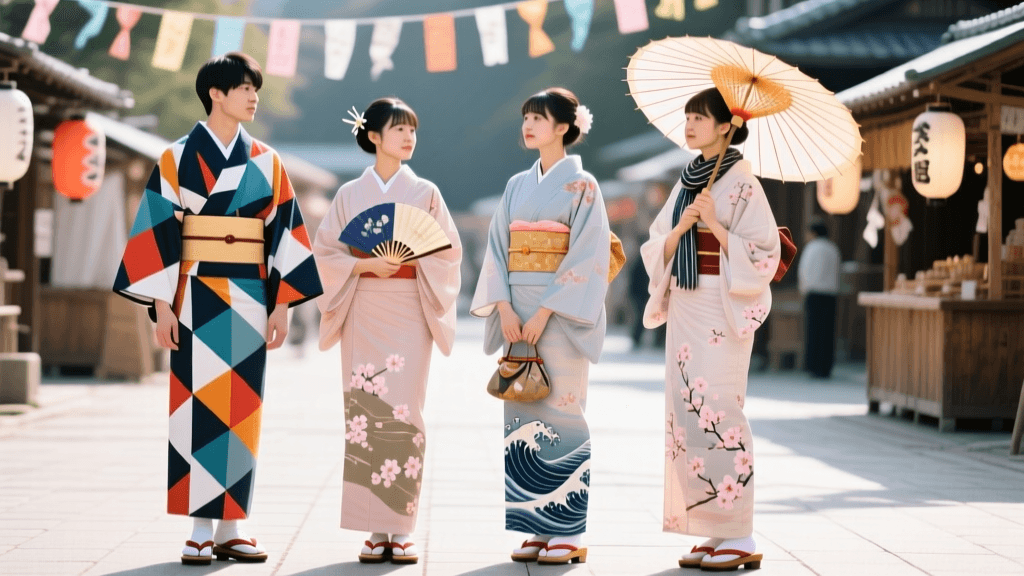
Eco-Friendly Kimono: Sustainable Silk and Natural Dyes Guide
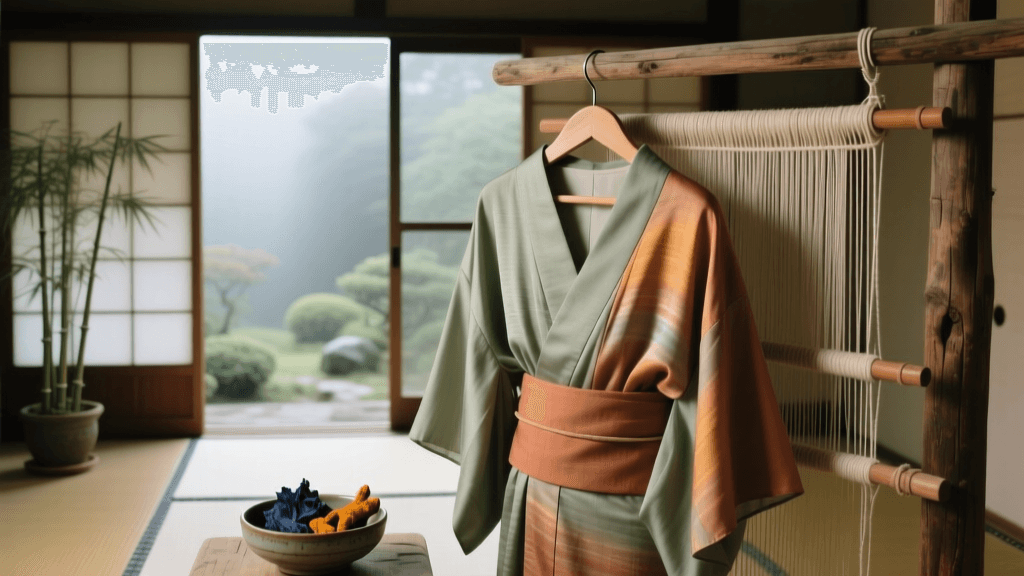
The Hidden Environmental Cost of Mass-Market Kimono
The kimono is globally recognized as a masterpiece of Japanese heritage, representing centuries of artisanal weaving, dyeing, and cultural philosophy. However, the modernization and commercialization of Japanese garments have introduced significant environmental challenges. Today, a vast majority of affordable, mass-market kimono and yukata sold to tourists and everyday consumers are crafted from synthetic polyester and dyed using harsh chemical processes. These petroleum-based fabrics are non-biodegradable, and the synthetic dyeing process often results in toxic wastewater runoff that pollutes local river systems.
Furthermore, conventional silk production—while a natural fiber—often relies on intensive mulberry farming heavily dependent on chemical pesticides and synthetic fertilizers. The traditional sericulture process also typically involves boiling the silkworm cocoons with the moth still inside to preserve the continuous silk thread, raising ethical concerns for conscious consumers. As the global fashion industry pivots toward sustainability, a dedicated movement of Japanese artisans, eco-designers, and heritage preservationists is reclaiming the kimono's roots through sustainable and ethical production methods.
Pillars of Ethical Kimono Production
To truly understand what makes a kimono sustainable, we must look at the entire lifecycle of the garment, from the cultivation of the raw fiber to the final dyeing and weaving processes. Ethical kimono production rests on two main pillars: humane and organic silk farming, and the use of botanical, zero-waste dyes.
Ethical Sericulture and Organic Silk
Sustainable silk production prioritizes both the environment and the welfare of the silkworm. One of the most prominent ethical alternatives is Ahimsa silk, also known as 'peace silk.' In this method, the silkworm is allowed to complete its life cycle and emerge from the cocoon as a moth before the silk is harvested. While this results in shorter, spun silk threads rather than continuous filaments, it yields a uniquely textured, breathable, and incredibly soft fabric that aligns with cruelty-free fashion standards.
Additionally, organic sericulture focuses on cultivating mulberry trees—the sole food source for silkworms—without the use of synthetic pesticides or fertilizers. According to the Textile Exchange, transitioning to organic and regenerative agricultural practices in fiber production is critical for maintaining soil health and reducing water contamination. By supporting cooperatives that practice organic mulberry farming, consumers help preserve the biodiversity of Japan's rural landscapes.
Natural Dyes: Aizome and Botanical Pigments
Before the advent of synthetic aniline dyes in the late 19th century, all kimono were dyed using plant, mineral, and insect-based pigments. Today, the revival of Tenmen Shokuzen (natural dyes) is at the forefront of eco-friendly Japanese fashion. The most famous of these is Aizome (Japanese indigo), primarily cultivated in Tokushima Prefecture.
The traditional Aizome process is a masterclass in sustainability. Indigo leaves are harvested, dried, and fermented for 100 days to create sukumo. The dye vat is then 'fed' with natural alkaline agents like wood ash lye and sake. This living fermentation process requires no toxic mordants, and the exhausted dye water is entirely safe for the environment—often used to water crops. Indigo also possesses natural antibacterial and UV-resistant properties, making the fabric highly durable and functional. Another remarkable sustainable technique is Oshima Tsumugi mud-dyeing from Amami Oshima, where silk is dyed with tannins from the rose myrtle plant and reacted with iron-rich natural mud, creating complex, colorfast patterns without a single drop of synthetic chemicals.
Conventional vs. Sustainable Kimono Production
Understanding the stark differences between fast-fashion Japanese garments and ethically produced kimono is essential for conscious consumers. The table below outlines the key environmental and economic metrics of both approaches.
| Feature | Conventional Mass-Market Kimono | Sustainable / Artisan Kimono |
|---|---|---|
| Primary Material | Polyester, Nylon, or Conventional Silk | Organic Silk, Ahimsa Silk, Hemp, Ramie |
| Dye Source | Synthetic Azo Dyes, Chemical Mordants | Botanical Indigo, Plant Tannins, Mineral Mud |
| Water Impact | High pollution, toxic runoff | Biodegradable, safe for agricultural reuse |
| Production Time | Days (Machine printed and woven) | Months to Years (Hand-woven, fermented dyes) |
| Biodegradability | Non-biodegradable (Microplastics) | 100% Biodegradable and Compostable |
| Average Cost (USD) | $40 - $150 | $1,200 - $5,000+ |
While the upfront cost of a sustainable kimono is significantly higher, the cost-per-wear and the garment's lifespan tell a different story. A well-maintained natural silk and indigo kimono can last for over a century, often being passed down through generations as a family heirloom, whereas synthetic garments degrade, pill, and end up in landfills within a few years.
Practical Buying Guide: Sourcing Ethical Kimono
If you are looking to invest in an eco-friendly kimono, knowing where to look and what certifications to trust is vital. The Japanese government actively protects and promotes heritage crafts that adhere to strict traditional and sustainable methods. When shopping, look for the official certification seal from Japan's Ministry of Economy, Trade and Industry (METI), which designates items as 'Traditional Craft Products.' This seal guarantees that the item is hand-made using traditional techniques and natural, locally sourced materials.
For buyers outside of Japan, seeking out specialized online boutiques that partner directly with artisan cooperatives is the best approach. Organizations like the Japan Kogei Association frequently host exhibitions and maintain directories of master artisans who specialize in natural dyeing and ethical weaving. When purchasing, ask the retailer specific questions: 'Is this dyed with synthetic or natural indigo?' and 'What type of silk is used?' Transparency is a hallmark of truly ethical brands.
The Circular Kimono Economy: Vintage and Upcycling
The most sustainable kimono is often one that already exists. Japan boasts a massive circular fashion economy centered around vintage kimono markets, known as furugi. Purchasing vintage silk kimono not only prevents textile waste but also allows you to own a piece of history at a fraction of the cost of new artisan pieces. In Tokyo, areas like the Oedo Antique Market and specialized vintage shops in Shimokitazawa offer thousands of second-hand garments.
Furthermore, the modern upcycling movement has breathed new life into damaged or stained vintage kimono. Eco-conscious designers are deconstructing unwearable kimono to create modern garments, such as haori jackets, wide-leg trousers, and sustainable streetwear. By participating in the circular kimono economy, consumers actively reduce the demand for new resource extraction while keeping traditional aesthetics alive in contemporary wardrobes.
Care and Maintenance for Naturally Dyed Garments
Owning a sustainably produced, naturally dyed kimono requires specific care to ensure its longevity. Natural dyes, particularly botanical indigo and plant-based pigments, are sensitive to environmental factors in ways that synthetic dyes are not.
- Avoid Direct Sunlight: Prolonged exposure to UV rays will cause natural plant dyes to fade unevenly. Always store your kimono in a cool, dark place, wrapped in breathable cotton or acid-free paper.
- Washing Instructions: Never use harsh chemical detergents or bleach. If washing is necessary (though dry cleaning by a specialist is preferred for silk), use a pH-neutral, organic soap. For indigo-dyed cotton yukata, wash separately in cold water, as the dye may naturally bleed during the first few washes.
- Airing Out: Instead of frequent washing, air out your kimono in a shaded, well-ventilated area for a few hours after wearing. This removes moisture and odors without stressing the natural fibers or dyes.
- Rotation: Silk needs time to 'rest' and release absorbed moisture. Rotate your garments and avoid wearing the same silk kimono multiple days in a row.
The Future of Eco-Friendly Japanese Fashion
The intersection of sustainability and Japanese tradition is not merely a passing trend; it is a vital evolution necessary for the survival of these ancient crafts. As global consumers become more educated about the environmental impact of their clothing, the demand for transparent, ethical, and sustainably produced garments continues to rise. By choosing kimono crafted from peace silk, organic fibers, and living botanical dyes, we do more than just wear a beautiful garment. We actively fund the preservation of Japan's rural ecosystems, support the livelihoods of master artisans, and champion a future where fashion exists in harmony with nature.