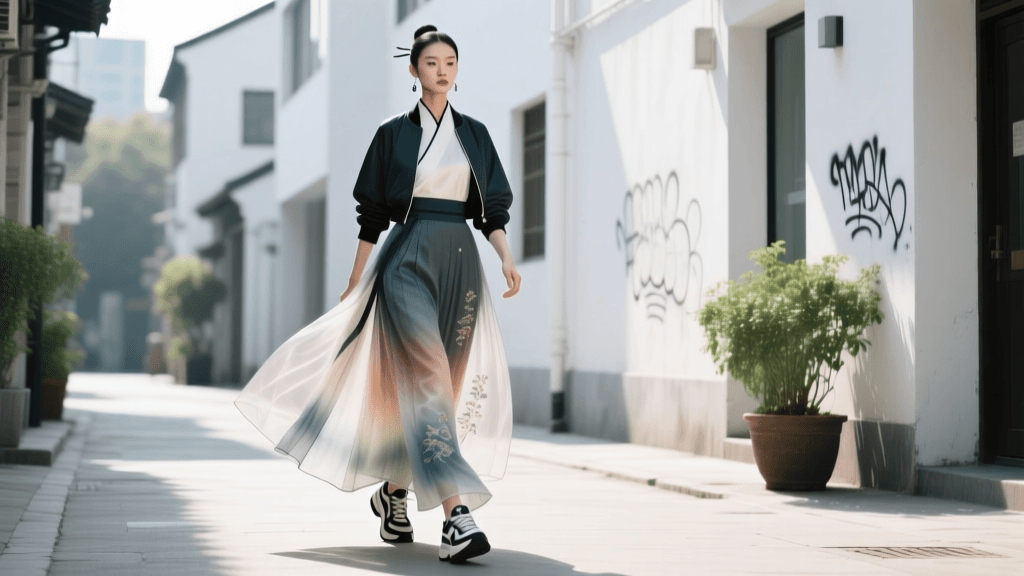
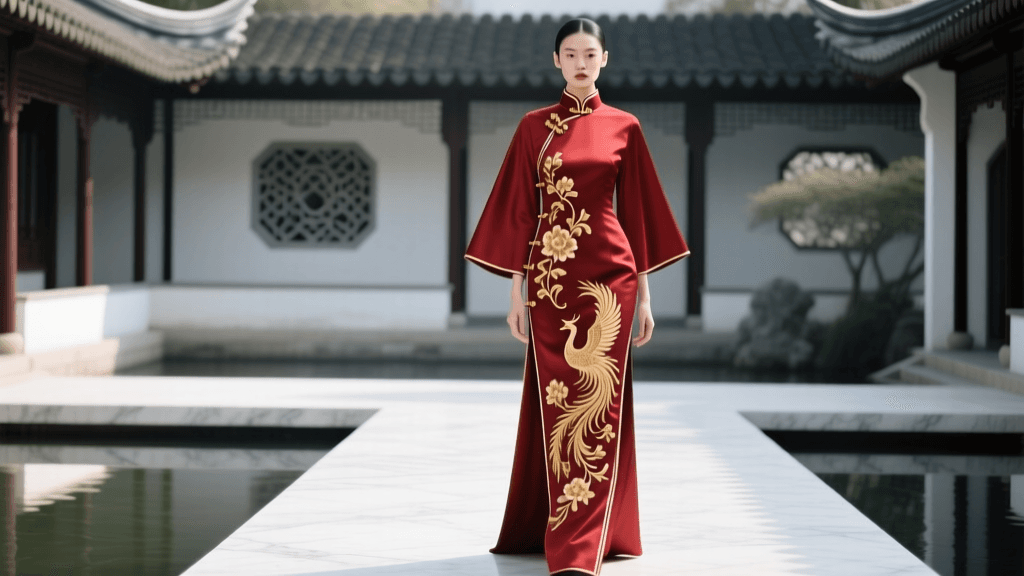
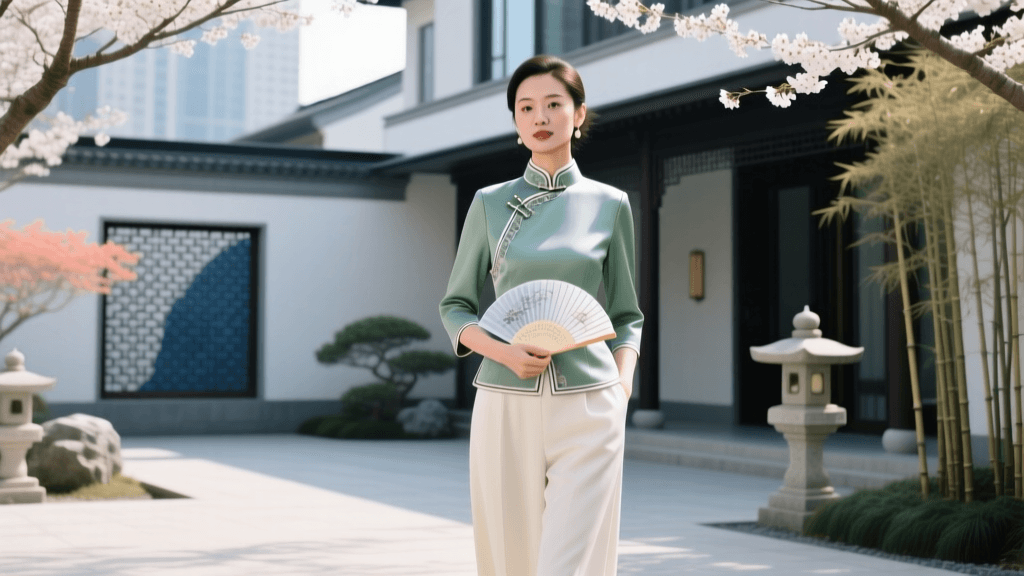
Recreating Chinese TV Drama Hanfu: A Styling Guide
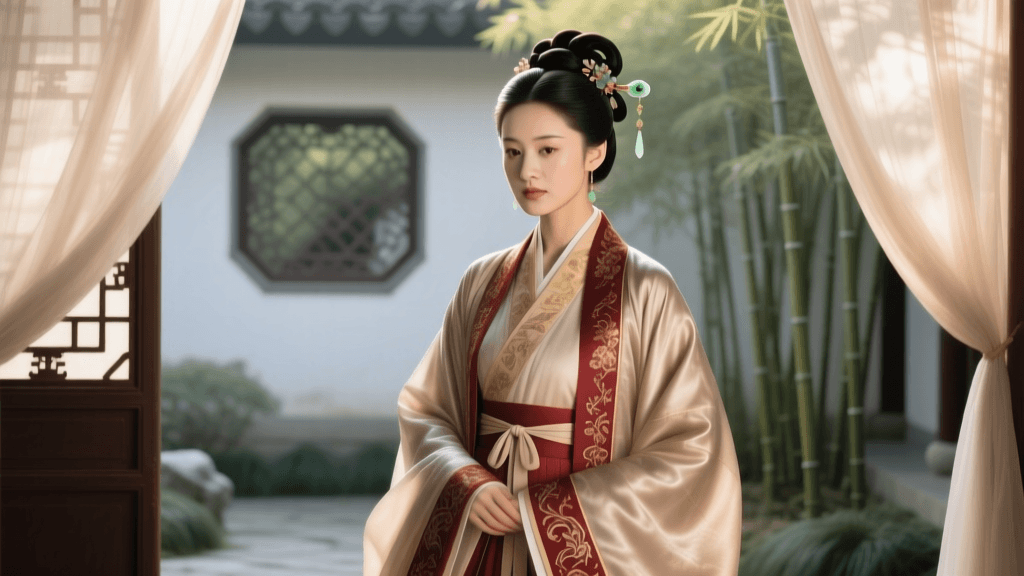
The Screen-to-Street Pipeline: How TV Dramas Shape Hanfu Trends
The intersection of historical Chinese television dramas and modern fashion has birthed a unique sartorial phenomenon. Blockbuster series such as The Longest Day in Chang'an, Nirvana in Fire, and A Dream of Splendor have done more than entertain; they have served as massive cultural catalysts for the Hanfu movement. According to BBC Culture's exploration of the modern Hanfu movement, the desire to emulate the breathtaking, meticulously researched costumes seen on screen has driven a multi-billion-dollar industry, transforming ancient garments into everyday streetwear and high fashion.
For enthusiasts and newcomers alike, recreating these cinematic looks requires more than just buying a costume. It demands an understanding of historical silhouettes, fabric behavior, and precise tailoring. The Metropolitan Museum of Art's landmark exhibition, China: Through the Looking Glass, highlighted how cinematic interpretations of Chinese dress often blend historical reality with artistic fantasy. To bridge the gap between screen magic and wearable reality, this guide provides actionable advice on sourcing, sizing, and styling drama-inspired Hanfu.
Dynasty Breakdown: Signature Drama Garments
Different television dramas focus on specific historical eras, each with distinct silhouettes, color palettes, and garment structures. Below is a comparison chart of the most popular dynasty aesthetics seen in modern dramas, along with practical buying advice.
| Dynasty (Drama Example) | Signature Garment | Key Features & Drape | Estimated Cost (USD) | Styling & Sizing Tip |
|---|---|---|---|---|
| Tang (The Longest Day in Chang'an) | Qixiong Ruqun (Chest-high skirt) & Banbi (Half-sleeve) | High-waisted, voluminous, bold colors, sheer shawls (Pibo). | $60 - $150 | Add 10cm to bust measurement for the skirt tie to prevent slipping. Use anti-slip silicone strips inside the waistband. |
| Song (A Dream of Splendor) | Beizi (Long outer jacket) & Baizhequn (Pleated skirt) | Slim, elegant, understated, narrow sleeves, pearl accessories. | $80 - $200 | Opt for cotton-linen blends for daily wear. The Beizi should fall just below the knee or to the mid-calf for accurate proportions. |
| Ming (Story of Yanxi Palace - early eras / Under the Microscope) | Mamianqun (Horse-face skirt) & Aoqun (Lined jacket) | Structured, heavy brocade, standing collars, intricate weaving. | $120 - $400+ | Measure waist precisely and add 4-6cm for pleat overlap. Ensure the skirt length is 5-10cm above the ground to avoid tripping. |
| Wei/Jin (Nirvana in Fire) | Jiaoling Youren (Cross-collar) & Wide-sleeve robes | Flowing, ethereal, layered, earthy tones, wuxia aesthetic. | $70 - $180 | Sleeves should extend past the fingertips by at least 15cm to achieve the dramatic 'wind-blown' cinematic effect. |
Sourcing Screen-Accurate Hanfu: Budget vs. Replica
When shopping for drama-inspired Hanfu, buyers generally fall into two categories: those seeking budget-friendly daily wear and those hunting for screen-accurate, museum-grade replicas. Platforms like Taobao and Tmall are the primary sources, but navigating them requires specific search strategies.
Entry-Level & Daily Wear ($40 - $100)
For fans who want the look of a Tang dynasty princess or a Song dynasty scholar without the heavy investment, brands like Shisan Yu and Liyun offer mass-produced, durable sets. These are often made from polyester or cotton blends. Actionable Tip: Search using terms like 'Tang Qixiong Ruqun daily wear' or 'Song Beizi improved Hanfu'. These 'improved' (gailiang) versions often include hidden zippers, elastic waistbands, and shorter sleeves, making them practical for modern commutes while retaining the cinematic color palettes.
Screen-Accurate & Museum Replicas ($200 - $800+)
Top-tier studios like Ming Huatang and Zhongling specialize in historical accuracy. They utilize traditional weaving techniques, such as Zhuanghua (brocade) and Kesi (silk tapestry), to recreate garments that look identical to those worn by nobility in high-budget historical dramas. Timing & Cost: Be prepared for long wait times. Pre-ordering a custom-woven Mamianqun from Ming Huatang can take anywhere from 3 to 6 months due to the meticulous loom setup required. According to Sixth Tone's coverage on the cultural depth of the Hanfu movement, these high-end studios often collaborate directly with textile museums to ensure pattern accuracy, making their pieces wearable investments rather than mere costumes.
Sizing, Measurements, and Tailoring for Cinematic Drape
The most common mistake newcomers make is buying Hanfu using standard Western sizing (S, M, L). Traditional Chinese garments rely on flat-pattern cutting, meaning the fabric is not darted or tailored to hug the body's curves. Instead, the drape is created through wrapping, tying, and layering. To achieve that effortless, cinematic flow, precise measurements are non-negotiable.
Essential Measurements to Take
- Bust/Chest: Measure around the fullest part. For cross-collar tops (Jiaoling Youren), add 8-12 cm of ease. If the garment is too tight, the collar will gape open, ruining the historical silhouette.
- Waist: Measure at your natural waist (for Song/Tang styles) or where you intend the skirt to sit. For Ming dynasty horse-face skirts, the waist measurement must include a 4-6 cm overlap to ensure the front and back pleats do not split open when walking.
- Arm Span (Sleeve Length): Measure from the center back of your neck, across your shoulder, down to your wrist. Drama costumes often feature 'Huihu' (returning) sleeves, which are long enough to cover the hands and fold back at the wrist. Add 15-20 cm to your standard arm span for this dramatic effect.
- Height (Skirt Length): Measure from your waist to your ankle bone. Subtract 5 cm to ensure the skirt hovers just above the ground, preventing hem damage while maintaining the illusion of length.
Fabric Selection: Achieving the Wuxia vs. Palace Aesthetic
The fabric you choose dictates how the garment moves on camera and in real life. Television costume designers manipulate textiles to convey character traits, and you can do the same.
The Wuxia (Martial Arts) Aesthetic
Characters in wuxia dramas wear garments that billow dramatically during action sequences. To replicate this, avoid heavy silks and stiff brocades. Instead, look for Chiffon, Georgette, and lightweight Cotton-Linen blends. These fabrics catch the wind easily. When purchasing a Pibo (shawl) to complete a Tang or Wei-Jin look, opt for pure silk organza; it holds its shape when draped over the arms but remains light enough to flutter in a breeze.
The Palace & Court Aesthetic
For the opulent, structured looks seen in court dramas, weight and texture are paramount. Silk Brocade, Velvet, and heavy Jacquard weaves are essential. A Ming dynasty Ao (lined jacket) requires a stiff, heavyweight fabric to support the standing collar (Liling) and the intricate metal buttons. If you are on a budget but want the palace look, high-density polyester jacquard can mimic the sheen and stiffness of silk brocade at a fraction of the cost, though it lacks the breathability of natural fibers.
Accessorizing the Drama Look
No TV drama costume is complete without meticulous hair and jewelry styling. Modern Hanfu enthusiasts often use 'Guan' (crowns) and 'Zan' (hairpins) to elevate their outfits.
- Hairpieces: Invest in a high-quality, matte-finish wig pad or a pre-styled claw clip that mimics the elaborate updos of the Tang and Song dynasties. Avoid overly shiny, synthetic-looking hairpieces, as they ruin the cinematic illusion in daylight.
- Metals & Pearls: For Song dynasty aesthetics, pearl-encrusted hairpins and minimalist silver crowns are historically accurate and highly elegant. For Ming dynasty looks, seek out gold-plated filigree (Diancui style) hairpins featuring kingfisher blue enamel or jade inlays.
- Footwear: While traditional cloth boots (Yunxie) with cloud motifs are screen-accurate, they lack modern arch support. Many enthusiasts compromise by wearing embroidered Mary Janes or velvet slip-on shoes with a slight wedge, which provide the necessary height to carry heavy skirts without sacrificing comfort.
Conclusion
Recreating the breathtaking fashion of Chinese TV dramas is a rewarding journey into textile history and personal styling. By understanding the distinct silhouettes of different dynasties, investing in the correct fabrics, and adhering to traditional flat-pattern sizing, you can transform cinematic fantasy into a stunning, wearable reality. Whether you are channeling the ethereal grace of a Wei-Jin scholar or the opulent authority of a Ming noble, the key lies in respecting the garment's structure while adapting it to your modern lifestyle.