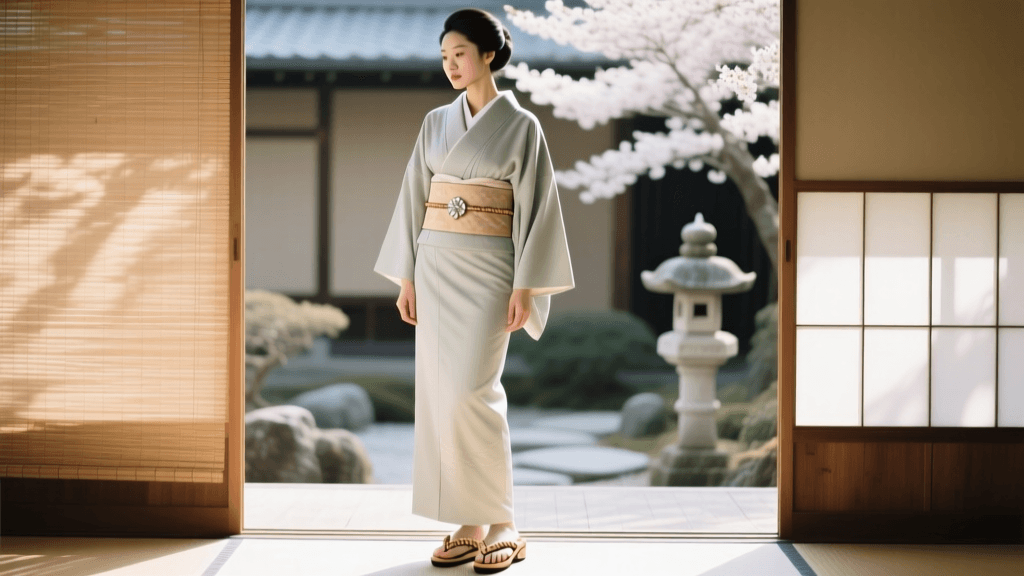
Mastering Kimono Footwear and Obi Accessories Guide
The Art of Kitsuke: Beyond the Kimono
The art of kitsuke (the wearing of the kimono) is a meticulous practice that extends far beyond the primary garment itself. While the kimono serves as the foundational canvas, it is the careful selection and coordination of footwear and obi accessories that ultimately dictate the formality, seasonal appropriateness, and aesthetic harmony of the ensemble. According to the Metropolitan Museum of Art, the evolution of the kimono and its accompanying accessories reflects centuries of shifting social codes, sumptuary laws, and artistic movements in Japan. To truly master traditional Japanese dress, one must understand the nuanced rules governing zori, geta, obijime, obiage, and obidome.
Footwear Fundamentals: Zori vs. Geta
Japanese traditional footwear is broadly categorized into two main types: zori and geta. Understanding the distinction between the two is critical for adhering to formality guidelines.
Zori: The Formal Standard
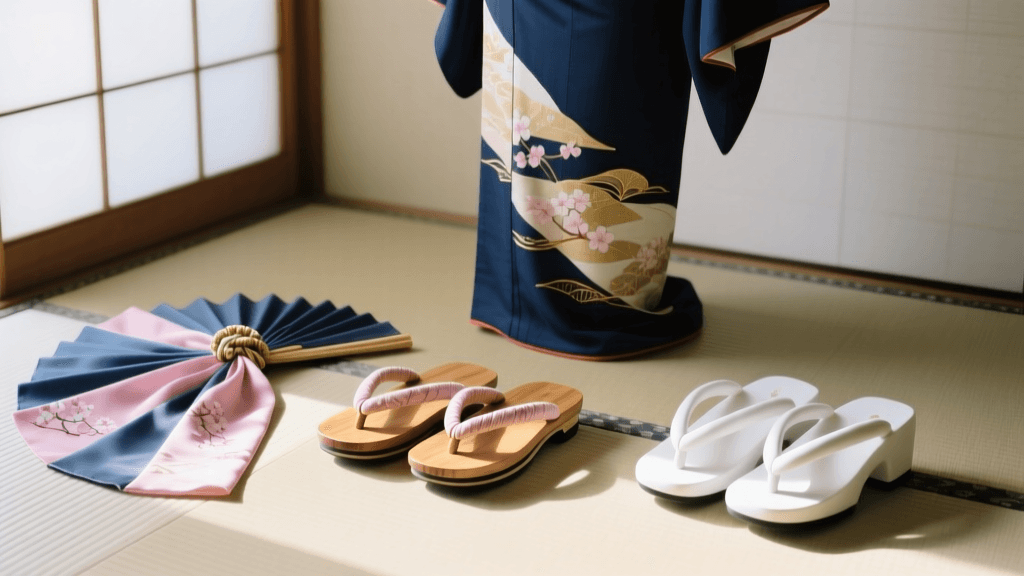
Zori are flat, oval-shaped sandals that serve as the standard footwear for formal and semi-formal kimono ensembles. They are constructed from a variety of materials, including vinyl, leather, brocade, and woven tatami. For highly formal occasions, such as weddings or tea ceremonies, women typically wear zori covered in gold or silver brocade, or pristine white vinyl, paired with a formal fukuro obi. Men’s formal zori are generally more subdued, often featuring dark, woven tatami or leather surfaces. The base of a woman's formal zori is usually thicker at the heel than at the toe, providing a subtle elevation that helps the kimono hem drape elegantly.
Geta: Casual Elegance and Elevation
Geta are wooden sandals characterized by their elevated 'teeth' (known as ha) on the underside. They are strictly reserved for casual or semi-casual wear, typically paired with yukata, komon, or tsumugi kimono. The most common wood used for geta is paulownia (kiri), prized for its lightweight nature and beautiful grain. Geta can be left raw, lacquered, or covered in velvet for winter wear. The distinctive clacking sound of geta on pavement is a nostalgic hallmark of Japanese summer festivals. As noted by Encyclopædia Britannica, the structural elements of traditional Japanese garments and their accessories were heavily influenced by practical needs, such as keeping hems clean from muddy streets, which explains the elevated design of the geta.
The Golden Rule of Japanese Footwear Sizing
One of the most common mistakes made by newcomers to kitsuke is purchasing zori or geta that fit like Western shoes. In traditional Japanese styling, footwear should actually be slightly smaller than the wearer's foot. The ideal fit allows the heel to overhang the back edge of the sandal by approximately 1 to 2 centimeters. This intentional overhang prevents the wearer from stepping on the back of their own kimono hem while walking, which can cause tripping and damage to the delicate fabric. When measuring for zori, subtract 1 cm from your exact foot length to find your ideal Japanese footwear size.
Hanao: The Thong Strap
The hanao is the Y-shaped thong strap that secures the foot to the sandal. For formal zori, the hanao is usually thin and made of velvet or brocade, matching the color of the sandal base. For casual geta, the hanao is thicker and often made of cotton or synthetic blends in contrasting colors. A crucial aspect of geta maintenance is that the hanao can be easily replaced when worn out or when you wish to change the color palette of your footwear to match a different yukata.
Obi Accessories: The Finishing Touches
The obi is the wide sash that secures the kimono, but it requires a specific set of accessories to be tied correctly and styled beautifully.
Obijime: The Anchoring Cord
The obijime is a decorative cord tied over the center of the obi to secure the knot. Beyond its functional purpose, it acts as a vital visual accent. Obijime come in two primary shapes: marugumi (round) and hiragumi (flat). Round cords are generally more formal. The standard length for a marugumi obijime is about 150 centimeters. For formal wear, obijime often feature woven gold or silver threads. For casual wear, solid colors or braided cotton cords are preferred. The most common knot used to tie the obijime is the Shippou (seven treasures) knot, which lies flat and presents a symmetrical, elegant facade.
Obiage: The Decorative Sash
The obiage is a long, narrow piece of fabric (typically measuring 30 cm by 130 cm) that is wrapped around the top of the obi pad and peeks out just above the obi itself. It serves to hide the structural components of the obi knot while adding a pop of color. Formal obiage are made from rinzu (satin damask) or smooth silk crepe, often featuring dyed or woven patterns like cranes or pine trees. Casual obiage are usually made from chirimen (textured crepe). In the summer, sheer ro or sha gauze fabrics are mandatory to convey a sense of coolness.
Obidome: The Focal Point Clasp
The obidome is a small, decorative clasp or bead threaded onto a thinner obijime (usually a sanbu-himo, which is about 3mm thick). Obidome are highly collectible and can be crafted from coral, jade, cloisonne, or carved wood. They are generally reserved for semi-casual to casual ensembles, such as tsukesage or komon kimono, and are rarely worn with highly formal garments like kurotomesode.
Formality and Seasonality Matrix
Coordinating these elements requires an understanding of both formality and seasonality. Use the following matrix as a quick reference guide when planning your kitsuke:
| Kimono Type | Formality Level | Footwear Choice | Obijime Style | Obiage Fabric |
|---|---|---|---|---|
| Kurotomesode / Furisode | Highly Formal | Brocade / Gold Zori | Marugumi with Gold/Silver | Rinzu (Satin Damask) |
| Houmongi / Tsukesage | Semi-Formal | Leather / Vinyl Zori | Marugumi or Hiragumi | Chirimen (Crepe) |
| Komon / Tsumugi | Casual | Lacquered Geta / Tatami Zori | Cotton / Braided / Sanbu-himo | Cotton / Chirimen |
| Yukata | Summer Casual | Raw Wood Geta | Thin Cotton / Sanbu-himo | Ro / Sha (Gauze) |
Practical Buying Guide: Costs and Sourcing
Sourcing authentic kimono accessories can be an adventure in itself. For those outside of Japan, online exporters and specialized vintage dealers are the best resources. When building your collection, consider the following cost estimates and sourcing strategies:
- Zori and Geta: New, high-quality formal zori can cost between $100 and $300. Vintage zori in excellent condition can be found for $30 to $80. Always check the condition of the vinyl for cracking and ensure the hanao is firmly attached.
- Obijime: Vintage silk obijime are remarkably affordable, often ranging from $10 to $25. New, hand-braided artisan cords from Kyoto can exceed $150.
- Obiage: Expect to pay $15 to $40 for vintage silk obiage. When buying vintage, inspect the fabric for permanent creases or discoloration, as obiage are tightly folded and stored for long periods.
- Obidome: Prices vary wildly based on material. Carved wooden or resin obidome can be found for $10, while antique jade or cloisonne pieces can cost upwards of $200.
When shopping at Japanese 'recycle shops' (secondhand kimono stores) online, look for sellers who provide measurements in centimeters and clear photos of any flaws (shimi or stains).
Care, Maintenance, and Storage
Proper maintenance of your accessories ensures their longevity. Zori and geta should be stored in a cool, dry place away from direct sunlight, which can yellow vinyl and fade fabric. To maintain the shape of the hanao and prevent the straps from flattening, insert rolled-up acid-free tissue paper or specialized foam inserts into the toe thong when storing them.
Obijime and obiage should be carefully folded and stored in tatou (traditional Japanese paper wrappers) or breathable cotton bags. Avoid storing silk accessories in plastic bins, as trapped moisture can lead to mildew. If your obiage develops deep storage creases, use a garment steamer on a low setting to gently relax the silk fibers, but never press a hot iron directly onto chirimen crepe, as the heat will flatten the textured weave permanently.
Conclusion
Mastering the accessories of the kimono is a lifelong journey of aesthetic discovery. By understanding the functional origins and formal rules governing zori, geta, obijime, and obiage, you elevate your kitsuke from simple dressing to a true expression of Japanese cultural heritage. Whether you are attending a formal tea ceremony or enjoying a casual summer festival, the right accessories will ensure your ensemble is both historically respectful and visually stunning.