Kimono Accessories Guide: Matching Zori, Obijime, and Obidome
The Art of Kimono Accessories: Beyond the Garment
When most people think of traditional Japanese clothing, the vibrant silk of the kimono immediately comes to mind. However, in the intricate world of kitsuke (the art of kimono dressing), the garment itself is merely the canvas. The true expression of formality, seasonality, and personal style is conveyed through the meticulous selection of kimono accessories. From the footwear that grounds the outfit to the delicate cords and brooches that secure the obi, every element is governed by centuries of aesthetic rules and cultural significance.
As highlighted by the Victoria and Albert Museum's 'Kimono: Kyoto to Catwalk' exhibition, the evolution of these accessories reflects Japan's broader socio-cultural shifts, transitioning from strict Edo-period sumptuary laws to the expressive, individualized fashion of the modern era. Whether you are a vintage collector, a practitioner of the tea ceremony, or a kimono enthusiast planning a destination event, understanding how to coordinate zori, obijime, and obidome is essential for authentic and respectful styling.
Zori and Tabi: The Foundation of Kimono Footwear
Unlike Western footwear, which is often chosen purely for comfort or broad stylistic matching, Japanese kimono footwear is strictly categorized by material, heel height, and the formality of the event. The Metropolitan Museum of Art's Asian Art Department frequently showcases historical examples of these accessories, noting how the craftsmanship of the hanao (straps) and the dai (base) denotes the wearer's status and the occasion's gravity.
Anatomy and Types of Zori
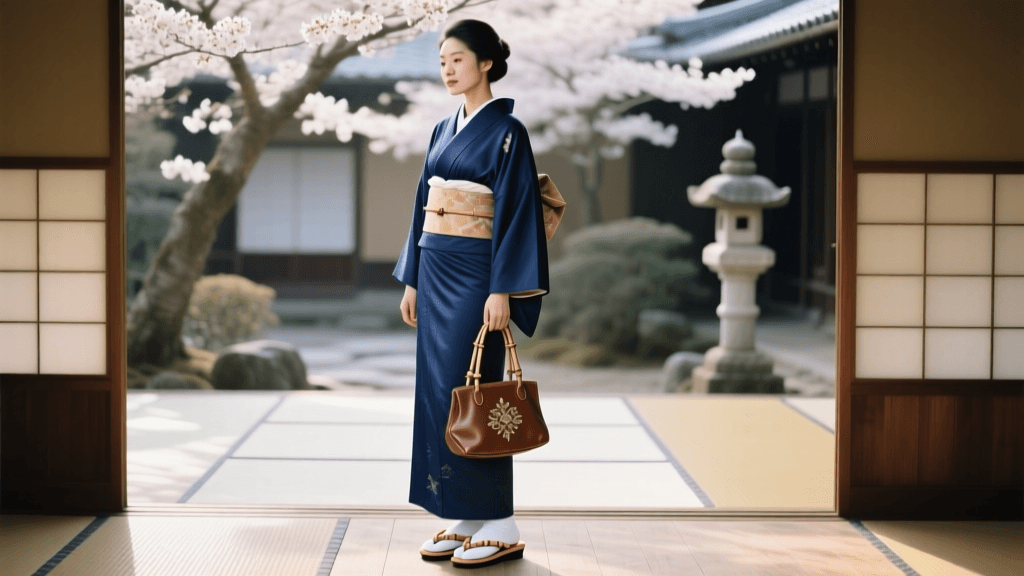
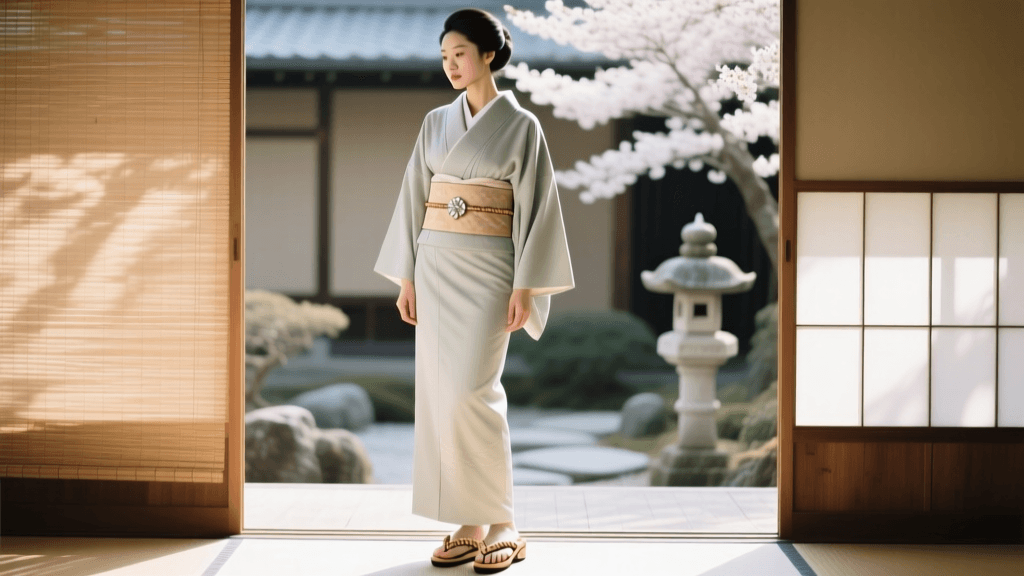
The zori is a flat, slip-on sandal that serves as the primary formal footwear for kimono. It consists of the dai (the base or sole), the kake (the covering of the base), and the hanao (the V-shaped thong straps). Choosing the right zori requires attention to three main factors:
- Material: For the highest formalities (such as weddings), zori are covered in luxurious gold or silver brocade. For semi-formal events, dyed silk or leather is appropriate. Vinyl and woven straw are reserved for casual wear or rainy weather.
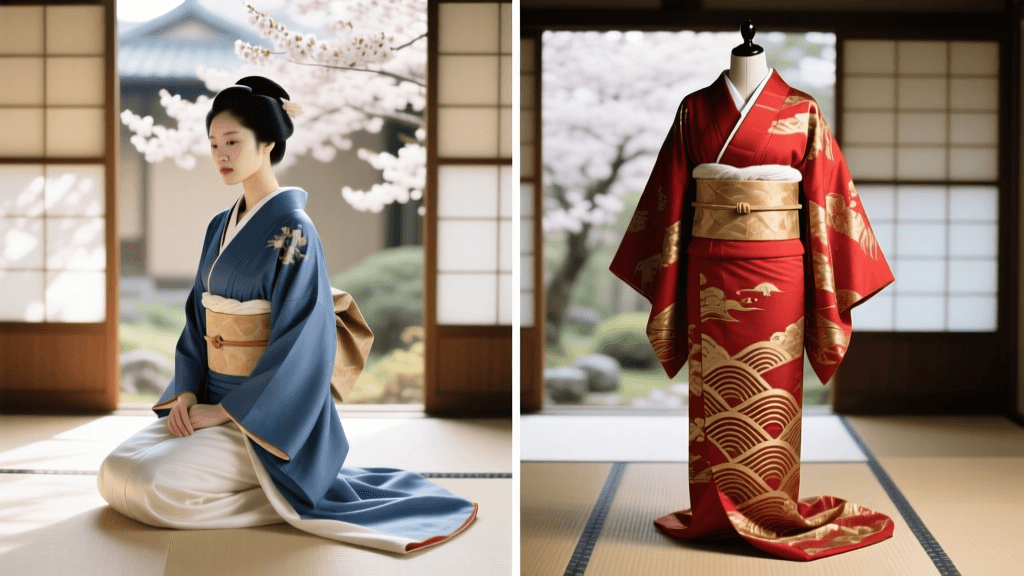
- Heel Height: Zori heels range from flat to over 10 centimeters. Lower profiles (3-4 cm) are practical for walking and casual outings, while higher heels (7-10 cm) are worn with trailing hemlines of formal garments like the furisode or uchikake to keep the fabric off the ground.
- Hanao Color: The straps should generally coordinate with the zori base or the obi. Red hanao are traditional for young, unmarried women, while white, gold, or black are preferred for mature women and high-formality events.
Tabi: The Essential Split-Toe Sock
Zori are never worn barefoot; they are paired with tabi, the traditional split-toe socks. For all formal and semi-formal occasions, pure white tabi made of silk or high-quality tetron are mandatory. Colored or patterned tabi are strictly for casual wear. Black tabi are sometimes worn by men or by women in specific winter contexts, but white remains the universal standard for elegance and respect.
Obijime and Obidome: Securing and Adorning the Obi
The obi is the focal point of the kimono silhouette, but it requires structural support and decorative finishing. This is where the obijime and obidome come into play, serving both functional and highly decorative purposes.
Obijime: The Decorative Cord
The obijime is a braided cord tied over the obi knot. Its primary historical function was to secure the complex folds of the taiko musubi (drum knot) and hold the obimakura (obi pillow) in place. Today, it is a vital color-blocking accessory.
- Round (Marugumi): The most common and versatile style, suitable for almost all occasions except the absolute highest formalities (like a bride's ensemble).
- Flat (Hiragumi): Wider and flatter, often woven with intricate patterns. Flat obijime are generally considered slightly more formal and are favored for tea ceremonies and visits to shrines.
- Seasonal Textures: In summer, translucent or loosely woven obijime made from hemp or thin silk are used to convey coolness. In winter, thicker, tightly braided silk or even velvet cords provide a visual sense of warmth.
Obidome: The Brooch of the Obi
The obidome is a small, decorative brooch or bead through which the obijime is threaded. It rests at the center front of the obi knot. Historically, obidome evolved from repurposed kanzashi (hairpins) and samurai sword fittings. Today, they are highly collectible artisan pieces crafted from cloisonné, coral, jade, carved wood, or precious metals.
Styling Rule: While obidome add a beautiful personal touch, they are traditionally considered semi-formal to casual accessories. They are generally not worn with the highest formal garments like the kurotomesode (black crested kimono), where the obijime alone should provide the finishing touch. However, modern fashion rules are increasingly flexible, allowing tasteful obidome with houmongi and komon.
Coordination Guide: Matching Accessories by Formality
Understanding how to pair these accessories with specific kimono types is the hallmark of an experienced dresser. The following table provides a structured guide to matching zori, tabi, obijime, and obidome based on the formality of the kimono.
| Kimono Type | Formality Level | Zori Material & Color | Tabi Color | Obijime Style | Obidome Usage |
|---|---|---|---|---|---|
| Kurotomesode | Highest Formal (Married) | Gold/Silver Brocade | White Silk | Flat, Gold/Silver/White | No (Too casual) |
| Furisode | Highest Formal (Unmarried) | Brocade or Silk, High Heel | White Silk | Round, Vibrant Colors | Rarely (Optional) |
| Houmongi | Semi-Formal / Visiting | Silk or Leather, Mid Heel | White Tetron/Silk | Round or Flat, Coordinated | Yes (Elegant/Classic) |
| Komon | Casual / Everyday | Vinyl, Straw, or Fabric | White or Patterned | Round, Playful Colors | Yes (Creative/Modern) |
| Yukata | Summer Casual | Geta (Wood) or Barefoot | Barefoot or Patterned | Thin Cotton/Hemp Cord | Yes (Glass/Beaded) |
Seasonal Rules (Kisetsukan) in Accessory Styling
Japanese traditional arts are deeply intertwined with the seasons, a concept known as kisetsukan. This extends far beyond the motifs on the kimono fabric and deeply influences accessory choices. According to cultural guides provided by the Japan National Tourism Organization (JNTO), respecting the seasons is a fundamental aspect of experiencing and participating in Japanese heritage.
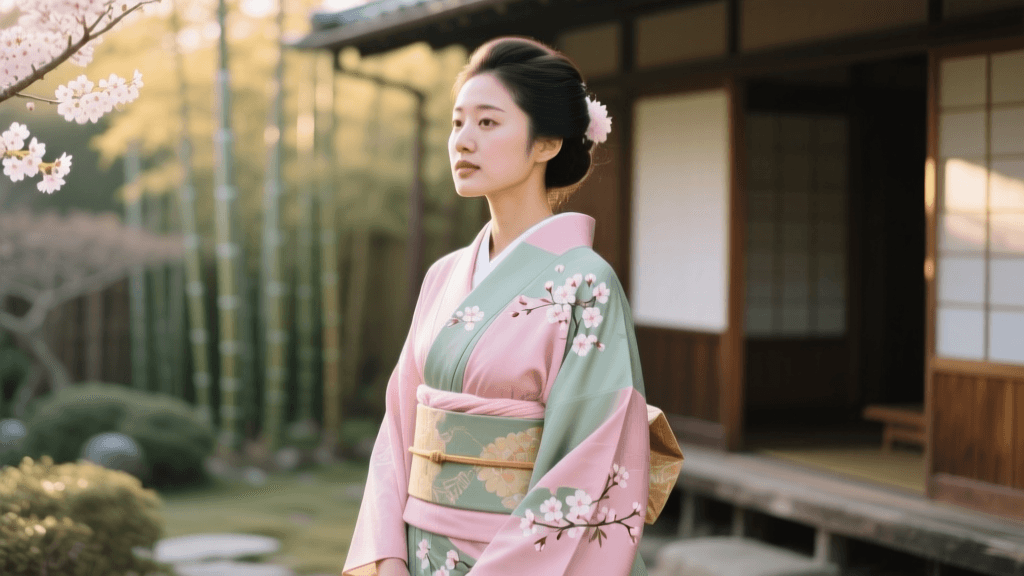
- Spring (March - May): Accessories feature pastel tones, cherry blossom motifs, and soft, matte textures. Obidome shaped like blooming flowers or butterflies are highly popular.
- Summer (June - August): The focus is on conveying coolness (ryō). Obijime are made of translucent materials like ro or sha silk. Obidome are often crafted from cool materials like glass, agate, or carved bamboo. Zori may feature woven rattan or igusa (rush grass) bases.
- Autumn (September - November): Rich, earthy tones like rust, mustard, and deep burgundy dominate. Obidome might feature motifs of maple leaves, chrysanthemums, or harvest moons. Textures become heavier and more opaque.
- Winter (December - February): Deep, jewel tones and stark contrasts (like white and black) are preferred. Thicker, plush obijime are used, and obidome may feature winter motifs like camellias, pine, or plum blossoms.
Practical Tips for Purchasing, Upcycling, and Care
Building a collection of kimono accessories can be an expensive endeavor, but the thriving vintage market and DIY upcycling communities offer accessible alternatives. Antique markets in Tokyo, such as the Oedo Antique Market, are treasure troves for vintage obidome and silk obijime at a fraction of the retail cost.
Caring for Your Zori
Zori, particularly those with brocade or silk coverings, are highly susceptible to humidity and mold. Always store them in a well-ventilated area, away from direct sunlight which can fade the dyes. Insert acid-free tissue paper into the hanao straps to help them retain their shape, and store the sandals in breathable cotton bags rather than plastic.
Upcycling and DIY Obidome
For the crafty enthusiast, creating custom obidome is a popular community-driven activity. Vintage brooches, old jewelry, or even polished sea glass can be converted into obidome by carefully removing the pin backing and adhering a specialized obidome loop (available at craft stores or online kimono suppliers) using strong jewelry epoxy. This allows for deeply personal, modern expressions within a traditional framework.
Conclusion
Mastering the coordination of zori, obijime, and obidome transforms the act of wearing a kimono from simply putting on clothes to participating in a living, breathing art form. By understanding the rules of formality, embracing seasonal aesthetics, and caring for these intricate pieces, you honor the artisans who crafted them and the rich cultural tapestry they represent. Whether you are stepping into a historic Kyoto tea house or attending a modern destination wedding, your accessories will speak volumes before you even say a word.