Decoding Kimono Motifs: Seasonal Colors and Symbolism
The Philosophy of Kisetsukan: Wearing Time Itself
In the realm of traditional Japanese clothing, a kimono is never merely a garment; it is a wearable canvas that reflects the natural world, cultural philosophy, and the passage of time. The concept of kisetsukan (seasonal feeling) dictates that the motifs, colors, and even the weave of the fabric must harmonize with the current season. According to the Victoria and Albert Museum's "Kimono: Kyoto to Catwalk" exhibition, the Japanese sartorial tradition is unique in its strict adherence to anticipating nature, rather than merely reacting to it. To wear a kimono correctly is to demonstrate an acute awareness of the ephemeral beauty of the world around you.
Understanding the color and motif symbolism of Japanese garments—from the formal silk kimono and flowing hakama to the casual cotton yukata and the vibrant dress of ethnic minorities like the Ainu and Ryukyuan peoples—requires a deep dive into Japan's botanical and cultural lexicon. This guide will decode these symbols and provide actionable advice for collectors, travelers, and enthusiasts looking to build an authentic, seasonally appropriate wardrobe.
Spring (Haru): Anticipating the Blossoms
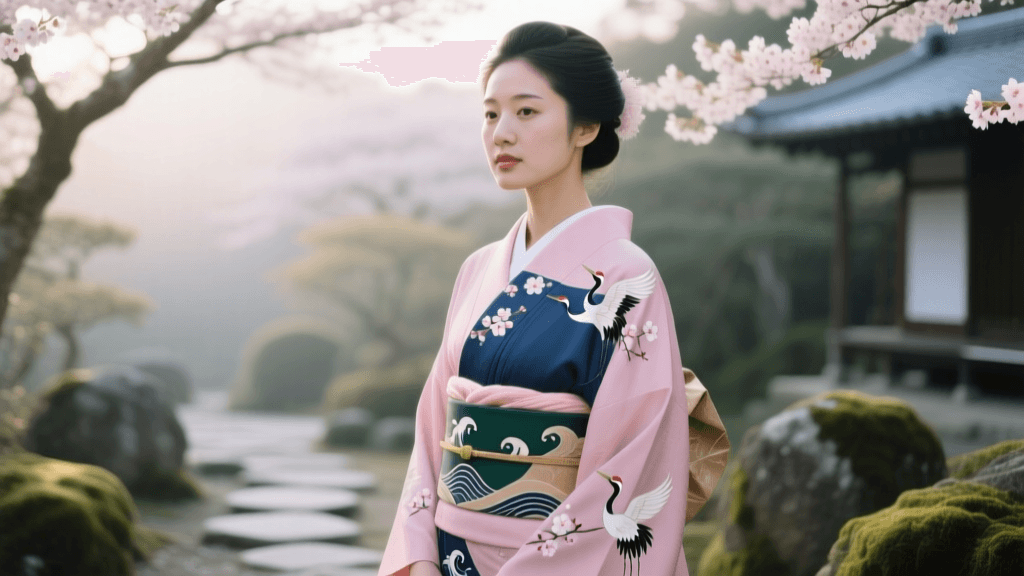
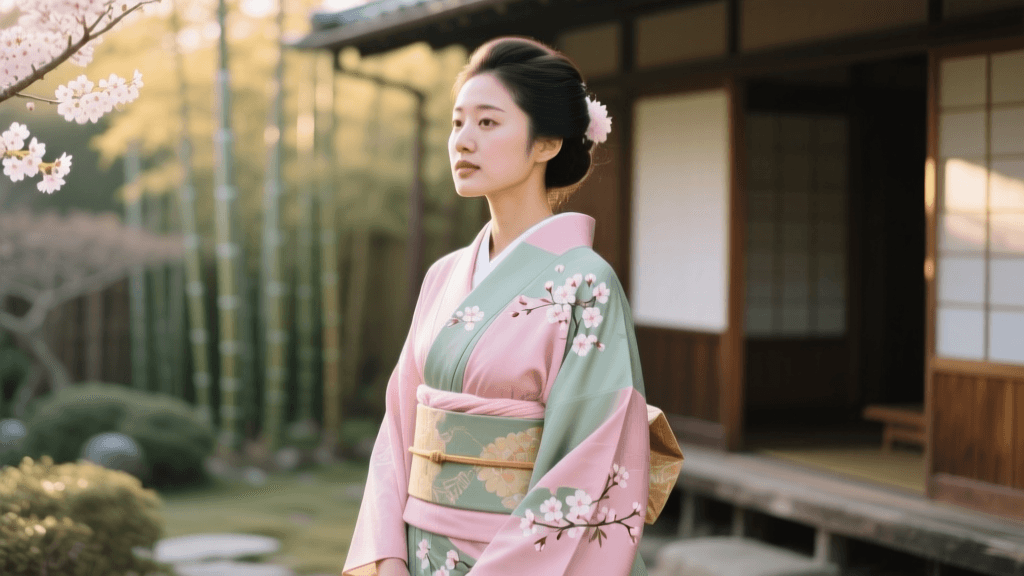
Spring in Japan is synonymous with renewal, and the motifs reflect this explosive return to life. The most iconic motif is the sakura (cherry blossom), often paired with ume (plum blossom) and fuji (wisteria).
Color Palette: Pastel pinks (sakura-iro), light yellows (nanohana-iro or rapeseed yellow), and fresh greens (wakakusa-iro or young grass green).
Actionable Advice & Timing: The golden rule of kisetsukan is to wear seasonal motifs slightly before they bloom in nature, never after they have fallen. Wearing falling cherry blossoms is considered melancholic and a sign of bad luck. Begin wearing sakura motifs in late February and transition to wisteria and iris by mid-April. For formal spring events like Seijin Shiki (Coming of Age Day), young women wear the furisode (long-sleeved kimono) featuring lavish Yuzen dyed spring motifs. If you are renting a furisode in Kyoto or Tokyo for the day, expect to pay between 10,000 and 20,000 JPY ($70–$140 USD), which usually includes professional dressing services.
Summer (Natsu): Cooling the Senses through Textiles
Japanese summers are notoriously hot and humid. Therefore, summer motifs are designed to provide psychological cooling. You will frequently see seigaiha (blue ocean waves), asagao (morning glory), ayu (sweetfish), and uchiwa (round fans).
Color Palette: Indigo (ai-iro), cool whites, pale blues, and translucent greens.
Textiles & Actionable Advice: Formal summer kimonos are woven from ro and sha—leno-weave silks with intentional gaps that allow air to circulate. For casual wear, the cotton yukata is the standard. When shopping for vintage yukata in Tokyo's Asakusa district or at local mottainai (anti-waste) markets, you can find beautiful, pre-loved cotton yukata for 3,000 to 8,000 JPY ($20–$55 USD). Ensure you pair your yukata with a breathable hemp or cotton obi, and wear geta (wooden sandals) to keep your feet cool and elevated from the hot pavement.
Autumn (Aki): The Melancholy of Falling Leaves
Autumn motifs celebrate the harvest and the poignant beauty of decay. The momiji (maple leaf) is the undisputed king of autumn motifs, often depicted floating down a stylized river. Other common motifs include kiku (chrysanthemum), susuki (pampas grass), and tsuki (the harvest moon).
Color Palette: Crimson (kouyou-iro), burnt orange, gold, deep browns, and muted purples.
Actionable Advice: Chrysanthemums are unique because they are considered auspicious year-round, but they peak in autumn. A silk kimono featuring a chrysanthemum and pine motif is an excellent investment piece for a foreign collector, as it can be worn in both autumn and winter. When buying modern, bespoke silk kimono from department stores like Mitsukoshi, expect starting prices around 200,000 JPY ($1,350 USD), excluding the obi and accessories.
Winter (Fuyu): Resilience in the Snow
Winter motifs focus on endurance, purity, and the promise of spring beneath the frost. The yukiwa (snow crystal) is a geometric, stylized snowflake often used on formal garments. Botanical motifs include tsubaki (camellia), matsu (pine), and take (bamboo).
Color Palette: Stark whites, deep blacks, rich crimsons, and navy blues.
Textiles & Actionable Advice: Winter calls for chirimen (crepe silk) or heavily lined awase kimono to provide physical warmth. A black kurotomesode (the most formal kimono for married women) featuring a winter pine and crane motif at the hem is essential for winter weddings.
Ethnic Minority Traditions: Ryukyuan Bingata and Ainu Attush
The Japanese archipelago is home to distinct indigenous cultures with their own rich textile traditions that diverge from mainland Japanese symbolism.
Ryukyuan Bingata (Okinawa)
Originating in the Ryukyu Kingdom, Bingata is a resist-dyeing technique characterized by explosive, vibrant colors and tropical motifs. Unlike the subtle seasonal shifts of mainland Japan, Bingata features hibiscus, tropical fish, dragons, and clouds. The dominant colors are vibrant yellow (historically derived from turmeric and reserved for royalty), cinnabar red, and indigo. Today, a hand-dyed Bingata obi or scarf makes a striking, culturally rich accessory that pairs beautifully with a solid-colored mainland kimono.
Ainu Attush (Hokkaido)
The indigenous Ainu people of northern Japan traditionally wove garments called Attush from the inner bark fibers of the elm tree. The motifs are deeply spiritual and geometric. The moreu (swirl) and aiushi (thorn-like patterns) are embroidered or appliquéd onto the hems and cuffs. These patterns are not merely decorative; they serve as talismans to ward off evil spirits from entering the body through the garment's openings. The colors are largely natural earthy browns, accented with trade-cloth indigo and red.
Practical Guide: Building Your Seasonal Kimono Wardrobe
For collectors and wearers, navigating the seasonal rules can be daunting. Below is a structured guide to help you curate a versatile wardrobe.
| Season | Key Motifs | Dominant Colors | Fabric Recommendation | Avg. Vintage Cost (USD) |
|---|---|---|---|---|
| Spring | Sakura, Ume, Fuji, Butterflies | Pastel Pink, Light Green, Yellow | Silk Chirimen (Crepe) | $80 - $250 |
| Summer | Seigaiha, Asagao, Fireflies | Indigo, White, Pale Blue | Cotton (Yukata), Ro/Sha Silk | $25 - $120 |
| Autumn | Momiji, Kiku, Susuki | Crimson, Gold, Burnt Orange | Silk Rinzu (Figured Satin) | $90 - $300 |
| Winter | Yukiwa, Tsubaki, Pine, Bamboo | Black, Deep Red, White | Lined Silk (Awase), Wool | $100 - $400 |
Sizing, Timing, and Etiquette for the Modern Wearer
Sizing and Measurements: Traditional kimonos are cut from a single bolt of fabric called a tanmono. The standard width of a tanmono is 36 to 38 centimeters (about 14-15 inches). Because the garment is wrapped and folded, it can accommodate a range of body sizes, but the hip width should ideally be no more than 30 centimeters wider than the kimono's total circumference. When buying vintage, always ask for the yuki (sleeve-to-center-back) measurement; a standard modern yuki is around 64-66 cm, while vintage pieces often run shorter (60-62 cm).
The Timing Rule: As noted by the Kyoto City Official Tourism Guide on Kimono Culture, elegance lies in anticipation. Wear autumn leaves in late September, before the trees have fully turned. Put away your cherry blossoms the moment the real petals begin to fall. Wearing a motif out of season is considered a major faux pas in formal settings, though modern casual wear and tourist rentals are afforded much more leniency.
Auspicious Symbols for Celebrations
Beyond the seasons, certain motifs are strictly reserved for auspicious occasions like weddings, New Year (Oshougatsu), and tea ceremonies. The most prominent is the Shou-chiku-bai (Pine, Bamboo, and Plum). Pine represents longevity and endurance, bamboo represents resilience and flexibility, and plum represents perseverance and the first breath of spring. Together, they form the ultimate trio of good fortune.
Additionally, the tsuru (crane) and kame (turtle) are heavily featured on wedding shiromuku (pure white wedding kimono) and formal uchikake (outer robes). According to Japanese folklore, the crane lives for a thousand years and the turtle for ten thousand, making them the ultimate symbols of a long, prosperous marriage.
Conclusion
The traditional Japanese garment is a masterclass in semiotics and environmental harmony. Whether you are admiring the intricate Yuzen dyeing of a Kyoto artisan, the bold tropical hues of Okinawan Bingata, or the protective geometric embroidery of an Ainu Attush, you are reading a visual language that has been refined over centuries. By understanding the color palettes, motif symbolism, and the strict timing of kisetsukan, you do more than just wear a piece of clothing—you participate in a living, breathing dialogue with nature and history. For further historical context on the evolution of these garments, the Metropolitan Museum of Art's Heilbrunn Timeline of Art History offers an exceptional scholarly overview of Japanese dress and textile arts.