The Haori Revival: Styling Japanese Jackets for Streetwear
The intersection of traditional Japanese clothing and contemporary global streetwear has birthed some of the most innovative fashion movements of the 21st century. Among the various garments that have crossed over from historical necessity to modern sartorial statement, the haori jacket stands out as a masterclass in versatility, layering, and cultural resonance. Originally designed as a formal outerwear piece worn over the kimono, the haori has been enthusiastically adopted by the streetwear community. Its relaxed silhouette, striking textile patterns, and rich history make it a perfect canvas for modern urban styling. According to the Japan National Tourism Organization, traditional garments like the haori and kimono are experiencing a profound revival, not just as ceremonial wear, but as dynamic components of everyday fashion. This article explores the modern revival of the haori, providing actionable advice on sizing, styling, sourcing, and maintaining this iconic piece of Japanese outerwear for the contemporary streetwear wardrobe.
The Anatomy of the Haori
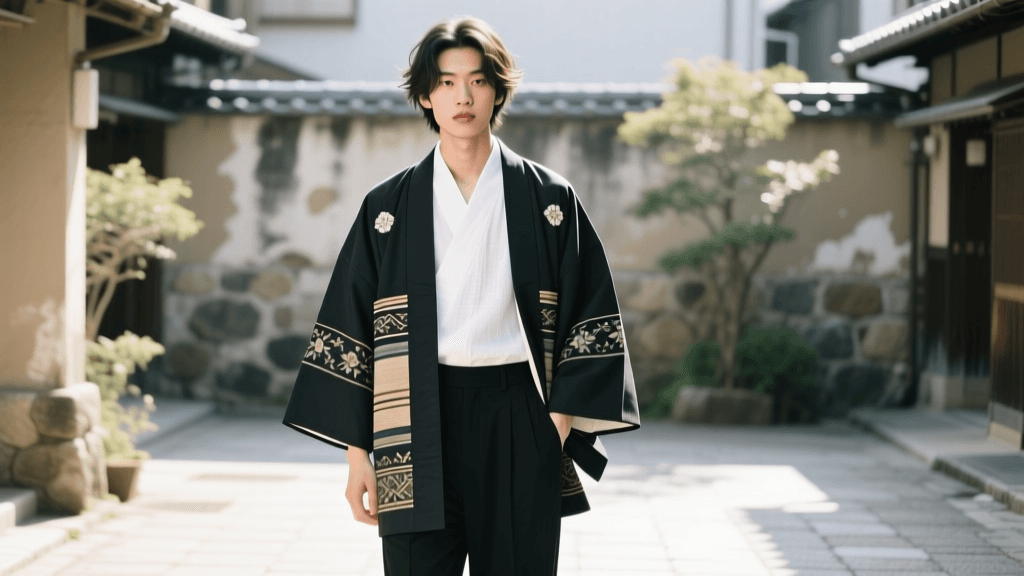
To properly integrate the haori into a modern wardrobe, one must first understand its unique construction. Unlike Western jackets that feature structured shoulders, lapels, and buttons, the haori is defined by its T-shaped, straight-line construction. It is typically hip-to-thigh length and is worn open at the front, secured only by a pair of decorative braided cords known as haori himo. The collar, or eri, is folded back to reveal the neck and the inner layers of clothing.
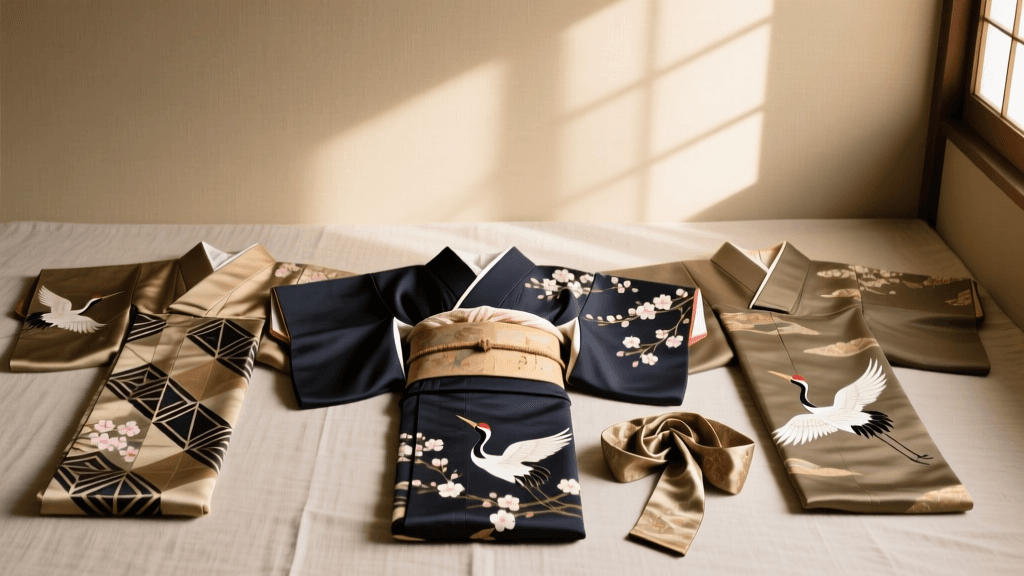
One of the most crucial elements of the haori—and a major reason for its popularity in streetwear—is the uragawa, or the inner lining. Historically, the outer fabric of a haori was often subdued due to strict sumptuary laws during the Edo period, which prohibited commoners from displaying overt wealth. In response, merchants commissioned breathtaking, hand-painted silk linings featuring elaborate landscapes, mythical creatures, and family crests. Today, this historical quirk translates perfectly into the streetwear ethos of hidden details and subtle flexing. When the wearer moves, the wind catches the haori, revealing a flash of vibrant, intricate art that contrasts with the minimalist exterior. The Metropolitan Museum of Art notes that this interplay between restrained exteriors and lavish interiors is a hallmark of Japanese aesthetic philosophy, a concept that resonates deeply with modern avant-garde and streetwear designers who prioritize texture and hidden construction details.
From Edo Merchants to Harajuku Streets
The transition of the haori from formal ceremonial wear to a staple of global streetwear did not happen overnight. In the post-war era, Western clothing largely replaced the kimono and haori in daily Japanese life. However, the late 1990s and early 2000s saw the rise of the Harajuku fashion scene, where youth subcultures began deconstructing and recombining vintage traditional garments with American military surplus, skatewear, and high fashion.
The haori’s natural drop-shoulder silhouette and wide, flowing sleeves (sode) aligned perfectly with the oversized, layered aesthetics championed by streetwear pioneers. Designers began pairing vintage silk haori with baggy denim, graphic hoodies, and chunky sneakers. This 'Neo-Japonism' movement treats the haori not as a costume, but as a functional, high-art outerwear piece comparable to a vintage bomber jacket or a high-end duster coat.
Sizing and Fit: A Practical Guide for Modern Layering
Sourcing vintage haori for streetwear requires a departure from standard Western sizing charts. Because traditional Japanese clothing is cut from single bolts of fabric (tanmono) without curved seams, the fit is inherently boxy and forgiving. However, achieving the right streetwear proportion requires attention to specific measurements.
- Take (Length): For a modern streetwear look, aim for a haori length between 80cm and 95cm (31 to 37 inches). This ensures the jacket hits at the mid-thigh, providing excellent coverage over longline t-shirts and hoodies without overwhelming your frame.
- Yuki (Sleeve Length): Measured from the center back of the neck to the wrist, a traditional yuki is usually around 60cm to 65cm. For a contemporary drop-shoulder aesthetic, look for larger vintage pieces with a yuki of 70cm to 75cm. The sleeves should drape past the wrist, creating a relaxed, slouchy silhouette.
- Sode-guchi (Sleeve Opening): The wrist opening on a haori is often quite narrow compared to the massive 'pigeon wing' sleeves of a formal kimono. Ensure the sode-guchi is at least 25cm in circumference so it can comfortably slide over the thick cuffs of a heavyweight cotton hoodie or a flannel shirt.
- Kata-haba (Shoulder Width): Since there is no shoulder seam, the shoulder width is measured across the back. A width of 60cm to 65cm provides the ideal oversized drape favored in modern streetwear.
Styling Matrix: Traditional vs. Streetwear
To visualize how the haori has been adapted for modern use, consider the following comparison matrix detailing the shift from traditional formal wear to contemporary urban styling.
| Element | Traditional Formal Wear | Modern Streetwear Styling |
|---|---|---|
| Base Layer | Silk kimono, nagajuban (under-robe), and obi belt. | Heavyweight 400gsm cotton hoodie, oversized graphic tee, or turtleneck. |
| Bottoms | Hakama (pleated trousers) or matching kimono skirt. | Wide-leg cargo pants, distressed denim, or relaxed-fit workwear trousers. |
| Footwear | Tabi socks with zori or geta (wooden sandals). | Chunky sneakers (e.g., New Balance 990s, Salomon XT-6) or combat boots. |
| Accessories | Haori himo (braided ties), kanzashi (hair ornaments), folding fan. | Silver jewelry, crossbody bags, beanies, and techwear utility straps. |
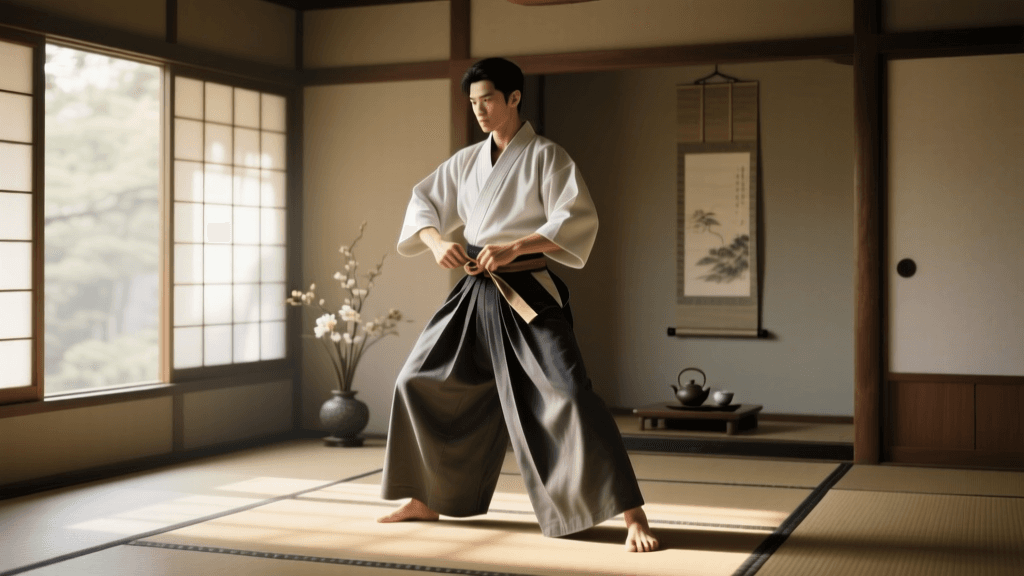
| Color Palette | Subdued exteriors (navy, black, grey) with vibrant hidden linings. | High contrast: Monochromatic base layers allowing the haori pattern to pop. |
Sourcing and Cost Breakdown
Acquiring a high-quality haori is an exercise in treasure hunting. While modern interpretations exist, the streetwear community heavily favors vintage, mid-century pieces due to their superior craftsmanship, unique patina, and one-of-a-kind hand-dyed linings.
If you are traveling to Japan, the epicenter of vintage haori shopping is Tokyo’s Shimokitazawa and Koenji neighborhoods. Stores like Chicago and New York Joe Studio offer massive selections of recycled kimono and haori. Here, you can find cotton or polyester everyday haori for as little as 3,000 to 5,000 JPY ($20 to $35 USD). However, the true gems are the antique silk haori with hand-painted uragawa linings, which typically range from 10,000 to 25,000 JPY ($70 to $170 USD).
For those sourcing internationally, platforms like Etsy, eBay, and specialized Japanese vintage exporters are reliable alternatives. Expect to pay a premium for international shipping and curation, with prices for premium vintage silk haori ranging from $120 to $300 USD. When buying online, always request detailed photos of the inner lining and check for 'shimi' (age spots) or 'kabi' (mold), which are common in improperly stored silk garments.
Care, Maintenance, and Storage
Maintaining a vintage silk haori requires specific care to preserve both the outer shell and the delicate inner lining. Unlike modern streetwear pieces that can be tossed into a washing machine, a silk haori must be treated as a delicate archive piece.
- Cleaning: Never machine wash or hand wash a silk haori. Water will cause the dyes to bleed and the silk to lose its structural integrity. Rely on professional dry cleaning, specifically seeking out cleaners who have experience with vintage textiles and traditional garments.
- Airing Out: After wearing, hang the haori on a wide, padded wooden hanger in a well-ventilated, shaded area for a few hours to allow any moisture or odors to dissipate. Avoid direct sunlight, which will rapidly fade the natural dyes.
- Storage: When storing the haori for the off-season, do not use plastic garment bags, as they trap moisture and encourage mold growth. Instead, wrap the jacket in acid-free tissue paper or a breathable cotton cloth (tatou). Include natural camphor or anti-insect paper specifically designed for silk to protect against moths and silverfish.
Conclusion
The haori is a testament to the timelessness of Japanese design. By understanding its historical context, mastering its unique proportions, and respecting its delicate materials, modern fashion enthusiasts can seamlessly integrate this traditional garment into a contemporary streetwear rotation. Whether layered over a minimalist hoodie for a night out in Tokyo or worn as a statement piece in a global fashion capital, the haori bridges the gap between ancient craftsmanship and modern urban expression. As noted by the Victoria and Albert Museum, the ongoing evolution of Japanese dress proves that traditional garments are not static relics of the past, but living, breathing elements of global style that continue to adapt, inspire, and revolutionize the way we dress today.