Collecting Antique Taisho Era Kimono: A Sourcing Guide
The Allure of Taisho Roman: A Golden Age of Japanese Textiles
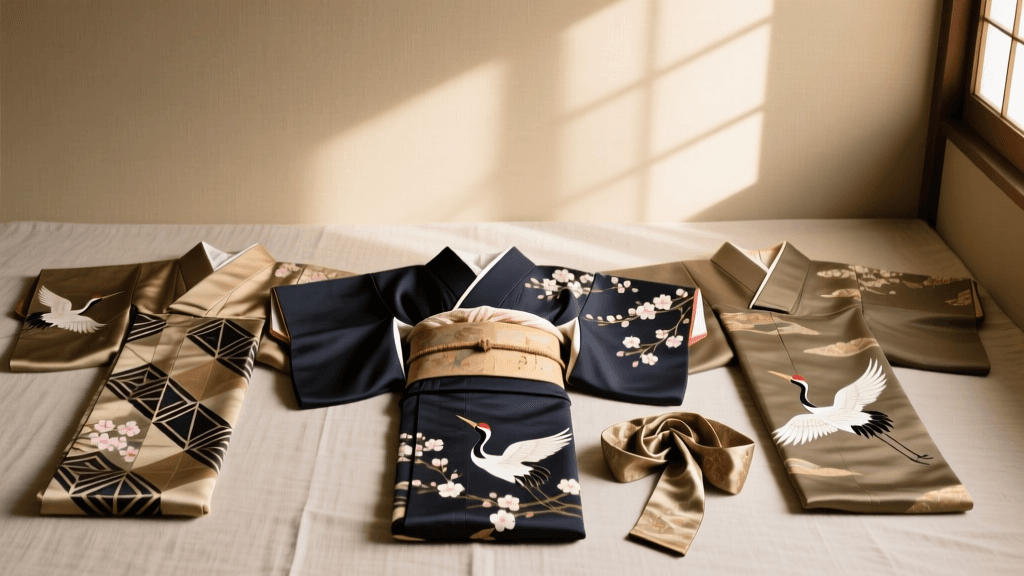
For vintage and antique kimono collectors, the Taisho era (1912–1945) represents an unparalleled golden age of Japanese textile design. Following the strict, formal aesthetics of the Meiji period, the Taisho era introduced a wave of modernization, Western influence, and artistic liberation known as Taisho Roman. This cultural shift profoundly impacted fashion, resulting in garments that blended traditional Japanese motifs with bold, Art Deco-inspired geometry, vibrant synthetic dyes, and sweeping, asymmetrical compositions. According to the Metropolitan Museum of Art's essay on the Taisho Period, this era was defined by a unique synthesis of international modernism and indigenous craftsmanship, making these textiles highly sought after by serious collectors and fashion historians today.
Collecting pre-WWII antique kimono is not merely about acquiring beautiful clothing; it is an exercise in historical preservation. However, navigating the antique textile market requires a keen eye for authentication, a deep understanding of silk degradation, and knowledge of proper archival storage. This comprehensive guide will equip you with the practical tools needed to source, evaluate, and preserve authentic Taisho era kimono.
Identifying Genuine Pre-WWII Antique Kimono
The market is flooded with modern reproductions and mid-century (Showa era) garments that mimic older styles. To confidently identify a genuine Taisho or late Meiji antique, collectors must examine the garment's construction, lining, and dye techniques. As outlined by the Metropolitan Museum of Art's Heilbrunn Timeline of Art History, the evolution of the kimono's structure and decoration provides vital clues to its age.
Key Visual and Tactile Markers
- The Lining (Hakkake): Early Taisho and Meiji kimono frequently feature a distinct red or crimson silk lining, particularly in women's formal garments. By the late Taisho and early Showa periods, linings transitioned to pale yellows, whites, or patterned silks. A vibrant, hand-dyed red silk lining is a strong indicator of an earlier antique.
- Hand-Stitching and Seams: Authentic antique kimono are entirely hand-stitched using a running stitch (shitsuke). Examine the interior seams; machine stitching is an immediate red flag indicating a post-WWII or modern reproduction. Furthermore, the allowance inside the seams should be generous, often left uncut to allow for future resizing or cleaning.
- Collar Construction (Hiroeri): Many antique women's kimono feature a hiroeri (broad collar), which is a separate, wide piece of fabric folded and attached to the neckline, often heavily padded with cotton or silk floss to create a stiff, formal shape. Modern kimono typically use a simpler, narrower collar.
- Dye Bleed and Patina: Early synthetic dyes, introduced during the Taisho era, were notoriously unstable. It is common to see slight dye bleeding or a soft, muted patina on the silk. This natural aging process is difficult for modern manufacturers to replicate authentically.
Evaluating Condition: Flaws, Stains, and Weaknesses
Silk is a protein fiber that is highly susceptible to environmental damage. When evaluating an antique kimono, condition is the primary driver of value. The most critical flaw to watch for is "shattered" silk, a term used by conservators to describe dry rot caused by the deterioration of metallic salts used as mordants in black and dark brown dyes. Shattered silk feels crisp, tears with minimal tension, and sheds fine dust when handled.
Other common issues include foxing (small brown fungal spots), collar stains from vintage cosmetics (oshiroi), and hem dirt. While surface stains can sometimes be mitigated by professional textile conservators, structural weakness like shattering is irreversible. Always perform a gentle "pinch test" on dark-colored areas, particularly the black crests or dark hem borders, to ensure the silk still has tensile strength.
| Condition Grade | Visual and Tactile Markers | Estimated Value (USD) | Collector Action |
|---|---|---|---|
| Mint / Museum Quality | No stains, no weak silk, vibrant colors, intact lining. Rare for garments over 90 years old. | $800 - $2,500+ | Archive immediately; display on rotation. |
| Excellent | Minor, barely noticeable flaws (e.g., tiny foxing spots inside or on the lower hem). Silk is strong. | $300 - $800 | Wearable with care; excellent for study and collection. |
| Good / Fair | Visible stains, slight fading, minor weak spots in high-stress areas (shoulders, back). | $80 - $250 | Display only; do not wear. Ideal for upcycling or framing. |
| Poor / Study Piece | Severe shattering, large tears, pervasive mold, or deep set odors. | $20 - $60 | Harvest fabric for patchwork or use as a dyeing practice canvas. |
Sourcing Antique Kimono: Markets, Auctions, and Pricing
Acquiring genuine Taisho era kimono requires looking beyond standard vintage clothing stores. The most robust inventory remains in Japan, though international collectors have several viable avenues for sourcing.
Navigating Japanese Proxy Auctions
Yahoo! Auctions Japan is the largest secondary market for antique textiles. Because the platform requires a Japanese bank account and address, international collectors must use proxy services like Buyee, ZenMarket, or FromJapan. When searching, use specific Japanese keywords to filter out modern reproductions:
- Taisho Roman (大正ロマン) - For the specific Art Deco aesthetic.
- Komon (小紋) or Tsumugi (紬) - For everyday silk and pongee textiles.
- Meiji / Taisho (明治・大正) - To target the specific eras.
- Himo (紐) or Haori (羽織) - Jackets and sashes often survive in better condition than full kimono.
Physical Flea Markets and Antique Dealers
For collectors visiting Japan, the Toji Temple flea market in Kyoto (held on the 21st of each month) and the Tenjin Shrine market in Kitano (held on the 25th) are legendary hunting grounds. Arriving at dawn is essential. Bring a small flashlight to inspect the interior lining and seams for hidden stains or shattering. In the West, specialized dealers and auction houses like Bonhams or Christie's occasionally feature Japanese textile lots, though prices will carry a significant premium compared to direct sourcing.
Archival Storage and Long-Term Preservation
Once you have acquired a Taisho era antique, proper storage is paramount. The Victoria and Albert Museum's Asian textile collections emphasize that historical garments require strict environmental controls to prevent the acceleration of protein degradation.
Climate Control and Archival Materials
Silk is highly sensitive to fluctuations in humidity and temperature. The ideal storage environment maintains a stable temperature of 60°F to 68°F (15°C to 20°C) and a relative humidity of 45% to 55%. High humidity encourages mold and foxing, while low humidity makes the silk brittle and prone to shattering.
Never store antique kimono in plastic bins or vacuum-sealed bags, as silk needs to breathe and plastic traps off-gassing chemicals and moisture. Instead, use the following archival method:
- Interleaving: Stuff the sleeves and bodice loosely with unbuffered, acid-free tissue paper to prevent hard creases. (Note: Buffered tissue contains calcium carbonate, which can damage protein fibers like silk; always use unbuffered).
- Folding vs. Rolling: Traditionally, kimono are folded along their original seams (tatou) and stored flat. However, if the silk is weak or features heavy metallic embroidery, rolling the garment around an acid-free cardboard tube padded with tissue is safer to prevent stress on the fibers.
- Enclosure: Wrap the folded or rolled kimono in a clean, undyed cotton muslin cloth or place it inside a traditional Japanese kiribako (paulownia wood box). Paulownia wood is naturally resistant to insects and regulates humidity beautifully.
"Proper textile conservation is not about making an antique look new, but rather stabilizing its current state to prevent further degradation while respecting its historical integrity."
Conclusion: The Responsibility of the Collector
Collecting Taisho era kimono is a deeply rewarding pursuit that connects you to a pivotal moment in Japanese history. These garments are not just beautiful objects; they are woven records of a society in transition, capturing the optimism and artistic experimentation of the early 20th century. By mastering the skills of authentication, carefully evaluating condition, and committing to rigorous archival preservation, collectors ensure that these fragile masterpieces of Asian tradition survive to educate and inspire future generations. Whether you are hunting for a bold, geometric haori on a Kyoto dawn market or carefully archiving a delicate silk furisode at home, you are participating in the vital stewardship of global textile heritage.