Chinese Couture: Traditional Textiles on Global Runways
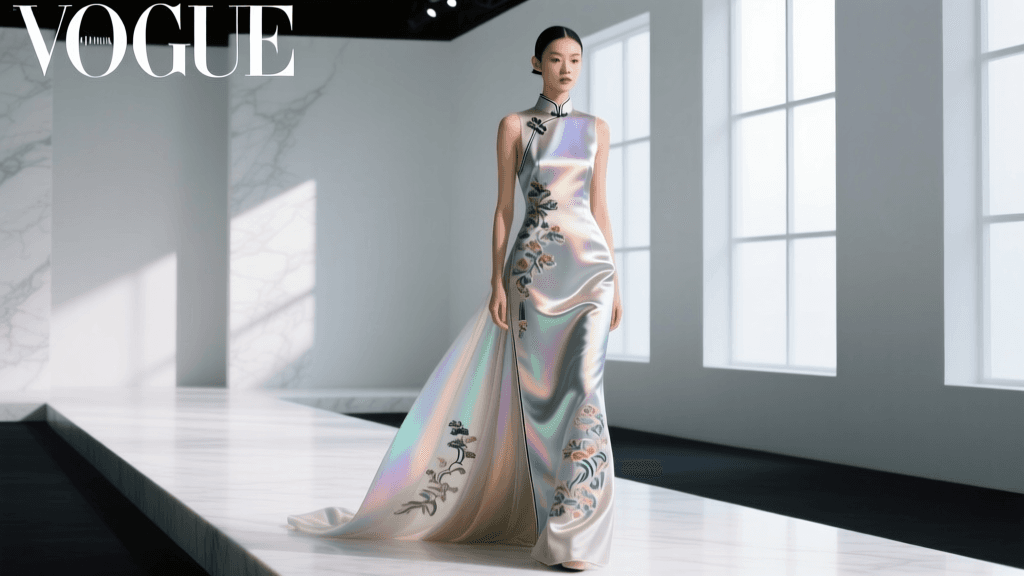
The Evolution of Chinese Heritage in Haute Couture
For decades, the global fashion industry's relationship with Chinese aesthetics was defined by broad orientalist tropes. However, the modern runway has witnessed a profound paradigm shift. Today, international couture houses and avant-garde Chinese designers alike are moving past superficial motifs, delving deeply into the structural and material mastery of traditional Chinese garments. This transition from pastiche to profound respect was arguably catalyzed by landmark institutional moments, such as The Metropolitan Museum of Art's record-breaking 2015 exhibition, China: Through the Looking Glass, which meticulously traced the impact of Chinese aesthetics on Western fashion and highlighted the intricate craftsmanship of Eastern textiles.
Today, the integration of heritage techniques into international couture is not just a trend; it is a vital preservation effort. Designers are collaborating directly with rural artisans, bringing centuries-old textile methods to the runways of Paris, Milan, and New York. For fashion collectors, stylists, and design students, understanding the distinction between authentic heritage textiles and mass-produced runway adaptations is essential. This guide explores the premier Chinese textile techniques dominating high fashion and provides actionable advice on sourcing, measuring, and styling these couture-grade materials.
Key Traditional Techniques Conquering the Runway
Xiangyunsha: The Soft Gold of Guangdong
Xiangyunsha, or Gambiered Canton Gauze, is a marvel of natural engineering and a favorite among avant-garde couture designers like Uma Wang and international houses seeking sustainable, organic textiles. Originating from the Pearl River Delta, this silk is dyed using the juice of the Dioscorea cirrhosa (shoulang) plant and coated with the iron-rich mud of local riverbeds. The reaction between the tannins in the plant juice and the iron in the mud creates a unique, dark, lustrous fabric with a distinctive crackled surface resembling tortoise shells.
The process is grueling and entirely dependent on the sun, requiring up to 14 steps and several weeks of repeated dyeing, mud-coating, and sun-baking. Recognized for its cultural significance, the broader sericulture and silk craftsmanship of China is protected on the UNESCO Representative List of the Intangible Cultural Heritage of Humanity. In couture, Xiangyunsha is prized for its architectural drape, its natural antibacterial properties, and its ability to soften beautifully against the skin over time while maintaining a sculptural silhouette.
Suzhou Embroidery (Su Xiu): Painting with Silk
While Xiangyunsha provides the structural canvas, Suzhou embroidery provides the haute couture detailing. Su Xiu is renowned for its delicate, almost photorealistic needlework. In the context of international couture, designers utilize Su Xiu to create three-dimensional floral motifs, intricate mythical beasts, and gradient color washes that rival fine oil paintings. The hallmark of authentic Su Xiu is thread splitting; a master artisan can split a single silk thread into 48 microscopic strands, allowing for imperceptible color transitions.
On the runways of Paris, Su Xiu is frequently applied to structured corsetry, sheer organza overlays, and sweeping evening gowns. Unlike machine embroidery, which lies flat and uniform, hand-embroidered Su Xiu catches the light at varying angles due to the layered, multi-directional stitching. When sourcing Su Xiu for high-end design portfolios or personal couture collections, buyers must look for the 'ping, qi, xi, mi' (smooth, neat, fine, and dense) standards that define master-level work.
The Mamianqun Silhouette: Pleating and Proportion
Beyond textiles, the structural silhouette of the Mamianqun (horse-face skirt) has heavily influenced modern pleating and drapery techniques in international fashion. Characterized by a flat front and back panel with deeply pleated sides, the Mamianqun offers a masterclass in kinetic fashion—the skirt remains modest and structured while standing, but explodes into a magnificent fan of pleats during movement. While some Western luxury houses have faced backlash for appropriating the Mamianqun without cultural attribution, authentic Hanfu designers and Chinese couture brands are now reclaiming the narrative, showcasing historically accurate, meticulously engineered pleats on global stages. Institutions like the Victoria and Albert Museum continue to highlight the importance of such structural garments in the broader history of global fashion.
Couture Techniques vs. Mass Market Replicas
As Chinese aesthetics gain runway prominence, the market is flooded with fast-fashion imitations. Use the following comparison chart to differentiate authentic couture-grade materials from mass-market adaptations when sourcing for high-end projects.
| Technique | Authentic Couture Standard | Mass-Market Runway Adaptation | Price Indicator | Identification Tip |
|---|---|---|---|---|
| Xiangyunsha Silk | 14-step natural mud and plant dyeing; sun-baked. | Chemically dyed silk with printed tortoise-shell patterns. | $150 - $300+ per meter vs. $20 - $40 per meter. | Authentic fabric smells faintly of earth and grass; the dark side has a natural, uneven luster. |
| Suzhou Embroidery | Hand-stitched using split silk threads (up to 1/48th); double-sided stitching. | Computerized machine embroidery using synthetic or thick silk threads. | $3,000 - $15,000+ per garment vs. $100 - $300 per garment. | Examine the back of the fabric; authentic double-sided Su Xiu has no visible knots or loose threads. |
| Mamianqun Pleats | Heat-set and hand-pressed structural pleats; woven waistbands with metal thread motifs. | Superficial machine pleating that loses shape after washing; elasticized waists. | $250 - $800 per skirt vs. $30 - $60 per skirt. | Measure the pleat depth; authentic skirts use precise mathematical ratios (e.g., 2cm visible, 4cm hidden) for perfect flaring. |
Actionable Guide: Sourcing and Styling Couture-Grade Textiles
For fashion professionals, collectors, and serious enthusiasts looking to integrate these heritage elements into a modern, high-end wardrobe or design collection, precise sourcing and styling are paramount. Here is a practical guide to acquiring and utilizing these textiles.
1. Sourcing Authentic Xiangyunsha
- Where to Buy: Bypass general e-commerce sites. Source directly from certified heritage workshops in Foshan, Guangdong, or through specialized high-end textile purveyors in Shanghai's French Concession district.
- Measurements & Yield: Authentic Xiangyunsha is typically woven on narrow looms, yielding a fabric width of exactly 114cm (approx. 45 inches). When designing a couture gown, account for this narrow width; you will need approximately 4 to 5 meters for a standard floor-length dress with a moderate train.
- Preparation: Unlike standard silks, Xiangyunsha must be handled carefully during the cutting process. Use heavy, sharp shears and pattern weights rather than pins, as pinholes can permanently disrupt the mud-dyed coating.
2. Commissioning Suzhou Embroidery
- Lead Times: True couture-level Su Xiu cannot be rushed. A single jacket panel featuring dense, multi-colored floral motifs requires 6 to 12 months of continuous labor by a master artisan.
- Cost Expectations: Budget a minimum of $5,000 USD for a custom-embroidered bodice or jacket. The cost is driven by the density of the stitching (measured in stitches per square inch) and the complexity of the color gradient.
- Design Integration: To modernize Su Xiu for international runway appeal, avoid placing embroidery solely on traditional mandarin collars. Instead, commission artisans to embroider along the structural seams of a Western-style tailored blazer, or use negative space to create asymmetrical, avant-garde motifs on sheer silk organza.
3. Tailoring the Mamianqun for Modern Couture
- Waistband Engineering: Traditional Mamianqun skirts do not use zippers or elastic. They rely on a wide, structured cotton or silk waistband that wraps around the body and ties securely. For a modern couture fit, measure the natural waist and add exactly 35cm for the overlapping tie mechanism to ensure the flat 'horse-face' panel sits perfectly centered.
- Length Proportions: For runway or formal evening wear, the skirt should graze the floor (typically 105cm to 110cm from the waist for an average height of 165cm). Ensure the hidden pleats are heat-set with high-pressure steam to maintain their architectural integrity during movement.
Conclusion
The presence of Chinese traditional textiles on international runways marks a mature, respectful era of global fashion. By moving beyond superficial aesthetics and embracing the rigorous, time-honored techniques of Xiangyunsha dyeing, Suzhou embroidery, and Mamianqun engineering, designers are elevating Asian traditions to their rightful place in the haute couture pantheon. For the discerning collector or designer, investing in these authentic materials is not merely a fashion choice; it is an act of cultural preservation and a commitment to unparalleled sartorial craftsmanship.