DIY Kimono Upcycling: Repurposing Vintage Silk Into Modern Fashion
The Renaissance of the Vintage Kimono
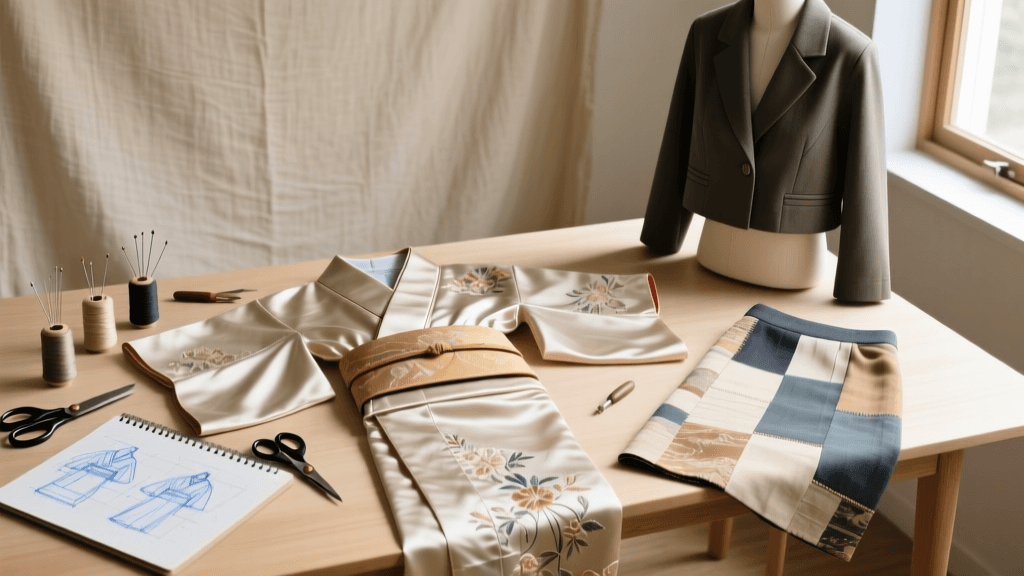
In Japan, there is a profound cultural concept known as mottainai, which translates roughly to 'what a waste' or 'too good to waste.' It is an expression of regret concerning waste and a deep respect for the intrinsic value of objects. Nowhere is this philosophy more beautifully realized than in the modern upcycling of vintage kimonos. As the global fashion industry grapples with sustainability, DIY enthusiasts and independent designers are turning to secondhand Japanese garments, transforming unwearable, damaged, or outdated silk into stunning modern wardrobe staples and home decor.
Unlike Western tailoring, which relies on complex curves, darts, and shaped seams, the traditional kimono is constructed from a single, uncut bolt of fabric called a tanmono. According to The Metropolitan Museum of Art's Heilbrunn Timeline of Art History, the kimono's T-shaped, straight-seamed construction was designed to be easily taken apart, washed, stretched, and resewn—a traditional practice known as arai-hari. This architectural brilliance makes vintage kimonos the ultimate blank canvas for modern upcyclers, yielding long, continuous rectangular panels of exquisite silk.
Sourcing and Evaluating Vintage Silk
Before you can cut and sew, you must source your materials. Vintage kimonos can be found at local thrift stores, estate sales, and online marketplaces like Etsy or eBay, typically ranging from $15 to $60. When evaluating a garment for upcycling, look beyond surface stains or torn linings. Because the fabric is cut in straight, generous panels, you can often work around localized damage.
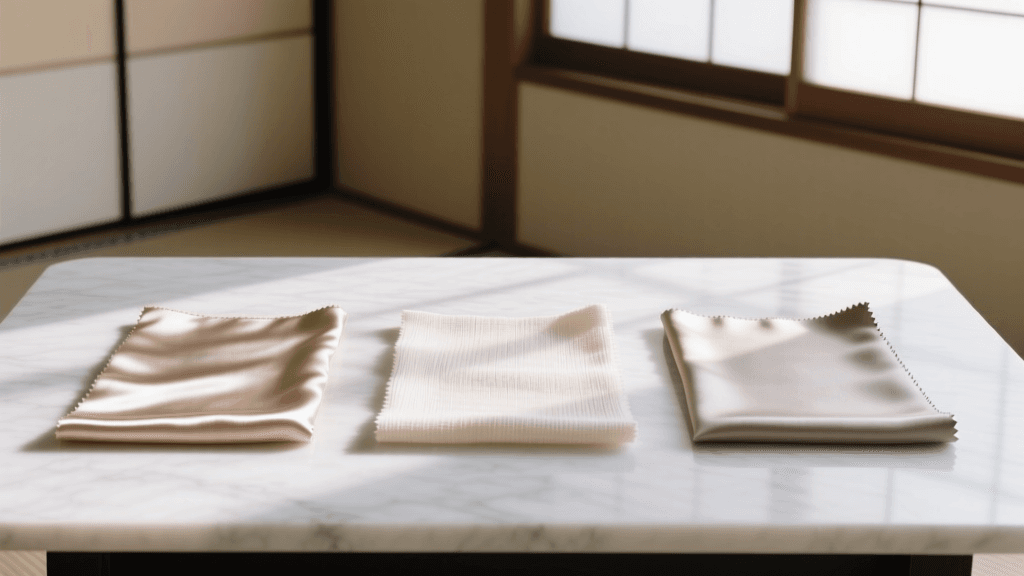
However, you must verify the fiber content. Many mid-century and modern kimonos are made from polyester blends. To ensure you are working with genuine silk, perform a burn test on a tiny snippet of fabric from an inside seam allowance. Genuine silk will burn slowly, smell like burning hair, and leave a crushable ash. Synthetic polyester will melt, smell like sweet plastic, and form a hard, uncrushable bead. For upcycling, prioritize natural fibers like chirimen (crepe silk), rinzu (silk damask), or tsumugi (slubbed raw silk), which drape beautifully and take well to modern sewing techniques.
Deconstruction and Preparation
Deconstructing a kimono requires patience. Do not use a seam ripper aggressively, as vintage silk can snag and run. Instead, use a small pair of embroidery scissors or a specialized thread clipper to carefully snip the basting stitches. As you remove the threads, you will be left with several long, narrow panels. A standard kimono bolt is approximately 14 to 15 inches (36-38 cm) wide and yields roughly 2.5 to 3 square meters of usable fabric.
Once deconstructed, the silk must be pressed. Use a low-heat iron with a cotton pressing cloth between the iron and the silk to prevent scorching or creating a 'shine' on the fabric. If the silk is heavily creased from decades of storage, lightly mist it with distilled water or a silk-specific relaxer spray before pressing.
Project Mapping: What Can You Make?
Because kimono panels are narrow (usually no wider than 15 inches), they are not suitable for large, continuous pattern pieces like a full circle skirt or a wide blouse back without piecing. Instead, they are perfect for panel-based garments, accessories, and patchwork. Below is a structural guide to mapping your deconstructed kimono to modern DIY projects.
| Kimono Section | Average Dimensions | Ideal Upcycled Project | Sewing Difficulty |
|---|---|---|---|
| Sleeves (Sode) | 15' x 30' (each) | Patchwork pillows, tote bag panels, cropped tops | Beginner |
| Back Panels (Okumi) | 14' x 45' (each) | Wrap skirt panels, wide-leg culottes, scarf halves | Intermediate |
| Front Overlaps | 14' x 50' | Camisole fronts, jacket lapels, quilted bag bodies | Intermediate |
| Collar (Eri) | 6' x 30' | Hair accessories, chokers, bag straps, belt ties | Beginner |
For garments like wrap skirts or camisoles, the narrow width of the silk actually becomes an advantage, allowing for elegant, vertical color-blocking and piecing that echoes the aesthetic of high-end contemporary fashion.
Sewing Techniques for Delicate Vintage Silk
Sewing vintage silk requires specific machine adjustments and tooling to prevent puckering, skipped stitches, and fabric damage. Treat the material with the same care you would afford to haute couture fabrics.
- Needles: Always use a fresh Microtex or Sharp needle, size 60/8 or 70/10. Universal needles are too blunt and will push the delicate threads down into the needle plate, causing snags.
- Thread: Use 100% silk thread or a high-quality fine polyester thread (like Gutermann Mara 100). Avoid heavy cotton threads, which can cut through the delicate silk fibers over time due to friction.
- Presser Feet: A Teflon (non-stick) foot or a roller foot is essential. Standard metal feet can drag on the textured surface of chirimen crepe silk, causing the fabric to stretch unevenly as you sew.
- Stitch Length and Tension: Set your stitch length to a short 2.0mm - 2.5mm. Reduce your top thread tension slightly (around 3 or 4 on a standard dial) to prevent the seam from puckering.
- Stabilization: If you are upcycling the silk into structured items like handbags or corsets, you must interface the silk. Use a lightweight, woven fusible interfacing (like Pellon SF101) and apply it with a pressing cloth on a low-heat setting to give the fragile vintage fabric modern structural integrity.
Overdyeing and Surface Design
If you have sourced a kimono with beautiful silk but outdated or clashing colors, overdyeing is a fantastic option. Because vintage kimonos are often made of natural protein fibers, they take beautifully to acid dyes or even natural plant-based dyes. Note that any synthetic stitching used in the original garment will resist the dye, creating a subtle, contrasting topstitch effect that adds a modern, deconstructed edge to your final piece.
The global fascination with these textiles has even influenced major fashion institutions. As highlighted by the Victoria and Albert Museum's 'Kimono: Kyoto to Catwalk' exhibition, the garment's transition from traditional ceremonial wear to a source of global sartorial inspiration underscores its timeless versatility. By dyeing and repurposing these fabrics, DIYers are actively participating in this ongoing, cross-cultural fashion dialogue.
Cultural Considerations and Respect
While upcycling is a sustainable and creative endeavor, it is vital to approach vintage kimonos with cultural respect. Kimonos often feature highly symbolic motifs, such as cranes for longevity, cherry blossoms for the ephemeral nature of life, or specific floral arrangements tied to distinct seasons. Furthermore, formal kimonos may bear kamon (family crests).
When cutting into a vintage garment, try to preserve the integrity of major motifs. Avoid cutting a family crest in half to make a pocket, and refrain from using highly sacred or formal funeral garments (such as plain black silk with specific crest placements) for casual or disrespectful items like footwear or pet accessories.
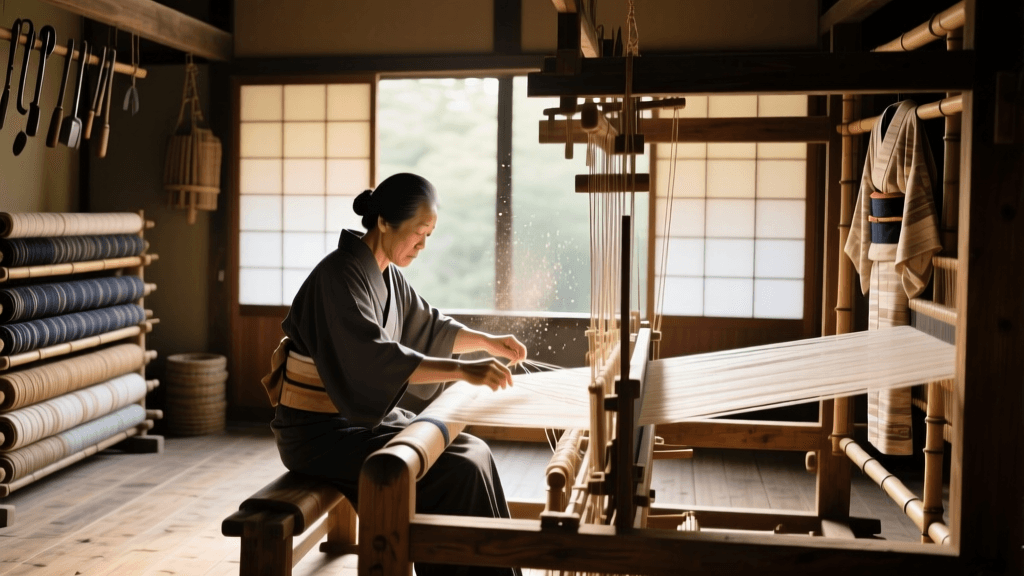
Additionally, recognize the immense labor that went into creating the original textile. Techniques like Yuki-tsumugi, a traditional method of weaving silk floss into intricate patterns, are so culturally significant that they are protected on UNESCO's Intangible Cultural Heritage list. Acknowledging the heritage of your fabric elevates your DIY project from a simple sewing exercise to an act of textile preservation.
Conclusion
Upcycling a vintage kimono is a deeply rewarding process that bridges the gap between historical craftsmanship and modern sustainable fashion. By understanding the unique architecture of the tanmono, utilizing the correct sewing techniques, and approaching the fabric with cultural mindfulness, you can breathe vibrant new life into forgotten silk. Whether you are piecing together a patchwork bomber jacket or sewing a delicate silk camisole, you are ensuring that the legacy of these magnificent textiles continues to be worn, admired, and cherished for generations to come.