Hanfu Tourism: Styling and Shooting in Historic Chinese Cities
The Rise of Hanfu Destination Tourism
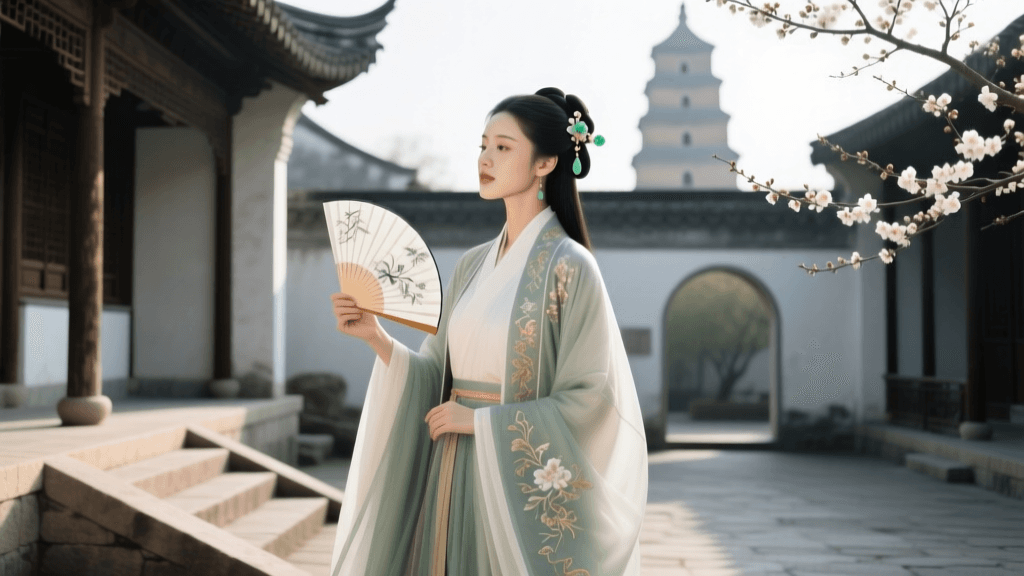
Over the past few years, a profound cultural renaissance has swept across China's social media platforms, transforming the way both locals and international travelers experience the country's rich history. The Hanfu movement, which champions the revival of traditional Han Chinese clothing, has evolved from a niche hobby into a massive driver of domestic and international tourism. Today, historic cities are not just sightseeing destinations; they are immersive, open-air studios where travelers don intricate silk garments to create breathtaking content for platforms like Douyin, Xiaohongshu, and Instagram. According to extensive cultural reporting tracked by the South China Morning Post's Hanfu coverage, this intersection of heritage fashion and destination tourism has created a multi-billion yuan industry, revitalizing ancient streets and boosting local economies.
For content creators, travel bloggers, and cultural enthusiasts, planning a Hanfu-centric trip requires more than just booking a flight. It demands an understanding of regional aesthetics, historical accuracy, photography logistics, and the practicalities of navigating bustling tourist sites in flowing silk. This comprehensive guide will walk you through everything you need to know to plan, style, and shoot the perfect Hanfu tourism experience.
Top Destinations for Hanfu Photography
When planning a Hanfu tourism trip, choosing the right city is paramount. Different regions of China boast distinct architectural styles, historical legacies, and atmospheric vibes that pair best with specific dynastic clothing styles. Below is a comparative overview of the premier Hanfu tourism destinations.
| Destination | Best Hanfu Style | Aesthetic Vibe | Peak Season | Avg. Rental Cost (RMB) |
|---|---|---|---|---|
| Xi'an (Shaanxi) | Tang Dynasty (Qixiong Ruqun) | Grand, vibrant, nocturnal | Spring / Autumn | 299 - 499 |
| Suzhou (Jiangsu) | Song / Ming Dynasty | Elegant, serene, scholarly | Spring / Early Summer | 199 - 399 |
| Luoyang (Henan) | Wei-Jin / Tang Dynasty | Monumental, spiritual, ancient | April (Peony Festival) | 150 - 350 |
| Hangzhou (Zhejiang) | Song Dynasty (Beizi) | Misty, romantic, natural | Spring / Autumn | 199 - 399 |
Xi'an: The Tang Dynasty Dream
As the ancient capital of Chang'an, Xi'an is the undisputed capital of Tang Dynasty Hanfu tourism. The city's crown jewel for content creators is the Datang Everbright City, a massive pedestrian district designed to replicate the bustling markets of the 8th century. The Tang Dynasty aesthetic is characterized by bold colors, generous silhouettes, and the iconic Qixiong Ruqun (chest-high skirt). Because Datang Everbright City is heavily illuminated with lanterns and neon accents at night, the best strategy here is an evening shoot. Arrive around 6:30 PM to capture the 'blue hour' transition, utilizing the warm glow of the traditional architecture to highlight the rich reds and golds of your garments.
Suzhou: Song and Ming Elegance
For a more refined, understated aesthetic, Suzhou is unparalleled. Famous for its classical gardens, Suzhou provides the perfect backdrop for Song and Ming Dynasty attire. The UNESCO World Heritage Centre recognizes the Classical Gardens of Suzhou as masterpieces of Chinese landscape design, making locations like the Humble Administrator's Garden and the Master of the Nets Garden ideal for photography. The Song Dynasty Beizi (a lightweight, open-front jacket) paired with a pleated skirt is perfect for navigating the narrow, winding corridors and delicate bridges of these gardens. To avoid the massive crowds and secure clean backgrounds, you must arrive right at opening time, typically around 7:00 AM or 7:30 AM.
Choosing the Right Hanfu for Travel and Camera
Not all Hanfu is created equal when it comes to travel comfort and camera dynamics. The fabric weight, skirt volume, and sleeve length will drastically affect your mobility and the final image.
- Ming Dynasty Mamianqun (Horse-Face Skirt): This is the ultimate travel-friendly skirt. Its structured, wrap-around pleated design allows for a full range of motion, making it ideal for walking long distances, climbing stairs at historic sites, and catching the wind for dynamic, sweeping shots.
- Song Dynasty Attire: Characterized by slender silhouettes, narrow sleeves, and lightweight fabrics, Song-style Hanfu is the best choice for summer travel or highly active itineraries. It photographs beautifully in natural, misty environments like the West Lake in Hangzhou.
- Tang Dynasty Da Xiu Shan (Large Sleeve Shirt): While incredibly dramatic and photogenic, the massive sleeves can be cumbersome in crowded streets or windy conditions. Reserve these for stationary, controlled studio-style shoots in open courtyards.
From a photography standpoint, garments with high contrast and intricate embroidery catch the light beautifully. When shooting in dimly lit ancient alleys, opt for lighter colors like ivory, pale blue, or soft pink to ensure your subject separates from the dark wooden architecture.
Practical Guide: Rentals, Makeup, and Logistics
Unless you are a dedicated collector, renting is the most practical option for destination tourism. In cities like Xi'an and Luoyang, entire streets are lined with Hanfu experience shops offering all-inclusive packages.
Navigating Rental Shops
A standard premium package (usually ranging from 299 to 499 RMB) includes the garment set, professional historical makeup, intricate hair styling with extensions and accessories, and a set of props. When selecting a shop, look for portfolios that emphasize 'historical accuracy' rather than 'costume drama' styles. Authentic shops will use silk or high-quality polyester blends that drape correctly, whereas cheaper tourist traps may offer flimsy, inaccurate costumes.
Be prepared to leave a deposit, often via WeChat Pay or Alipay, which can range from 500 to 2000 RMB depending on the value of the garments and hair accessories. Always inspect the hems and collars for pre-existing stains before leaving the shop to avoid deposit disputes.
Historical Makeup and Styling
Makeup is just as crucial as the clothing. For Tang Dynasty shoots, request 'Huadian' (decorative forehead appliques) and bold, sweeping eyebrows. For Song and Ming Dynasty looks, ask for a more subdued, elegant palette with 'Dianchun' (traditional lip styling) and subtle pearl accents. Hairpieces are essential; traditional updos require significant volume, and professional stylists will seamlessly blend clip-in extensions to support heavy metal hairpins and jade ornaments.
Posing and Social Media Strategy
Creating viral content requires more than just standing in front of a beautiful building. Hanfu photography relies heavily on movement and interaction with the environment.
Utilize props to give your hands something to do and to add historical context. Oil-paper umbrellas are perfect for rainy days in Jiangnan (the region south of the Yangtze River), while round silk fans and folding lanterns are excellent for evening shoots. When posing, focus on the flow of the fabric. A slow twirl, a gentle walk away from the camera, or the act of adjusting a sleeve creates natural, elegant lines.
For camera gear, an 85mm f/1.4 prime lens is the gold standard for Hanfu portraiture. It provides beautiful background compression, blurring out modern distractions like streetlamps or contemporary signage, while keeping the intricate details of the embroidery in sharp focus. For environmental shots that showcase the grandeur of the architecture, a 35mm lens is highly recommended.
When publishing to platforms like Xiaohongshu or Instagram, use a mix of broad and niche hashtags. Tags like #Hanfu, #ChineseTraditionalClothing, and #HanfuTravel are essential, but adding location-specific tags like #XianTravel or #SuzhouGardens will help you reach targeted travel audiences.
Respecting the Culture and Heritage
As Hanfu tourism grows, it is vital to approach the practice with cultural respect and historical mindfulness. Hanfu is not merely a costume; it is a living representation of thousands of years of Chinese history, philosophy, and artistry. The creation of these garments is deeply tied to ancient practices, such as the incredible art of silk weaving. The UNESCO Intangible Cultural Heritage officially recognizes Chinese sericulture and silk craftsmanship, highlighting the profound historical importance of the textiles used in high-quality Hanfu.
When visiting sacred sites, active temples, or protected historical monuments, always adhere to local etiquette. Avoid sitting on ancient stone carvings, respect restricted areas, and ensure your behavior aligns with the solemnity of the location. By combining a deep appreciation for the heritage with modern social media storytelling, travelers can help preserve and celebrate the magnificent legacy of traditional Chinese garments for a global audience.