Discover Nishijin-ori: Kyoto's Master Kimono Weavers
The Legacy of Nishijin-ori: Kyoto’s Crown Jewel of Textiles
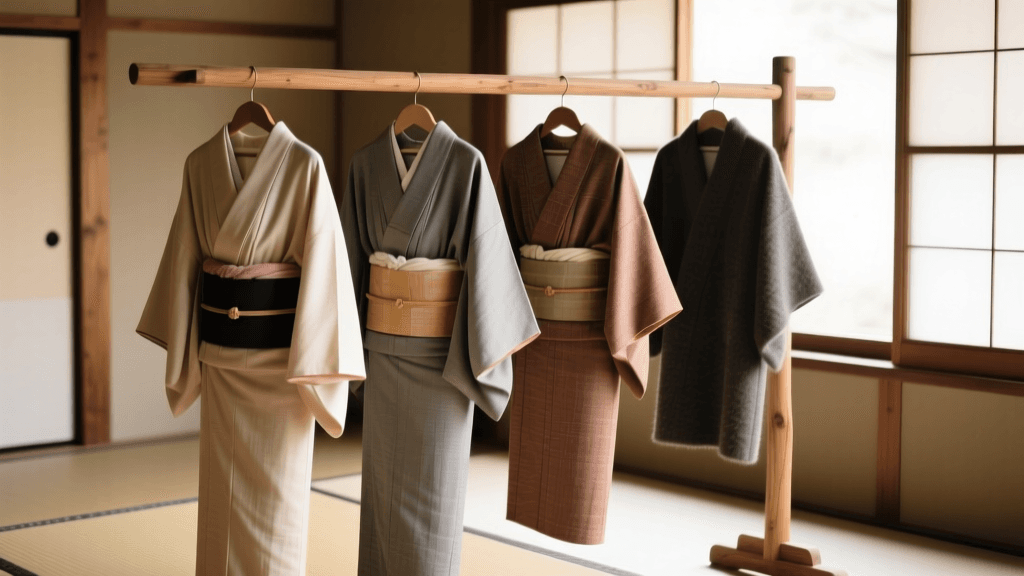
Kyoto is universally recognized as the cultural heart of Japan, a city where ancient traditions seamlessly intertwine with daily life. Among its most revered cultural exports is Nishijin-ori (Nishijin weaving), a luxurious, intricately patterned textile that represents the absolute pinnacle of Japanese kimono craftsmanship. For centuries, the artisans of the Nishijin district have produced the vibrant silks used in the most formal and expensive kimono, as well as the elaborate obi (sashes) that secure them.
The name 'Nishijin' translates to 'western camp,' a direct reference to the devastating Onin War (1467–1477). During this civil war, the Yamana clan set up their western military camp in this specific area of Kyoto. When the weavers who had fled the city returned after the war, they settled in this district, bringing with them advanced weaving techniques from the Ming Dynasty in China. Today, Nishijin-ori is not just a fabric; it is a designated Traditional Craft Product of Japan, protected and celebrated for its unparalleled quality and artistic depth.
The Intricate Artisan Process: Over 20 Steps to Perfection
Unlike many modern textiles that are produced in a single, automated factory, authentic Nishijin-ori is the result of a highly specialized, decentralized artisan network. The creation of a single bolt of Nishijin silk involves more than 20 distinct steps, often handled by different master craftsmen across the district.
From Design to the Jacquard Loom
- Isho (Design): The process begins with a master designer who drafts the intricate patterns, considering how the threads will interlock to catch the light.
- Itohata (Silk Preparation): Raw silk is sorted, twisted, and refined. Artisans carefully inspect the threads for any imperfections that could disrupt the final weave.
- Senshoku (Dyeing): Threads are dyed using either traditional botanical dyes or advanced synthetic colors. The sakizome (yarn-dyeing) method is predominantly used, meaning threads are dyed before weaving, allowing for incredibly complex, multi-colored patterns.
- Soubi (Warping and Setup): The warp threads are meticulously aligned. A single mistake here can ruin the geometric precision of the final pattern.
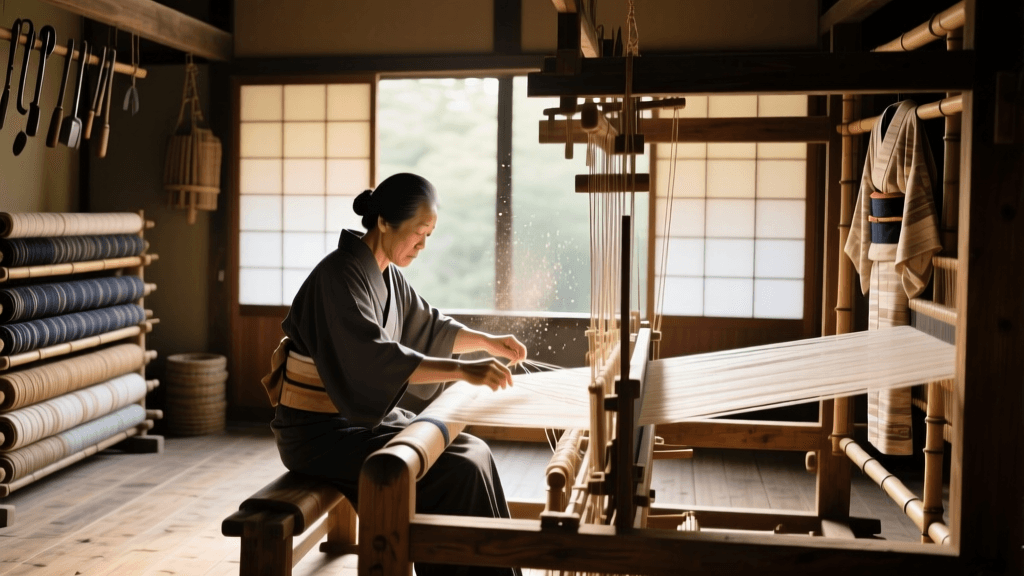
- Oribata (Weaving): While traditional handlooms are still used for the most exclusive pieces (like Tsume Tsuzure), many workshops adopted the French Jacquard loom in the 1870s. This integration of Western technology allowed Nishijin weavers to produce complex, punch-card-programmed patterns with astonishing speed and accuracy without sacrificing the soul of the craft.
To truly understand the dedication required, one must visit the workshops where the rhythmic clacking of wooden looms still echoes through the narrow streets of the Nishijin district.
Visiting Nishijin Artisan Workshops: A Traveler’s Guide
For textile enthusiasts and kimono collectors, a pilgrimage to the Nishijin district is essential. The area is located in the Kamigyo ward of Kyoto and is easily accessible via Kyoto City Bus routes 9, 12, and 50.
The Nishijin Textile Center
The Japan Guide's profile on the Nishijin Textile Center highlights it as the premier starting point for any visitor. This multi-story facility serves as both a museum and an active exhibition space. Here, you can watch live demonstrations of hand-weaving, observe artisans crafting traditional Japanese dolls, and view historical garments. The center also offers kimono rental services and fashion shows, allowing visitors to experience the drape and weight of authentic Nishijin silk firsthand.
Hosoo Flagship Store and Museum
Founded in 1688, Hosoo is one of the most prestigious Nishijin weaving houses in existence. According to Hosoo's official heritage page, the company has not only preserved traditional kimono textiles but has also adapted Nishijin techniques for modern interior design and luxury fashion collaborations. Visiting the Hosoo Flagship Store on Karasuma Street offers a glimpse into how a 300-year-old artisan workshop evolves. Their attached museum showcases the transition from traditional punch-card Jacquard looms to modern digital weaving, displaying historical obi and contemporary art pieces woven from silk and precious metals.
Understanding Nishijin-ori Weaves and Kimono Applications
Nishijin-ori is not a single type of fabric, but rather a category encompassing various weaving techniques. Below is a comparison of the most prominent weaves and their specific applications in traditional Japanese garments.
| Weave Type | Characteristics | Primary Kimono Application | Relative Cost |
|---|---|---|---|
| Kinran / Ginran | Brocade woven with real gold or silver leaf wrapped around silk or paper threads. | Formal Maru Obi and Fukuro Obi for bridal or royal attire. | Extremely High |
| Tsume Tsuzure | Tapestry weave where the weft completely hides the warp. Woven by hand using the weaver's fingernails to pack the threads. | High-end Fukuro Obi and museum-grade art panels. | Very High |
| Donsu | Satin damask weave featuring a glossy, raised pattern against a matte background. | Nagoya Obi and outer layers for formal Tomesode kimono. | High |
| Kara-ori | Imitation embroidery where the pattern appears to float above the fabric base. | Noh theater costumes and highly formal ceremonial sashes. | High |
Buying Authentic Nishijin-ori: Costs, Care, and Verification
Purchasing a genuine Nishijin-ori piece is an investment in wearable art. However, the market is flooded with mass-produced, synthetic imitations. Knowing how to verify authenticity and understand pricing is crucial for collectors and practitioners of traditional Japanese dress.
Price Guide for Nishijin Obi and Textiles
The cost of Nishijin textiles varies wildly based on the materials used (e.g., pure silk vs. synthetic blends), the complexity of the weave, and whether it was hand-woven or machine-woven.
- Entry-Level / Vintage Nagoya Obi: 15,000 to 40,000 JPY ($100 - $270 USD). Often found in Kyoto's second-hand kimono shops.
- New Machine-Woven Fukuro Obi: 80,000 to 250,000 JPY ($550 - $1,700 USD). Standard for formal tea ceremonies and weddings.
- Hand-Woven Tsume Tsuzure / Kinran: 500,000 to over 2,000,000 JPY ($3,400 - $13,500+ USD). Commissioned directly from master artisans.
Spotting Authenticity and The Traditional Craft Seal
To protect consumers and preserve the heritage of the craft, the Japanese government strictly regulates the use of the 'Nishijin-ori' name. According to the Association for the Promotion of Traditional Craft Industries, authentic pieces must bear specific certification tags. When purchasing a new, high-end obi, look for the holographic Traditional Craft Product Seal (a red and gold sticker featuring the kanji for 'traditional' and 'craft'). Additionally, genuine Nishijin-ori will usually include a paper tag from the Nishijin Weavers' Association detailing the materials (e.g., 100% silk) and the specific workshop that produced it.
Care and Maintenance
Nishijin silk is highly sensitive to moisture and friction. Because the threads are yarn-dyed and often include metallic elements, water can cause the dyes to bleed or the metallic threads to tarnish. Never attempt to wash a Nishijin obi at home. Instead, rely on the traditional Japanese cleaning method known as arai-hari, where the garment is carefully unpicked into flat panels of fabric, washed by specialists using mild, pH-neutral solutions, stretched on bamboo frames to dry, and then re-sewn. For minor stains, professional spot-cleaning by a certified kimono care specialist (kimono shimisen) is the only safe option.
Conclusion
The artisan workshops of Nishijin represent a living bridge between Japan's feudal past and its artistic future. By supporting these master weavers—whether through visiting their studios, studying their techniques, or investing in their authentic textiles—we ensure that the rhythmic clack of the Jacquard loom and the brilliant sheen of Nishijin silk continue to define the elegance of the Japanese kimono for generations to come.