Japanese Kimono Textile Weight and Fabric Care Calendar
The Art of Koromogae: Understanding Kimono Seasonality
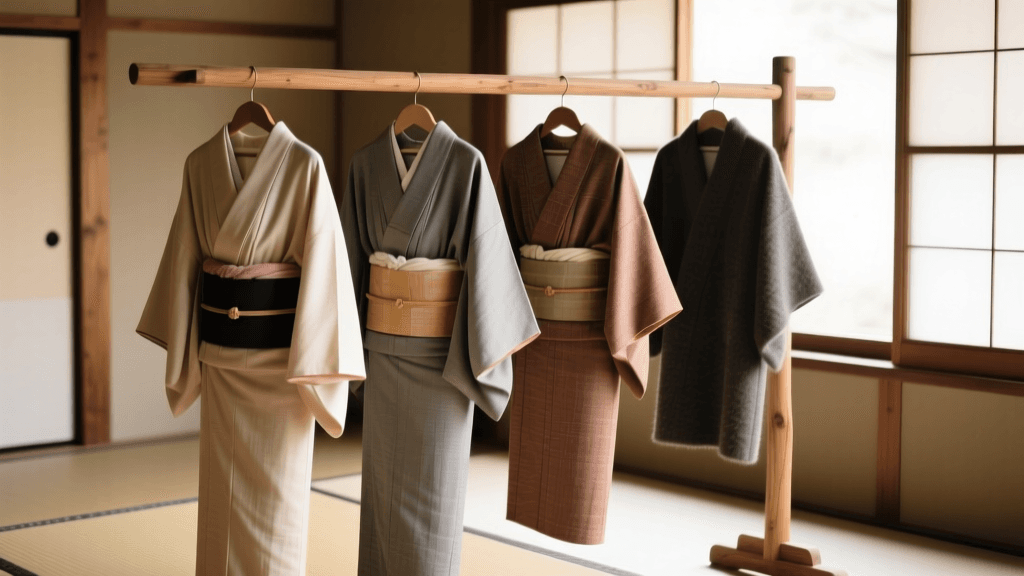
The traditional Japanese wardrobe is not merely a collection of garments; it is a living, breathing calendar that reflects the subtle shifts of the natural world. At the heart of this sartorial rhythm is the concept of koromogae (衣替え), the seasonal changing of clothes. For kimono wearers, collectors, and cultural historians, understanding textile weight seasonality and adhering to a strict fabric care calendar is essential to preserve these delicate silk masterpieces for generations. This comprehensive guide explores the intricate weight classifications of Japanese textiles and provides an actionable, month-by-month care calendar to protect your investment.
Understanding Kimono Textile Weights and Weaves
Unlike Western fashion, which often relies on layering heavy coats over lighter garments, traditional Japanese dress dictates a complete change in the foundational textile weight and weave of the kimono itself. The transition is governed by both temperature and humidity, ensuring the wearer remains comfortable while visually signaling the current season to onlookers. According to the Metropolitan Museum of Art, the evolution of these textiles is deeply intertwined with Japan's agricultural cycles and the sophisticated development of the Nishijin weaving district in Kyoto.
The Four Classifications of Kimono Textiles
| Season | Textile Type | Japanese Term | Weave and Weight Characteristics | Months Worn |
|---|---|---|---|---|
| Winter / Spring | Lined | Awase (袷) | Heavy silk crepe (Chirimen), fully lined with habutae silk. Weight: ~800g - 1000g. | October 1 to May 31 |
| Early Summer / Early Autumn | Unlined | Hitoe (単衣) | Medium-weight silk (Tsumugi or Komon), unlined with reinforced inner seams. Weight: ~500g. | June 1 to June 30; September 1 to September 30 |
| Mid-Summer | Sheer | Usumono (薄物) | Lightweight, semi-transparent plain weave silk. Weight: ~350g. | July 1 to July 15 (approximate) |
| Peak Summer | Open Weave | Ro (紗) / Sha (羅) | Leno weave or gauze with visible gaps for maximum airflow. Weight: ~250g - 300g. | July 15 to August 31 |
Deep Dive: The Mechanics of Ro and Sha
When the humidity of the Japanese summer peaks, standard silk becomes unbearable. This is where the engineering of Ro and Sha textiles comes into play. As documented by the Victoria and Albert Museum, Japanese weavers developed highly specialized loom techniques to create these breathable fabrics. Sha is a plain gauze weave where the warp threads are crossed in a figure-eight pattern, creating a uniform, net-like texture. Ro, however, is a leno weave characterized by distinct horizontal stripes of solid weave alternating with sheer, twisted-warp gaps. A high-quality Ro kimono requires a master weaver to manually adjust the tension of the warp threads, making authentic hand-woven Ro textiles highly prized and expensive, often costing upwards of $2,000 USD for a single bolt of fabric (tanmono).
The Annual Kimono Fabric Care Calendar
Silk is a protein fiber that is highly susceptible to moisture, sweat, direct ultraviolet light, and protein-eating pests. To maintain the structural integrity and vibrancy of your garments, you must follow a strict annual care calendar. This schedule aligns with the traditional Japanese practice of mushi-boshi (虫干し), the seasonal airing of garments.
Spring Care (March to May): The First Mushi-Boshi
As winter ends and the rainy season (tsuyu) approaches, it is critical to air out your heavy awase kimono before packing them away. Choose a dry, breezy day in late March or April with a humidity level below 60%. Hang your lined silk kimono on specialized wide-shouldered kimono hangers (emono) in a shaded, well-ventilated room. Never expose silk to direct sunlight, as UV rays will rapidly degrade the fibroin proteins and fade natural dyes. Allow the garments to breathe for two to three hours to release trapped winter moisture before folding them into their protective paper wrappers.
Summer Care (June to August): Sweat and Moisture Management
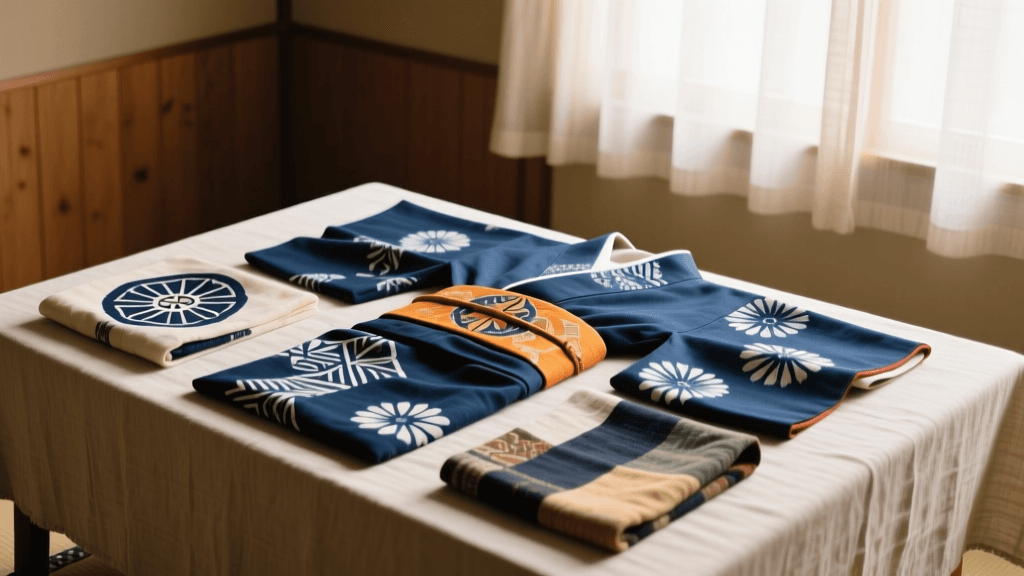
Summer is the most dangerous season for kimono preservation due to high heat and perspiration. If you wear a hitoe or ro kimono, the inner collar (han-eri) and the underarm panels (waki) will absorb sweat, which contains salts and acids that will permanently stain and rot the silk if left untreated. Immediately after wearing, hang the garment in the shade for 24 hours. For washable cotton yukata, machine wash on a gentle cycle using a specialized neutral-pH detergent, then stretch-dry on a yukata hanger to maintain the 36cm standard width. For silk, use a clean, dry microfiber cloth to gently blot any visible moisture, and send the garment to a professional kimono cleaner for spot treatment within one week.
Autumn Care (September to November): Deep Cleaning and Repacking
Autumn is the season for the most rigorous maintenance. Before the October 1st transition back to awase, send your frequently worn summer and spring garments for professional cleaning. The two primary methods are maru-arai (丸洗い), a dry-cleaning process using specialized solvents that costs approximately $40 to $80 USD per garment, and arai-hari (洗い張り), a traditional method where the kimono is completely unstitched into flat panels, washed in water, stretched on wooden frames, and re-sewn. Arai-hari costs between $150 and $300 USD but restores the fabric's original luster and removes deep-set stains. Once cleaned, wrap each kimono in acid-free tatogami (tato-shi) paper measuring 85cm by 65cm to prevent creasing and acid transfer.
Winter Care (December to February): Climate Control and Pest Prevention
During the cold, dry winter months, your primary focus is pest prevention and humidity stabilization. Protein-eating insects, such as clothes moths and carpet beetles, are the natural enemies of silk and wool. Place natural deterrents like Japanese camphor (shono) or cedar blocks inside your storage drawers. Avoid chemical mothballs containing paradichlorobenzene, as they can react with metallic threads and gold leaf (surihaku) used in formal kimono, causing irreversible blackening. Maintain the storage room's humidity between 50% and 55% using a digital hygrometer and a quiet dehumidifier to prevent the growth of mold (kabi) on the silk.
Essential Care Products, Measurements, and Costs
Building a proper kimono care and storage infrastructure requires specific tools designed to accommodate the unique dimensions of Japanese garments. Below is a curated list of essential items for the serious collector or practitioner.
- Kiribansu (Paulownia Wood Chest): Paulownia wood naturally regulates humidity and is fire-resistant. A standard three-drawer chest measures 100cm (W) x 45cm (D) x 70cm (H). Cost: $800 to $2,500 USD depending on the craftsmanship and origin.
- Tato-shi (Wrapping Paper): Specially folded, acid-free paper used to wrap the kimono. Standard size is 85cm x 65cm. Cost: $15 to $25 USD for a pack of 10 sheets.
- Emono (Kimono Hangers): Unlike Western hangers, kimono hangers feature an extra-wide, curved bamboo or plastic crossbar (approx. 45cm wide) to support the heavy sleeves without creating shoulder dimples. Cost: $20 to $45 USD each.
- Kirikaeshi (Desiccant Sheets): Silica gel or specialized moisture-absorbing sheets placed at the bottom of the drawers. Replace every six months. Cost: $10 to $15 USD for a multi-pack.
- Yukata Shikki (Stretching Pins and Boards): Used for air-drying washed cotton yukata to ensure the fabric dries perfectly straight along the grain line. Cost: $30 to $50 USD for a complete set.
"The care of a kimono is not merely a chore of maintenance, but an act of respect toward the artisans who cultivated the silk, spun the thread, and applied the dye. To preserve the garment is to preserve a fragment of time itself." — Traditional Kyoto Textile Proverb.
Conclusion
Mastering the seasonality of kimono textiles and adhering to a meticulous fabric care calendar transforms the act of dressing into a profound engagement with Japanese culture. Whether you are draping a heavy chirimen awase in the crisp air of November or slipping into a breezy ro kimono during the height of August, understanding the weight, weave, and necessary maintenance of your garments ensures they will remain vibrant and structurally sound. By investing in proper storage solutions like kiribansu and respecting the rhythms of mushi-boshi, you become not just a wearer of traditional Asian garments, but a dedicated custodian of their enduring legacy. For further historical context on the evolution of these garments, resources like Encyclopedia Britannica provide excellent foundational knowledge on the kimono's journey through Japanese history.