Hanfu Undergarments: A Guide to Traditional Chinese Layering
The Architecture of Elegance: Understanding Hanfu Layering
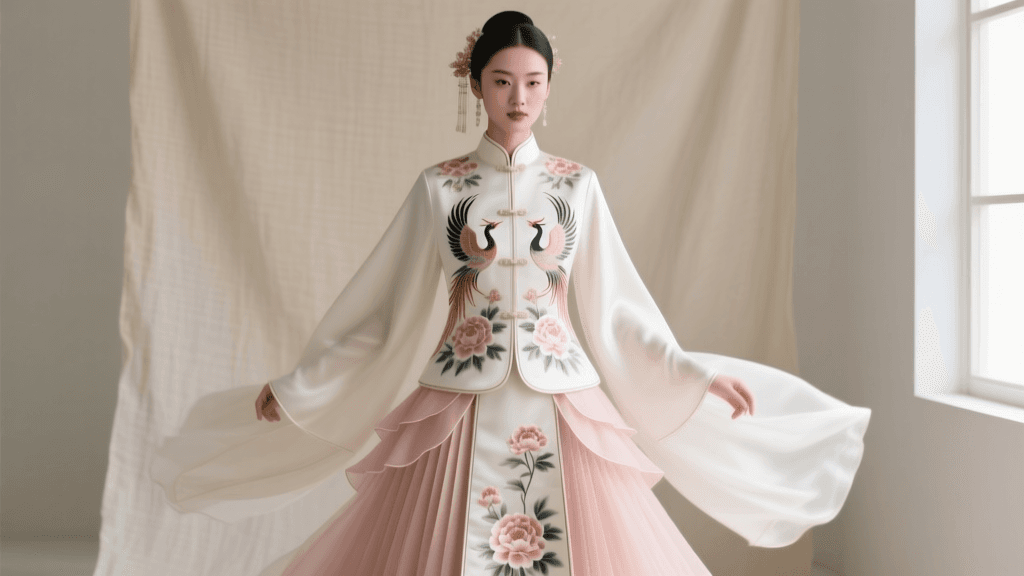
When observing traditional Chinese clothing, the untrained eye often focuses solely on the sweeping outer robes, intricate embroidery, and flowing sleeves. However, the true elegance and structural integrity of Hanfu rely entirely on what lies beneath. Hanfu is not merely a single dress; it is a complex, multi-layered architectural system. The undergarments and foundational layers dictate the drape, volume, and modesty of the outer garments, ensuring that the wearer achieves the correct historical silhouette.
For modern enthusiasts and cultural practitioners, understanding Hanfu undergarments is essential. Wearing a traditional outer robe without the proper structural base is akin to wearing a tailored suit without a dress shirt or a ballgown without a petticoat. The foundational layers absorb sweat, protect expensive outer silks from body oils, and provide the necessary volume to make the outer skirts and robes fall correctly. This comprehensive guide explores the structural basics of Hanfu layering, offering practical advice on fabrics, measurements, and historical context.
The Core Layering System: A Step-by-Step Guide
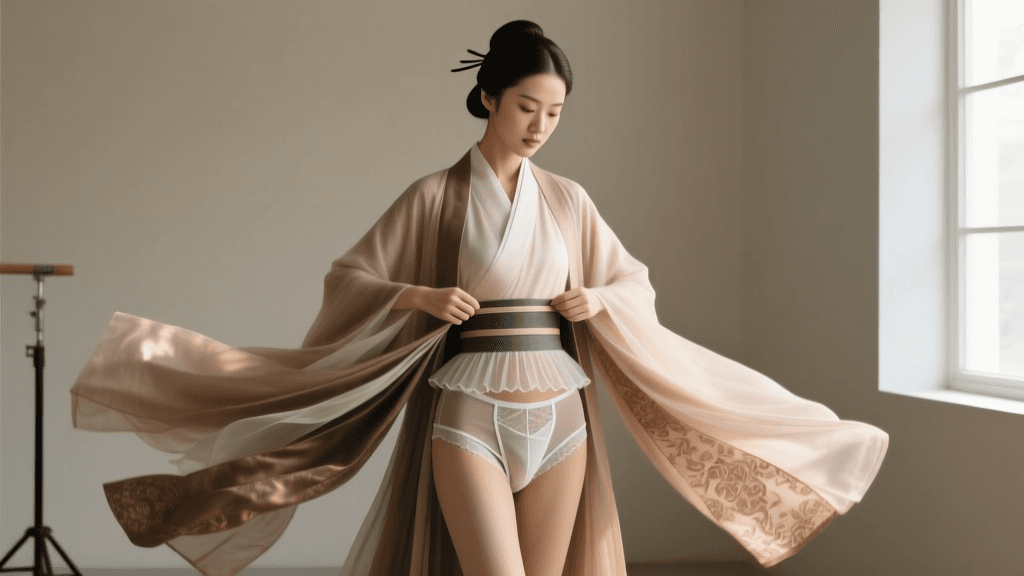
The traditional Hanfu layering system follows a strict order of operations, moving from the skin outward. Each layer serves a distinct functional and aesthetic purpose.
1. The Base Layer: Zhongyi (Inner Shirt) and Zhongku (Inner Trousers)
The Zhongyi (中衣) is the innermost upper garment, typically featuring a cross-collar (Jiaoling) design. It acts as a barrier between the skin and the outer robes. The Zhongku (中裤) are the inner trousers, usually loose-fitting and tapering at the ankle or calf. In ancient times, these were essential for modesty, especially when wearing open-sided outer skirts. Today, they provide comfort and prevent the outer garments from clinging to the legs during movement.
2. The Structural Shapers: Moxiong and Baofu
For female wearers, the Moxiong (抹胸) or Baofu (抱腹) serves as a traditional chest wrapper or bodice. Unlike modern structured bras, the Moxiong is a flat or gently curved piece of fabric that wraps around the chest and ties at the back or side. It provides moderate support, smooths the silhouette, and ensures that the neckline of the outer garments remains modest and secure. Modern practitioners often substitute this with a tube top or specialized Hanfu inner bra, but traditional cotton or silk wrappers offer the most authentic drape.
3. The Transitional Volume: Qun (Inner Skirts)
Before donning the final outer robe, a transitional skirt is often worn to add volume. While the famous Mamianqun (horse-face skirt) is often worn as an outer garment, lighter, unembroidered pleated skirts can serve as structural petticoats. This layer pushes the outer robes outward, creating the coveted A-line or bell-shaped silhouette characteristic of the Ming and Tang dynasties.
Data Table: Hanfu Layering Guide & Cost Breakdown
| Layer Name | Primary Function | Recommended Fabric | Est. Cost (USD) |
|---|---|---|---|
| Moxiong / Baofu | Chest support and modesty | Stretch cotton, silk blends | $15 - $30 |
| Zhongyi (Top) | Sweat absorption, skin barrier | Bamboo linen, pure cotton | $20 - $45 |
| Zhongku (Pants) | Leg coverage, mobility | Lightweight cotton, ramie | $15 - $35 |
| Inner Qun (Skirt) | Silhouette volume, drape | Cotton sateen, taffeta | $30 - $60 |
Fabric Choices and Seasonal Structuring
The choice of fabric for your undergarments must adapt to the climate, as the multiple layers of Hanfu can quickly lead to overheating in summer or inadequate warmth in winter. The mastery of textile production in China has historically allowed for incredible diversity in layering materials. According to the Metropolitan Museum of Art's Heilbrunn Timeline, the mastery of Chinese silk weaving allowed for the creation of diverse textile weights, from gossamer-thin gauzes to heavy brocades, which directly influenced how garments were layered across different seasons.
- Summer Layering: Opt for Ramie or Bamboo Linen for your Zhongyi and Zhongku. Ramie is highly breathable, moisture-wicking, and naturally antibacterial. For the Moxiong, a lightweight, porous cotton is ideal. Avoid synthetic linings, as they will trap heat beneath the outer silk layers.
- Winter Layering: In colder months, the Zhongyi can be padded with cotton batting or made from a soft flannel or wool-blend fabric. Historically, wealthy individuals would line their inner garments with rabbit fur or sheepskin. Modern wearers can layer thermal underwear beneath a slightly oversized Zhongyi without disrupting the outer silhouette.
- Spring/Autumn: Pure cotton or lightweight silk habotai provides the perfect balance of temperature regulation and skin protection.
Sizing, Measurements, and the 'Jiaoling Youren' Rule
Purchasing off-the-rack Hanfu undergarments can be tricky, as traditional garments rely on ties and wraps rather than zippers and buttons. Proper measurements are critical for the base layers to function correctly.
Crucial Measurements
When ordering or tailoring a Zhongyi, pay close attention to the cross-collar overlap. The left side of the collar must cross over the right side and tie at the right waist. To ensure the collar does not gape or pull tightly across the throat, you must measure your neck circumference and add at least 3 to 5 inches for the overlap panel. Additionally, the sleeve length of the Zhongyi should extend exactly to the wrist bone; if it is too long, it will bunch uncomfortably beneath the outer robe's sleeves.
The 'Jiaoling Youren' Etiquette
The golden rule of Hanfu is Jiaoling Youren (交领右衽), meaning the left collar crosses over the right. This rule applies to almost all layers, including the Zhongyi. Crossing the right over the left (Zuoren) is historically reserved for the deceased or certain nomadic tribes, and doing so is considered a severe cultural faux pas. Always double-check your base layer before tying your outer sashes.
Historical Preservation and Craftsmanship
The structural integrity of Hanfu is deeply tied to the intangible heritage of Chinese textile crafts. The production of the silk and linen used in these foundational layers is not merely a manufacturing process, but a cultural legacy. The traditional techniques of sericulture and silk craftsmanship are so vital to the creation of authentic historical garments that they are recognized by UNESCO as an Intangible Cultural Heritage of Humanity. Supporting artisans who use traditional looms and natural dyeing methods ensures that the undergarments you wear are not just structurally sound, but historically resonant.
Furthermore, examining historical artifacts provides incredible insight into how these layers were constructed. As noted in the Victoria and Albert Museum's Chinese collections archive, historical garments reveal complex internal structuring, showing that even the unseen layers were finished with meticulous flat-felled seams to prevent fraying and ensure comfort against the skin. Modern Hanfu makers who replicate these internal seam finishes provide a vastly superior wearing experience compared to mass-produced, serged alternatives.
Caring for Your Structural Layers
Because the Zhongyi and Zhongku absorb the brunt of bodily oils and sweat, they require more frequent washing than your delicate outer silk robes.
- Washing: Hand wash cotton and linen base layers in cold water with a mild, pH-neutral detergent. Avoid bleach, which weakens natural fibers and can cause yellowing over time.
- Drying: Air dry your undergarments in the shade. Direct sunlight can make linen and cotton brittle, reducing the lifespan of the fabric.
- Ironing: Traditional Hanfu looks best when the collars are crisp. Use a steam iron on the cotton/linen setting to press the collar edges of your Zhongyi before wearing. A sharp, well-pressed inner collar ensures the outer collar sits flat and elegant.
Conclusion
Mastering Hanfu undergarments is the first step toward truly understanding traditional Chinese dress. By investing in high-quality base layers, respecting the structural purpose of the Moxiong and Zhongyi, and adapting your fabrics to the seasons, you elevate your Hanfu experience from a simple costume to a lived cultural practice. The beauty of the outer robe is entirely dependent on the strength, modesty, and grace of the layers hidden beneath.