DIY Kimono Upcycling: Transform Vintage Silk Into Modern Decor
The Renaissance of Kimono Upcycling
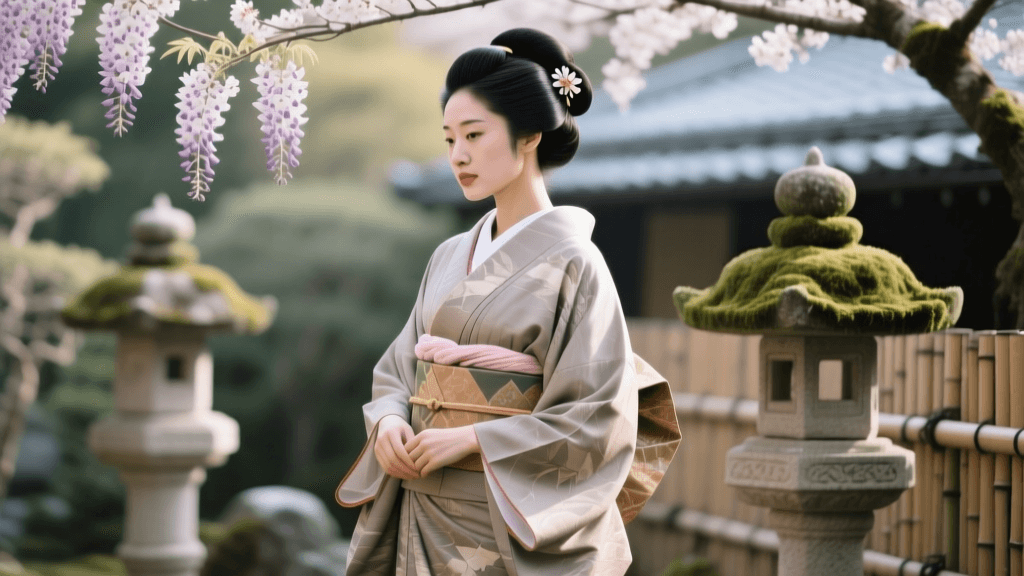
In recent years, the global crafting and sustainable fashion communities have embraced the art of upcycling vintage Japanese garments. As traditional kimono wearing declines in everyday Japanese life, thousands of exquisite silk garments find themselves stored in closets or sold at thrift markets. Rather than letting these masterpieces of textile engineering deteriorate, DIY enthusiasts and eco-conscious designers are transforming them into modern home decor, contemporary accessories, and hybrid fashion pieces. As highlighted by the Victoria and Albert Museum's landmark exhibition, the kimono is not merely a static historical artifact; it is a dynamic, evolving garment that continues to inspire global fashion and design. By repurposing these textiles, we honor their history while giving them a vibrant second life.
The Philosophy of Mottainai and Boro
Upcycling kimono silk is deeply rooted in traditional Japanese philosophies. The concept of mottainai translates roughly to 'what a waste' and conveys a deep sense of regret concerning waste. It emphasizes the intrinsic value of objects and encourages maximizing their lifespan. Historically, this was visually represented through boro (meaning 'tattered rags'), a textile practice where hemp and cotton garments were continually patched, mended, and passed down through generations. While modern kimono silk is far more luxurious than historical boro textiles, the underlying principle remains the same: every thread holds value. By deconstructing and repurposing vintage silk, modern crafters participate in a sustainable lineage that respects the labor of the original weavers, dyers, and embroiderers.
Sourcing and Deconstructing Vintage Kimono
Before you can sew, you must carefully deconstruct. Traditional kimono are constructed using a flat-pattern method with straight seams, meaning they can be entirely taken apart and returned to their original bolt-like state (tanmono).
Tools Required for Deconstruction
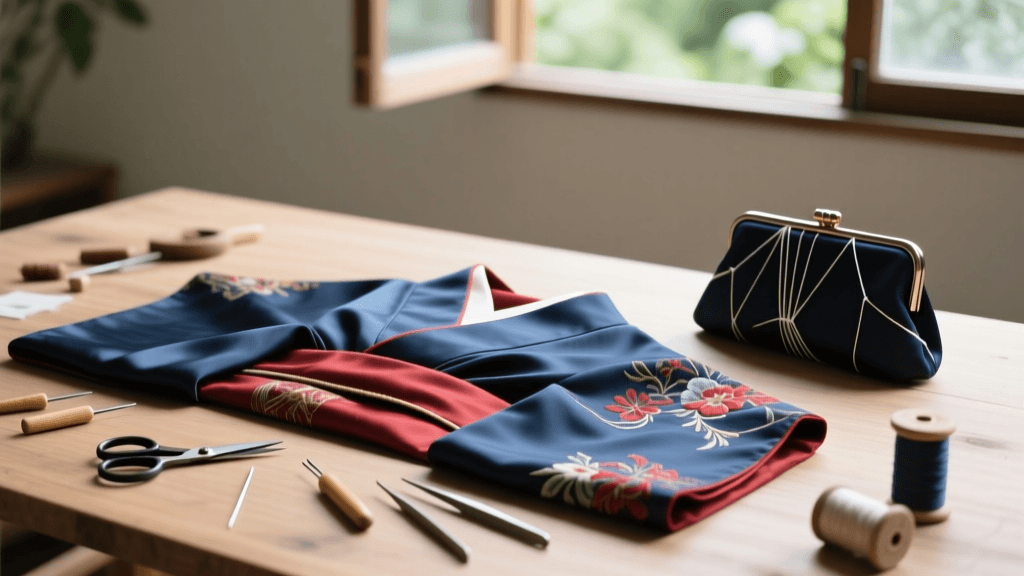
- Seam ripper (preferably with a fine, sharp point)
- Small embroidery scissors
- Tweezers (for removing stubborn thread remnants)
- Masking tape and a pen (for labeling panels)
The Art of Unpicking
Begin by identifying the main panels: the mi-goro (main body panels), sode (sleeves), and okumi (front overlapping panels). Use your seam ripper to carefully slice the threads. Never pull the fabric apart forcefully, as vintage silk can tear along the grain if stressed. Once unpicked, use tweezers to remove any remaining thread nubs. Label each piece with masking tape to remember its original orientation, which is especially useful if you plan to use the continuous length of the fabric for larger projects like curtains or bed runners.
Cleaning and Blocking Delicate Silk
Vintage kimono silk, particularly rinzu (silk damask) or chirimen (silk crepe), requires specialized care. Dry cleaning is often recommended, but for DIY upcycling where the garment will be cut into smaller pieces, gentle hand-washing is possible. Fill a basin with cold water and a pH-neutral detergent specifically designed for delicates, such as Orvus WA Paste or a mild baby shampoo. Submerge the silk panels and gently agitate the water with your hands. Never wring or twist the silk. Roll the wet panels in a clean, dry cotton towel to press out excess moisture, then lay them flat on a drying rack away from direct sunlight. For crepe silk that has lost its tension, lightly mist the fabric and pin it taut to a blocking board to restore its dimensions before cutting.
Project Assessment: Matching Fabric to Function
Not all vintage kimono are in pristine condition. Assessing the fabric's integrity is crucial for determining the best upcycling project. Refer to the table below to match your fabric's condition with the ideal DIY application.
| Fabric Condition | Characteristics | Best Upcycling Projects |
|---|---|---|
| Mint / Excellent | No stains, vibrant colors, strong tensile strength, intact lining. | Modern Haori Cardigans, Silk Wrap Skirts, Luxury Tote Bags. |
| Good / Faded | Slight color fading from sun exposure, minor wear at the hem, structurally sound. | Throw Pillows, Table Runners, Framed Textile Art, Scarves. |
| Damaged / Stained | Localized stains, small tears, weakened silk in high-friction areas. | Patchwork Quilts, Kanzashi (Hairpins), Brooches, Bookmarks. |
Project 1: The Envelope Silk Throw Pillow
Creating an envelope-style throw pillow is the perfect entry-level project for kimono upcycling. It requires minimal cutting and preserves large, uninterrupted sections of the garment's beautiful motifs.
Materials and Measurements
- 18x18 inch pillow insert
- One large panel of kimono silk (at least 20x45 inches)
- Lightweight fusible interfacing (to stabilize the silk)
- Matching silk thread
Step-by-Step Instructions
- Stabilize the Silk: Iron a lightweight fusible interfacing to the wrong side of your silk panel. This prevents the slippery silk from shifting during sewing and gives the finished pillow a luxurious, structured feel.
- Cut the Panels: Cut one 19x19 inch square for the front of the pillow. Cut two 19x13 inch rectangles for the overlapping back panels.
- Hem the Back Panels: Fold and press one long edge of each back rectangle by 1/2 inch, then fold again by 1/2 inch to enclose the raw edge. Sew a straight stitch to create a clean hem.
- Assemble the Envelope: Lay the front panel right side up. Place the two back panels right side down on top of the front panel, aligning the raw edges on the outside and allowing the hemmed edges to overlap in the center. Pin securely.
- Sew and Finish: Sew around all four sides with a 1/2 inch seam allowance. Turn the cover right side out through the overlapping back opening, press the edges, and insert the pillow form.
Project 2: The Modern Kimono Silk Tote Bag
For those looking to create a wearable accessory, a structured tote bag showcases the bold graphics of yuzen dyed silk or the intricate weaving of nishijin-ori.
Reinforcing the Silk
Because kimono silk is delicate, it must be heavily reinforced to withstand the weight of daily essentials. Cut your silk panels to your desired tote dimensions (a standard 14x16 inch rectangle works well). Fuse a heavy-duty canvas or cotton interfacing directly to the wrong side of the silk. This effectively turns the delicate silk into a durable upholstery-weight fabric. When constructing the bag, use a walking foot on your sewing machine to ensure the layers feed evenly without puckering. Finish the interior with a sturdy cotton or linen lining, and attach leather straps using rivets or heavy-duty topstitching for a striking contrast between traditional Japanese silk and modern hardware.
The Global Impact of Textile Upcycling
The practice of repurposing kimono silk extends far beyond individual crafting; it is a meaningful contribution to global sustainability. According to the Ellen MacArthur Foundation, the equivalent of one garbage truck of textiles is landfilled or burned every second. The fast fashion industry relies on a linear 'take-make-dispose' model that depletes natural resources and generates massive waste. By choosing to upcycle vintage textiles, crafters actively participate in a circular economy. Furthermore, preserving these techniques honors the artisans who created them. The Metropolitan Museum of Art notes that Japanese textiles have long been revered for their complex dyeing and weaving techniques, which require years of mastery. When we upcycle a shibori or kasuri garment, we are rescuing a piece of wearable art from the landfill and keeping traditional craftsmanship visible in our modern, everyday lives.
Conclusion
Upcycling vintage kimono is a deeply rewarding practice that bridges the gap between historical Asian traditions and contemporary sustainable living. Whether you are sewing a simple silk pillowcase to brighten your living room or tailoring a reinforced tote bag for your daily commute, you are engaging in an act of preservation. By applying the principles of mottainai, we ensure that the breathtaking artistry of Japanese textile makers continues to be cherished, utilized, and admired for generations to come.