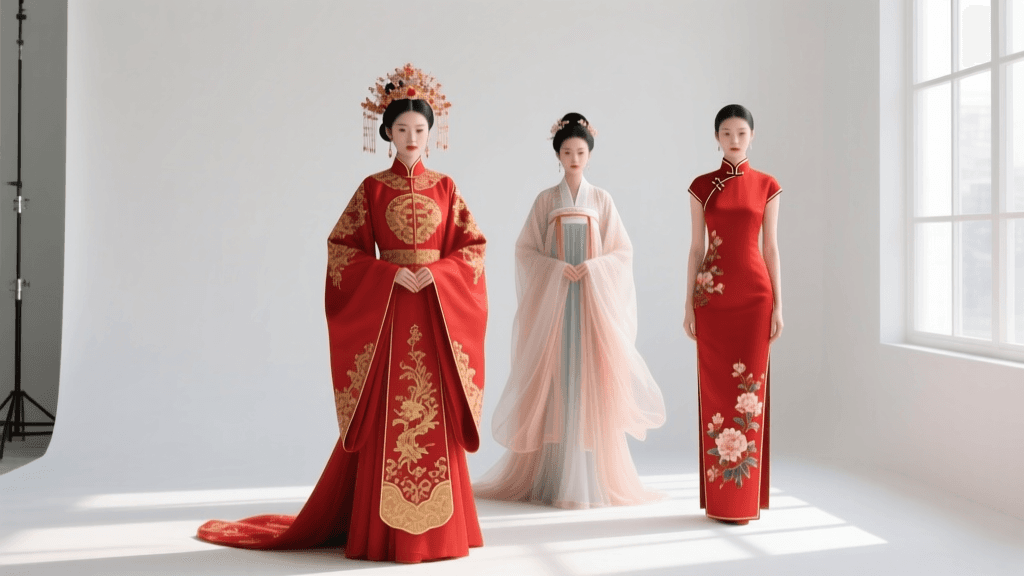
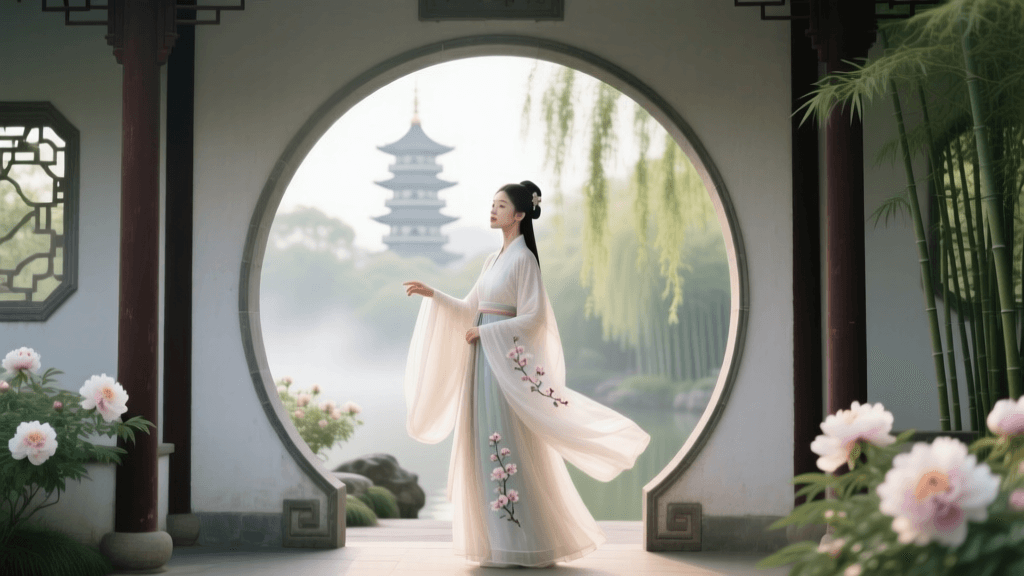
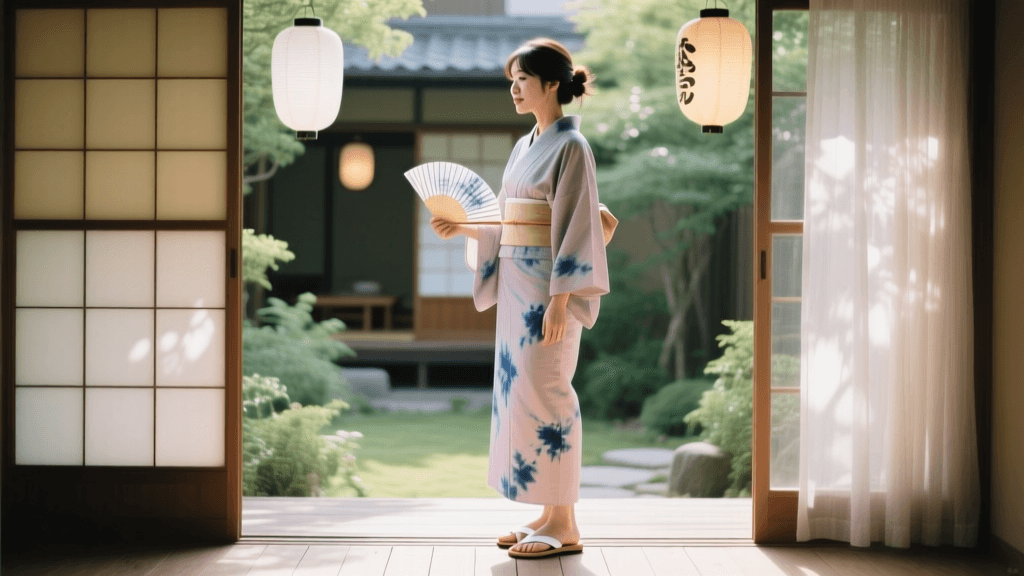
The Ultimate Guide to Hanfu Meetups and Conventions
The Rise of the Hanfu Community
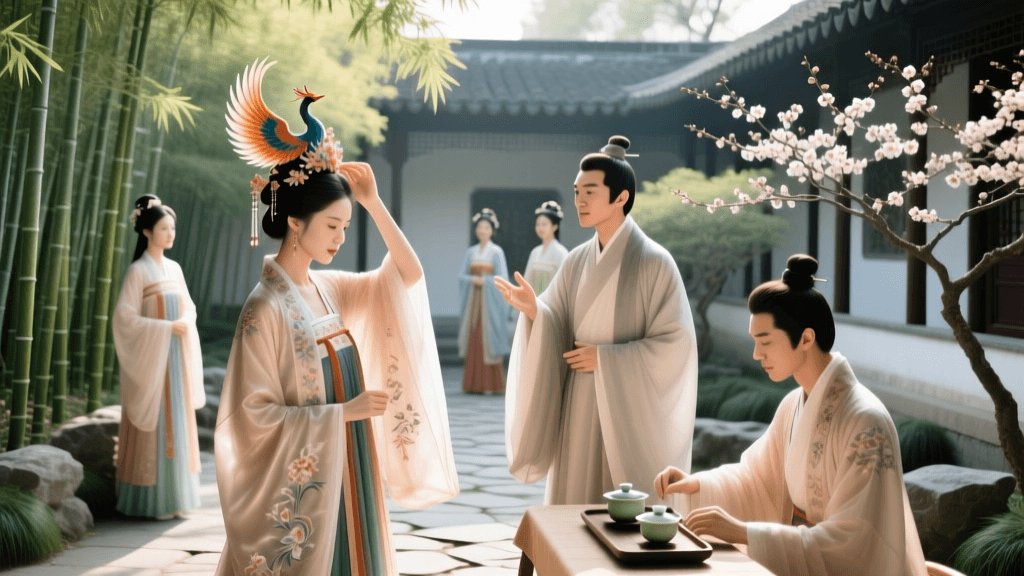
Over the past two decades, the Hanfu movement has transformed from a niche internet subculture into a vibrant, real-world phenomenon. What began in the early 2000s as an online discussion forum dedicated to reviving pre-Qing dynasty clothing has blossomed into a global community of millions. Today, Hanfu enthusiasts—affectionately known as tongpao (同袍, meaning 'comrades' or 'those who share the same robe')—gather in parks, botanical gardens, and historical sites to celebrate traditional Chinese aesthetics, craftsmanship, and culture.
According to cultural analysts, this revival is driven by a younger generation seeking to reconnect with their heritage in a rapidly modernizing world. As reported by The New York Times, the movement is not merely about fashion; it is a profound expression of cultural identity and historical appreciation. Whether you are a seasoned collector of Ming dynasty textiles or a curious newcomer looking to attend your first local park photoshoot, navigating the Hanfu community requires a blend of historical knowledge, practical preparation, and respectful etiquette.
Major Hanfu Conventions and Festivals
While local meetups happen weekly in major cities, large-scale conventions offer an immersive, multi-day experience. The most prominent of these is the Xitang Hanfu Culture Week, held annually in the picturesque water town of Xitang, Zhejiang Province. Usually taking place in late October or early November, this event draws tens of thousands of attendees.
What to Expect at Major Conventions
- The Grand Parade: Hundreds of participants march through the ancient stone streets, categorized by dynasty (Tang, Song, Ming) and specific garment styles.
- Cultural Workshops: Attendees can participate in traditional archery, tea ceremonies, calligraphy, and ancient Chinese music performances.
- Night Markets: Vendors sell everything from entry-level mass-produced Hanfu to bespoke, hand-embroidered silk garments, alongside traditional hairpins and jade ornaments.
Beyond Xitang, cities like Chengdu, Hangzhou, and Xi'an host regional festivals. As noted by the South China Morning Post, these regional events often highlight local textile specialties, such as Shu embroidery in Chengdu, giving attendees a chance to see regional craftsmanship up close.
Preparing for Your First Hanfu Meetup
Attending a meetup requires more than just buying a costume online; it involves understanding the historical context of your garments and preparing for the physical demands of a day-long event. Here is a practical guide to budgeting and styling for your first gathering.
Budgeting for Hanfu
The cost of Hanfu varies wildly based on materials, brand reputation, and historical accuracy. Below is a general breakdown of what to expect when building your meetup wardrobe:
- Entry-Level ($40 - $90 USD): Typically made from polyester or cotton blends. These are great for beginners and casual park meetups. Brands like Shisanyu and Qingniao offer accessible options.
- Mid-Tier ($100 - $250 USD): Features better tailoring, jacquard weaves, and machine embroidery. Ideal for conventions and formal group photos.
- High-End / Bespoke ($300 - $1,000+ USD): Hand-embroidered silk, authentic brocade, and historically accurate tailoring. Often commissioned months in advance from specialized ateliers.
Seasonal Styling and Fabric Guide
Outdoor meetups require strategic styling to ensure comfort without sacrificing historical aesthetics. Use the table below to plan your outfit based on the season of your event.
| Season | Recommended Style | Ideal Fabric | Est. Cost (USD) | Key Accessories |
|---|---|---|---|---|
| Spring | Ming Dynasty Aoqun (Jacket & Skirt) | Cotton-linen blends, light jacquard | $80 - $150 | Silk ribbons, floral hairpins |
| Summer | Song Dynasty Beizi (Open front jacket) | Silk chiffon, ramie, lightweight linen | $100 - $200 | Bamboo fans, lightweight jade pendants |
| Autumn | Tang Dynasty Ruqun (Chest-high skirt) | Brocade, medium-weight silk | $120 - $250 | Gold hair crowns, embroidered pouches |
| Winter | Ming Dynasty Pifeng (Cloak) + Mamianqun | Wool blends, faux fur lining, velvet | $150 - $350 | Fur stoles, hand-warmers (muff) |
Etiquette and Community Guidelines
The Hanfu community is generally welcoming, but it is bound by unwritten rules of respect regarding the garments and the individuals wearing them. When attending conventions or local meetups, keep the following etiquette guidelines in mind:
Hanfu is not a costume; it is traditional cultural dress. Approach enthusiasts with the same respect you would afford someone wearing modern formal or cultural attire.
- Ask Before Photographing: While many attendees dress up specifically to be photographed, always ask for consent before taking close-up portraits. A simple, 'Excuse me, your Hanfu is beautiful, may I take a photo?' is standard.
- Never Touch the Garments: Silk and delicate embroidery can be easily snagged or stained. Never touch another person's sleeves, skirts, or hair accessories without explicit permission.
- The Traditional Greeting: When interacting with fellow enthusiasts, you may use the traditional Zuoyi (作揖) or Gongshou (拱手) salute. This involves clasping your hands in front of your chest and bowing slightly. (Note: For men, the left hand typically covers the right fist; for women, the right hand covers the left).
- Respect Historical Accuracy: While 'Hanfu fantasy' (Hanfu mixed with modern or fantasy elements) is popular, many community members are strict historians. Avoid loudly criticizing historically accurate garments or mixing dynasty-specific items (like a Tang top with a Ming skirt) if you are attending a strict historical reconstruction meetup.
How to Organize a Local Hanfu Photoshoot Meetup
If there isn't an active Hanfu community in your area, or if you want to curate a specialized photoshoot, organizing your own meetup is a rewarding endeavor. Here is a step-by-step guide to pulling off a successful local event.
Step 1: Location Scouting and Permits
The backdrop is crucial for Hanfu photography. Look for locations with traditional architecture, bamboo forests, or classical gardens. If you are organizing a group of more than 10 people, contact the local parks department to inquire about photography permits. Many botanical gardens require a commercial or group photography fee if tripods and reflectors are involved.
Step 2: Timing and Lighting
Schedule your meetup around 'golden hour'—the hour after sunrise or the hour before sunset. Midday sun creates harsh shadows that wash out the intricate embroidery and silk textures of Hanfu. Plan for a 3-hour window: one hour for dressing and makeup, and two hours for shooting.
Step 3: Communication and Coordination
Set up a WeChat group, Discord server, or WhatsApp chat for attendees. Clearly communicate the dress code (e.g., 'Song Dynasty Summer Theme' or 'Ming Dynasty Formal'). Provide a mood board so participants can align their color palettes, which results in much more cohesive group photos.
The Organizer’s Emergency Checklist
As the organizer, you are responsible for the smooth operation of the day. Always bring an emergency kit containing the following items:
- Wardrobe Malfunction Kit: Safety pins, double-sided fashion tape, and a portable sewing kit with neutral-colored threads.
- Comfort Supplies: Sunscreen, bug spray, portable hand fans, and bottled water.
- Photography Gear: A 5-in-1 collapsible reflector (essential for bouncing light onto faces shaded by wide-brimmed hats or hairpieces), and a portable step-stool for adjusting high hairpins.
- Garment Care: A handheld steamer (if power is available) or a wrinkle-release spray to refresh skirts that have been folded in transit.
The Global Hanfu Community
The Hanfu movement is no longer confined to China. International students and diaspora communities have established Hanfu clubs at major universities across the United States, the United Kingdom, and Australia. These international meetups often blend traditional garment appreciation with cultural education, hosting workshops on how to properly fold and store silk garments, how to tie traditional hair ribbons, and the history of Chinese textile dyeing techniques like indigo resist-dyeing.
Attending an international university meetup is an excellent, low-pressure way for beginners to enter the community. These clubs frequently have 'loaner' garments available for newcomers to try on during their first event, removing the initial financial barrier to entry.
Conclusion
Participating in Hanfu meetups and conventions is a deeply enriching experience that bridges the gap between ancient history and modern community building. Whether you are walking the stone bridges of Xitang during a grand cultural week, or simply sharing tea in a local park with fellow enthusiasts, the key to a successful experience lies in preparation, respect, and a genuine appreciation for the artistry of traditional Asian garments. By understanding the historical context of your clothing, adhering to community etiquette, and carefully planning your logistics, you can fully immerse yourself in the beautiful, living tapestry of the Hanfu revival.