Hanfu Tourism: Destination Styling and Social Media Guide
The Rise of Hanfu Destination Tourism
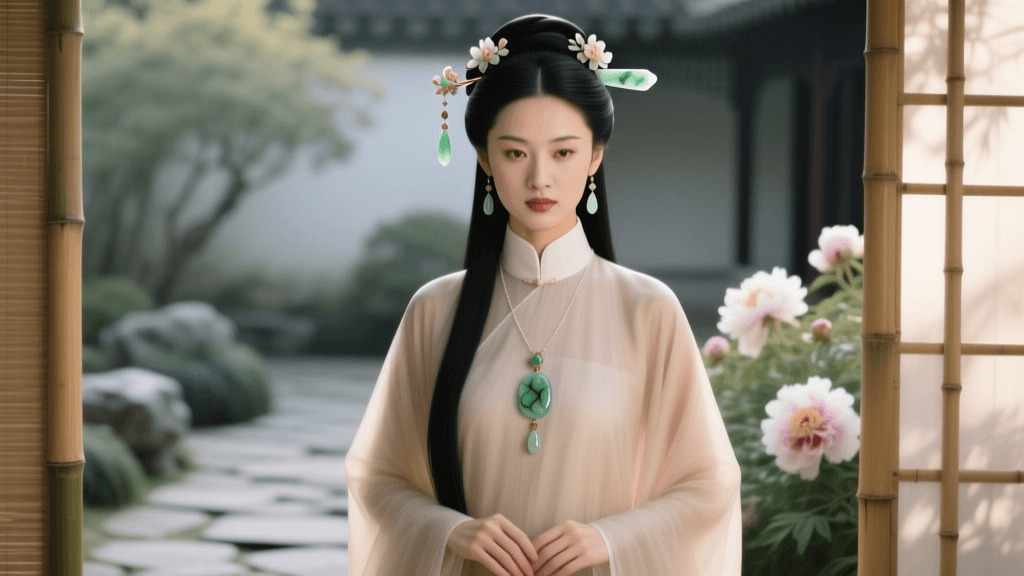
The intersection of traditional Chinese clothing and modern travel has birthed a vibrant cultural phenomenon known as Hanfu tourism. Driven by the 'Guochao' (national trend) movement, millions of travelers are no longer just visiting historical sites; they are immersing themselves in the living history of China by wearing meticulously researched Hanfu. Cities like Xi'an, Hangzhou, Luoyang, and Dunhuang have transformed into sprawling, open-air studios where ancient architecture meets contemporary social media content creation. For the modern traveler and digital creator, planning a Hanfu-centric trip requires a strategic blend of historical knowledge, logistical preparation, and visual storytelling.
Unlike standard vacation wardrobes, curating a Hanfu travel wardrobe demands an understanding of regional aesthetics, historical dynasties, and the practicalities of navigating crowded heritage sites in flowing silk and structured brocade. Whether you are aiming to capture cinematic slow-motion videos for Douyin or curate highly detailed 'Outfit of the Day' (OOTD) guides for Xiaohongshu (RED), the success of your content hinges on matching the garment to the geographical and historical backdrop.
Matching Hanfu Styles to Iconic Destinations
China's vast geographical and historical landscape means that a garment suited for the arid, mythological dunes of Dunhuang will look entirely out of place amidst the misty, weeping willows of Hangzhou. Aligning your Hanfu style with the specific dynasty most closely associated with your destination elevates your photography from a simple costume shoot to a culturally resonant visual essay.
| Destination | Best Hanfu Era and Style | Ideal Season | Avg. Rental + Makeup Cost |
|---|---|---|---|
| Xi'an (Datang Everbright City) | Tang Dynasty (Qixiong Ruqun, vibrant colors) | Spring / Autumn | 300 RMB ($42 USD) |
| Hangzhou (West Lake) | Song Dynasty (Beizi, pleated skirts, minimalist) | Spring / Early Summer | 250 RMB ($35 USD) |
| Beijing (Forbidden City) | Ming Dynasty (Mamianqun, Aoqun, structured) | Autumn / Winter | 400 RMB ($55 USD) |
| Dunhuang (Mogao Caves) | Feitian / Mythological (Shawls, bare arms, gold) | Late Summer / Early Autumn | 500 RMB ($70 USD) |
Xi'an: The Opulence of the Tang Dynasty
As the ancient capital of Chang'an, Xi'an is the undisputed kingdom of Tang Dynasty fashion. The Tang era was characterized by its cosmopolitan openness, resulting in the 'Qixiong ruqun' (chest-high skirt) and wide-sleeved robes. The vibrant reds, golds, and peony motifs of Tang Hanfu perfectly complement the illuminated pavilions of the Datang Everbright City at night. For social media, this era allows for dramatic, high-contrast lighting and dynamic sleeve movements.
Hangzhou: The Elegance of the Song Dynasty
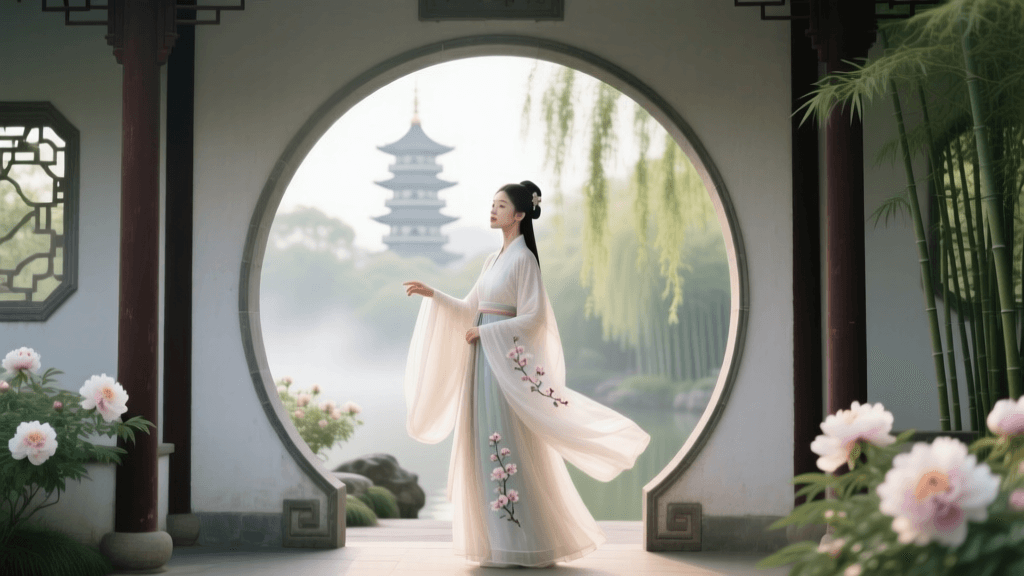
The West Lake in Hangzhou, a UNESCO World Heritage site, offers a serene, poetic backdrop that demands the understated elegance of the Song Dynasty. Song style favors slender silhouettes, narrow sleeves, and the 'Beizi' (a long, open-front jacket) worn over pleated skirts. The color palette should mimic traditional ink wash paintings: celadon, pearl white, and soft lavender. This aesthetic is highly favored on Xiaohongshu for its 'old money' and quiet luxury appeal.
Beijing: The Majesty of the Ming Dynasty
The imposing red walls and golden roof tiles of Beijing's imperial architecture require the structured majesty of Ming Dynasty Hanfu. The Mamianqun, or horse-face skirt, features pleated sides and flat panels that create a stunning, rhythmic visual when walking or spinning. Paired with a standing-collar 'Ao' (jacket) and intricate woven gold patterns, Ming Hanfu provides a regal, commanding presence ideal for low-angle, cinematic video transitions.
Renting vs. Buying: A Cost and Convenience Breakdown
When planning a Hanfu tourism trip, creators must decide whether to rent locally or invest in their own garments. Both options have distinct advantages depending on your content goals and travel itinerary.
The Local Rental Experience
Cities like Luoyang and Xi'an boast thousands of Hanfu experience shops clustered near major tourist gates. A standard package (299 to 499 RMB) typically includes a 12-hour garment rental, professional historical hair styling, and full makeup. This is highly cost-effective and convenient, especially for complex Tang or Song hairstyles that require hairpieces and specialized pins. However, rental garments are often made of synthetic polyester to withstand frequent washing, which can result in unwanted shine and poor drape in high-resolution 4K video.
Investing in Couture for Content
If your goal is to produce premium, high-fashion editorial content, purchasing from established Hanfu brands (such as Ming Hua Tang, Shisanyu, or Zhongling) is essential. Authentic silk brocades, jacquard weaves, and natural linen blends absorb light beautifully and provide a rich texture that synthetic rentals lack. A mid-tier Ming Dynasty set will cost between 600 and 1,500 RMB ($85 to $210 USD). While the upfront cost is higher, owning your garments allows for multi-day shoots, travel across different provinces, and the ability to steam and tailor the fit perfectly to your body.
Capturing Viral Content: Social Media Strategies
Creating standout Hanfu content requires more than just a beautiful garment; it requires an understanding of platform algorithms, lighting, and historical props.
Platform-Specific Approaches
- Xiaohongshu (RED): Focus on high-aesthetic photography, detailed fabric close-ups, and comprehensive travel guides. Users here value authenticity and practical tips. Include detailed captions about the historical accuracy of your outfit, the brand of your Hanfu, and the exact GPS coordinates of your photo spots.
- Douyin / TikTok: Prioritize dynamic storytelling. Use the 'before and after' transition format, starting in modern airport travel wear and transitioning into full Hanfu regalia via a sleeve flick or fan snap. Slow-motion footage (60fps or 120fps) of heavy skirts and ribbons catching the wind performs exceptionally well.
- Instagram: Blend cinematic Reels with carousel posts that explain the cultural significance of the garments to an international audience, bridging the gap between traditional Asian culture and global fashion enthusiasts.
Lighting and Timing
The secret to viral Hanfu photography is avoiding the midday sun and the midday crowds. The 'Golden Hour' (the hour after sunrise and the hour before sunset) provides soft, directional light that highlights the metallic threads in woven brocades. For popular sites like the Palace Museum in Beijing or West Lake in Hangzhou, arrive exactly at opening time (usually 8:00 AM or 8:30 AM). This ensures your background is free of modern tourists in neon windbreakers, preserving the historical illusion.
The Art of Historical Props
Empty hands can make poses feel stiff and unnatural. Integrate historically appropriate props to give your hands purpose and add depth to your frame. Oil-paper umbrellas are perfect for misty Hangzhou mornings, while bamboo flutes, folding fans, and intricately embroidered round fans (tuanshan) suit the scholarly aesthetics of the Song and Ming dynasties. Understanding the historical context of these garments and accessories, as detailed by institutions like The Metropolitan Museum of Art's timeline of Chinese dress, adds a layer of educational depth to your storytelling that audiences deeply appreciate.
True cultural tourism is not just about wearing the clothes; it is about understanding the rhythm of the space and the history woven into the silk. Let the architecture guide your pose, and let the history guide your narrative.
The Ultimate Hanfu Travel Packing List
Traveling with traditional garments presents unique logistical challenges. Silk wrinkles easily, and layered skirts can be cumbersome in transit. Pack these essentials to ensure your garments remain camera-ready:
- Portable Battery-Operated Steamer: Essential for removing transit wrinkles from heavy brocades and delicate chiffons without needing an ironing board in your hotel room.
- Double-Sided Fashion Tape: An absolute necessity for Tang Dynasty Qixiong ruqun to prevent wardrobe malfunctions during active video shoots or windy conditions.
- Cotton Bike Shorts: Worn underneath Mamianqun and pleated skirts. The open slits of the horse-face skirt can catch sudden gusts of wind, and bike shorts provide modesty and comfort while sitting on ancient stone steps.
- Hidden Wedge Sneakers: Traditional embroidered cloth shoes are beautiful but offer zero arch support for walking 15,000 steps across palace courtyards. Sleek, white wedge sneakers hidden beneath the hem of a long skirt provide height and comfort without breaking the visual illusion.
- Garment Bags with Cedar Rings: Protect your silk investments from snags, dust, and transit moisture. Cedar rings help maintain the freshness of the fabric between wears.
- Historical Hair Accessories in a Hard Case: Delicate velvet flowers (ronghua), pearl hairpins, and metal buyao (step-shake) ornaments should be stored in a padded, hard-shell jewelry case to prevent bending and tarnishing.
Conclusion
Hanfu destination tourism is a profound way to connect with Asian traditions, transforming passive sightseeing into active cultural participation. By carefully selecting garments that harmonize with the historical and geographical essence of your destination, managing the logistics of traditional fabrics, and employing strategic social media techniques, you can create breathtaking content that honors the past while engaging the modern digital world. Whether you are twirling a Tang Dynasty sleeve in Xi'an or quietly sipping tea in a Song-style pavilion in Hangzhou, your journey becomes a living bridge between centuries of artistry and today's global audience.