Traditional Chinese Wedding Attire: Qungua, Hanfu & Qipao Guide
The Evolution of Chinese Bridal Fashion
The traditional Chinese wedding is a profound tapestry of symbolism, ancestral reverence, and visual splendor. At the heart of this celebration is the bridal attire, which has evolved over centuries to reflect regional customs, dynastic shifts, and modern revivals. Today, brides often curate a wardrobe of multiple garments to honor different phases of the wedding day, from the morning tea ceremony to the grand evening banquet. Understanding the nuances of the Qungua, Hanfu, and Qipao is essential for any bride looking to honor her heritage with authenticity and elegance. According to BBC Culture, the modern resurgence of historical garments has deeply influenced how contemporary couples approach their ceremonial wardrobes, blending ancient craftsmanship with modern silhouettes.
The Qungua (Kwa): The Cantonese Masterpiece
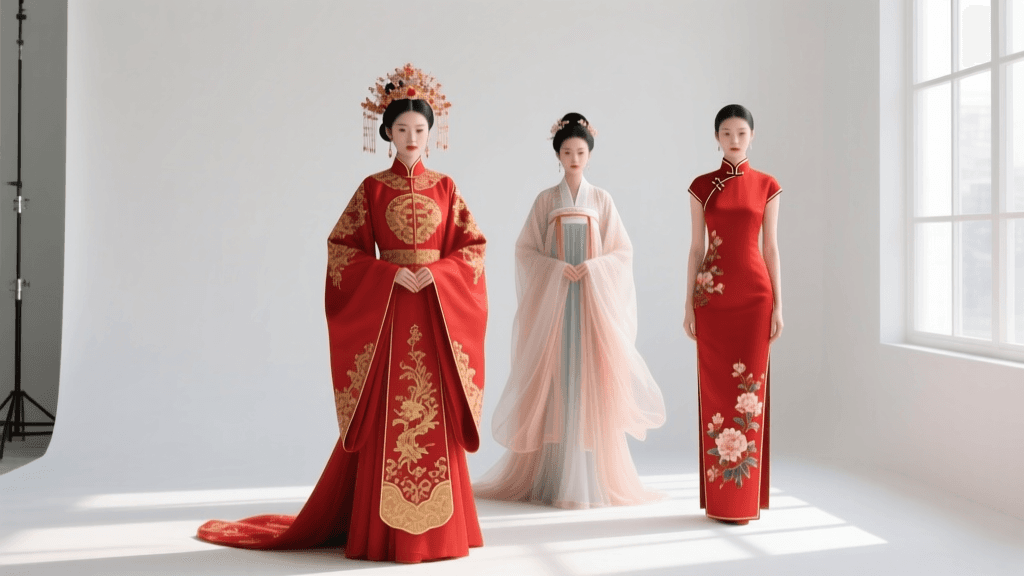
The Qungua, also known as the Kwa in Cantonese, is a two-piece bridal ensemble originating from southern China, particularly Guangdong. It consists of a tailored jacket (Gua) and a pleated skirt (Qun). The defining feature of the Qungua is its intricate embroidery, traditionally executed using gold and silver thread couching techniques over dense silk satin. The motifs are heavily symbolic: the dragon (Long) represents the groom and yang energy, while the phoenix (Feng) represents the bride and yin energy. Together, they symbolize marital harmony and imperial grace.
Embroidery Density and Pricing
When shopping for a Qungua, buyers must understand the classification of embroidery density, which directly dictates the garment's cost, weight, and production time:
- Xiao Wu Fu (Small Five Fu): Features roughly 30% embroidery coverage. Ideal for brides on a budget or those preferring a lighter garment. Cost: $800 - $1,500.
- Zhong Wu Fu (Medium Five Fu): Features about 50% embroidery coverage, balancing visual impact with comfort. Cost: $1,500 - $3,000.
- Da Wu Fu (Large Five Fu): Features 70% coverage, showcasing elaborate dragons and phoenixes. Cost: $3,000 - $6,000.
- Gua Huang (Jacket Emperor): Features 90-95% coverage. The red silk is barely visible beneath the dense gold and silver thread. Cost: $8,000 - $15,000+.
- Xiao Huang (Small Emperor): The pinnacle of Qungua craftsmanship, featuring 100% coverage and 3D立体 (three-dimensional) embroidery. Cost: $15,000 - $30,000+.
Bespoke Qunguas require meticulous hand-stitching, often taking master artisans in Chaozhou or Suzhou between 4 to 12 months to complete. As noted by The Metropolitan Museum of Art, Chinese textile traditions like Su embroidery and gold couching are historically significant art forms that require immense technical mastery, making a high-density Qungua not just a garment, but an heirloom investment.
Xiuhefu and Hanfu: The Ming Dynasty Revival
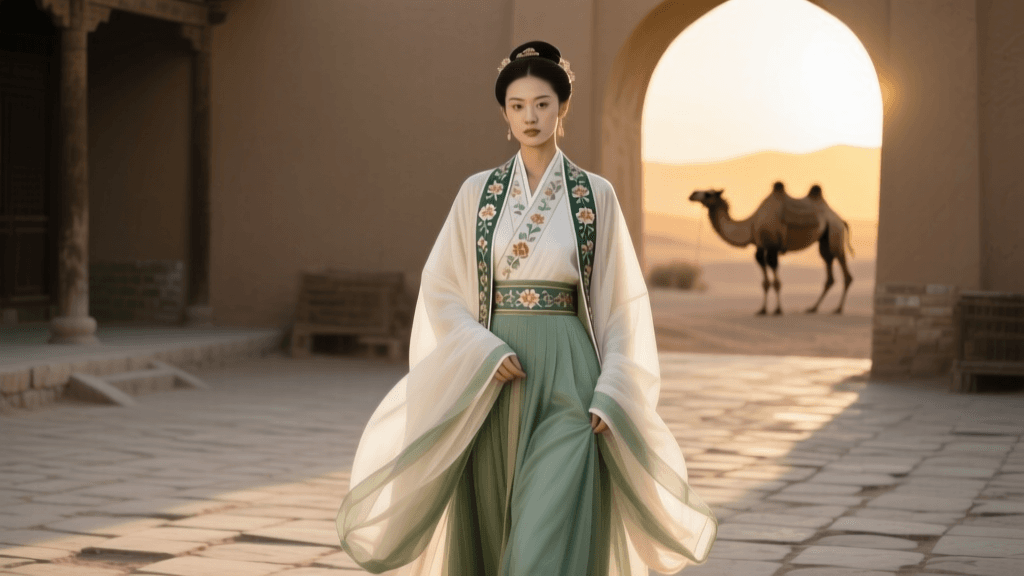
While the Qungua dominates southern weddings, the Xiuhefu and traditional Hanfu have become the preferred ceremonial attire for couples across broader China, heavily inspired by Ming Dynasty (1368–1644) aesthetics. The Xiuhefu is characterized by its loose, A-line silhouette, featuring a cross-collared top (Ao) and a flowing, pleated skirt (Mamianqun or horse-face skirt). Unlike the structured Qungua, the Xiuhefu offers a romantic, ethereal drape, often adorned with vibrant Suzhou embroidery depicting peonies, bats (symbolizing good fortune), and pomegranates (symbolizing fertility).
The Fengguan Xiapei (Phoenix Crown and Cloud Scarf)
For brides opting for a strict historical Hanfu wedding, the ultimate ceremonial look is the Fengguan Xiapei. The Fengguan is an elaborate headdress adorned with kingfisher feathers (or modern silk/thread alternatives), pearls, and jade, while the Xiapei is a heavily embroidered stole draped over the shoulders. As highlighted by Smithsonian Magazine, the Hanfu revival movement has propelled these historically accurate garments back into mainstream ceremonial use, allowing modern brides to wear garments that mirror ancient nobility. Cost for a complete Xiuhefu set: $300 - $2,500. Production time: 1 to 3 months.
The Qipao (Cheongsam): Elegance for the Tea Ceremony
No Chinese wedding wardrobe is complete without the Qipao. Originating in the 1920s in Shanghai, the modern Qipao is a form-fitting, high-collared dress that celebrates the bride's silhouette. In contemporary weddings, the Qipao is typically worn during the morning door games, the groom's pickup, and the all-important Tea Ceremony with elders. For the Tea Ceremony, brides often choose a shorter, flared hemline to allow for easy kneeling, dyed in auspicious crimson or burgundy silk brocade.
Bespoke Tailoring and Measurements
Because the Qipao is unforgiving in its fit, bespoke tailoring is mandatory. A master tailor will require at least 12 precise measurements to ensure the silk brocade glides over the body without pulling at the seams. Essential measurements include:
- Hollow-to-Hem: Crucial for determining the exact length relative to the collarbone.
- Apex-to-Apex: The distance between the bust points, ensuring the darts are perfectly placed.
- Armhole Depth: A poorly measured armhole will restrict movement when serving tea.
- Neck Circumference: The Mandarin collar must sit snugly without choking the bride.
Cost for a bespoke silk Qipao: $500 - $2,500. Tailoring time: 4 to 8 weeks.
Comparison Chart: Choosing Your Ceremonial Garment
| Garment Type | Best Ceremony Phase | Avg. Purchase Cost (USD) | Weight & Comfort | Lead Time |
|---|---|---|---|---|
| Qungua (Gua Huang) | Main Banquet / Exit | $8,000 - $15,000 | Very Heavy (5-8 lbs), Structured | 6 - 12 Months |
| Xiuhefu (Hanfu) | Tea Ceremony / Photos | $500 - $2,000 | Lightweight, Flowing, Comfortable | 1 - 3 Months |
| Qipao (Cheongsam) | Morning Pickup / Tea | $600 - $2,500 | Form-fitting, Restrictive Kneeling | 1 - 2 Months |
The Ultimate 6-Month Fitting Timeline
To ensure your garments are flawless, follow this actionable timeline:
- 6-8 Months Prior: Finalize your wardrobe strategy. If ordering a high-density Qungua or a bespoke Fengguan, place your deposit and initial measurements now.
- 4 Months Prior: Order your Qipao and Xiuhefu. Schedule your first muslin toile fitting for the Qipao to adjust the darts and collar height.
- 2 Months Prior: Conduct a full dress rehearsal. Wear the exact undergarments, shapewear, and bridal shoes (typically red silk slippers or embroidered pumps with a 2-inch heel) you plan to wear. The hem of the Mamianqun and Qungua skirt must hover exactly 1 inch off the floor.
- 3 Weeks Prior: Final pickup. Check the embroidery for loose threads and ensure the Qipao's frog buttons (Pankou) are securely fastened but easy for your bridesmaids to undo during quick changes.
Conclusion
Selecting traditional Chinese wedding attire is a journey through centuries of artistry, regional identity, and familial love. Whether you choose the opulent, gold-threaded armor of a Cantonese Qungua, the historical romance of a Ming-style Hanfu, or the sleek sophistication of a Shanghai Qipao, each garment tells a unique story. By understanding the craftsmanship, budgeting for bespoke tailoring, and adhering to a strict fitting timeline, you ensure that your ceremonial attire will be as timeless and enduring as the vows you take.