Modern Mamianqun Styling: Fusion Hanfu For Everyday Wear
The Global Rise of the Mamianqun in Fusion Fashion
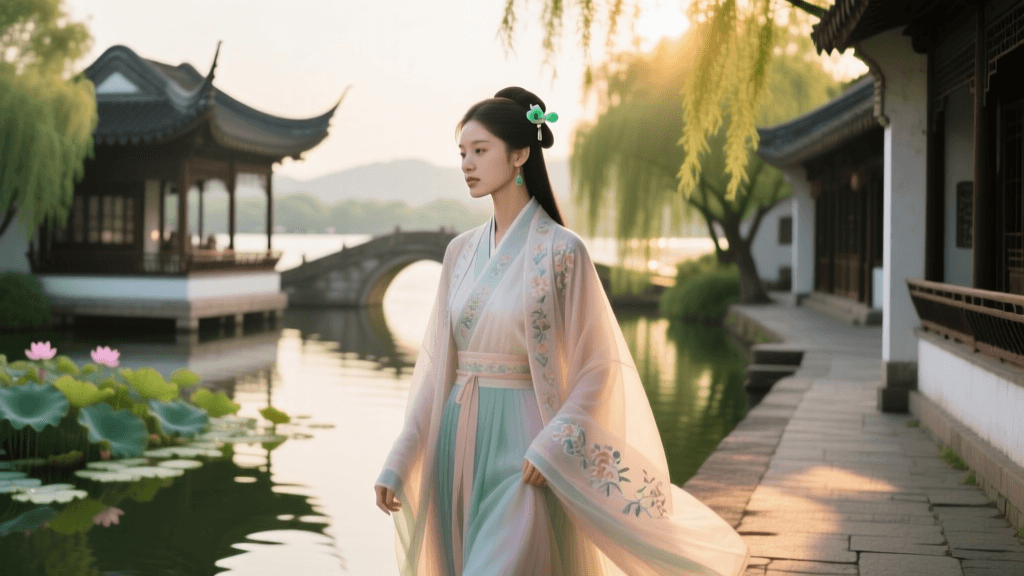
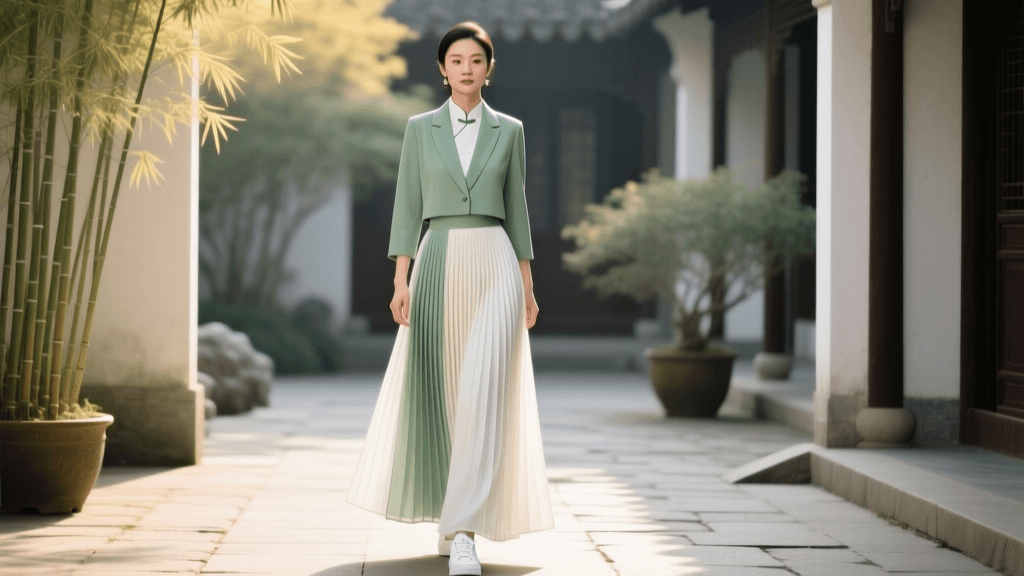
The traditional Chinese Mamianqun, commonly translated as the 'horse-face skirt', has experienced a meteoric rise from historical artifact to a staple of modern fusion fashion. Characterized by its flat front and back panels with intricate pleated sides, the Mamianqun dates back to the Song and Ming dynasties. Today, it stands at the forefront of the 'Xin Hanfu' (New Hanfu) movement, bridging the gap between ancient Chinese sartorial elegance and contemporary Western silhouettes.
The skirt's explosion into global consciousness was partly catalyzed by international fashion controversies, which prompted a fierce cultural reclamation by Chinese youth. As noted by BBC Culture, when global luxury houses attempted to appropriate the skirt's distinct pleated structure, it sparked a massive grassroots movement of Hanfu enthusiasts wearing the garment in cities like Paris and New York to assert its Chinese origins. This cultural pride has since evolved into a highly sophisticated fusion fashion subculture, where the Mamianqun is no longer reserved for festivals or historical reenactments, but is actively styled for the office, the street, and the runway.
According to industry analyses by Sixth Tone, the broader Hanfu market has ballooned into a billion-dollar industry, with the Mamianqun being the most commercially successful item due to its unparalleled versatility. Unlike the highly restrictive one-piece robes of traditional Hanfu, the Mamianqun is a separates-based skirt, making it inherently compatible with modern wardrobes. Below is your comprehensive, actionable guide to measuring, sourcing, and styling the Mamianqun for everyday fusion wear.
Understanding Structure and Taking Measurements
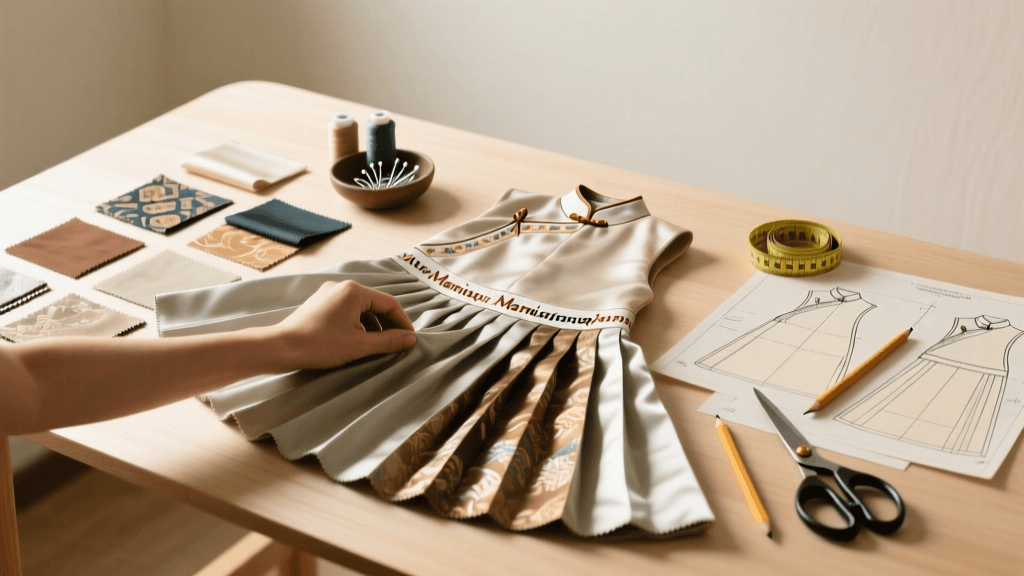
Before purchasing a Mamianqun, it is crucial to understand its unique construction. The skirt consists of two overlapping pieces of fabric. It features no zippers, buttons, or elastic; instead, it relies on a wrap-around tie system secured at the waist. This makes it highly adjustable, but it requires precise measurements to ensure the pleats sit correctly on your hips and the flat panels remain perfectly centered.
How to Measure for a Mamianqun
- Waist Measurement: Decide where you want the skirt to sit. For a traditional high-waisted look, measure the narrowest part of your torso (above the navel). For a modern, casual fusion look, measure at your natural hip or navel level. Add 2-3 cm to this measurement to account for the overlap and fabric bulk.
- Length Measurement: Measure from your chosen waistline down to your desired hemline.
- 85-90 cm: Hits mid-calf. Best for petite frames or casual streetwear styling with sneakers.
- 95-100 cm: Hits just above the ankle. The most versatile length for office and daily wear.
- 105-110 cm: Floor-length. Ideal for formal events, evening wear, or tall individuals.
Fabric Selection for Modern Lifestyles
Historically, Mamianqun were woven from heavy silks and intricate brocades. While traditional materials are still used for high-end ceremonial wear, the modern fusion market has adapted the skirt using a variety of textiles that cater to machine washing, office environments, and seasonal changes. Choosing the right fabric weight and drape is essential for achieving the correct silhouette.
| Fabric Type | Weight & Drape | Best Season | Price Range (USD) | Care Instructions |
|---|---|---|---|---|
| Jacquard Brocade | Heavy, structured, holds pleats sharply | Autumn / Winter | $60 - $150 | Dry clean only or gentle hand wash |
| Polyester Twill | Medium, fluid, resistant to wrinkling | Spring / Autumn | $35 - $70 | Machine wash cold, tumble dry low |
| Xiangyunsha (Mud Silk) | Lightweight, breathable, crisp texture | Summer | $120 - $300+ | Hand wash in cool water, shade dry |
| Cotton-Linen Blend | Crisp, casual, matte finish | Spring / Summer | $40 - $85 | Machine wash, iron on medium heat |
4 Actionable Fusion Outfit Formulas
Styling a Mamianqun requires balancing its voluminous, ornate lower half with structured or minimalist upper garments. Here are four tested outfit formulas that seamlessly blend Eastern heritage with Western fashion codes.
1. The Corporate Minimalist (Office Appropriate)
The Formula: Crisp white button-down shirt + Navy or Black Jacquard Mamianqun (95cm) + Leather belt + Pointed-toe loafers.
Styling Details: Tuck a high-quality cotton or silk button-down into the skirt's waistband. Because the traditional tie system can sometimes look bulky under fitted tops, a modern hack is to tie the skirt securely, then wrap a slim, high-quality Western leather belt over the waistband. This hides the ties, creates a sharp Western waistline, and adds corporate structure. Pair with a tailored blazer for winter.
Estimated Cost: $80 (Skirt) + $40 (Shirt) + $30 (Belt) = $150.
2. The Streetwear Edge (Weekend Casual)
The Formula: Vintage graphic tee or cropped hoodie + Shorter Mamianqun (85cm) + Chunky combat boots (e.g., Dr. Martens 1460).
Styling Details: Contrast the elegance of the pleats with grunge elements. Opt for a Mamianqun in darker, muted tones or subtle tartan-like geometric weaves rather than bright traditional florals. A cropped hoodie that ends exactly at the skirt's waistband highlights the pleating while keeping the silhouette boxy and modern.
Estimated Cost: $50 (Skirt) + $45 (Tee/Hoodie) = $95.
3. Winter Elegance (Cold Weather Layering)
The Formula: Fitted cashmere turtleneck + Heavy Brocade Mamianqun (105cm) + Tailored wool overcoat + Fleece-lined tights.
Styling Details: The Mamianqun is a winter styling superpower because its wide, pleated structure easily conceals thick thermal layers underneath. Wear 200-denier fleece-lined tights to stay warm without ruining the skirt's drape. Top with a fitted turtleneck to balance the volume of the skirt, and throw on a long, structured wool coat (camel or charcoal) to maintain a sleek vertical line.
Estimated Cost: $120 (Skirt) + $60 (Turtleneck) + $20 (Tights) = $200.
4. The Summer Resort (Vacation & Evening)
The Formula: Silk camisole or linen wrap top + Xiangyunsha or Cotton Mamianqun (90cm) + Strappy leather sandals.
Styling Details: For warmer weather, breathability is key. Xiangyunsha (a traditional mud-dyed silk) is naturally cooling and repels moisture. Pair it with a delicate lace-trimmed silk camisole or a sleeveless linen wrap top. Keep jewelry minimal—perhaps a single jade pendant or pearl earrings—to let the intricate weave of the silk catch the sunlight.
Estimated Cost: $150 (Skirt) + $50 (Top) = $200.
Sourcing, Buying, and Tailoring Tips
While Western-based Hanfu boutiques are emerging, the most extensive selection and best prices are found on Chinese e-commerce platforms like Taobao. When searching, use the keywords 马面裙 (Mamianqun) and 日常 (Daily Wear) to filter out overly theatrical, costume-like garments.
- Budget Tier ($30 - $50): Brands like Zhongzheng offer mass-produced polyester skirts. Excellent for beginners testing the fusion trend. Pleats are heat-set but may soften over time.
- Mid-Tier ($60 - $120): Brands like Shisanyu and Chong Hui Han Tang offer superior jacquard weaves, better hardware (metal aglets on ties), and accurate historical patterns adapted for modern wear.
- High-End Tier ($150 - $400+): Minghuatang is widely considered the gold standard for Ming-dynasty accurate weaving, utilizing authentic silk and intricate gold-foil thread work. These are investment pieces.
Shipping & Tailoring: Most Taobao sellers ship within 48 hours. Using a consolidated shipping service like Cainiao or Superbuy, expect delivery to the US or Europe to take 12-18 days via air freight. Because the skirts rely on wrap-around ties, they are essentially 'one-size-fits-most' in the waist. However, if you need the hem shortened, take it to a local tailor and explicitly instruct them to cut and hem from the top waistband, not the bottom. Cutting the bottom will destroy the weighted drape and ruin the heat-set pleat alignment.
Care and Maintenance
Preserving the sharp, knife-like pleats of a modern Mamianqun requires specific care. Always store the skirt by hanging it from a skirt hanger with alligator clips, clamping the clips directly onto the flat front panels to let the pleats hang freely under their own weight. If the pleats begin to loosen after washing, you can restore them by folding them along their original crease lines, securing them with binder clips or masking tape, and applying steam from a garment steamer for 3-5 minutes. Allow the skirt to cool and dry completely before removing the clips to ensure the pleats set perfectly.