Kimono in Global Pop Culture: Sci-Fi and High Fashion
The Kimono’s Journey from Kyoto to Global Media
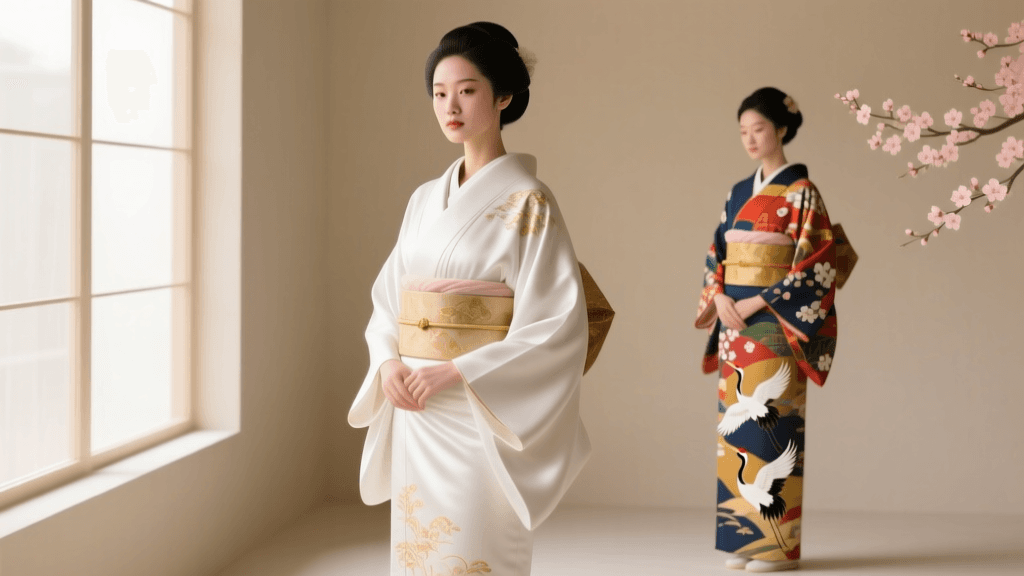
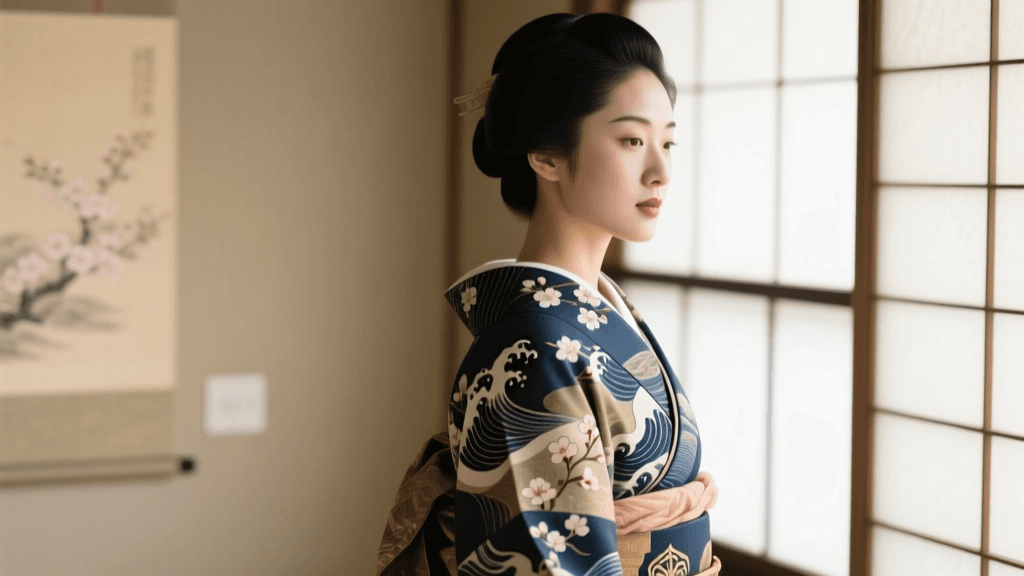
The traditional Japanese kimono is far more than a historical artifact confined to museum glass or ceremonial occasions. Over the past century, its striking silhouette, intricate textile arts, and profound philosophical approach to the human form have deeply infiltrated global pop culture. From the sweeping, monastic robes of science fiction epics to the neon-drenched streets of cyberpunk anime and the avant-garde runways of Paris and Milan, the kimono has been continuously deconstructed, reimagined, and celebrated. For modern enthusiasts, cosplayers, and fashion collectors, understanding how traditional garments like the kosode, haori, and hakama translate into contemporary media offers a masterclass in cross-cultural styling and wardrobe building.
As highlighted by the Victoria and Albert Museum's landmark exhibition, Kimono: Kyoto to Catwalk, the garment has acted as a bridge between East and West, challenging Western tailoring norms that prioritize the body's physical contours. Instead, the kimono creates an architectural space around the wearer, a concept that has profoundly influenced global costume designers and high-fashion houses alike.
Sci-Fi and Fantasy: The Kimono as Futuristic Armor
Perhaps the most globally recognized adaptation of traditional Japanese clothing in modern media is found in the Star Wars franchise. Costume designer John Mollo, who won an Academy Award for his work on the original 1977 film, drew heavily from Japanese historical garments to define the visual language of the Jedi Order. The iconic Jedi robe is essentially a fusion of the kosode (the precursor to the modern kimono, featuring smaller sleeve openings) and the hakama (pleated, wide-legged trousers). The layered, earth-toned linen wraps and the wide, sash-like belts mimic the obi, conveying a sense of asceticism, discipline, and ancient wisdom that perfectly aligned with the Jedi philosophy.
This sci-fi connection is not limited to Western cinema. Japanese tokusatsu (special effects) shows and modern fantasy RPGs frequently utilize the haori (a hip- or thigh-length kimono jacket) as a visual shorthand for wandering swordsmen, mystics, or futuristic warriors. The structural rigidity of a heavily brocaded obi or the dramatic drape of a silk haori translates exceptionally well on camera, providing dynamic movement during action sequences.
Actionable Advice: Sourcing Fabrics for Sci-Fi Kimono Cosplay
If you are designing a sci-fi or fantasy costume inspired by Japanese silhouettes, avoid cheap, shiny Halloween costumes. Instead, focus on textile weight and drape.
- Fabric Selection: Opt for heavy linen, raw silk, or matte cotton twill. These fabrics hold the structural folds of a kosode or hakama without looking synthetic. Expect to spend $15 to $30 per yard for quality heavy linen.
- Measurements: Traditional garments are cut from standard bolt widths (tan), typically around 14 to 15 inches wide. To replicate this authentic, slightly boxy drape, construct your panels using 15-inch wide rectangular cuts rather than modern curved armholes.
- Layering: The visual depth of sci-fi robes comes from layering. Wear a base juban (under-kimono) in a contrasting color (like burnt orange or deep crimson) beneath a dark outer robe to create a striking collar intersection.
Anime, Cyberpunk, and the Neo-Kimono Aesthetic
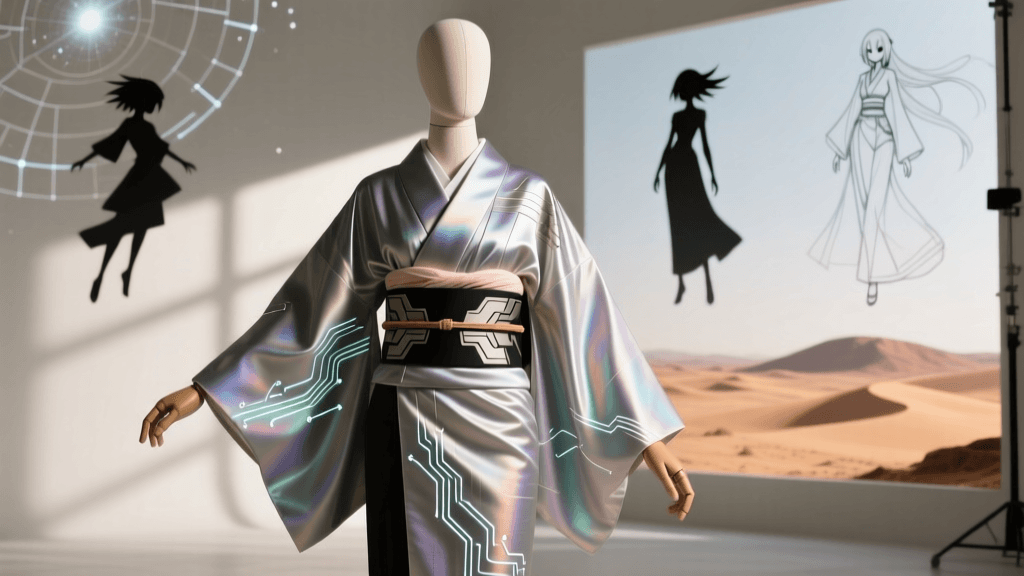
In the realm of anime and manga, the kimono has been violently and beautifully collided with futuristic and techwear elements. Series like Demon Slayer (Kimetsu no Yaiba) have sparked a massive global resurgence in traditional patterns. The protagonist's iconic black-and-green ichimatsu (checkerboard) and asanoha (hemp leaf) patterns have become ubiquitous in global streetwear. Meanwhile, cyberpunk aesthetics frequently feature the 'Neo-Kimono'—a garment that retains the T-shape and wide sleeves of the traditional kimono but utilizes waterproof nylon, tactical webbing, and LED threading.
According to the Metropolitan Museum of Art's Heilbrunn Timeline of Art History, Japanese fashion has long been characterized by a dynamic tension between strict tradition and rapid modernization, a theme that anime creators exploit to visualize societies where ancient spirituality meets hyper-advanced technology. For fans looking to incorporate this into their daily wardrobe or convention attire, the key is juxtaposition.
Styling the Tech-Wear Haori
To build a cyberpunk-inspired kimono wardrobe, start with a vintage or reproduction haori made from synthetic blends (which are more durable and weather-resistant than antique silk). Pair this with modern tech-wear staples: cargo trousers with strap detailing, chunky combat boots, and a high-neck base layer. Replace the traditional silk haori himo (the front ties) with paracord or tactical carabiners for an industrial, utilitarian edge. This styling approach costs roughly $150 to $250 to assemble using thrifted and fast-fashion tech-wear pieces.
High Fashion Runways: Deconstructing the Silhouette
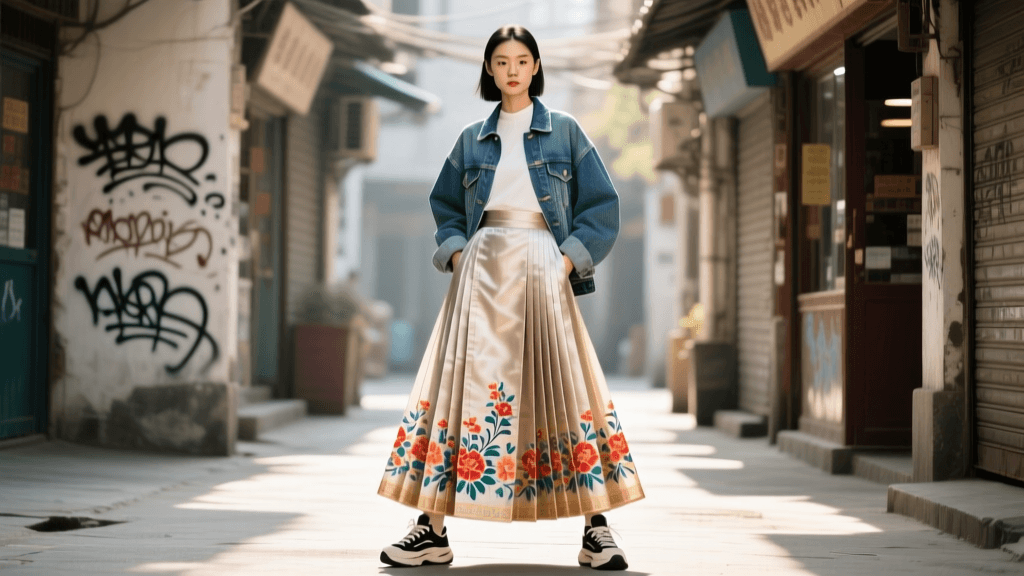
The transition of the kimono from traditional dress to high-fashion muse was solidified in the late 20th century by Japanese designers like Rei Kawakubo (Comme des Garçons), Yohji Yamamoto, and Issey Miyake. They introduced the concept of 'Ma' (negative space) to Western fashion capitals. Instead of tailoring clothes to hug the body, they used the kimono's flat, geometric pattern-cutting to create voluminous, asymmetrical, and avant-garde silhouettes. Western designers, including Yves Saint Laurent, Alexander McQueen, and John Galliano, have also heavily referenced the kimono, utilizing the wide obi as a corset alternative and the sweeping hemlines to create dramatic evening wear.
The Kyoto Costume Institute Digital Archives provides extensive documentation of how these historical garments evolved and influenced global textile design, showcasing the meticulous craftsmanship of yuzen dyeing and shibori tie-dyeing that high-fashion houses continually attempt to replicate or abstract.
Comparison Chart: Traditional vs. Pop-Culture Kimono Styling
Understanding the differences between authentic wear and media adaptations is crucial for collectors and stylists. Below is a comparison of how the garment shifts across different cultural contexts.
| Element | Traditional Styling | Sci-Fi / Cosplay Adaptation | Avant-Garde / High Fashion |
|---|---|---|---|
| Silhouette | Cylindrical, suppressing the body's curves; padded at the waist for a smooth drape. | Exaggerated, flowing layers; often belted higher for mobility and action sequences. | Asymmetrical, deconstructed; playing with extreme volume and negative space. |
| Footwear | Tabi (split-toe socks) with Zori or Geta (straw or wood sandals). | Leather boots, barefoot, or futuristic armored greaves. | Chunky sneakers, avant-garde leather boots, or architectural platforms. |
| The Obi (Sash) | Highly structured, tied in complex knots (like the Taiko musubi) at the back. | Wide leather belts, tactical harnesses, or simple fabric sashes tied at the front. | Used as corsetry, draped over blazers, or replaced with industrial hardware. |
| Textiles | Silk (rinzu, chirimen), featuring seasonal motifs, family crests (kamon), and yuzen dyeing. | Heavy linens, distressed cottons, synthetic leathers, and raw-edged hems. | Neoprene, laser-cut synthetics, jacquard weaves, and experimental pleating. |
Practical Guide: Sourcing and Sizing for the Modern Wardrobe
Whether you are sourcing pieces for a convention, a high-fashion editorial photoshoot, or an avant-garde daily wardrobe, buying vintage and antique Japanese garments requires specific knowledge of sizing and care.
Understanding Kimono Measurements
Unlike Western clothing, kimonos are not sized by chest or waist measurements. They are sized by hirosa (width) and také (length).
- Hirosa (Wingspan): This is the measurement from the center of the back seam to the edge of the sleeve. For a traditional fit, the wingspan should roughly equal your arm span. For a modern, oversized pop-culture look, look for a hirosa of at least 65 to 70 inches.
- Také (Length): Measured from the base of the collar to the hem. A standard women's kimono length is around 60 to 64 inches. Men's kimonos are cut closer to the wearer's height. When styling a haori as a modern duster coat, a length of 30 to 35 inches is ideal for layering over jeans or dresses.
Where to Source Authentic Pieces
Avoid mass-produced 'kimono cardigans' from fast-fashion retailers if you want authentic textile quality. Instead, utilize reputable online exporters and vintage curators:
- Yamatoku (eBay/Online): Excellent for bulk lots of vintage silk haori and obi belts. Prices range from $20 to $80 per piece. Ideal for upcycling or cyberpunk modifications.
- Chicago Kimono / Kimono Yukata Market Sakura: Great for authentic, well-graded vintage pieces. Expect to pay $150 to $400 for pristine, mid-century silk garments with intricate shibori work.
- Local Antique Malls: Often carry undocumented obi belts for $30 to $60. These heavy, brocaded sashes are perfect for repurposing as high-fashion corset belts or statement table runners for event staging.
Care and Maintenance for Pop-Culture Garments
Antique silks are highly susceptible to water spotting and UV fading. If you are wearing a vintage piece to a convention or outdoor photoshoot, keep it away from damp grass and direct, prolonged sunlight. Spot clean synthetic linings with a damp microfiber cloth, but always take vintage silk to a dry cleaner who specializes in historical textiles. For garments you plan to modify with tactical straps or dye for cosplay, purchase modern, machine-washable cotton or polyester reproductions from Japanese festival wear brands, which typically cost between $80 and $150 and can withstand the rigors of convention wear.
Conclusion
The kimono’s presence in global pop culture is a testament to its timeless design and profound versatility. Whether it is serving as the foundational silhouette for a galaxy-faring space knight, inspiring the vibrant, pattern-clad heroes of modern anime, or being dismantled and rebuilt on the haute couture runways of Europe, the garment continues to evolve. By understanding the history, measurements, and styling techniques behind these pieces, collectors and creators can respectfully and creatively integrate the magic of Japanese traditional fashion into their own modern narratives.