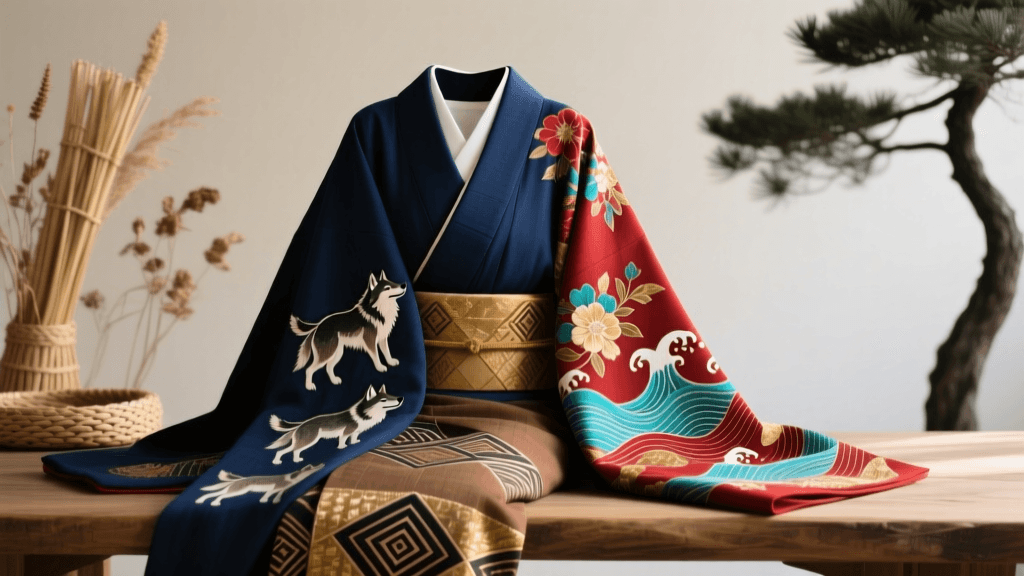
The Shiromuku and Iro-Uchikake: Japanese Bridal Kimono Guide
Introduction to Japanese Bridal Attire
When envisioning a traditional Japanese wedding, particularly one conducted under the auspices of Shinto rites, the visual centerpiece is undeniably the bridal kimono. Unlike Western wedding traditions that typically revolve around a single white gown, Japanese brides often undergo multiple outfit changes, or 'ironaoshi,' symbolizing different phases of the marital journey. The two most prominent and culturally significant garments in this sartorial progression are the shiromuku and the iro-uchikake. Understanding the historical weight, intricate craftsmanship, and modern logistical requirements of these garments is essential for anyone planning a traditional Japanese wedding or studying Asian ceremonial textiles. According to historical archives at The Metropolitan Museum of Art, the evolution of the kimono from everyday wear to highly codified ceremonial attire reflects centuries of shifting social hierarchies, sumptuary laws, and aesthetic philosophies in Japan.
The Shiromuku: Purity, Rebirth, and the Color White
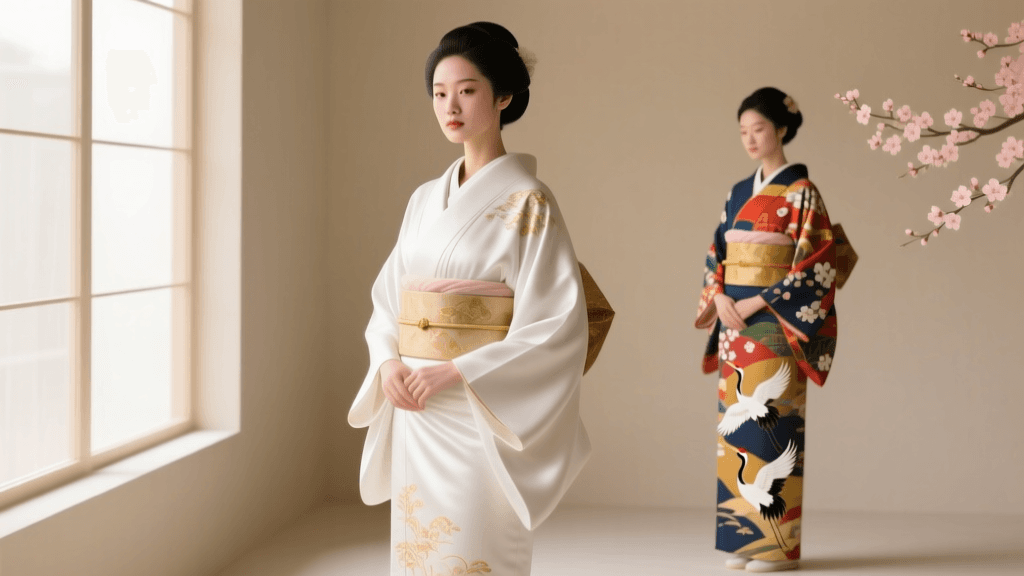
The shiromuku, translating literally to 'pure white,' is the most formal and sacred garment a Japanese bride can wear. It is traditionally worn during the 'shinzen shiki,' the Shinto wedding ceremony itself. The garment is entirely white, from the outer robe to the inner linings, the obi sash, and even the accessories. Historically, white in Japanese culture represents purity, innocence, and a willingness to be 'dyed' in the colors of the groom's family. It also carries spiritual connotations of rebirth, as white was traditionally associated with the shrouds of the deceased, symbolizing the bride's symbolic death to her birth family and her rebirth into her new household.
The primary outer robe is the 'kakeshita,' a luxurious silk crepe or rinzu (figured satin) kimono featuring subtle, tone-on-tone woven patterns. Because the garment is entirely white, the quality of the silk and the complexity of the weave are paramount. As noted by textile experts at The Victoria and Albert Museum, the mastery of Japanese silk weaving techniques, such as the intricate brocade and embroidery used in bridal wear, represents the pinnacle of the nation's artisanal heritage.
Essential Shiromuku Accessories
The shiromuku ensemble is incomplete without its highly specific accessories. The bride's hair is styled in a traditional updo called 'bunkin takashimada,' adorned with 'kanzashi' (ornamental hairpins) and topped with a specific headpiece. The two most common headpieces are the 'wataboshi' and the 'tsunokakushi.' The wataboshi is a white, padded silk hood worn over the head, functioning similarly to a Western wedding veil by shielding the bride's face from others and symbolizing modesty. The tsunokakushi, translating to 'horn-hider,' is a stiff, white silk band tied around the forehead. Folklore suggests it hides the 'horns' of jealousy and selfishness, signifying the bride's resolve to become a gentle and obedient wife.
Additionally, the bride carries a 'sensu' (a folded cypress fan) representing an expanding, prosperous future, and a 'kaiken' (a small decorative dagger) tucked into her obi. The kaiken is a historical remnant of samurai-class women's self-defense and ceremonial tools, now symbolizing moral fortitude and lifelong commitment.
The Iro-Uchikake: A Vibrant Transition
Following the solemn Shinto ceremony, the bride typically changes into an 'iro-uchikake' (colored uchikake) for the 'hiroen,' or wedding reception. The uchikake is a heavily padded, unbelted outer robe worn over the kakeshita and obi. While historically red was the most common color to ward off evil spirits, modern brides frequently select vibrant hues like gold, deep purple, emerald green, or black, often adorned with opulent metallic embroidery and foil work.
The motifs featured on the iro-uchikake are deeply auspicious. The 'shochikubai' (pine, bamboo, and plum) trio represents resilience, longevity, and blooming in adversity. Cranes ('tsuru') and turtles ('kame') are frequently depicted to symbolize a thousand and ten thousand years of life, respectively. Waterfalls, peonies, and flowing streams are also common, representing the continuous, abundant flow of marital bliss. The hem of the uchikake is heavily padded with cotton or silk floss ('fukimori') to give the garment a luxurious, trailing weight and ensure it glides elegantly across the floor.
Practical Guide: Renting vs. Buying, Costs, and Logistics
For modern brides, acquiring a shiromuku and iro-uchikake involves navigating significant financial and logistical decisions. Purchasing a brand-new, high-quality bridal kimono ensemble is a monumental investment. A custom-made shiromuku and iro-uchikake set, complete with hand-woven silk, metallic embroidery, and all necessary accessories, can easily cost between 800,000 and 2,500,000 JPY (approximately $5,500 to $17,000 USD). Due to these prohibitive costs and the fact that the garments are worn only once, the vast majority of Japanese brides opt to rent.
A comprehensive rental package from a reputable bridal salon typically ranges from 150,000 to 350,000 JPY ($1,000 to $2,400 USD). These packages generally include the rental of both the shiromuku and iro-uchikake, the inner garments, the obi, all accessories, professional 'kitsuke' (dressing) services, hair and makeup styling, and sometimes a pre-wedding photo session. When booking a bridal salon, it is crucial to reserve your garments 8 to 12 months in advance, especially if your wedding coincides with the highly popular autumn wedding season or auspicious days on the traditional Japanese calendar (Taian).
Measurements, Tailoring, and Fittings
Unlike Western gowns that are tailored to hug the body's contours, the kimono is a flat, T-shaped garment that relies on precise folding, tucking, and padding to achieve the ideal cylindrical silhouette. During your initial fitting, the 'kitsuke-shi' (kimono dresser) will take your height, shoulder width, and arm span measurements. The standard kimono panel width is roughly 38 centimeters, but bridal kimono are often wider. The most critical adjustment is the 'ohashori,' the fold at the waist that allows the hem to fall perfectly at the ankle.
To create the desired straight, column-like shape, the dresser will use various pads ('hadajuban' and 'koshimaki' padding) around the waist and hips to smooth out the body's natural curves. Brides are advised to maintain their weight within a 2-kilogram margin between their final fitting (usually one month before the wedding) and the wedding day itself, as significant weight fluctuations can drastically alter the fit and drape of the silk.
Comparison Table: Bridal Attire Options
| Garment Type | Primary Use | Average Rental Cost (JPY) | Dressing Time | Average Weight |
|---|---|---|---|---|
| Shiromuku | Shinto Ceremony (Shinzen Shiki) | 150,000 - 250,000 | 90 - 120 mins | 12 - 15 kg |
| Iro-Uchikake | Wedding Reception (Hiroen) | 150,000 - 300,000 | 60 - 90 mins | 15 - 20 kg |
| Western Wedding Dress | Ceremony & Reception | 100,000 - 250,000 | 20 - 30 mins | 3 - 8 kg |
The Kitsuke (Dressing) Timeline
Dressing a bride in a full shiromuku or iro-uchikake ensemble is a meticulous, multi-layered process that requires a licensed professional. Brides must allocate a minimum of 90 to 120 minutes for the kitsuke process on the morning of the wedding. The process begins with the 'hadajuban' (under-kimono) and 'susoyoke' (half-slip), followed by the strategic placement of padding. Next, the 'kakeshita' (inner robe) is wrapped, aligned, and secured with a 'datejime' (thin sash).
The heavy, brocade 'maru obi' or 'fukuro obi' (measuring up to 450 centimeters in length and 33 centimeters in width) is then tied in an elaborate, decorative knot, such as the 'fukura-suzume' (puffed sparrow) or 'bunko' (butterfly) style. Finally, the heavy uchikake is draped over the shoulders and secured at the back of the obi. The sheer weight of the ensemble—often exceeding 15 kilograms (33 pounds)—requires the bride to adopt a specific, gliding walking style called 'suriashi,' keeping the feet close to the floor to maintain balance and grace. For couples planning a Shinto ceremony at historic venues like Meiji Jingu Shrine in Tokyo, coordinating the dressing timeline with the shrine's strict ceremonial schedule is absolutely critical to ensure a seamless day.
Conclusion
The shiromuku and iro-uchikake are far more than mere wedding attire; they are wearable tapestries that encapsulate Japanese philosophy, artisanal mastery, and the profound transition of marriage. While the logistical demands of sourcing, fitting, and wearing these garments are substantial, the resulting aesthetic and cultural resonance offer an unparalleled ceremonial experience. Whether you are a bride planning your own traditional wedding, a textile enthusiast, or a cultural historian, understanding the intricate layers of Japanese bridal kimono provides a profound window into the enduring beauty of Asian traditions.