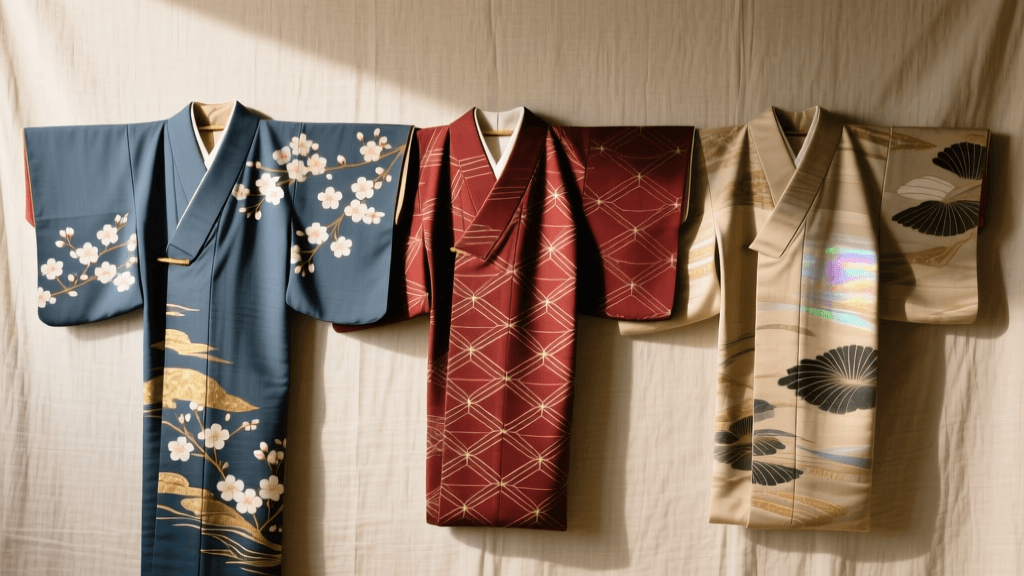
The Kimono Care Calendar: Fabric Weight and Seasonal Storage
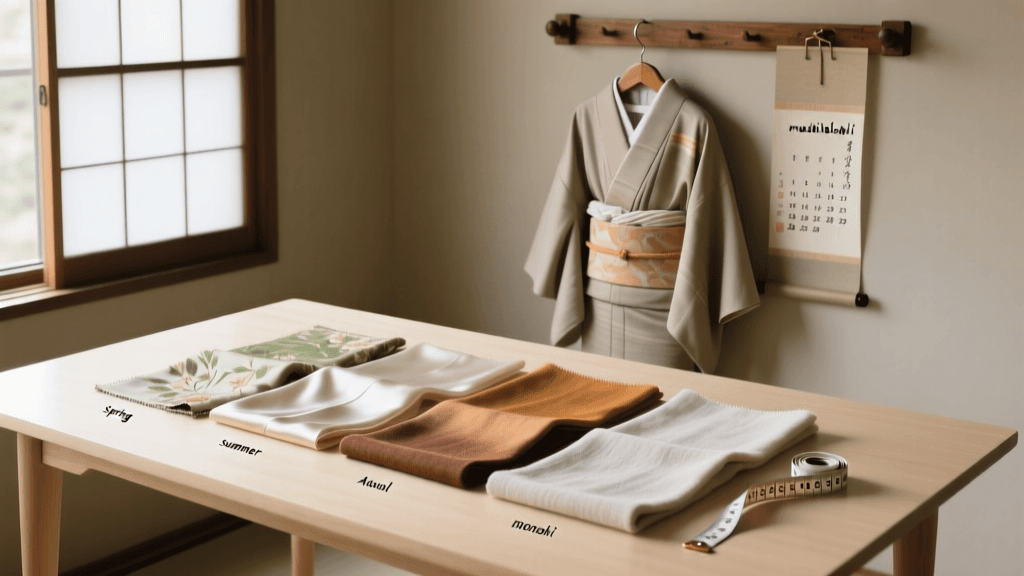
The Rhythm of Koromogae: Understanding Kimono Seasonality
In the intricate world of traditional Japanese garments, clothing is not merely a matter of personal style; it is a profound reflection of the natural world. The concept of koromogae (the seasonal changing of clothes) dictates that a kimono wardrobe must transition in harmony with Japan’s distinct micro-seasons. Unlike Western fashion, where layering can compensate for a single garment's weight throughout the year, traditional kimono are meticulously engineered with specific textile weights, linings, and weaves designed for precise windows of time. According to the Metropolitan Museum of Art's Heilbrunn Timeline of Art History, the evolution of Japanese textiles is deeply intertwined with seasonal aesthetics, requiring wearers to maintain a diverse collection of garments that respond to shifting temperatures and humidity levels.
For collectors, practitioners, and heritage preservationists, understanding the intersection of textile weight and seasonal care is paramount. Improper storage or wearing a garment out of its designated season is considered a sartorial faux pas and, more importantly, can lead to the irreversible degradation of delicate silk fibers.
Decoding Textile Weight: The Monme Measurement System
To navigate kimono seasonality, one must first understand how Japanese silk is measured. Unlike Western textiles that use thread count or ounces per square yard, traditional Japanese silk is measured in monme (匁). One monme is equivalent to exactly 3.75 grams. This measurement is calculated based on the weight of a standard tanmono—a narrow bolt of fabric measuring approximately 11.5 meters in length and 36 centimeters in width, which is precisely enough to construct one adult kimono.
The monme weight directly correlates to the garment's drape, opacity, and thermal properties. A heavier monme indicates a thicker, more tightly woven, or heavily textured fabric, such as chirimen (silk crepe), which provides insulation. A lower monme indicates a lightweight, sheer, or loosely woven fabric, such as ro or sha, which allows for maximum airflow during Japan's sweltering, humid summers.
Seasonality and Fabric Weight Chart
The following table outlines the strict seasonal calendar for kimono wear, correlating the garment type with its traditional textile weight and wearing period.
| Season | Garment Type | Japanese Term | Fabric Weight (Monme) | Designated Wearing Period |
|---|---|---|---|---|
| Spring / Autumn / Winter | Lined Kimono | Awase | 18 - 25+ monme | October 1 to May 31 |
| Early Summer / Early Autumn | Unlined Kimono | Hitoe | 15 - 18 monme | June 1 to June 30; Sept 1 to Sept 30 |
| Peak Summer | Sheer / Gauze Kimono | Usugoromo / Ro | 8 - 12 monme | July 1 to August 31 |
While modern climate control has allowed for some flexibility, traditionalists and tea ceremony practitioners still adhere strictly to these dates. The transition from awase to hitoe on June 1st, and the shift to sheer ro on July 1st, are hard boundaries in the traditional arts.
The Annual Mushiboshi: A Seasonal Care Calendar
Because kimono are constructed from organic protein fibers (silk) and natural dyes, they are highly susceptible to mold, insect damage, and humidity-induced staining. To combat this, Japanese culture developed mushiboshi (literally 'insect airing'), an annual ritual of unpacking, inspecting, and airing out the kimono wardrobe.
Autumn Airing (Late October to Mid-November)
The most critical mushiboshi occurs in late autumn, just after the typhoon season has passed and before the winter cold sets in. The goal is to air the garments in dry, crisp conditions before they are packed away in deep storage.
- Weather Selection: Choose a dry, overcast day with low humidity (below 50%). Never air silk in direct sunlight, as UV radiation rapidly degrades the fibroin proteins in silk, causing permanent yellowing and fiber embrittlement.
- The Process: Unfold the kimono and hang them on specialized wide-shouldered kimono hangers (emono-kake) to prevent shoulder dimples. Allow them to breathe in a well-ventilated, shaded room for 4 to 6 hours.
- Inspection: Use a soft bamboo brush to gently sweep away any microscopic dust. Inspect the folds for early signs of mold or shimi (oxidation stains from natural oils).
Spring Transition (Late April)
A secondary, lighter airing is conducted in spring to transition the wardrobe from heavy winter awase to lighter spring garments. This is also the ideal time to send heavily soiled winter garments out for professional cleaning before the humid rainy season (tsuyu) begins in June.
Professional Maintenance: Maruarai and Storage Costs
When spot cleaning or airing is insufficient, kimono require specialized professional care. Standard Western dry cleaning uses harsh petroleum-based solvents that strip silk of its natural sericin coating, leaving it brittle and dull. Instead, the gold standard for kimono care is Maruarai (丸洗い), a specialized Japanese washing technique.
Maruarai involves washing the entire garment in water using specialized, pH-neutral silk detergents, followed by careful stretching and re-setting of the fabric on wooden frames. This process removes water-soluble sweat stains and restores the silk's luster.
- Cost of Maruarai: Typically ranges from ¥10,000 to ¥18,000 ($70 to $120 USD) per garment, depending on the complexity of the dye and the presence of metallic threads.
- Stain Removal (Shiminuki):strong> Priced separately, usually starting at ¥3,000 per stain, requiring master artisans to manually lift oxidation without disturbing surrounding natural dyes.
The Architecture of Storage: Kiribako and Tatoushi
How a kimono is stored is just as vital as how it is cleaned. The Victoria and Albert Museum's Asian Collections highlights the importance of archival-quality storage in preserving historical Asian textiles. In Japan, this translates to two essential items:
- Tatoushi (Washi Paper Envelopes): Kimono should never be stored in plastic, which traps moisture and off-gasses chemicals that yellow silk. Instead, they are folded using acid-free, unbleached washi paper envelopes. A pack of high-quality, properly sized tatoushi costs around ¥1,500 ($10 USD).
- Kiribako (Paulownia Wood Boxes): The ultimate storage vessel is the kiribako. Paulownia wood is uniquely suited for textile preservation. Its cellular structure allows it to swell during high humidity, creating an airtight seal that blocks moisture, and shrink during dry weather to allow the wood to breathe. Furthermore, paulownia contains natural tannins that repel insects and is highly fire-resistant. A standard, domestically crafted kiribako costs between ¥15,000 and ¥40,000 ($100 to $260 USD) and is considered a multi-generational investment.
Choosing the Right Insect Repellents
If you must use chemical deterrents inside your storage boxes, extreme caution is required. Traditional naphthalene or paradichlorobenzene mothballs are strictly prohibited for use with kimono. These chemicals react with the metallic threads (kinran and ginran) used in formal obi sashes, causing the gold and silver leaf to blacken or melt. Furthermore, they can permanently alter the pH of natural plant dyes like indigo and safflower. Always select pyrethroid-based repellents specifically manufactured and labeled for use with Japanese silk (kimono-yo mushiyoke), which cost approximately ¥800 per pack and last for one full year.
Conclusion
Preserving traditional Japanese garments requires a shift from passive ownership to active stewardship. By respecting the koromogae calendar, understanding the precise monme weights of your textiles, and diligently executing the autumn mushiboshi, you ensure that these masterpieces of Asian textile heritage remain vibrant, structurally sound, and culturally resonant for generations to come.