Kimono Cosplay Guide: Styling Hakama for Anime Cons
The Intersection of Anime and Traditional Japanese Garments
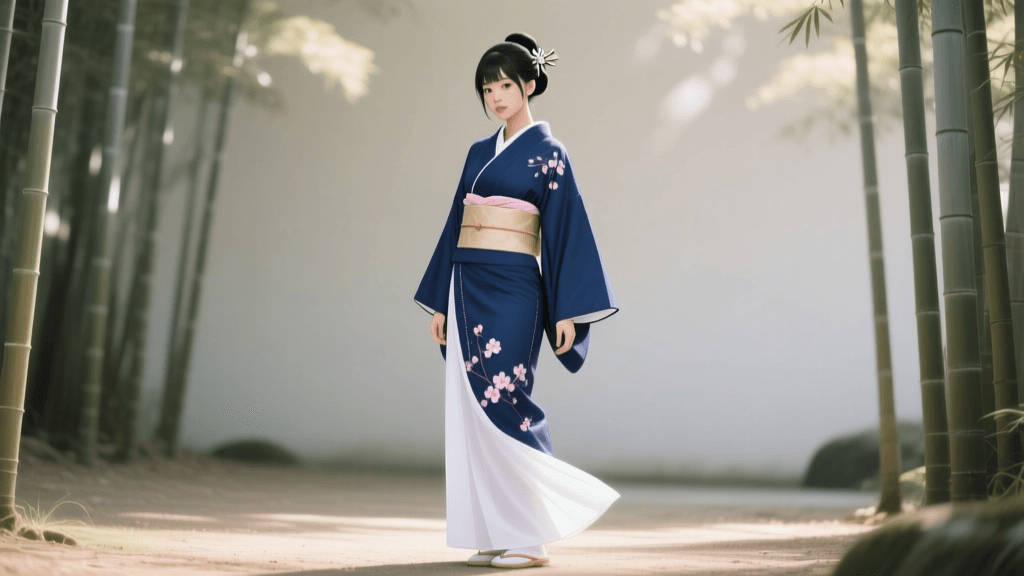
The global explosion of anime and manga has profoundly influenced international fashion, bringing traditional Japanese garments into the spotlight of convention centers worldwide. Series like Demon Slayer (Kimetsu no Yaiba), Rurouni Kenshin, and Sakura Wars have popularized historical and semi-historical Japanese silhouettes, creating a massive demand for kimono and hakama cosplay. However, transitioning from a two-dimensional manga panel to a three-dimensional convention floor requires more than just buying a costume. It demands an understanding of traditional kitsuke (the art of dressing), fabric mechanics, and convention etiquette.
For cosplayers and fashion enthusiasts alike, blending the stylized aesthetics of anime with the rich heritage of Japanese textiles offers a unique creative challenge. According to the Victoria and Albert Museum, the kimono is not merely a garment but a canvas of cultural expression, a fact that anime creators leverage heavily when designing character uniforms. This guide will walk you through sourcing, styling, and surviving a convention in traditional Japanese-inspired cosplay.
Understanding the 'Taisho Roman' and Historical Fantasy Aesthetic
Many popular anime series are set during the Meiji (1868–1912) or Taisho (1912–1926) eras, periods marked by rapid modernization and the blending of Western and Japanese styles. This aesthetic, known as Taisho Roman, is a staple in anime fashion. Characters often pair traditional hakama with Western-style boots, lace-up collars, or military-inspired haori jackets.
When recreating these looks, it is crucial to understand how anime exaggerates traditional garments for dramatic effect. Manga artists often draw kimono collars much looser and lower than is historically accurate, and obi (sashes) are frequently depicted with oversized, gravity-defying bows. While screen-accuracy is a valid cosplay goal, balancing it with respect for the garment's actual structure will elevate your cosplay from a simple costume to a masterclass in cultural fashion. The Metropolitan Museum of Art notes that the structural integrity of the kimono relies on precise folding and tying, which anime often ignores for the sake of dynamic action poses.
Core Garments: Hakama, Haori, and Kimono
To build an anime-accurate yet culturally respectful wardrobe, you must understand the core components of the ensemble.
Hakama: The Foundation of the Action Hero
Hakama are pleated, wide-legged trousers worn over a base kimono. There are two main types:
- Umanori (Divided): These feature a split crotch, resembling wide trousers. They are essential for action-oriented cosplays (like the Demon Slayer Corps or samurai characters) as they allow for running, lunging, and sitting cross-legged.
- Andon (Undivided): These are constructed like a long, pleated skirt. They are better suited for scholarly or formal character archetypes but restrict high-movement poses.
Sizing Tip: Hakama are sized by the number of pleats and length. For a proper fit, measure from your navel to your ankle bone. Standard sizes range from 85cm to 105cm. If you are wearing zori sandals, the hem should lightly brush the top of your foot.
Haori: The Character Identifier
The haori is a hip- or thigh-length jacket worn open over the kimono. In anime, the haori is often the primary character identifier—think of Tanjiro Kamado’s iconic black-and-green checkered pattern or Kenshin Himura’s white haori with the red sun. Authentic silk haori are lined and feature hidden haori-himo (ties) at the collar. Anime often omits these ties, showing the jacket blowing dramatically in the wind. For conventions, use clear elastic bands or double-sided fabric tape to secure the haori to your base layer so it doesn't slip off your shoulders in crowded aisles.
Sourcing Guide: Authentic Vintage vs. Cosplay Replicas
One of the biggest decisions a cosplayer faces is whether to buy authentic vintage garments from Japan or purchase mass-produced polyester cosplay sets. Both have distinct advantages depending on your budget, convention environment, and styling skills.
| Feature | Authentic Vintage (Silk/Wool) | Cosplay Replicas (Polyester/Cotton) |
|---|---|---|
| Cost | $40 - $200+ (via Yahoo Auctions, Rakuten, or vintage shops) | $60 - $150 (via specialized cosplay retailers) |
| Material & Comfort | Breathable silk or warm wool; delicate and stains easily. | Durable, machine-washable, but traps heat in crowded halls. |
| Visual Accuracy | Unmatched drape, authentic patterns (e.g., Asanoha, Ichimatsu). | Printed patterns may look flat; stiff drape. |
| Maintenance | Dry clean only; requires careful airing out. | Machine washable; easy to iron. |
| Convention Suitability | Best for photoshoots and low-traffic events. | Best for 12-hour con days, panel sitting, and floor walking. |
For those seeking authentic pieces, the Japan National Tourism Organization highlights the thriving second-hand kimono markets in Kyoto and Tokyo, which are also accessible online through proxy buying services. Purchasing vintage not only supports sustainable fashion but also allows you to wear genuine historical textiles.
Convention-Proofing Your Kitsuke (Dressing)
Traditional kitsuke requires several long ties called koshihimo and stiff boards called obi-ita to maintain the garment's cylindrical shape. However, wearing a traditional silk kimono tightly bound for 10 hours on a convention floor can lead to restricted breathing, overheating, and wardrobe malfunctions.
Modern Hacks for Cosplayers
- Corset Belts over Koshihimo: Instead of tying multiple thin cotton cords, use a wide, elastic corset belt with Velcro closures to secure the base kimono. This distributes pressure evenly and prevents the kimono from riding up during the day.
- Collar Stays: Anime characters often have perfectly crisp, deep V-neck collars. Use plastic collar stays or safety pins anchored to your undergarment (the juban) to keep the kimono neckline sharp and centered without constant readjustment.
- The Magic of 'Magic Tape': In Japan, Velcro (commonly referred to as Magic Tape) is widely sold in kimono accessory shops. Use it to secure the overlapping front panels of your kimono so they don't gape open when you sit down for panels.
Footwear: Zori, Tabi, and Convention Floors
Traditional tabi (split-toe socks) and zori (straw or vinyl sandals) are visually striking but offer zero arch support. Walking miles on concrete convention center floors will cause severe foot fatigue. Actionable advice: Buy modern, rubber-soled jikatabi (split-toe work boots) or wear flesh-toned orthotic insoles inside standard tabi boots. If your character wears Western boots with hakama (a classic Taisho Roman look), opt for lightweight EVA foam cosplay boots to save your joints.
Prop Etiquette and Space Management
Characters wearing hakama and haori are frequently armed with katanas, nichirin swords, or staffs. Convention centers have strict weapons policies. Always ensure your props are made of foam, Worbla, or 3D-printed PLA, and keep them sheathed or peace-bonded by convention security.
Furthermore, be mindful of your spatial footprint. The long, flowing sleeves of a furisode or the wide stance of a hakama can easily knock over merchandise in the Artist Alley or trip attendees in narrow aisles. When navigating crowds, practice the traditional technique of holding your outer sleeve back with your inner hand, a gesture that is both culturally accurate and practically necessary for crowded spaces.
"Cosplaying in traditional garments is a beautiful way to celebrate Japanese culture. Approach the art of kitsuke with patience, and remember that the history woven into these textiles is just as compelling as the fictional characters they represent."
Final Thoughts on Anime-Inspired Kimono Fashion
Styling hakama and kimono for anime conventions is a rewarding pursuit that bridges the gap between otaku culture and traditional Asian heritage. Whether you are meticulously recreating a manga-accurate uniform or adapting a vintage Meiji-era ensemble for a modern con floor, the key lies in understanding the mechanics of the garments. By investing in proper dressing techniques, choosing the right fabrics for your environment, and respecting the cultural weight of the clothing, you can create a cosplay that is visually stunning, comfortable, and deeply respectful of Japanese traditions.