Exploring China's Top Hanfu and Textile Heritage Museums
The Renaissance of Hanfu and the Importance of Textile Heritage
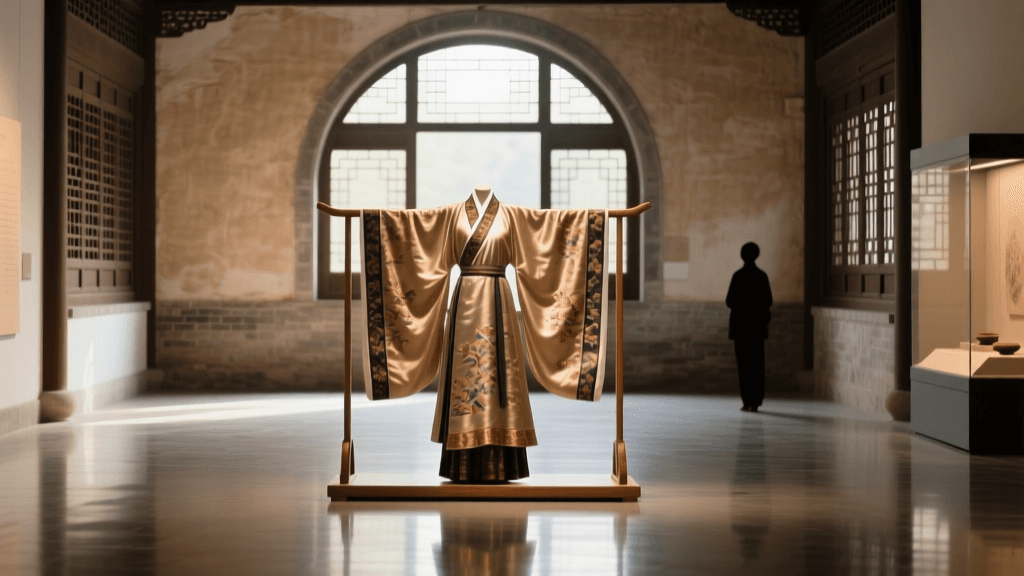
As the global Hanfu movement continues to blossom, enthusiasts are increasingly looking beyond the basic silhouettes of traditional Chinese clothing to understand the profound material culture that makes these garments so extraordinary. The true soul of Hanfu lies in its textiles—the intricate weaves, the natural dyes, and the centuries-old craftsmanship that transformed raw silk into flowing ruqun (blouse and skirt) ensembles and structured aoqun (jacket and skirt) attire. To truly appreciate the structural and artistic foundations of traditional Chinese fashion, one must visit the institutions dedicated to preserving these intangible cultural heritages.
China is home to several world-class museums that not only display historical garments but also house active conservation labs and operational traditional looms. For Hanfu practitioners, historians, and cultural tourists, these heritage sites offer an unparalleled opportunity to study the drape of ancient luo (gauze), the shimmer of duan (satin), and the heavy majesty of jin (brocade). This guide explores the three most vital textile and Hanfu heritage museums in China, providing actionable travel advice, historical context, and practical tips for the culturally curious traveler.
1. The China National Silk Museum (Hangzhou)
Located near the scenic West Lake in Hangzhou, the China National Silk Museum (CNSM) is the largest silk museum in the world and a cornerstone for understanding the foundation of all Hanfu textiles. Hangzhou has been the epicenter of China's silk production for over a millennium, supplying the imperial courts of the Southern Song, Ming, and Qing dynasties.
What to See and Study
The museum's permanent exhibition, 'The Story of Silk,' traces the evolution of sericulture from the Neolithic period to the modern era. For Hanfu enthusiasts, the most captivating section is the historical garment gallery. Here, you can observe meticulously conserved fragments of Han dynasty zhijuan (fine silk) and Tang dynasty vibrant gauzes. The museum also features a spectacular collection of Qing dynasty dragon robes and court attire, offering vital insights into the tailoring, seam placements, and edge-binding techniques that inform modern historical reproduction.
The CNSM is also a leading research institution. According to the Metropolitan Museum of Art's Heilbrunn Timeline of Art History, Chinese silk craftsmanship fundamentally altered global trade and textile history via the Silk Road. The museum's conservation lab frequently hosts public demonstrations on how fragile, excavated silk artifacts are stabilized, providing a fascinating look at the science of historical garment preservation.
Practical Visitor Information
- Location: 73-1 Yuhuangshan Road, Hangzhou, Zhejiang Province.
- Admission: Free (Passport or ID required for entry).
- Time Required: 3 to 4 hours.
- Best Time to Visit: Spring (April-May) or Autumn (September-October) to avoid Hangzhou's intense summer humidity, which can make walking the expansive outdoor campus uncomfortable.
- Hanfu Tip: The museum's traditional gardens are a popular spot for Hanfu photography. Wear breathable ruqun made of cotton-linen blends or lightweight silk if visiting in late spring.
2. Nanjing Yunjin Museum: The Cloud Brocade Legacy
While Hangzhou is famous for soft, flowing silks, Nanjing is the undisputed master of Yunjin, or 'Cloud Brocade.' This luxurious, heavy fabric was historically reserved for imperial garments, high-ranking officials, and the most opulent Ming dynasty mamianqun (horse-face skirts). The name 'Yunjin' derives from the fabric's resemblance to the vibrant, shimmering clouds in the evening sky.
The Drawloom Marvel and Imperial Fashion
The Nanjing Yunjin Museum is an essential pilgrimage site for those interested in the structural rigidity and opulent decoration of Ming and Qing formal wear. The highlight of the museum is the live demonstration of the traditional wooden drawloom. These massive looms require two weavers working in tandem—one operating the harness from the top and the other passing the shuttle below. The weavers incorporate gold threads, silver threads, and even peacock feathers into the silk warp and weft.
The complexity of this technique is staggering; a single weaver can produce only about five to six centimeters of Yunjin brocade per day. Recognizing its immense cultural value, the weaving technique was inscribed on the UNESCO Intangible Cultural Heritage list. Observing the creation of the heavy, structured textiles used in historical yunjian (cloud shoulders) and pleated skirt panels provides a profound appreciation for the weight, drape, and cost of authentic historical Hanfu.
Practical Visitor Information
- Location: 400 Chating East Road, Nanjing, Jiangsu Province.
- Admission: Free (Reservations via WeChat mini-program recommended; passport required).
- Time Required: 2 to 3 hours.
- Best Time to Visit: Weekday mornings to avoid large school tour groups and get an unobstructed view of the loom demonstrations.
- Hanfu Tip: Nanjing's winters are damp and cold. If visiting between December and February, a thick, lined ao (jacket) or a wool-blend Ming-style cloak (doupeng) is highly recommended for both authenticity and warmth.
3. Chengdu Shu Brocade Museum: Sichuan's Weaving Marvels
Journeying westward to the Sichuan basin, the Chengdu Shu Brocade Museum celebrates Shujin, one of China's four famous brocades. Shu brocade dates back over two thousand years to the Han dynasty and is characterized by its vibrant colors, complex geometric patterns, and heavy, durable weave. The humid, overcast climate of the Sichuan basin historically provided the perfect conditions for sericulture and dyeing, resulting in textiles that were highly prized along the Southern Silk Road.
Ancient Patterns and Tang Dynasty Elegance
The museum showcases the evolution of Shu brocade from the Han dynasty to the present day. Hanfu enthusiasts will be particularly drawn to the replicas of the famous 'Five Stars Rise in the East' brocade arm guard, an artifact excavated from the Niya ruins in the Tarim Basin, which demonstrates the incredible color-fastness and tight weave of ancient Shu textiles. Furthermore, the museum details how Shu brocade's bold, large-scale floral and animal motifs heavily influenced the extravagant qixiong ruqun (chest-high skirts) and wide-sleeved daxiushan (large-sleeve robes) favored by Tang dynasty nobility.
The Sericulture and silk craftsmanship of China, encompassing regional techniques like Shu brocade, represents a vital thread of Asian material culture. The museum's gift shop is also one of the few places where visitors can purchase authentic, small-scale Shu brocade accessories, such as pouches and hair ribbons, directly from heritage artisans.
Practical Visitor Information
- Location: 268 Huanhua South Road, Chengdu, Sichuan Province (near the Sichuan Provincial Museum).
- Admission: Approximately 30 RMB (Prices subject to change; check local listings).
- Time Required: 1.5 to 2 hours.
- Best Time to Visit: Late afternoon, followed by a stroll to the nearby Jinli Ancient Street.
- Hanfu Tip: Jinli Ancient Street, located just a short taxi ride from the museum, is packed with Hanfu rental and styling shops. It is an excellent place to rent a Tang-style ensemble for an evening photoshoot illuminated by traditional red lanterns.
Comparative Guide: Planning Your Textile Heritage Itinerary
To help you structure your cultural tour, refer to the comparison chart below. This table breaks down the essential logistics and thematic focuses of each institution, allowing you to tailor your trip based on your specific Hanfu interests.
| Museum Name | Location | Primary Textile Focus | Estimated Visit Time | Admission Cost | Best Hanfu Era to Study |
|---|---|---|---|---|---|
| China National Silk Museum | Hangzhou | Sericulture, Gauze (Luo), Satin (Duan) | 3 - 4 Hours | Free | Song & Qing Dynasties |
| Nanjing Yunjin Museum | Nanjing | Cloud Brocade (Yunjin), Gold Thread | 2 - 3 Hours | Free | Ming Dynasty |
| Chengdu Shu Brocade Museum | Chengdu | Shu Brocade (Shujin), Heavy Weaves | 1.5 - 2 Hours | ~30 RMB | Han & Tang Dynasties |
Etiquette and Tips for Hanfu Enthusiasts
Visiting these heritage sites while wearing Hanfu is a beautiful way to connect with the culture, but it requires mindfulness and respect for the artifacts and the space.
Photography and Artifact Preservation
The dyes used in historical textiles, particularly those from the Ming and Qing dynasties, are incredibly sensitive to light. Never use flash photography inside the garment galleries. Many museums enforce strict 'no photography' zones in their most sensitive conservation wings. Always look for signage or ask museum staff before taking out your camera. When posing in the museum courtyards, be mindful of the landscaping; avoid stepping on historical stone carvings or dragging long, un-hemmed skirt panels through muddy garden beds.
Interacting with Artisans
At the Nanjing and Chengdu museums, you will likely encounter master weavers operating traditional looms. These artisans are national treasures. While it is acceptable to observe and take photos of the looms (without flash), do not interrupt their workflow or touch the silk threads. If a demonstration is paused, a polite bow or a simple, respectful greeting in Mandarin is a wonderful way to show appreciation for their lifelong dedication to the craft.
Navigating Transit in Hanfu
Traveling between these museums via China's high-speed rail or metro systems while in full Hanfu is entirely feasible and increasingly common. However, opt for practical silhouettes during transit days. A Ming-style mamianqun with a secure waistband and a shorter, fitted ao is much easier to manage on escalators and through turnstiles than a sprawling Tang dynasty daxiushan with floor-sweeping sleeves. Carry a garment bag for your more elaborate pieces and change into them once you arrive at the museum grounds.
Conclusion
The study of Hanfu is incomplete without a deep dive into the textiles that give these garments their form, movement, and historical significance. The China National Silk Museum, the Nanjing Yunjin Museum, and the Chengdu Shu Brocade Museum are not merely repositories of old cloth; they are living, breathing institutions that keep the foundational arts of Asian traditional fashion alive. By planning a deliberate, respectful, and curious visit to these heritage sites, Hanfu enthusiasts can bridge the gap between modern revivalism and ancient mastery, ensuring that the legacy of China's sartorial heritage continues to be understood and celebrated for generations to come.