Haori and Hakama in Global Pop Culture: A Styling Guide
The Pop Culture Catalyst: From Screen to Street
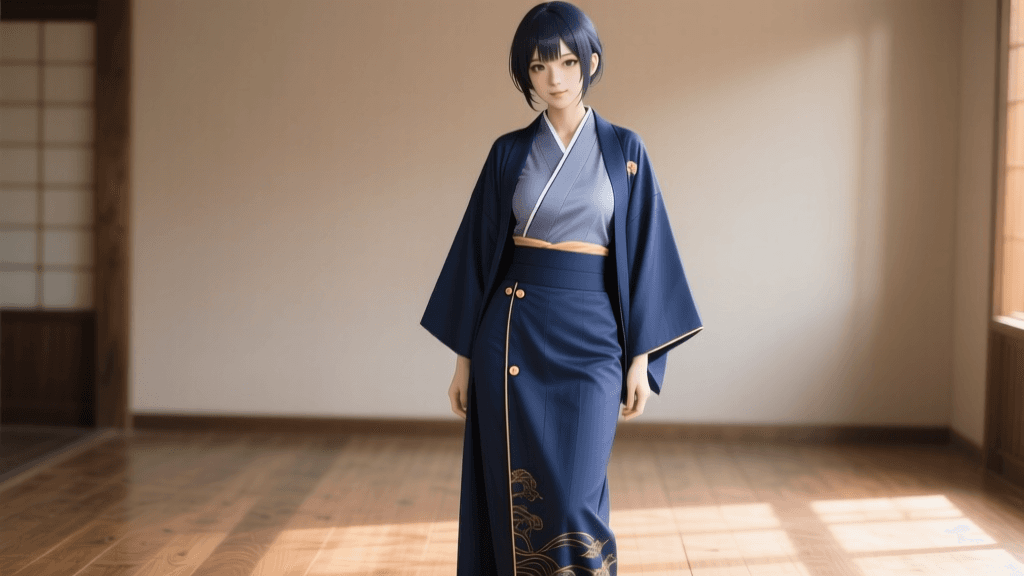
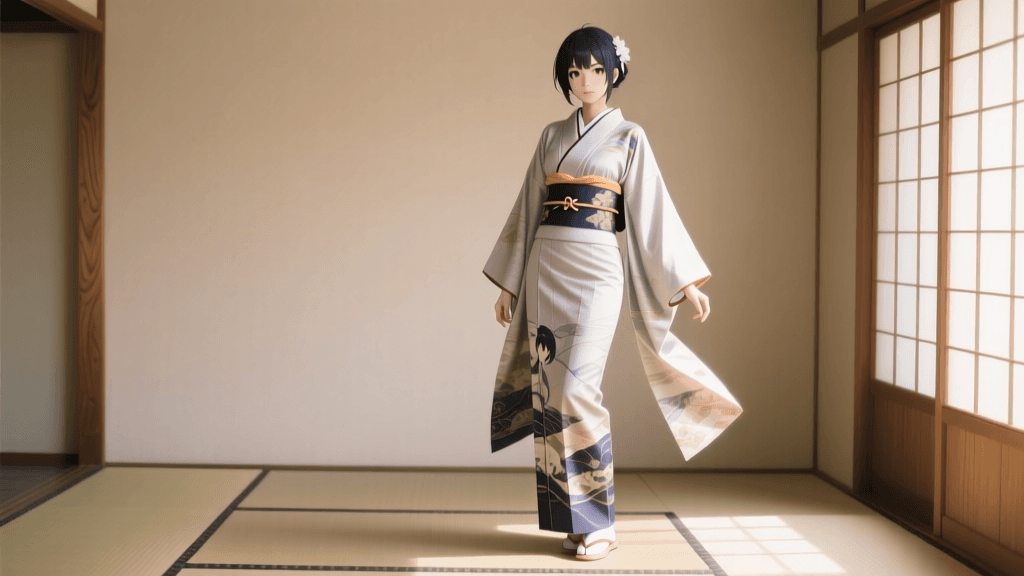
Over the past decade, traditional Japanese garments have transcended their historical roots to become iconic staples in global pop culture. Driven by the explosive worldwide popularity of anime, video games, and Harajuku street fashion, pieces like the haori (a traditional hip- or thigh-length jacket) and hakama (pleated, wide-leg trousers) are now highly sought after by international fashion enthusiasts. Characters like Tanjiro Kamado from Demon Slayer, with his signature black-and-green checkered haori, and the stoic samurai of Ghost of Tsushima, clad in formal crested hakama, have introduced these silhouettes to millions of new fans.
However, transitioning from screen-accurate cosplay to authentic, culturally appreciative everyday wear requires a nuanced understanding of garment construction, sourcing, and styling. As noted by the Metropolitan Museum of Art, the structural evolution of Japanese dress is deeply tied to social status, climate, and artistry, making the authentic wearing of these garments a profound engagement with history rather than mere costuming.
Authentic Garments vs. Pop Culture Reproductions
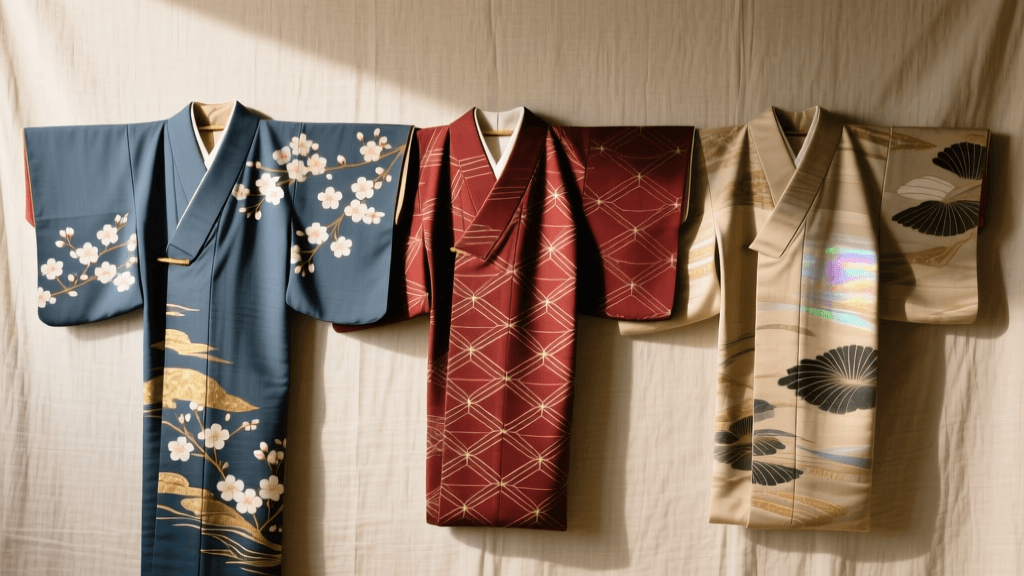
When global fans seek to incorporate these styles into their wardrobes, they often encounter a market flooded with cheap, mass-produced polyester replicas. While these serve a purpose for convention cosplay, they lack the drape, breathability, and cultural weight of authentic textiles. The Victoria and Albert Museum highlights how the materiality and intricate dyeing techniques of Japanese silhouettes have continuously disrupted and inspired global fashion runways. To truly honor the tradition, collectors and fashion-forward individuals should seek out vintage or artisan-crafted pieces.
Comparison Chart: Vintage Authentic vs. Modern Replica
| Feature | Authentic Vintage Haori/Hakama | Pop-Culture Polyester Replica |
|---|---|---|
| Material | 100% Silk, Ro (summer gauze), or high-grade Cotton | Thin Polyester, Satin blends |
| Average Cost (USD) | $45 - $250 (via proxy auction sites) | $20 - $45 (fast fashion/cosplay retailers) |
| Drape and Weight | Heavy, structured, elegant swing | Flimsy, static-prone, lacks structure |
| Lining (Haori) | Often features hand-painted or Yuzen-dyed silk linings | Unlined or cheap synthetic solid lining |
| Best Use | Streetwear, high-fashion layering, cultural events | Convention cosplay, Halloween, stage plays |
Actionable Sizing and Measurement Guide
Buying traditional Japanese clothing online requires understanding specific measurements, as Western sizing (S, M, L) does not apply. Garments are traditionally measured in shaku or centimeters. Here is what you need to know before purchasing:
- Haori Length (Mitake): Measured from the center back of the neck to the bottom hem. For a modern, gender-neutral streetwear look, aim for a mitake between 80 cm and 95 cm (approx. 31 to 37 inches). This ensures the jacket hits at the mid-thigh, perfect for layering over jeans.
- Sleeve Length (Sode): Traditional haori sleeves are wide and open. A standard vintage sleeve width is around 64 cm. Ensure your wingspan can accommodate this without the sleeves dragging on the ground when your arms are at your sides.
- Hakama Waist (Koshiita): Hakama are secured with long ties (himo). Look for a waist measurement that closely matches your natural waist (where the pleats begin). A standard women's or smaller men's hakama waist is roughly 90 cm to 100 cm, but because the ties wrap multiple times, you have a 5-10 cm margin of error for tying.
- Hakama Length: Measured from the top of the waistband to the hem. For a modern wide-leg trouser look, aim for a length that hits just above your ankle bone (approx. 85 cm to 95 cm depending on your inseam).
How to Style Traditional Pieces in a Modern Wardrobe
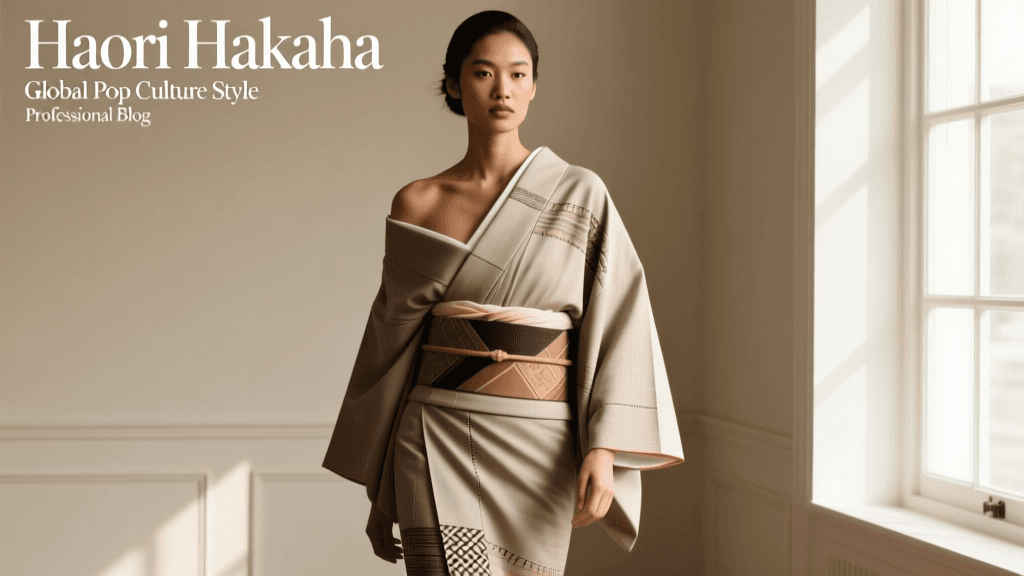
The key to wearing traditional Japanese garments in a global context without crossing into cultural appropriation is to treat them with the same respect and styling intention as a high-end Western blazer or tailored trouser. Avoid mixing them with cheap novelty accessories; instead, anchor them with contemporary, minimalist basics.
Styling the Haori
Think of the haori as an open-front duster coat or a structured cardigan. Because authentic silk haori often feature bold Yuzen-dyed motifs or subtle woven crests (mon), let the jacket be the focal point of your outfit.
- The Urban Minimalist: Pair a dark, solid-colored vintage silk haori with a crisp white heavyweight cotton t-shirt, raw selvedge denim, and leather Chelsea boots. The contrast between the fluid silk and the rigid denim creates a striking silhouette.
- Summer Layering: Use a sheer, unlined summer haori (ro or sha gauze weave) as a lightweight duster over a linen button-down and tailored shorts. This provides sun protection while maintaining breathability in humid climates.
- Formal Edge: Wear a black crested haori (kuro-mon) over a black turtleneck and tailored wool trousers for an avant-garde evening look reminiscent of high-fashion Japanese designers like Yohji Yamamoto.
Styling the Hakama
Hakama are essentially the ancestors of modern wide-leg, pleated trousers. Their deep pleats and stiff backboard (koshiita) offer incredible architectural volume.
- Office to Evening: Swap your standard suit trousers for a solid navy or charcoal polyester-silk blend hakama. Tuck in a fitted merino wool sweater or a tailored button-down shirt to define the waist, and finish with sleek loafers or pointed-toe boots.
- Streetwear Fusion: Pair a striped or subtly patterned cotton hakama with an oversized graphic hoodie and chunky sneakers. The voluminous pleats of the hakama mimic the drop-crotch or ballooning silhouettes popular in contemporary tech-wear and Harajuku street style.
Sourcing Authentic Pieces Globally
To acquire authentic pieces at reasonable prices, bypass Western novelty shops and utilize Japanese domestic markets via proxy services. Websites like Buyee or ZenMarket allow international buyers to bid on Yahoo! Auctions Japan and purchase from Mercari Japan.
Search Terms to Use:
- For Haori: Search "羽織" (Haori) or "アンティーク 羽織" (Antique Haori).
- For Hakama: Search "袴" (Hakama) or "女袴" (Women's Hakama) / "男袴" (Men's Hakama).
- For specific pop-culture patterns (like the Ichimatsu checkered pattern seen in anime): Search "市松模様 羽織" (Ichimatsu pattern Haori).
Expect to pay between $40 and $120 for excellent condition vintage silk haori, plus roughly $15-$25 for international shipping via DHL or FedEx. Always check the condition photos for "shimi" (stains) or "kabi" (mold), which are common in improperly stored vintage silk.
Conclusion
The integration of the haori and hakama into global pop culture is a testament to the enduring brilliance of Japanese textile arts and garment engineering. By moving beyond cheap reproductions and investing in authentic, vintage pieces, fashion enthusiasts can participate in a rich sartorial dialogue. Armed with the correct measurements, a respect for the garment's history, and a modern styling approach, you can seamlessly weave these traditional Asian masterpieces into your contemporary wardrobe.