Styling Authentic Hakama and Haori for Anime Cosplay
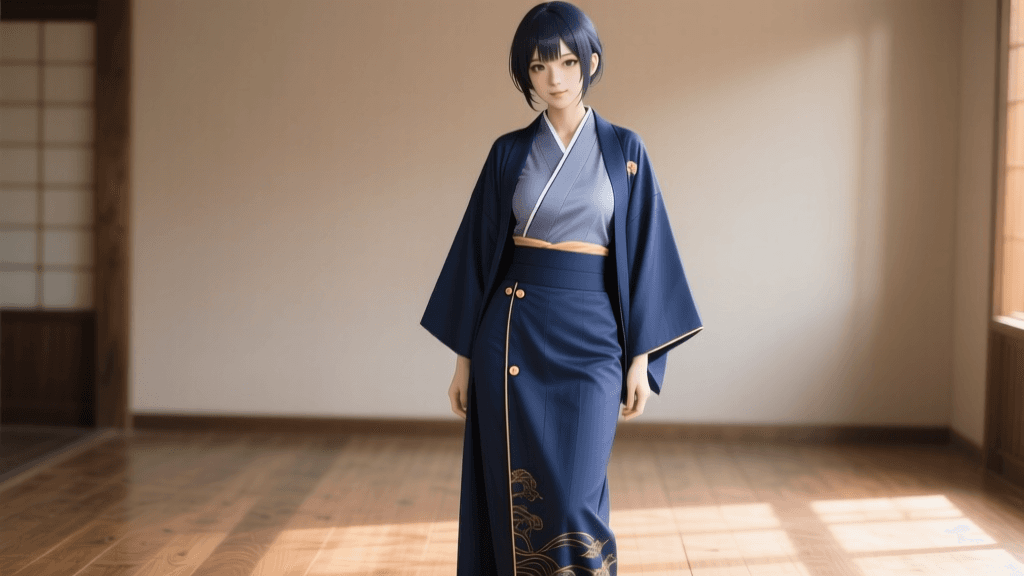
The Intersection of Traditional Garments and Anime Cosplay
For decades, anime and manga have drawn profound inspiration from Japan’s rich sartorial history. Series like Demon Slayer (Kimetsu no Yaiba), Bleach, Rurouni Kenshin, and Gintama feature characters clad in striking, historically grounded clothing. Today, a growing movement of dedicated cosplayers is abandoning cheap, mass-produced polyester uniforms in favor of authentic, traditional Japanese garments. This shift not only elevates the visual accuracy and drape of a cosplay but also provides superior comfort, breathability, and durability during long, crowded convention days.
According to the Metropolitan Museum of Art's Heilbrunn Timeline of Art History, garments like the hakama and haori have evolved over centuries from aristocratic court wear to martial arts uniforms and everyday fashion. Today, they serve as the foundational canvas for some of the most iconic character designs in modern anime, allowing fans to wear a piece of living history.
Understanding the Silhouettes: Hakama and Haori
The Hakama (袴)
The hakama is a pleated, skirt-like trouser worn over a base kimono or kosode. In anime, it is the quintessential garment for swordsmen, shrine maidens, and historical scholars. There are two primary types you will encounter:
- Umanori (馬乗り): The "horse-riding" hakama features divided legs, functioning like wide trousers. This is the standard for action-oriented anime characters (e.g., the Demon Slayer Corps or Shinigami in Bleach) because it allows for a full range of motion, high kicks, and dynamic posing.
- Andon (行灯): The "lantern" hakama is undivided, resembling a long pleated skirt. It is more commonly seen on female characters, scholars, or in formal ceremonial anime scenes.
Traditional hakama feature exactly seven deep pleats (five in the front, two in the back), representing the seven virtues of the samurai. Mass-produced cosplay versions often skimp on this detail, featuring shallow, heat-pressed pleats that flatten and look messy after a single wear.
The Haori (羽織)
The haori is a hip- or thigh-length jacket worn open over the base layers. As detailed by the Victoria and Albert Museum's extensive kimono archives, the haori was historically used for warmth and to display family crests (kamon) or artistic linings. In anime, the haori is a crucial storytelling device—think of Tanjiro Kamado’s iconic black-and-green ichimatsu checkered haori, or the white Captain’s haori in Bleach. Authentic haori feature a subtle stiffness in the collar and high-quality linings that allow the garment to drape and flare dynamically when the character moves.
Sourcing: Cosplay Grade vs. Authentic Traditional Garments
When building your cosplay, you must decide between buying a pre-packaged "costume" or sourcing authentic traditional wear. Below is a comparison to help you make an informed investment.
| Feature | Mass-Produced Cosplay Gear | Authentic Traditional Garments |
|---|---|---|
| Material | Thin polyester, spandex, cheap cotton blends | Tetron (polyester-rayon blend), wool, silk, heavy cotton |
| Pleat Quality (Hakama) | Shallow, glued, or poorly heat-pressed | Deep, permanently set, structurally sound |
| Cost Estimate | $30 - $60 USD | $80 - $250+ USD (New or Vintage) |
| Breathability | Poor (traps heat on crowded con floors) | Excellent (especially Tetron and wool weaves) |
| Sizing | S, M, L, XL (inaccurate proportions) | Measured by exact length in centimeters |
Pro Tip: For the best balance of cost, durability, and authenticity, look for Tetron hakama. Tetron is a traditional Japanese polyester-rayon blend used in modern martial arts like Kendo and Aikido. It drapes beautifully, holds pleats permanently, and is machine washable—perfect for the rigors of convention wear.
Practical Sizing and Measurement Guide
Sizing authentic Japanese garments relies on precise centimeter measurements rather than Western alpha-sizing. According to cultural and travel guides from Japan Experience, proper fit is essential for both aesthetics and mobility when wearing traditional clothing.
Measuring for Hakama
Unlike Western trousers that sit on the hips or waist, a traditional hakama is tied securely at the heso (the belly button). To find your size:
- Stand straight and locate your belly button.
- Measure from the belly button down to the ankle bone (or where you want the hem to rest just above your footwear).
- Match this number to standard hakama lengths (e.g., 88cm, 91cm, 95cm, 100cm). If you are between sizes, size up and fold the excess fabric at the waist before tying the himo (cords).
Measuring for Haori
Haori sizing focuses on the yuki (sleeve length) and the overall back length. Measure from the center of the back of your neck, over the shoulder, and down to your wrist bone for the yuki. The hem of a standard men's or unisex anime haori should fall around mid-thigh. Because the haori is worn open, the chest width is generally forgiving, but ensuring the shoulder seam sits correctly is vital for that sharp, authoritative anime silhouette.
Styling for Specific Anime Archetypes
The Demon Slayer (Kimetsu no Yaiba) Corps Uniform
The standard Demon Slayer uniform consists of a black, high-collared kosode (base shirt), black umanori hakama, and white leg wrappings (kyahan). To achieve this authentically, purchase a black martial arts keikogi top and a black Tetron hakama. The magic lies in the haori: Tanjiro’s ichimatsu pattern, Zenitsu’s triangular uroko pattern, and Inosuke’s spotted fur can be sourced from specialized Japanese kimono recyclers or custom-printed on heavy cotton twill to mimic the weight and movement of a real haori.
The Taisho Roman Scholar / Military
Series like Taisho Otome Fairy Tale or Violet Evergarden (which draws heavily on Taisho-era Japanese military aesthetics) popularized the "schoolboy" or "scholar" look. This involves a dark maroon or navy blue hakama paired with a crisp white collared shirt and a western-style tie, rather than a traditional kimono top. Finish this look with leather lace-up boots instead of traditional sandals, a historically accurate crossover trend from the 1920s that remains a staple in anime character design.
Footwear and Accessories: Tabi and Zori
No hakama cosplay is complete without proper footwear. You will need tabi (split-toe socks) and zori or setta (traditional sandals).
- Tabi: Buy these in standard shoe sizes. For action characters and swordsmen, black tabi are standard. For shrine maidens or formal wear, white is mandatory.
- Setta: These are leather-soled sandals that are much more durable and comfortable for walking across concrete convention center floors than woven straw zori. Measure your foot in centimeters and buy a size that is exactly 0.5cm to 1cm smaller than your actual foot length; traditional Japanese footwear is meant to be worn with the heel slightly overhanging the back edge.
Care, Maintenance, and Convention Etiquette
Authentic garments require specific care to maintain their convention-ready appearance. The most critical skill a cosplayer must learn is how to fold a hakama. Improper folding will ruin the seven pleats and destroy the structural integrity of the garment.
After wearing your hakama, lay it flat on the floor. Smooth out the front five pleats, then fold the sides inward. Flip it over, smooth the back two pleats, and fold the long himo (cords) into the traditional rectangular knot pattern before storing it in a breathable garment bag. Never wad a traditional hakama into a duffel bag.
Furthermore, when attending conventions, remember that you are wearing garments with deep cultural and historical significance. While anime stylizes these outfits, treating the garments with respect—keeping them clean, wearing them with the proper under-layers, and understanding their origins—bridges the gap between pop-culture fandom and a genuine appreciation for Asian traditions.