Ming Dynasty Hanfu Street Style: Douyin Fashion Trends
The Douyin Effect: Ming Dynasty Hanfu Meets Modern Streetwear
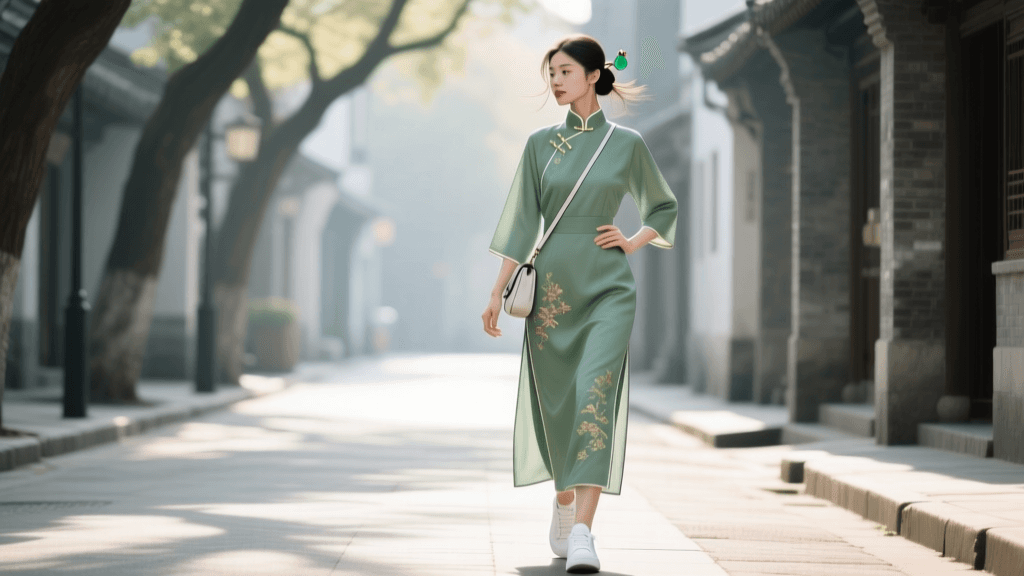
The intersection of ancient Chinese sartorial history and modern digital culture has birthed one of the most fascinating fashion movements of the decade. On Douyin (the Chinese counterpart to TikTok), influencers are no longer treating traditional clothing as mere cosplay or festival wear. Instead, they are integrating Ming Dynasty Hanfu into their daily urban wardrobes, creating a subgenre known as Xin Zhong Shi (New Chinese Style). This movement blends the structured elegance of 14th- to 17th-century garments with contemporary streetwear, resulting in a look that is both historically resonant and fiercely modern.
According to cultural reports by the BBC, the Hanfu revival has been heavily propelled by social media, with young Chinese consumers driving a multi-billion-dollar market. Among the various historical eras, the Ming Dynasty silhouette has emerged as the undisputed king of Douyin street fashion. Its structured lines, dignified layering, and adaptable proportions make it uniquely suited for modern urban environments, from the bustling streets of Shanghai to the subway systems of Beijing.
Deconstructing the Silhouette: The Mamianqun and Pifeng
To replicate the Douyin influencer aesthetic, one must first understand the core components of the Ming Dynasty wardrobe. The foundation of this streetwear look is the Mamianqun, or "horse-face skirt." Despite its name, the skirt has nothing to do with equestrian gear; rather, the "horse face" refers to the flat, unpleated front and back panels that resemble the architecture of ancient Chinese city walls. The sides feature deep, structured knife pleats that allow for ease of movement while maintaining a sleek, A-line profile when standing still.
On Douyin, the Mamianqun is famous for the "spin test"—a viral video format where influencers twirl to showcase the dramatic, geometric flare of the pleats. To achieve this, modern manufacturers use high-temperature pleating machines and specialized fabric weights to ensure the pleats remain razor-sharp even after daily commuting.
The top half of the silhouette typically features a Pifeng (a long, open-front cloak) worn over a Shan (a cross-collared or standing-collared shirt). The Pifeng provides an excellent layering piece that mimics the drape of a modern trench coat or duster, making it highly practical for transitional weather.
Three Douyin Influencer Archetypes: How to Style Ming Hanfu
Douyin street fashion is not a monolith. Influencers generally fall into three distinct styling archetypes when adapting Ming Dynasty Hanfu for the streets. Here is how to achieve each look with actionable details:
1. The Urban Commuter (Minimalist & Functional)
- The Base: A solid-colored, matte-finish Mamianqun in navy, charcoal, or olive green (95cm length).
- The Top: A modern, fitted black turtleneck or a crisp white button-down shirt, replacing the traditional Shan.
- The Layer: A tailored, modern wool blazer worn over the shoulders or a simplified, unlined linen Pifeng.
- Footwear: Chunky leather loafers or minimalist white sneakers. The contrast between the ancient skirt and modern rubber soles is a hallmark of this style.
2. The Vintage Romantic (Soft & Textural)
- The Base: A woven jacquard Mamianqun featuring subtle floral or cloud motifs in pastel or jewel tones (105cm length for a floor-sweeping effect).
- The Top: A traditional standing-collar Shan made of sheer organza or silk chiffon, layered over a modern camisole.
- The Layer: A heavily embroidered Pifeng with wide sleeves, pushed up to the elbows to reveal modern wristwatches or bracelets.
- Footwear: Victorian-style Mary Janes or ankle boots with a modest block heel.
3. The Streetwear Edge (Bold & Subversive)
- The Base: A black Mamianqun with metallic gold or silver woven threads (often featuring dragon or phoenix motifs).
- The Top: An oversized, graphic streetwear hoodie or a cropped leather jacket.
- Accessories: Silver chain belts draped over the skirt's waistband, dark sunglasses, and a modern crossbody bag.
- Footwear: High-top skate shoes or combat boots.
Actionable Buyer’s Guide: Measurements, Fabrics, and Costs
Buying Hanfu requires a different approach to measurements than Western fashion. The Mamianqun is sized by waist and length, while tops are sized by bust and sleeve length. Below is a comprehensive guide to selecting the right skirt length based on your height and desired street style vibe.
| Skirt Length | Ideal Height Range | Street Style Vibe | Recommended Footwear |
|---|---|---|---|
| 85 - 90 cm | 155 - 165 cm | Casual, Active, Edgy | Chunky Sneakers, Combat Boots |
| 95 - 100 cm | 160 - 170 cm | Urban Commuter, Elegant | Loafers, Mary Janes, Ankle Boots |
| 105 - 110 cm | 168 - 178 cm | Romantic, Formal, Dramatic | Block Heels, Pointed Flats |
Fabric Weights and Seasonality
The success of your streetwear integration depends heavily on fabric weight, measured in grams per square meter (g/m²).
- Summer (100 - 150 g/m²): Look for Tencel, lightweight polyester blends, or cotton-linen. These fabrics drape beautifully but may require a slip skirt underneath to prevent transparency and static cling.
- Spring/Autumn (200 - 250 g/m²): Woven jacquard polyester is the industry standard for Douyin influencers. It holds pleats exceptionally well, resists wrinkling during subway commutes, and offers a rich, textured appearance.
- Winter (300+ g/m²): Wool blends, heavy corduroy, and thick suiting fabrics. These provide structure and warmth, allowing you to wear the Mamianqun with heavy knitwear and tights.
Cost Breakdown (Taobao Pricing)
The Hanfu market is highly stratified. Here is what you can expect to spend on authentic, high-quality pieces from established Taobao brands (prices converted to USD for reference):
- Entry-Level (150 - 250 RMB / $20 - $35 USD): Basic polyester jacquard skirts. Excellent for beginners and daily wear, though the metallic threads may tarnish over time.
- Mid-Tier (300 - 600 RMB / $40 - $85 USD): High-density woven fabrics, intricate multi-color jacquard patterns, and reinforced waistbands. This is the sweet spot for most Douyin influencers.
- Haute/Custom (800 - 2000+ RMB / $110 - $280+ USD): Real silk, genuine gold-leaf thread weaving, and hand-finished pleats. Reserved for special events or high-end editorial street photography.
Sourcing Authentic Pieces: Taobao Keywords and Tips
To source the exact pieces seen on Douyin, international buyers must navigate Taobao using simplified Chinese keywords. Relying on English search terms will yield inaccurate or overpriced results. Use the following glossary to refine your search:
- 明制汉服 (Ming Zhi Hanfu): Ming Dynasty Hanfu (The overarching category).
- 马面裙 (Mamianqun): Horse-face skirt.
- 织金 (Zhi Jin): Woven gold (refers to the metallic thread patterns).
- 褶裙 (Zhe Qun): Pleated skirt.
- 日常 (Ri Chang): Daily wear / Everyday style (crucial for finding streetwear-appropriate, less theatrical designs).
- 飞机袖 (Fei Ji Xiu): "Airplane sleeves" (A specific Ming Dynasty sleeve shape that tapers at the wrist, highly favored for modern streetwear as it doesn't drag in food or catch on doors).
Pro-Tip for International Buyers: When ordering from Taobao, always use a consolidated shipping agent (like Superbuy or Wegobuy). Hanfu skirts are heavy due to the dense fabric and pleating; a single winter Mamianqun can weigh over 1.5 kg. Calculate your volumetric weight carefully to avoid exorbitant international shipping fees.
The Cultural Impact of Digital Trends
The Douyin Hanfu movement is more than a fleeting aesthetic; it is a profound reclamation of cultural identity. As noted by the Metropolitan Museum of Art, the Ming Dynasty was a period of immense refinement in Chinese textile arts, characterized by complex weaving techniques and highly regulated sumptuary laws. Today's youth are dismantling those historical boundaries, taking garments that were once restricted by class and gender norms and repurposing them as tools for radical self-expression.
By pairing a 600-year-old skirt design with a modern leather jacket and combat boots, Douyin influencers are proving that traditional garments do not need to be trapped behind museum glass. They are living, breathing textiles that can evolve alongside the cities they inhabit. For the global fashion enthusiast, adopting the Ming Dynasty streetwear silhouette offers a masterclass in proportion, layering, and the art of wearing history on one's sleeve—and skirt.