Yukata Versus Kimono: The Ultimate Summer Casual Wear Guide
Introduction to Japanese Summer Garments
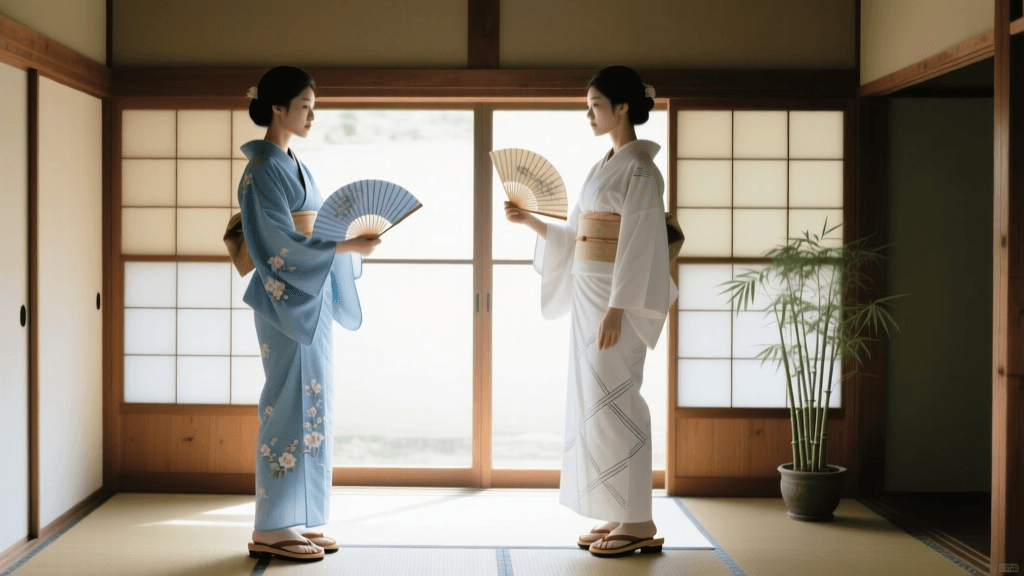
When the humid summer months arrive in Japan, the streets of Kyoto, Tokyo, and Osaka transform into vibrant runways of traditional fashion. For travelers and cultural enthusiasts alike, participating in this sartorial tradition is a highlight of the season. However, navigating the nuances of Japanese warm-weather clothing can be confusing. The two most prominent garments you will encounter are the yukata and the summer kimono (often referred to as natsugi). While they may look similar to the untrained eye, they serve different purposes, require different undergarments, and adhere to distinct cultural etiquettes. According to cultural overviews provided by the Japan Guide, understanding the historical and practical distinctions between these garments is essential for anyone looking to wear them respectfully and comfortably. This comprehensive guide will break down everything you need to know about yukata versus kimono for summer casual wear, including fabrics, styling, costs, and etiquette.
What is a Yukata? The Ultimate Summer Staple
The yukata is the undisputed king of Japanese summer casual wear. Originally developed in the Heian period (794-1185) as a lightweight bathing robe for nobility, it eventually evolved into the everyday summer garment worn by commoners during the Edo period. Today, the yukata is synonymous with summer festivals (matsuri), fireworks displays (hanabi), and relaxing at traditional inns (ryokan).
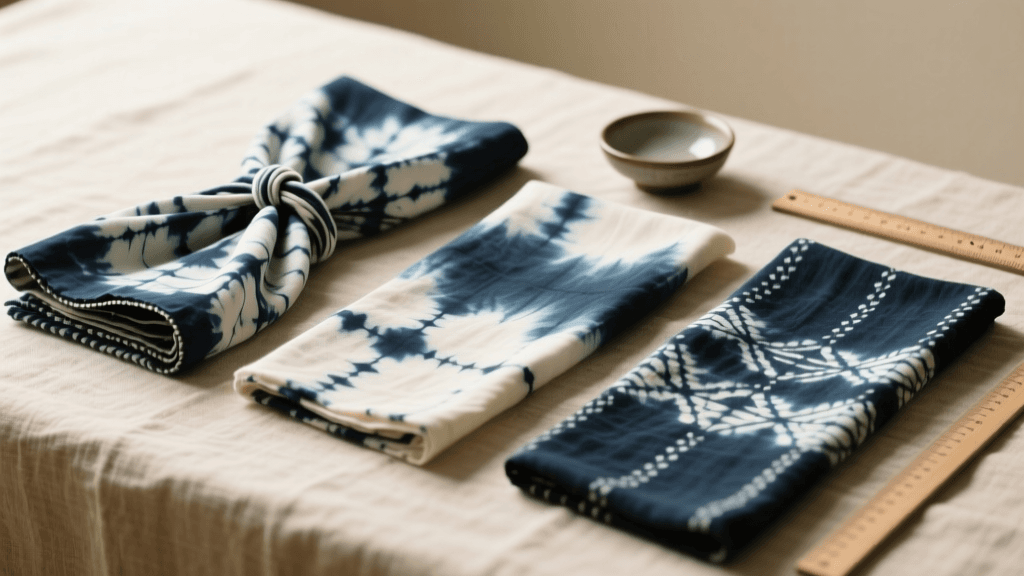
Fabric and Construction: Yukata are made exclusively from breathable, unlined cotton or cotton-blend fabrics. Modern variations sometimes incorporate polyester for wrinkle resistance, but traditional komon (small-patterned) cotton remains the gold standard. Because the fabric is unlined, it is incredibly lightweight, making it perfect for Japan's sweltering July and August heat.
Layering and Undergarments: One of the most significant advantages of the yukata is its simplicity. Unlike formal kimono, a yukata does not require a juban (under-kimono). Wearers typically only need a hadajuban (a simple cotton camisole or undershirt) and susuyoke (a cotton half-slip) to absorb sweat and protect the garment. This minimal layering keeps the wearer significantly cooler.
When to Wear: Yukata season officially runs from June through September. It is considered appropriate casual wear for evening strolls, casual dining, and outdoor summer festivities.
What is a Summer Kimono? (Hitoe, Ro, and Sha)
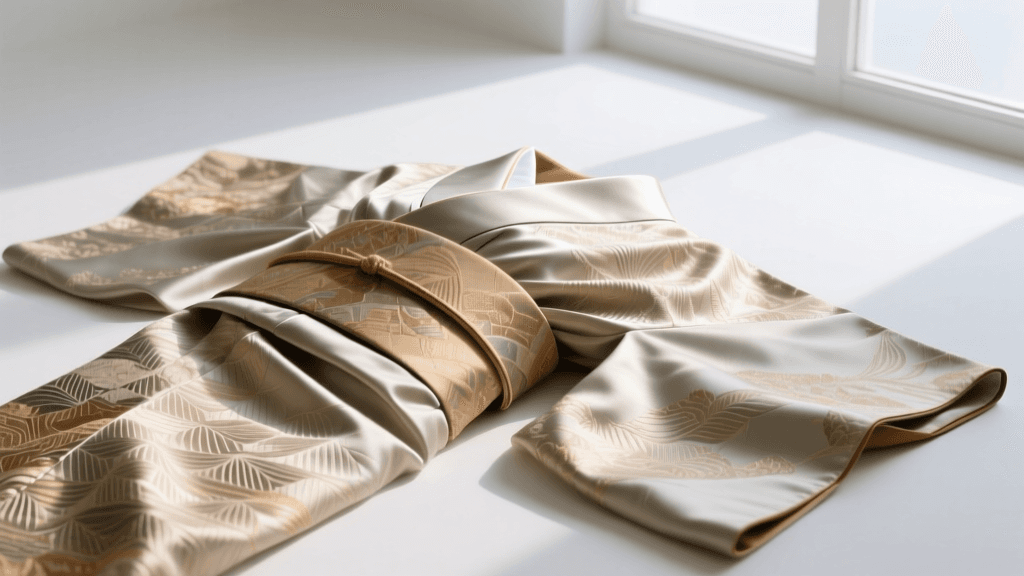
While the yukata is casual, the summer kimono (natsugi) bridges the gap between warm-weather comfort and formal elegance. As detailed in the extensive textile archives of the Victoria and Albert Museum, the Japanese kimono tradition is deeply tied to seasonality, and summer kimono represent the pinnacle of this seasonal awareness. Summer kimono are worn for tea ceremonies, formal summer weddings, upscale dining, and theater visits where a yukata would be considered too casual.
Fabric Types: Summer kimono utilize specialized, highly breathable silk weaves. The three main categories are:
- Hitoe (Unlined): Worn in June and September, hitoe kimono are made from standard silk but lack the inner lining found in winter kimono, allowing for better airflow.
- Ro (Gauze): Worn in July and August, ro silk features a distinctive leno weave with horizontal gaps that allow heat to escape while maintaining a luxurious sheen.
- Sha (Sheer): Also reserved for the peak heat of July and August, sha is a lightweight, highly transparent silk weave that is incredibly airy and delicate.
Layering and Undergarments: Unlike the yukata, a summer kimono must be worn with a nagajuban (full under-kimono) or at least a hanajuban (half under-kimono) and a koshimaki (wrap skirt). For sheer ro and sha kimono, the undergarments are often dyed in cool, summery colors like pale blue or mint green, as they will subtly show through the translucent outer fabric.
Head-to-Head Comparison: Yukata vs. Summer Kimono
To help you decide which garment is appropriate for your summer itinerary, refer to the comparison chart below:
| Feature | Yukata | Summer Kimono (Natsugi) |
|---|---|---|
| Primary Fabric | Cotton, Linen, Polyester | Silk (Ro, Sha), High-grade Polyester |
| Lining | Unlined | Unlined (Hitoe) or Sheer (Ro/Sha) |
| Undergarments | Hadajuban (camisole) & Susuyoke (slip) | Nagajuban or Hanajuban & Koshimaki |
| Collar Style | Worn closer to the neck, simpler fold | Deep V-neck, showing the juban collar |
| Obi (Sash) | Hanhaba (half-width) or Yukata Obi | Nagoya (9-inch) or Fukuro (formal) |
| Footwear | Bare feet with Geta (wooden clogs) | Tabi (split-toe socks) with Zori or Geta |
| Occasion | Festivals, casual outings, ryokan | Tea ceremonies, formal dinners, theater |
| Average Rental Cost | $25 - $45 USD | $50 - $90 USD |
Practical Styling: Obi, Footwear, and Accessories
The accessories you choose will immediately signal whether you are wearing a yukata or a summer kimono. Getting these details right is crucial for an authentic look.
The Obi (Sash)
For yukata, the standard choice is the hanhaba obi (half-width obi), which measures about 15 to 17 centimeters in width. It is soft, easy to tie into decorative bows like the bunko musubi (library knot), and does not require stiffeners. Conversely, a summer kimono requires a Nagoya obi. The Nagoya obi is wider (about 30 centimeters), pre-folded, and worn with an obi-ita (stiffener board) and obijime (decorative cord). The standard knot for a Nagoya obi is the otaiko musubi (drum knot), which sits flat and elegantly against the lower back.
Footwear
Footwear is one of the easiest ways to tell the garments apart. Yukata are traditionally worn with geta (wooden clogs) and bare feet. Wearing split-toe socks (tabi) with a yukata is generally considered a fashion faux pas in casual settings. Summer kimono, however, strictly require white tabi socks paired with zori (flat sandals made of vinyl, straw, or brocade) or formal lacquered geta.
Bags and Hair Accessories
Yukata styling allows for playful, casual accessories. Woven rattan bags, canvas totes, and bright floral kanzashi (hairpins) are perfectly appropriate. Summer kimono demand more refinement; opt for structured brocade handbags, subtle tortoiseshell hair ornaments, and elegant folding fans (sensu) to maintain a sophisticated silhouette.
Buying vs. Renting: Costs and Where to Go
If you are visiting Japan, you must decide whether to rent or purchase your summer garments.
Renting: Renting is highly recommended for tourists. In cities like Kyoto, Tokyo, and Kanazawa, rental shops offer full dressing services. A standard yukata rental package (including the garment, obi, geta, and a small bag) costs between 3,000 and 6,000 JPY ($20 to $40 USD). Summer kimono rentals, which include the necessary undergarments and tabi socks, range from 7,000 to 12,000 JPY ($45 to $80 USD). The major advantage of renting is that professional kitsuke (kimono dressing) artists will ensure your garment is fitted perfectly to your measurements, which is vital for comfort in the heat.
Buying: If you wish to purchase a garment to take home, department stores like Takashimaya or Isetan offer high-end summer kimono, with authentic silk ro or sha pieces starting around 50,000 JPY ($330 USD) and easily exceeding 200,000 JPY ($1,300 USD) for hand-painted artisan pieces. For budget-friendly yukata, stores like Uniqlo, Wacoal, and specialized chains like Kyoto Kimono Yamato offer beautiful, modern cotton yukata sets for 5,000 to 15,000 JPY ($35 to $100 USD). When buying off-the-rack, ensure the sleeve length (sode) and body width are appropriate for your frame, as standard sizes are tailored to average Japanese proportions.
Etiquette and Dress Code Rules
Regardless of whether you choose a casual yukata or an elegant summer kimono, certain foundational rules of Japanese garment etiquette must be followed to show respect for the culture.
- Left Over Right: The most critical rule of kimono dressing is that the left side of the garment must always wrap over the right side. Wrapping right-over-left is strictly reserved for dressing the deceased for funerals. Always double-check your collar before stepping out.
- Collar Depth: For women, the back of the collar should be pulled down slightly to expose the nape of the neck, which is traditionally considered an elegant and alluring feature. The front collar should form a neat, shallow V-shape. Men wear their collars higher and tighter around the neck.
- Hemline Length: The hem of both yukata and kimono should fall precisely at the ankle bone. Dragging hems are considered sloppy and will quickly become ruined on the street. When walking, practice the suriashi (sliding step) to keep the hem from flapping open.
- Seasonal Awareness: Japanese fashion is deeply tied to the calendar. Wearing a heavy, lined winter kimono in July is considered a major faux pas, just as wearing a sheer sha kimono in November would be inappropriate. Stick to cotton yukata or unlined summer silk between June and September.
Conclusion
Choosing between a yukata and a summer kimono ultimately depends on your itinerary, budget, and the formality of your engagements. The yukata offers a breezy, accessible, and highly festive experience perfect for evening fireworks and casual temple strolls. The summer kimono provides a gateway into the refined, meticulous world of Japanese seasonal aesthetics, ideal for cultural ceremonies and upscale dining. By understanding the distinct fabrics, layering systems, and etiquette rules outlined in this guide, you can confidently embrace Japanese summer traditions with both comfort and profound cultural respect.