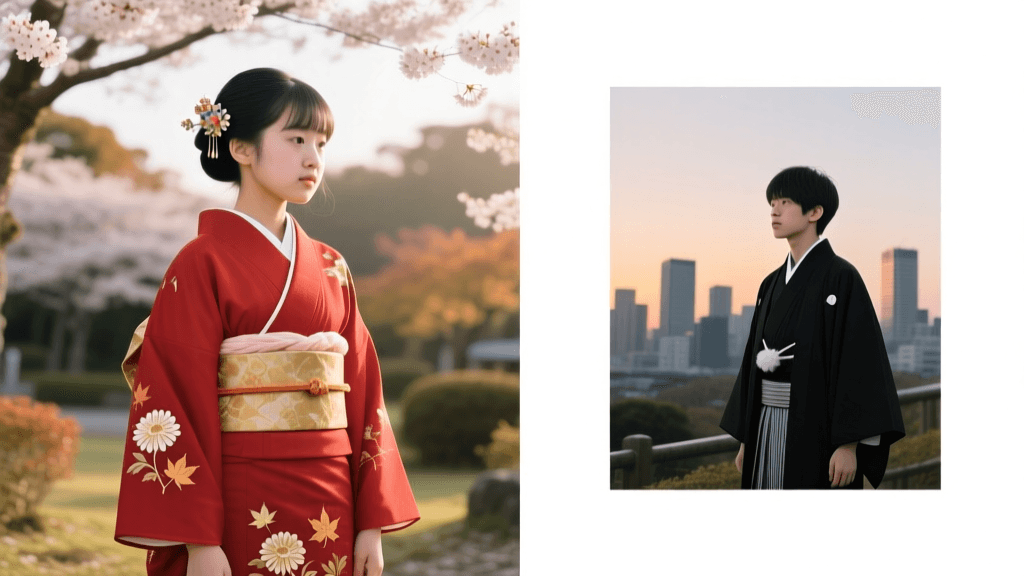
How to Start a Kimono Rental Shop: A Business Guide
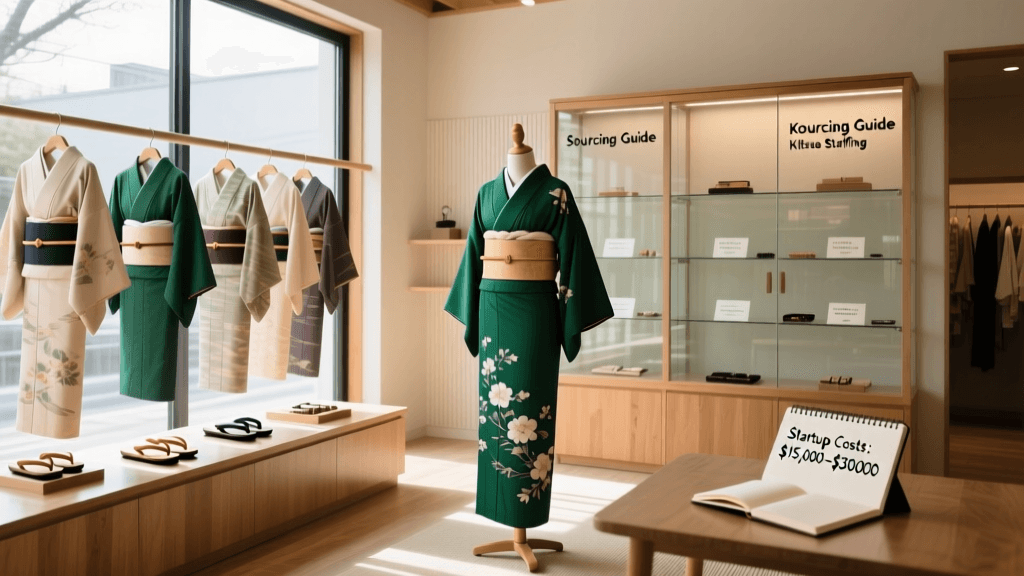
The Boom in Traditional Garment Tourism
The global fascination with Japanese culture has transformed the kimono rental industry into a highly lucrative sector within the Asian traditions and heritage tourism market. For entrepreneurs looking to enter this space, starting a kimono rental shop offers a unique blend of cultural preservation and modern hospitality. Unlike standard retail, a rental business requires a deep understanding of garment construction, seasonal aesthetics, and the intricate art of kitsuke (kimono dressing). This guide provides a comprehensive roadmap for launching and operating a successful kimono rental boutique, catering to both international tourists and local clientele seeking authentic cultural experiences.
Sourcing Authentic Inventory
The backbone of any kimono rental business is its inventory. A well-curated collection must balance historical authenticity, visual appeal, and durability. When sourcing garments, entrepreneurs typically rely on antique markets (such as the monthly Kobo-san market at Toji Temple in Kyoto), specialized wholesalers in the Nishijin textile district, and online vintage auctions.
Understanding the historical construction of these garments is vital for inventory buyers. As noted by the Metropolitan Museum of Art, the kimono's T-shaped, straight-seam construction means vintage pieces can often be resized or re-tailored, a crucial factor when sourcing antique inventory. This structural flexibility allows shop owners to purchase beautiful, slightly damaged vintage silk kimono and have them professionally cleaned and re-stitched to fit modern, diverse body types.
A starter inventory should include at least 150 to 200 complete sets. Each set must include:
- Kimono: A mix of komon (casual, repeating patterns) and houmongi (semi-formal, picture patterns).
- Obi: Both nagoya obi (easier to tie) and fukuro obi (for formal looks).
- Undergarments: Juban (under-kimono) and hadajuban (undershirt), plus koshihimo (tying cords).
- Footwear: Zori (sandals) and tabi (split-toe socks) in various sizes.
- Accessories: Obi-ita (stiffeners), obi-jime (decorative cords), and kanzashi (hair ornaments).
Startup Costs and Financial Planning
Opening a physical retail space in a high-traffic tourist area requires significant capital. Below is a breakdown of the estimated initial investment required to launch a mid-sized kimono rental shop in a city like Kyoto, Tokyo, or Kamakura.
| Expense Category | Estimated Cost (USD) | Strategic Notes |
|---|---|---|
| Inventory (150+ Sets) | $15,000 - $25,000 | Blend of vintage silk and modern, washable polyester for durability. |
| Accessories & Footwear | $3,000 - $5,000 | Must stock a wide range of shoe sizes (21cm to 28cm) for global tourists. |
| Shop Fit-out & Dressing Rooms | $12,000 - $22,000 | Requires large mirrors, tatami mat areas, and secure luggage storage lockers. |
| Booking System & Website | $2,000 - $4,000 | Multi-language support and automated inventory tracking are essential. |
| Licenses, Permits & Insurance | $1,500 - $3,000 | Includes commercial liability insurance and local business registration. |
| Initial Marketing & SEO | $2,500 - $5,000 | Targeted social media ads and partnerships with local travel influencers. |
Note: Ongoing monthly expenses will include commercial rent, staff salaries, garment cleaning, and utility bills. Break-even is typically achieved within 12 to 18 months of operation in established tourist corridors.
Mastering Kitsuke and Staffing
The customer experience in a kimono rental shop hinges entirely on the kitsuke (dressing) process. A poorly tied obi or an uncomfortable fit can ruin a tourist's day. Therefore, hiring certified and experienced kimono dressers is non-negotiable. In Japan, many dressers hold certifications from recognized kimono schools, which guarantee they understand the precise tension required for the koshihimo cords to keep the garment secure without restricting the client's breathing.
For international entrepreneurs, partnering with a local Japanese kitsuke master to train your staff is highly recommended. The dressing process takes approximately 30 to 45 minutes per client. During peak seasons, your shop must be staffed to handle high turnover rates efficiently while maintaining a serene, traditional atmosphere.
Daily Operational Workflow
- 8:30 AM: Staff arrival, preparation of dressing stations, and steaming of wrinkled garments.
- 9:00 AM: Doors open. Morning rush begins with pre-booked clients.
- 12:00 PM: Mid-day turnover. Staff must quickly inspect returned garments for stains or damage.
- 4:00 PM: Final rental departures. Staff begins the meticulous process of airing out worn silk garments.
- 6:00 PM: All returns collected. Inventory is logged, and garments requiring professional spot-cleaning are set aside.
Navigating Seasonality and Fabric Care
Japanese fashion is deeply tied to the seasons, and your rental inventory must reflect this. Spring demands cherry blossom (sakura) motifs, while autumn requires maple (momiji) and chrysanthemum designs. Summer rentals shift entirely to yukata (lightweight cotton) or sheer silk ro and sha weaves. Winter requires providing haori (jackets) and fleece-lined under-layers to keep clients warm.
Fabric care is another critical operational pillar. Authentic silk kimono cannot be machine washed. Furthermore, premium rental shops must educate staff on fabric care and seasonal motifs. The Victoria and Albert Museum highlights the intricate dyeing techniques like yuzen and shibori, knowledge that allows shop owners to curate high-tier rental packages and justify premium pricing. To maintain these delicate textiles, shops must invest in proper tato paper for storage and utilize traditional kiriboshi (airing out in the shade) techniques to remove moisture and odors after a day of wear.
Location Strategy and Tourist Etiquette
Location dictates the success of a kimono rental shop. The ideal location is within a 10-minute walk of major heritage sites, such as Kiyomizu-dera in Kyoto or Senso-ji in Tokyo. However, operating in these dense historical districts comes with strict responsibilities regarding tourist etiquette.
In recent years, cities like Kyoto have implemented strict manners campaigns to address the congestion caused by tourists in rented kimonos stopping in the middle of narrow streets for photographs. As a responsible business owner, you must integrate etiquette education into your customer onboarding process. Provide clients with a beautifully designed, multi-language etiquette card that outlines the rules of walking on the left side of the street, refraining from eating while walking, and respecting private properties and geisha districts. By promoting respectful tourism, your shop will build strong, positive relationships with local neighborhood associations, which is vital for long-term business survival in traditional communities.
Marketing and the Digital Experience
To stand out in a saturated market, modern kimono rental shops must offer more than just clothing; they must sell a complete aesthetic experience. Partnering with professional photographers to offer bundled photoshoot packages at iconic shrines and bamboo groves is a highly effective revenue multiplier. Additionally, maintaining an active, visually stunning presence on platforms like Instagram and TikTok is essential for capturing the younger demographic of travelers. By combining deep respect for Asian textile traditions with sharp, modern business operations, your kimono rental shop can become a cherished gateway to Japanese culture for visitors from around the world.