How Kimono Influencers Revive Traditional Japanese Fashion Online

The Digital Kitsuke Revolution
For centuries, the kimono was governed by strict rules of kitsuke (the art of dressing), with rigid guidelines dictating who could wear what, when, and how. Today, a vibrant digital renaissance is transforming this traditional Japanese garment into a dynamic, global fashion statement. At the forefront of this movement are kimono influencers, vloggers, and dedicated online communities who are dismantling gatekeeping and making traditional textiles accessible to a worldwide audience.
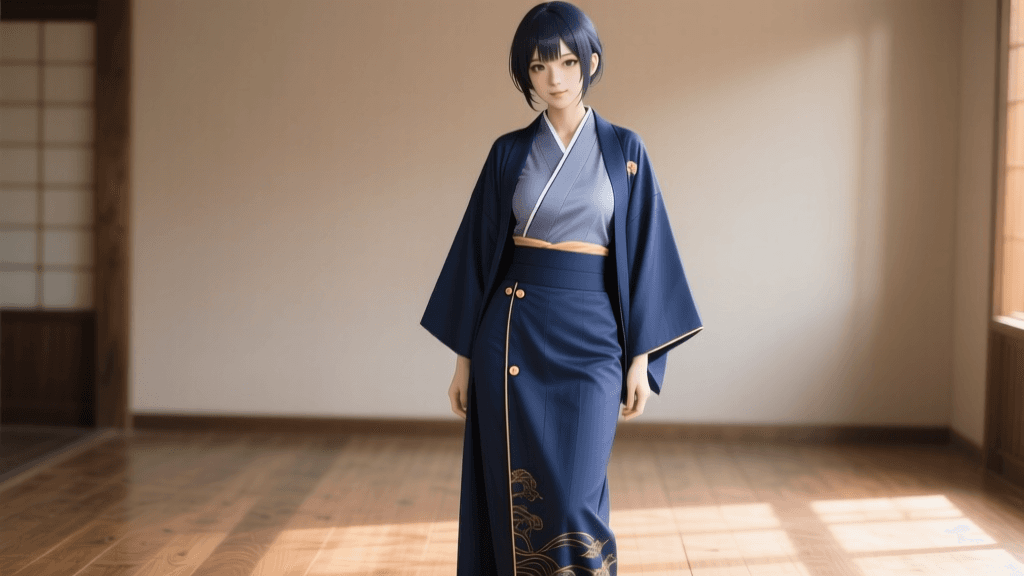
According to the Metropolitan Museum of Art, the kimono has historically been a highly structured garment that reflected social status, seasonality, and age. However, modern digital creators are reimagining these historical boundaries. By pairing vintage haori (jackets) with denim, styling obi (sashes) as corsages, and mixing traditional zori sandals with modern streetwear, influencers are proving that the kimono is not merely a museum relic, but a living, breathing element of contemporary fashion.
This article explores the ecosystem of online kimono communities, breaks down the best platforms for creators, and provides an actionable guide for aspiring vloggers and bloggers looking to share their passion for traditional Japanese garments with the world.
Where the Global Kimono Community Gathers
The internet has democratized access to kimono knowledge. Historically, learning to dress in a kimono required expensive, in-person classes in Japan. Today, global enthusiasts rely on digital hubs to share styling tips, authenticate vintage finds, and troubleshoot dressing dilemmas.
Key Online Hubs
- Reddit (r/kimono and r/Kimonos): These subreddits are the premier destinations for beginners seeking advice on garment identification, sizing, and reputable online sellers. The community is highly active in helping users differentiate between silk, polyester, and rayon blends.
- Facebook Groups: Groups such as 'Kimono Dressing' and 'Vintage Kimono' serve as massive digital marketplaces and support networks. Members frequently host 'closet cleanouts,' selling high-quality vintage pieces directly to international buyers without the markup of retail dealers.
- Discord Servers: Niche Discord communities offer real-time feedback on coordinates (outfits). Channels dedicated to kitsuke allow users to post photos of their half-tied obi and receive immediate, step-by-step troubleshooting from experienced dressers.
- Instagram and TikTok: Visual platforms dominate the styling space. Hashtags like #kimonooutfit, #vintagekimono, and #kimonoootd yield millions of posts, showcasing everything from formal furisode styling to casual yukata summer looks.
'The kimono community online is unique because it bridges a massive geographical and cultural gap. We aren't just sharing clothes; we are collectively preserving textile history and translating it for a modern, global wardrobe.' — Prominent Kimono Vlogger and Vintage Textile Archivist
Platform Comparison for Kimono Content Creators
If you are looking to start a kimono blog, vlog, or social media page, choosing the right platform is critical. Each platform serves a different audience intent and requires a unique content strategy. Below is a comparison chart to help you decide where to focus your digital efforts.
| Platform | Best Content Type | Audience Intent | Monetization & Growth Potential |
|---|---|---|---|
| YouTube | Long-form tutorials, thrift hauls, silk care guides, and historical deep-dives. | High intent; viewers want to learn complex kitsuke techniques or research before buying. | High. Ad revenue, affiliate links for kimono dealers, and Patreon for exclusive patterns. |
| High-quality OOTD (Outfit of the Day) photos, Reels showing quick styling hacks, and carousel posts on textile types. | Visual inspiration; users looking for color coordination and modern styling ideas. | Medium. Brand sponsorships with modern kimono accessory makers and vintage dealers. | |
| TikTok | Fast-paced transformations, 'get ready with me' (GRWM) videos, and myth-busting traditional rules. | Entertainment and quick tips; high virality potential among Gen Z fashion enthusiasts. | Medium. TikTok Creator Fund and driving traffic to a personal blog or Etsy shop. |
| Personal Blog | SEO-optimized articles, detailed measurement guides, and historical essays. | Search-driven; users looking for specific answers (e.g., 'how to wash silk kimono at home'). | High. Display ads, sponsored posts, and selling digital products like sewing patterns. |
Actionable Guide: Launching Your Kimono Vlog or Blog
Starting a kimono-focused channel or blog requires more than just a beautiful garment; it requires technical precision and a clear niche. Here is a step-by-step guide to launching your digital presence.
1. Define Your Niche
The 'kimono' category is vast. Narrow your focus to stand out. Popular niches include:
- The Vintage Hunter: Focusing on thrift hauls, identifying era-specific textiles (Taisho vs. Showa periods), and restoration.
- The Modern Stylist: Blending traditional garments with Western fashion, focusing on haori and happi coats.
- The Kitsuke Educator: Step-by-step dressing tutorials, focusing on formal wear, obi musubi (knots), and etiquette.
- The DIY Sewist: Upcycling damaged kimono silk into modern garments, hair accessories, or quilts.
2. Gear and Lighting for Silk
Shooting traditional Japanese textiles requires specific lighting to capture the intricate yuzen dyeing and gold leaf (kinpaku) details without blowing out the highlights.
- Camera: The Sony ZV-E10 or Canon EOS M50 Mark II are excellent entry-level mirrorless cameras that handle color grading beautifully.
- Lighting: Avoid direct ring lights, which create harsh, circular reflections on silk and satin. Instead, use a large softbox (like the Neewer 32-inch Octagon) positioned at a 45-degree angle, or shoot facing a large window with diffused natural light.
- Audio: If vlogging, use a wireless lavalier mic (e.g., DJI Mic) to ensure your voice is clear over the rustling sound of stiff silk.
3. Content Pillars and SEO
To grow your audience, create content that answers specific questions. Use tools like AnswerThePublic to find what people are searching for. Articles and videos titled 'How to Measure Yourself for a Vintage Kimono' or 'The Difference Between Nagoya and Fukuro Obi' perform exceptionally well because they solve immediate problems for beginners.
Sourcing and Styling: Secrets from the Influencers
A major draw of kimono influencers is their ability to source high-quality, authentic garments at a fraction of retail prices. The Victoria and Albert Museum notes that the kimono's evolution has always been tied to trade, material innovation, and global exchange. Today, that exchange happens via international proxy services.
Mastering the Measurements
Unlike Western clothing, kimono are not sized by S, M, or L. Influencers teach their audiences to rely on two critical measurements:
- Yuki (Sleeve Length): Measured from the center back of the neck, across the shoulder, and down to the wrist. A standard modern yuki is around 64-66 cm. Vintage kimono often have shorter yuki, which can result in the sleeves ending awkwardly above the wrist.
- Mitake (Back Length): Measured from the base of the neck to the hem. The ideal length is roughly equal to the wearer's height from the shoulder down, allowing for the ohashori (the folded tuck at the waist).
Where the Pros Buy
While Etsy and eBay are accessible, top vloggers utilize Japanese proxy services like Buyee and ZenMarket to bid directly on Yahoo! Auctions Japan and Mercari Japan. This allows creators to source pristine, unworn vintage kimono (shinsode) for as little as $30 to $50, bypassing the heavy markups of Western vintage dealers. Influencers often film 'unboxing and auction haul' videos, which are among the most highly viewed content in the niche.
Conclusion: The Future of Traditional Fashion Online
Kimono influencers and online communities are doing more than just creating aesthetic content; they are actively preserving a complex textile tradition by adapting it for the modern world. By sharing knowledge, demystifying the rules of kitsuke, and creating global marketplaces for vintage garments, these digital creators ensure that the kimono remains a vibrant, evolving art form. Whether you are a seasoned collector or a beginner looking to buy your first yukata, there has never been a better time to log on, join the community, and share your unique sartorial journey.