The Ultimate Guide to Tai Chi Uniforms: Fabrics and Cuts
The Intersection of Martial Arts and Garment Design
Taijiquan, universally known as Tai Chi, is far more than a sequence of graceful, slow-motion movements; it is a profound Chinese martial art deeply rooted in philosophy, traditional medicine, and the cultivation of internal energy (Qi). For practitioners, the clothing worn during practice is not merely a uniform but an essential tool that facilitates physical mobility, mental focus, and the unobstructed flow of energy. According to Harvard Health Publishing, Tai Chi is often described as 'meditation in motion,' requiring a state of physical relaxation and mental alertness. The garments worn must therefore support this dual state, offering zero resistance to the body's natural mechanics while maintaining a traditional aesthetic that honors the art's lineage.
The Philosophy of Unrestricted Qi Flow
In Traditional Chinese Medicine (TCM) and internal martial arts, the body is mapped with a network of meridians through which Qi flows. Tight clothing, restrictive waistbands, and rigid synthetic fabrics are believed to create blockages in these meridians, stifling the circulation of blood and energy. Traditional Tai Chi practice wear is designed with a generous, flowing cut that allows the joints to open fully. When a practitioner performs movements like 'White Crane Spreads Its Wings' or 'Cloud Hands,' the fabric must drape and move fluidly, providing visual feedback on the continuity and circularity of the motion. The philosophy dictates that the clothing should feel like a second skin—present, yet entirely unobtrusive.
Historical Evolution: From Hanfu to the Modern Tai Chi Suit
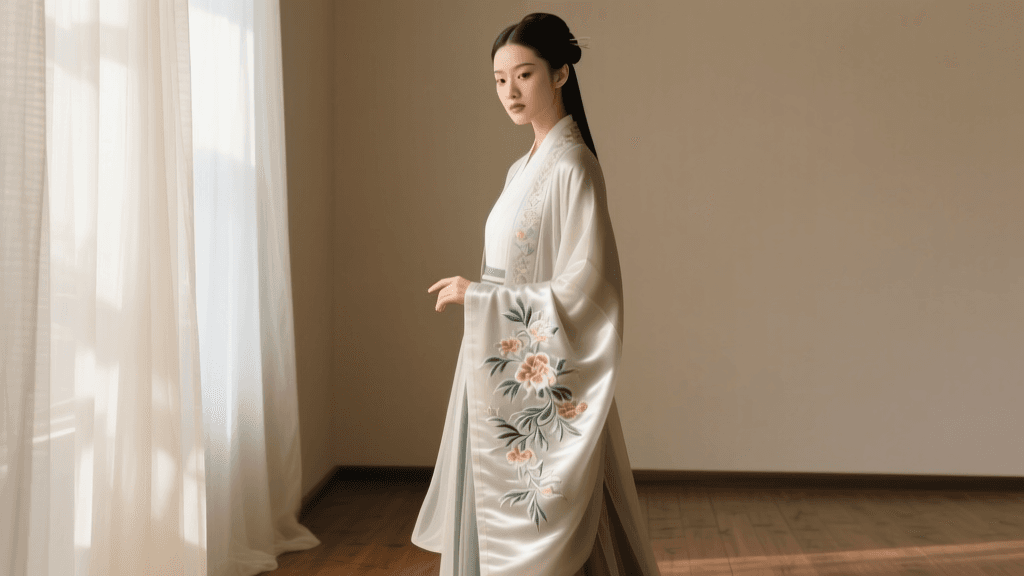
The modern Tai Chi uniform, often referred to as a Wushu suit or Taijiquan suit, is a relatively recent codification. Historically, practitioners simply wore their daily traditional garments, such as the Hanfu or the more practical, working-class Tun and Ku (tunic and trousers). As martial arts transitioned from battlefield necessity to health and cultural preservation in the 20th century, a standardized practice uniform emerged. This modern suit draws heavy inspiration from the Tangzhuang (Tang suit) and the Zhongshan suit (Mao suit), incorporating the iconic Mandarin collar and frog button closures. The Victoria and Albert Museum notes that traditional Chinese dress has always emphasized linear cuts and flat pattern-making, which naturally lends itself to the loose, unstructured silhouettes required for martial arts. This historical tailoring ensures that the fabric hangs from the shoulders rather than clinging to the torso, a crucial feature for the deep stances and torso rotations inherent in Tai Chi.
Fabric Selection: The Foundation of Practice Wear
Choosing the right fabric is perhaps the most critical decision when selecting a Tai Chi uniform. The material must balance breathability, durability, drape, and comfort. Below is a comprehensive comparison of the most common fabrics used in traditional practice wear.
| Fabric Type | Breathability | Drape & Weight | Durability | Best Use Case | Approximate Cost |
|---|---|---|---|---|---|
| 100% Mulberry Silk | Excellent | Heavy, fluid drape | Delicate | Competitions, demonstrations, indoor practice | $120 - $300+ |
| Cotton-Linen Blend | Very Good | Medium, structured | High | Daily outdoor practice, summer months | $40 - $90 |
| Raw Silk (Tussah) | Good | Textured, medium drape | Medium-High | Everyday practice, cooler weather | $70 - $150 |
| Modern Bamboo Blends | Superior | Lightweight, soft | Medium | Hot climates, intense sweat sessions | $50 - $100 |
For beginners, a high-quality cotton or cotton-linen blend is highly recommended. It is forgiving in the wash, durable enough for daily friction, and provides enough structure to help the practitioner observe their limb alignment. Advanced practitioners and competitors often gravitate toward heavy silk, as the luxurious drape accentuates the fluidity of the forms, making the 'Qi' visually apparent to judges and audiences.
The Anatomy of a Traditional Tai Chi Suit
A properly constructed Tai Chi suit features several distinct anatomical elements that differentiate it from standard activewear:
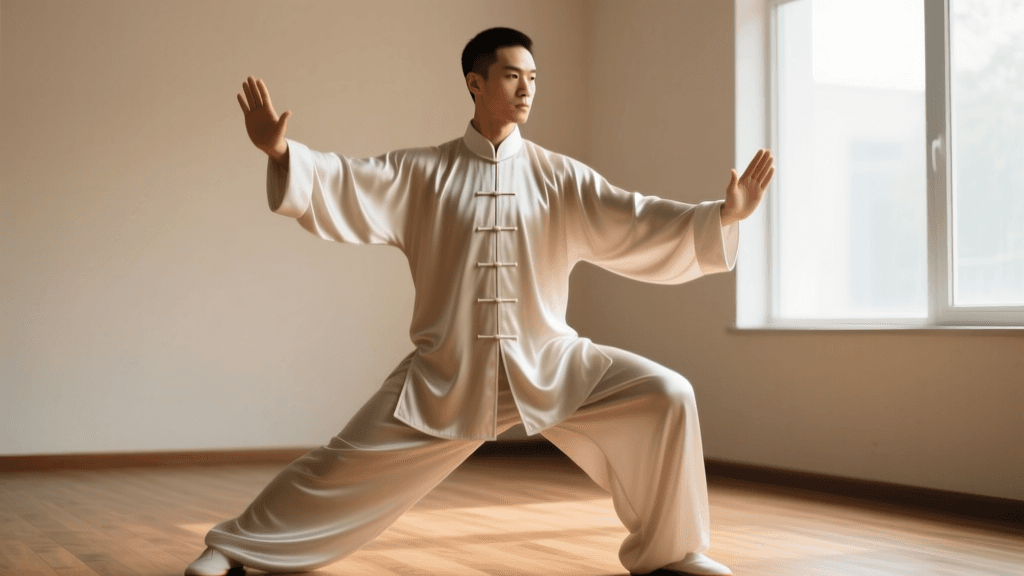
- The Mandarin Collar: A short, unfolded stand-up collar that frames the neck without restricting the throat or the flow of breath. It encourages the practitioner to keep the head suspended as if pulled by a string from the crown (Baihui point).
- Pankou (Frog Buttons): Traditional knotted closures made from fabric loops and balls. Beyond their aesthetic appeal, they lie flat against the body and do not dig into the skin during forward bends or ground-level movements.
- Drop-Shoulder Seams: Unlike Western tailoring, which places the shoulder seam exactly at the acromion, traditional cuts often feature dropped shoulders. This allows for maximum overhead reach and arm extension without the fabric pulling at the armpit.
- Tapered Trousers with Elastic Cuffs: The trousers are typically wide through the thigh to accommodate deep horse stances (Ma Bu) but taper at the ankle. The elastic or drawstring cuff prevents the fabric from catching under the heel during stepping and weight-shifting exercises.
Essential Measurements for the Perfect Fit
When ordering a custom or tailored Tai Chi suit, precise measurements are vital. The fit should be 'Song' (relaxed and loose), but not sloppy. Consider these specific tailoring guidelines:
- Sleeve Length: The sleeve should end exactly at the wrist bone (the styloid process). If it extends over the hand, it will obscure the intricate finger and wrist articulations required in forms like 'Needle at Sea Bottom.'
- Tunic Length: The hem of the jacket should fall just below the hips, covering the groin but leaving the knees entirely visible. This ensures the instructor can monitor knee alignment over the toes, a critical safety factor to prevent joint injury.
- Trouser Inseam: The crotch of the trousers must be gusseted or cut exceptionally low (often 2 to 4 inches lower than standard denim) to allow for 180-degree splits and deep crouching without seam tearing.
Color Symbolism in Martial Arts Apparel
In traditional Chinese culture, colors carry profound cosmological significance, tied to the Five Elements (Wu Xing) and the balance of Yin and Yang. White is the most ubiquitous color for Tai Chi practice, symbolizing purity, the metal element, and the unblemished mind required for meditation. Black represents water, depth, and the absorption of knowledge. Navy blue and earth tones (like ochre or muted sage) are also popular, reflecting a connection to nature and the grounding energy of the earth. While modern Wushu competitions feature vibrant, heavily embroidered silks in reds and golds, traditionalists and daily practitioners usually prefer solid, muted tones that minimize visual distraction and promote internal focus.
Footwear: Grounding Your Practice
No Tai Chi uniform is complete without the correct footwear. The Mayo Clinic highlights the importance of balance and lower-body strength in Tai Chi, both of which are heavily dependent on foot-to-ground connection. Modern running shoes with thick, cushioned, or elevated heels are detrimental to practice; they elevate the center of gravity and numb the sensory feedback from the soles of the feet (the Yongquan acupoint). Practitioners should opt for specialized Tai Chi shoes, traditional canvas martial arts shoes (like the iconic Feiyue or Warrior brands), or flat-soled kung fu slippers. These shoes feature ultra-thin rubber or canvas soles that allow the practitioner to 'grip' the floor with their toes, facilitating proper rooting and weight transfer.
Caring for Your Traditional Garments
Proper maintenance of traditional practice wear ensures its longevity and preserves the integrity of the natural fibers.
'Treat your silk as you would your own skin: with cool water, gentle handling, and protection from the harshness of direct, blazing sun.'
— Traditional Chinese Tailoring Proverb
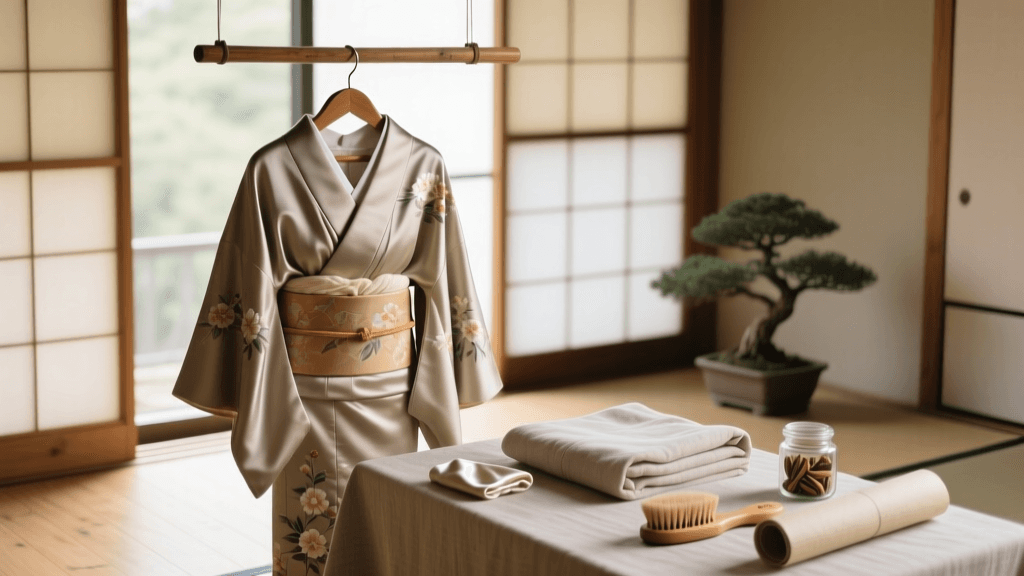
For cotton and linen blends, machine washing on a gentle, cold cycle with mild detergent is acceptable. Hang drying is preferred to prevent the shrinkage that can alter the crucial inseam and sleeve measurements. For silks and raw silks, hand washing in cool water with a pH-neutral silk wash is mandatory. Never wring silk; instead, roll the garment in a clean, dry towel to press out excess moisture before laying it flat to dry in the shade. Ironing should always be done on the lowest heat setting, preferably with a pressing cloth between the iron and the garment to prevent scorching the delicate fibers.
Conclusion
Selecting the right Tai Chi uniform is an investment in your martial arts journey. By understanding the historical context, prioritizing natural and breathable fabrics, and respecting the traditional tailoring techniques that allow for unrestricted movement, practitioners can elevate their daily routine. The right garment does not merely cover the body; it becomes an extension of the practitioner's intent, flowing seamlessly with every breath, step, and strike.