Essential Kimono Care: Cleaning, Storage, and Maintenance Tips
The Art of Kimono Maintenance
The art of kimono maintenance is a time-honored practice in Japan, where garments are often treated as heirlooms passed down through generations. Unlike modern fast fashion, a high-quality silk kimono requires specific environmental conditions, specialized cleaning techniques, and meticulous folding methods to preserve its structural integrity and vibrant dyes. Whether you have acquired a vintage haori, a formal furisode, or a casual cotton yukata, understanding the nuances of Japanese textile care is essential. In this comprehensive guide, we explore actionable, expert-backed strategies for cleaning, storing, and maintaining your traditional Japanese garments, ensuring they remain pristine for decades to come.
Understanding Kimono Textiles
Before applying any cleaning or storage method, it is crucial to identify the fabric of your garment. The care protocol for a delicate silk chirimen (crepe) differs vastly from that of a sturdy cotton yukata or a modern polyester blend.
- Silk (Shoken): The most prestigious and fragile kimono fabric. Silk is highly susceptible to water spots, UV fading, and protein-based pest damage.
- Cotton (Momen) and Hemp (Asa): Typically used for yukata and juban (undergarments). These are more durable, breathable, and can often withstand gentle hand-washing.
- Synthetics (Gosen): Modern polyester kimonos are wrinkle-resistant, colorfast, and generally machine-washable on delicate cycles, making them popular for beginners and daily wear.
- Wool (Uru): Often used for winter haori and casual kimonos. Wool requires strict moth prevention and dry-cleaning protocols.
Cleaning Protocols: Spot Treatment vs. Professional Care
Unlike Western garments that are routinely tossed into a washing machine, traditional silk kimonos are almost never washed with water at home. Water can cause the dyes to bleed, the silk threads to shrink, and the hidden stitches to pucker.
Spot Cleaning Silk Kimono
For minor, fresh spills on silk, immediate and careful spot treatment is required. According to the Victoria and Albert Museum's guide on textile conservation, you should never rub a silk stain, as the friction will permanently damage the delicate fibers and cause localized color loss. Instead, gently blot the area with a clean, dry, white cotton cloth. For oil-based stains, applying a small amount of cornstarch or talcum powder to absorb the oil before gently brushing it away with a soft-bristled brush is a safe, non-invasive home remedy. For stubborn stains, consult a professional kimono cleaner immediately.
The Traditional Arai-Hari Method
When a silk kimono requires a full clean, it undergoes a traditional Japanese process known as arai-hari (洗い張り). This is not a standard dry-cleaning process. Instead, the garment is completely unstitched into flat panels of fabric. These panels are then washed, stretched on wooden boards or frames to dry, and re-stitched by a kimono tailor. This process removes deep-seated dirt, restores the fabric's natural sheen, and allows the tailor to repair or adjust the garment's dimensions.
Cost & Timing: Professional arai-hari services typically cost between $150 and $300 USD, depending on the complexity of the garment and the condition of the lining. The process usually takes 4 to 8 weeks, as it requires master artisans to disassemble and reassemble the kimono by hand.
Washing Cotton Yukata at Home
Cotton yukata are designed for summer festivals and can be washed at home. Turn the yukata inside out, fold it loosely, and place it in a mesh laundry bag. Use cold water and a mild, neutral-pH detergent (such as Eucalan or a specialized Japanese kimono soap). Hand-wash gently or use the delicate cycle on your washing machine. Never wring the fabric; instead, press out excess water and hang it in a shaded, well-ventilated area. Direct sunlight will rapidly fade the indigo and vibrant cotton dyes.
Proper Kimono Storage Techniques
Improper storage is the leading cause of irreversible damage to vintage and modern kimonos. As noted by Ichiroya's expert guide on kimono maintenance, controlling the microclimate around your textiles is just as important as the physical folding method.
The Art of Folding (Tatou)
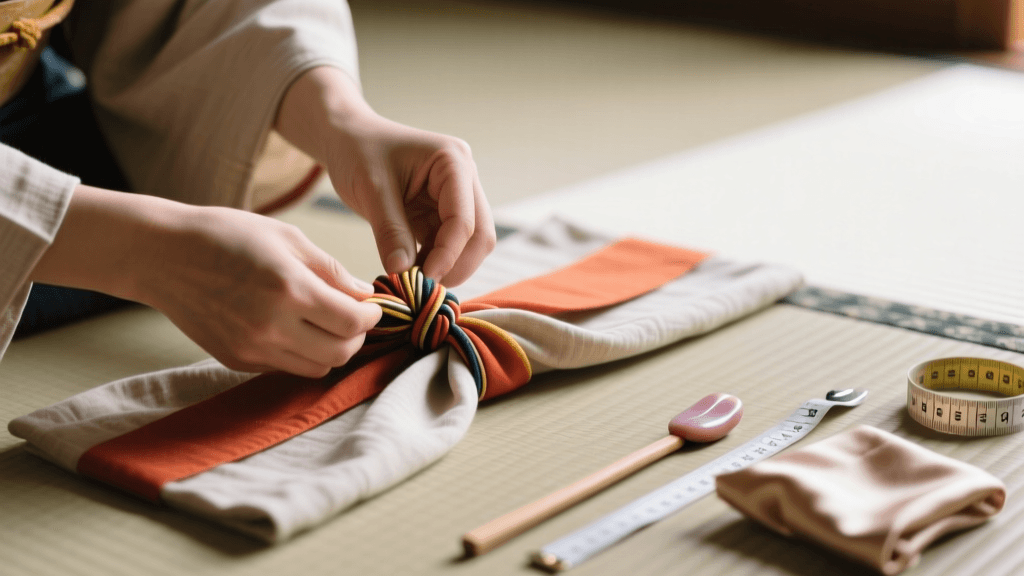
Kimonos are designed to be stored flat. Hanging a heavy silk kimono on a Western-style hanger for long periods will stretch the shoulder seams and distort the delicate sleeve shapes. The traditional folding method, known as hon-datami or tatou, ensures that the seams align perfectly, minimizing stress on the threads. When folding, always use clean hands or wear white cotton archival gloves to prevent transferring natural skin oils to the silk. Insert sheets of acid-free tissue paper (tatoushi) between the folds to prevent deep creases and allow the fabric to breathe.
Selecting Storage Materials
The ideal storage vessel for a high-end silk kimono is a kiri-tansu, a traditional Japanese chest made from Paulownia wood. Paulownia is naturally fire-resistant, lightweight, and possesses unique hygroscopic properties—it swells to seal out moisture when humidity rises, and contracts to release moisture when the air is dry. For those without space for a wooden chest, acid-free archival cardboard boxes or breathable cotton storage bags are excellent alternatives. Never store silk in plastic bins or vacuum-sealed bags; plastic traps moisture, leading to devastating mold outbreaks, and off-gasses chemicals that degrade silk proteins.
Climate Control and Pest Prevention
The Canadian Conservation Institute notes on textile artifacts emphasize that stable environments are critical for protein fibers. Maintain a storage temperature between 65°F and 70°F (18°C - 21°C) and a relative humidity level of 45% to 55%.
To deter pests like carpet beetles and clothes moths, which feed on silk and wool, avoid chemical mothballs (naphthalene or paradichlorobenzene), as their harsh fumes can discolor fabrics and are toxic to humans. Instead, use natural deterrents such as dried neem leaves, cedarwood blocks, or traditional Japanese camphor (shounou). Ensure these natural repellents do not touch the fabric directly; wrap them in small cotton pouches.
Kimono Care Schedule and Cost Comparison
To maintain your collection, establish a routine care schedule. Below is a practical comparison chart detailing maintenance tasks, recommended frequencies, and estimated costs.
| Maintenance Task | Garment Type | Recommended Frequency | Estimated Cost (USD) |
|---|---|---|---|
| Airing Out (Mushiboshi) | All Silk / Wool | Twice a year (Autumn & Spring) | Free (DIY) |
| Spot Cleaning | Silk / Synthetics | As needed (immediately after spill) | $0 - $30 |
| Professional Dry Cleaning | Wool Haori / Modern Silk | Every 2-3 years (if worn often) | $40 - $80 |
| Arai-Hari (Full Wash & Re-stitch) | Vintage / Heirloom Silk | Every 10 years or when heavily soiled | $150 - $300+ |
| Replacing Tatoushi (Storage Paper) | All Garments | Every 3-5 years | $15 - $25 |
Common Mistakes to Avoid
Even well-intentioned collectors can make critical errors when caring for Japanese garments. Avoid these common pitfalls:
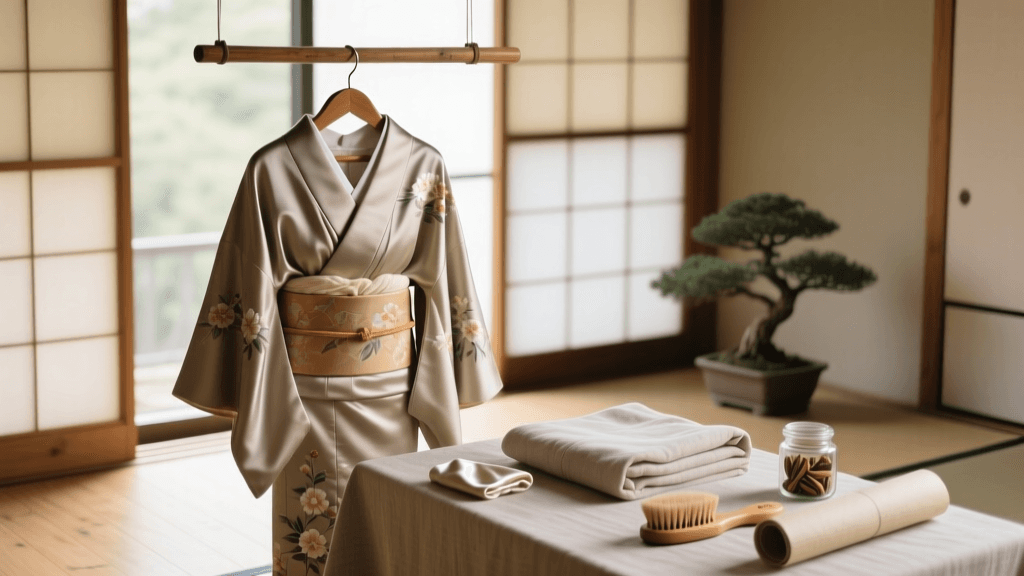
- Using Wire or Velvet Hangers: Never hang a kimono for long-term storage. If you must display it, use a specialized, wide-shouldered kimono hanger (emono) and limit display time to a few weeks to prevent UV and gravity damage.
- Ignoring the 'Airing Out' Ritual: In Japan, the practice of mushiboshi (airing out garments) is essential. Twice a year, on dry, breezy days, unfold your kimonos, drape them over a clean bamboo pole or specialized rack in a shaded room for a few hours. This releases trapped moisture and deters mold.
- Storing with Desiccants: While controlling humidity is vital, placing commercial silica gel packets directly inside the kimono folds can over-dry the silk, making the fibers brittle and prone to shattering. Rely on room-level dehumidifiers instead.
- Wearing Perfume or Deodorant: Silk easily absorbs airborne chemicals and odors. Always apply perfumes, hairsprays, and deodorants at least 30 minutes before putting on your kimono to prevent chemical reactions that can yellow the fabric.
Conclusion
Caring for a kimono is a mindful practice that connects you to centuries of Japanese textile heritage. By understanding the specific needs of your garment's fabric, utilizing traditional folding and storage methods, and knowing when to seek professional artisan care, you can protect your investment. Whether it is a vibrant silk furisode or a simple cotton yukata, proper maintenance ensures that these beautiful garments continue to tell their stories for generations to come.