Seasonal Kimono Dressing: Layering Techniques and Rules
Introduction to Seasonal Kimono Dressing
In Japanese culture, the changing of the seasons, or shiki, dictates not only culinary and architectural practices but also the intricate art of dressing. The kimono is far more than a static historical garment; it is a dynamic canvas that reflects the wearer's deep connection to nature and the passage of time. According to the Victoria and Albert Museum, the kimono's T-shaped structure serves as a foundational medium for expressing seasonal awareness through fabric weight, layering techniques, and motif selection. For modern practitioners and enthusiasts, mastering seasonal kimono dressing—known as kitsuke—requires a precise understanding of traditional calendars, textile properties, and structural adjustments.
The Strict Calendar of Seasonal Fabrics
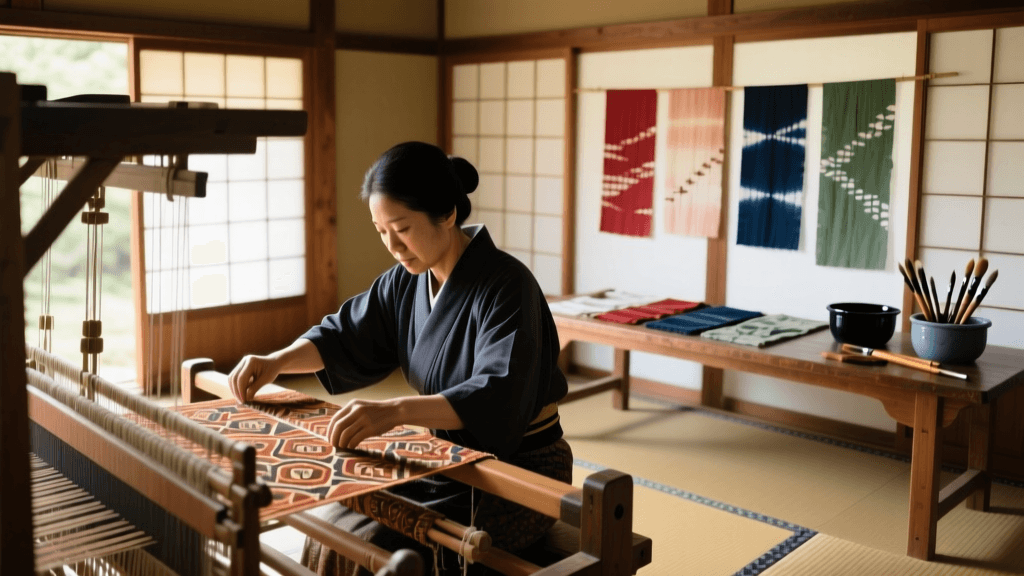
Unlike Western fashion, which often transitions based on immediate weather fluctuations, traditional Japanese kimono dressing adheres to a strict, pre-ordained calendar. The primary mechanism for seasonal adaptation is the manipulation of the garment's lining. There are three primary categories of kimono construction dictated by the time of year: awase (lined), hitoe (unlined), and usuyagi/ro/sha (sheer). The Metropolitan Museum of Art notes that the structural integrity of silk weaving in Japan evolved specifically to accommodate these distinct seasonal requirements, resulting in highly specialized loom techniques.
Seasonal Fabric and Garment Guide
| Season | Traditional Dates | Fabric Type | Garment Name | Lining Status |
|---|---|---|---|---|
| Spring / Autumn / Winter | October 1 - May 31 | Crepe, Rinzu, Wool | Awase | Fully lined |
| Early Summer / Early Autumn | June 1 - June 30; Sept 1 - Sept 30 | Unlined Silk, Cotton | Hitoe | No lining |
| Peak Summer | July 1 - August 31 | Sheer Silk, Ramie | Ro / Sha / Yukata | No lining |
Actionable Advice: While the traditional calendar dictates that hitoe (unlined) garments are worn strictly in June and September, modern global warming has necessitated practical adjustments. Many contemporary wearers now transition to hitoe by mid-May and extend its use through late September. If you are attending a formal tea ceremony, adhere strictly to the calendar; for casual outings, prioritize your comfort and the actual temperature.
Anticipating the Season: Motif Rules
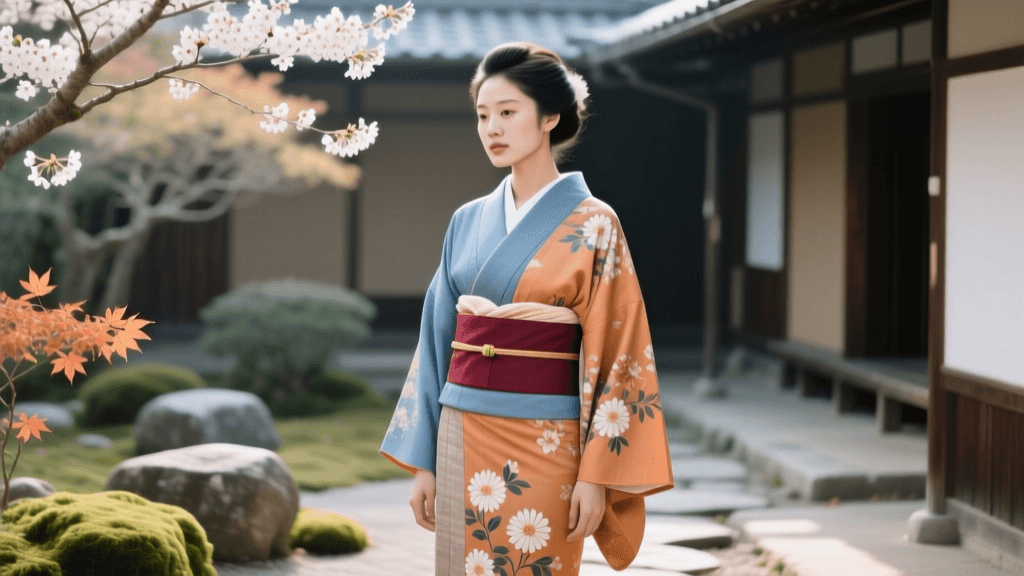
A core tenet of seasonal dressing is the concept of anticipation. In Japanese aesthetics, it is considered highly sophisticated to wear motifs of flora and fauna just before they bloom or appear in nature, rather than during their peak. For example, cherry blossom (sakura) motifs are worn from late February through early April. Once the actual flowers fall, wearing the motif is considered outdated. Conversely, autumnal motifs like maple leaves (momiji) are introduced in late September, well before the leaves actually turn red in November. This practice demonstrates a refined, forward-looking appreciation of nature's cycles.
The Art of Kasane: Layering Techniques
Historically, aristocratic women of the Heian period wore up to twelve layers of silk, a practice known as junihitoe. Today, physical layering of multiple kimono is reserved for the most formal bridal or imperial court occasions due to the immense weight and cost. However, the visual illusion of layering, known as kasane, is achieved through the strategic use of collars and undergarments.
- Kasane-eri (Layering Collar): This is a false collar attached to the nagajuban (undergarment). By stacking a brightly colored kasane-eri beneath the standard white han-eri (half-collar), you simulate the look of multiple layered garments at the neckline. Cost: $15 to $30 USD for high-quality silk or synthetic blends.
- Han-eri Selection: Swap your han-eri seasonally. Use heavy, embroidered silk collars in winter, and sheer, lightweight ro collars in summer to match the outer garment's breathability.
- Color Combinations (Kasane no Irome): Traditional layering relies on specific color pairings. For early spring, pair a light pink outer collar with a vibrant magenta inner collar to mimic the budding of plum blossoms.
Step-by-Step Dressing Techniques (Kitsuke)
Properly dressing in a seasonal kimono requires precise measurements and structural adjustments, particularly concerning the ohashori—the horizontal fold of fabric tied at the waist to adjust the kimono's length. According to cultural guidelines highlighted by the Japan National Tourism Organization, maintaining the correct proportions is essential for both aesthetic harmony and mobility during seasonal festivals.
1. Adjusting the Nagajuban (Undergarment)
Before putting on the outer kimono, the nagajuban must be secured. The collar should sit exactly 2 cm away from the base of the neck at the back. Use a kohrin belt (an elasticized shoulder brace, approx. $12 USD) to keep the collar from slipping backward, which is a common issue when wearing heavier winter awase garments.
2. Creating the Ohashori Fold
When wrapping the outer kimono, the hem should initially be pulled up to rest just above the ankles. The excess fabric is then folded over at the waist to create the ohashori. Crucial Measurement: The ohashori must be exactly 5 to 7 cm deep and perfectly horizontal across the entire waist. If the fold is uneven, the kimono will hang improperly, causing the seasonal motifs on the skirt to distort. Secure this fold tightly using a koshihimo (tying sash).
3. Securing with Datejime
Wrap a datejime (under sash) over the ohashori to flatten the fabric. For beginners dealing with slippery summer ro or sha silks, a modern velcro magic belt (approx. $10 USD) provides superior grip compared to traditional silk sashes, preventing the sheer fabric from gaping open at the chest.
4. Tying the Obi (Sash)
The final step is tying the obi. The type of obi you select is also strictly seasonal. In winter, heavy, stiff fukuro obis (measuring 30 cm in width and 4.2 meters in length) are preferred for their warmth and formal structure. In contrast, summer calls for lighter, more breathable obis, or even sheer ro obis that allow air circulation. For casual summer yukata, a 15 cm wide hanhaba obi is standard. Ensure the obi-ita (stiffening board) is placed between the obi folds to maintain a crisp, uncreased silhouette, which is especially important when lightweight summer fabrics are prone to wrinkling.
Sourcing and Cost Guide for Seasonal Garments
Building a seasonal kimono wardrobe requires strategic sourcing. Authentic silk garments are investments, but the secondary market offers accessible entry points.
- Vintage Hitoe (Unlined): Because unlined garments are more fragile and harder to clean, they are often cheaper on the vintage market. Expect to pay between $40 and $120 USD at antique markets like Tokyo's Oedo Antique Market.
- Summer Ro and Sha: High-quality sheer silks with intricate woven patterns are highly prized. New, custom-woven ro kimono can exceed $2,500 USD, while vintage pieces in good condition range from $250 to $600 USD.
- Yukata (Casual Cotton): For peak summer, cotton yukata are the most practical and affordable. A complete set (yukata, hanhaba obi, and geta sandals) can be purchased from modern retailers for $80 to $150 USD.
When purchasing vintage seasonal garments, always inspect the eri (collar) and the suso (hem) for stains, as unlined hitoe and sheer ro garments are typically dry-cleaned less frequently than lined winter kimono. If you are traveling to Japan to experience these festivals firsthand, many rental shops in Kyoto now offer seasonally accurate hitoe and ro packages, allowing visitors to partake in the tradition without the upfront investment of purchasing authentic silk.
"The true elegance of the kimono lies not merely in its silk, but in the wearer's ability to harmonize their attire with the fleeting whispers of the changing seasons."
Conclusion
Mastering seasonal kimono layering and dressing techniques is a lifelong pursuit that bridges the gap between historical tradition and modern wearability. By understanding the strict calendar of awase, hitoe, and ro fabrics, utilizing kasane collars to simulate depth, and perfecting the 5-7 cm ohashori fold, you can wear the kimono not just as a piece of clothing, but as a living tribute to the natural world. Whether you are sourcing a vintage summer silk or carefully selecting a spring blossom motif, the art of seasonal dressing ensures that your attire remains a respectful and beautiful reflection of Japanese cultural heritage.