Exploring China's Top Hanfu and Textile Heritage Museums
The Renaissance of Hanfu Through Museum Preservation
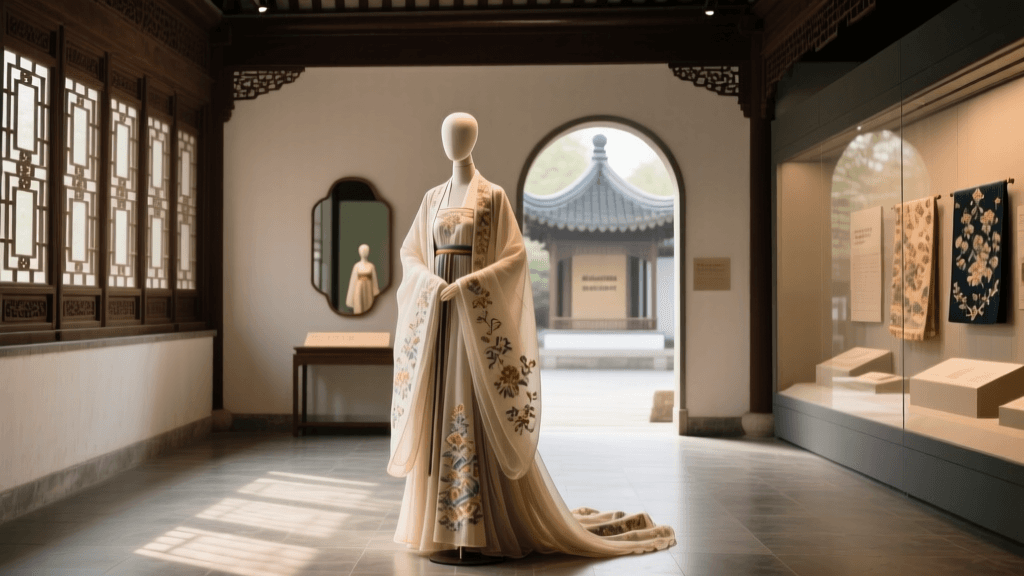
The modern Hanfu movement has sparked a global renaissance in traditional Chinese clothing, driving millions of enthusiasts to seek historical accuracy and cultural depth. While social media popularizes the aesthetic, the true foundation of Hanfu lies in the meticulous preservation of ancient textiles, weaving techniques, and structural tailoring. For scholars, designers, and dedicated enthusiasts, China's specialized textile and heritage museums serve as the ultimate sanctuaries of knowledge. These institutions not only protect fragile artifacts from the Tang, Song, and Ming dynasties but also provide the empirical data necessary for modern artisans to recreate authentic garments like the Mamianqun (horse-face skirt) and the Beizi (traditional jacket).
Exploring these heritage sites offers a profound understanding of the socio-economic and artistic landscapes that shaped Asian traditions. This guide details the most significant Hanfu and textile museums in China, providing actionable travel advice, exhibition insights, and practical tips for navigating cultural heritage sites.
Premier Hanfu and Textile Heritage Sites
China Silk Museum (Hangzhou)
Located in the historic silk-producing city of Hangzhou, the China Silk Museum is the largest silk-themed museum in the world. It is an essential pilgrimage site for anyone studying the foundational materials of Hanfu. The museum's extensive galleries trace the 5,000-year history of sericulture, showcasing excavated textile fragments from the Han Dynasty and fully preserved garments from the Ming and Qing eras. A major highlight is the exhibition on Kesi (cut silk) tapestry, a painstaking weaving technique where the weft threads are cut to create intricate, unbroken color blocks, often used for imperial dragon robes and high-ranking official garments.
The craftsmanship of Chinese silk is globally recognized for its complexity and historical importance. In fact, the traditional practices surrounding this material are so vital that sericulture and silk craftsmanship of China are officially inscribed on the UNESCO Representative List of the Intangible Cultural Heritage of Humanity. This designation underscores the museum's role in safeguarding living history, featuring live demonstrations by master weavers operating traditional wooden drawlooms.
Practical Advice: Admission is free, but visitors must reserve tickets in advance via the museum's official WeChat mini-program. The museum is accessible via Hangzhou Metro Line 1 (Ding'an Road Station). To avoid crowds, visit on weekday mornings. Allocate at least three hours to fully explore the textile conservation laboratory exhibits.
Nanjing Cloud Brocade Museum (Nanjing)
Nanjing Cloud Brocade, or Yunjin, represents the pinnacle of Chinese textile artistry. Historically reserved for the imperial court, this fabric is characterized by its vibrant colors and the integration of gold and silver threads. The Nanjing Cloud Brocade Museum houses an awe-inspiring collection of Ming Dynasty imperial garments, offering Hanfu makers critical insights into historical layering, collar structures, and the precise placement of rank badges (Buzi).
The weaving process is incredibly complex, requiring two artisans to operate a massive, multi-story wooden drawloom simultaneously—one sitting atop the loom to pull the warp threads, and another below to weave the weft. Due to its intricate nature and historical significance, Nanjing Yunjin brocade craftsmanship is also protected by UNESCO. The museum's live weaving demonstrations are a must-see, illustrating why the ancient adage claims 'an inch of brocade is worth an inch of gold.'
Practical Advice: General admission is approximately 30 RMB. The museum offers excellent English audio guides for 20 RMB, which are highly recommended for understanding the complex loom mechanics. Visit in the late afternoon when the natural light filters through the museum's architectural louvers, perfectly illuminating the metallic threads of the displayed garments.
Chengdu Shu Brocade Museum (Chengdu)
Sichuan province has been a hub of silk production for millennia, and Shu Brocade is one of China's four famous brocades. The Chengdu Shu Brocade Museum focuses heavily on the regional variations of Hanfu textiles, highlighting the vibrant dyes and distinct geometric patterns favored in the Sichuan basin. The museum's collection includes rare artifacts from the Three Kingdoms period, providing a visual timeline of how warfare and trade influenced textile motifs and garment durability.
According to cultural heritage records, Shu brocade craftsmanship is celebrated for its unique warp-faced weaving techniques, which differ significantly from the weft-faced methods used in other regions. The museum features a retail and workshop section where visitors can purchase authentic, hand-woven Shu brocade fabric by the meter—an invaluable resource for bespoke Hanfu tailors seeking historically accurate materials.
Practical Advice: Tickets cost around 50 RMB. The museum is located near the famous Jinli Ancient Street, allowing visitors to combine their textile education with an immersive architectural and culinary tour. For photographers, bringing a polarizing filter is recommended to reduce glare on the glass display cases housing the brightly dyed silks.
Visitor Comparison Chart: Planning Your Heritage Tour
To help travelers and researchers plan their itineraries, the following table compares the key logistical details of these premier institutions.
| Museum Name | Location | Primary Textile Focus | Admission Cost | Best Time to Visit | Transit Access |
|---|---|---|---|---|---|
| China Silk Museum | Hangzhou, Zhejiang | Sericulture, Kesi tapestry, general silk history | Free (Reservation required) | Spring (April-May) & Autumn (Sept-Oct) | Metro Line 1 to Ding'an Road, then a short taxi ride |
| Nanjing Cloud Brocade Museum | Nanjing, Jiangsu | Imperial Yunjin, gold-thread weaving, Ming garments | ~30 RMB | Year-round; avoid Chinese National Day holidays | Metro Line 2 to Yunjin Road Station (Exit 2) |
| Chengdu Shu Brocade Museum | Chengdu, Sichuan | Shu brocade, regional dyes, Three Kingdoms textiles | ~50 RMB | Late Autumn (November) for comfortable indoor viewing | Metro Line 1 to Wenshu Monastery, then walk or taxi |
Navigating Hanfu Cultural Exhibitions and Festivals
Beyond static museum displays, China hosts dynamic cultural exhibitions and festivals that bring Hanfu heritage to life. The most prominent of these is the Xitang Hanfu Cultural Week, held annually in the historic water town of Xitang, Zhejiang. This event transforms the ancient streets into a living museum, featuring parades, traditional archery, and academic forums on historical garment structuring.
Another significant event is the Luoyang Peony Festival, where the ancient capital's streets are filled with enthusiasts wearing meticulously researched Tang Dynasty Qixiong Ruqun (chest-high skirts) and elaborate hairpieces. These festivals are not merely costume parties; they are grassroots extensions of the institutional preservation seen in museums, often sponsored by local tourism boards and historical societies.
Practical Advice for Exhibition Attendees
- Timing and Booking: Major events like Xitang Hanfu Cultural Week usually occur in late October or early November. Accommodation in the water town sells out months in advance. Book your lodgings by August and secure event wristbands via official platforms like Damai.cn.
- Garment Selection and Climate: If attending autumn festivals in Jiangnan (south of the Yangtze), opt for Ming Dynasty-style garments such as the Aoqun (lined jacket and skirt) or wool-blend Pifeng (cloak). The damp autumn chill penetrates thin silk quickly. For summer events in Luoyang, lightweight Song Dynasty Beizi made of ramie or sheer silk gauze are historically accurate and climate-appropriate.
- Rentals vs. Purchases: While high-end Hanfu shops in cities like Chengdu and Hangzhou offer premium rentals (ranging from 200 to 800 RMB per day including styling), serious enthusiasts should invest in custom-tailored pieces. Museum gift shops often sell pattern books and fabric swatches that can be taken to local tailors for bespoke commissions.
- Photography Gear: For capturing the intricate embroidery and fabric drape in crowded festival settings, a prime lens (such as a 50mm or 85mm f/1.4) is ideal. It allows for subject isolation and performs exceptionally well in the low-light conditions of ancient lantern-lit streets.
Etiquette and Engagement in Heritage Spaces
When visiting textile museums or participating in cultural exhibitions, adhering to proper etiquette is paramount. In museum conservation zones, flash photography is strictly prohibited, as intense light degrades ancient organic dyes and weakens silk fibers. Always respect the physical barriers around open-air loom demonstrations; the tension on historical drawlooms is delicate, and sudden movements can disrupt the artisans' concentration and the warp alignment.
At cultural festivals, it is important to treat fellow attendees' garments with respect. Hanfu, particularly those featuring hand-embroidered motifs or delicate pleating, requires significant maintenance. Never touch another person's garment without explicit permission, as oils from the skin can stain raw silk, and snagging a delicate Mamianqun pleat can ruin the structural integrity of the skirt.
The preservation of Hanfu is not merely about saving old clothes; it is about maintaining a tangible connection to the philosophical, artistic, and technological achievements of our ancestors. Museums provide the blueprint, but the community breathes life back into the threads.
Conclusion
China's Hanfu and textile heritage museums are indispensable resources for anyone passionate about Asian traditions. From the imperial grandeur of Nanjing's Cloud Brocade to the regional artistry of Chengdu's Shu weavers, these institutions offer a masterclass in historical fashion. By combining museum research with participation in cultural exhibitions, modern enthusiasts can ensure that the legacy of traditional Chinese garments continues to be worn, studied, and celebrated with the utmost authenticity and respect.