The Collector's Guide to Vintage and Antique Kimonos
The Allure of Vintage and Antique Kimono Collecting
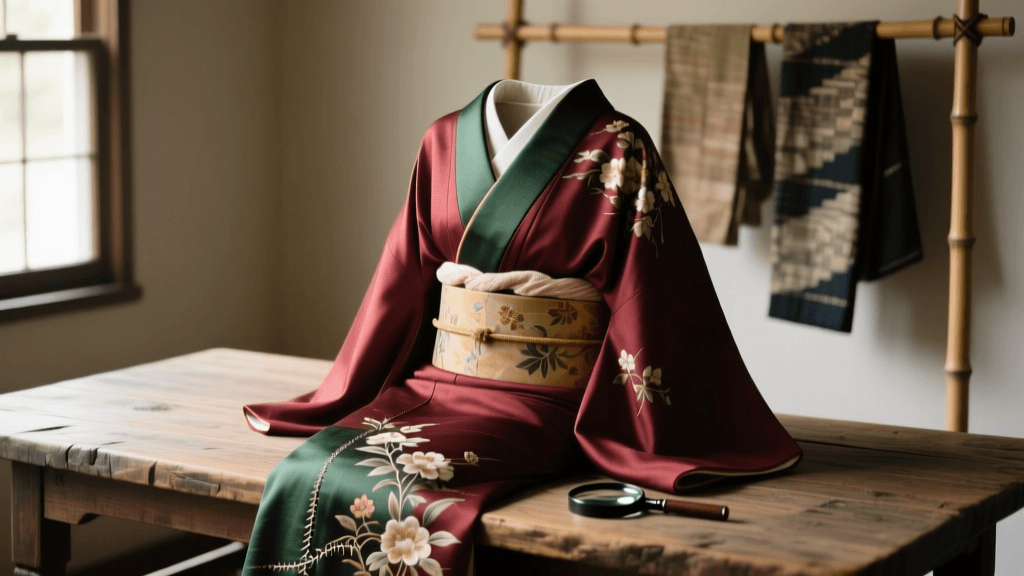
The world of vintage and antique kimono collecting is a fascinating intersection of textile history, art appreciation, and cultural preservation. Once the everyday attire of Japanese citizens, the kimono has largely transitioned into ceremonial and formal wear, leaving behind a vast secondary market of breathtaking historical garments. For collectors, this cultural shift presents an unprecedented opportunity. As older generations pass down or sell off family heirlooms, a treasure trove of silk, intricate dye work, and masterful weaving has flooded the market. However, navigating this space requires a keen eye, an understanding of historical periods, and knowledge of proper archival care.
Collecting these garments is not merely about acquiring beautiful clothing; it is about preserving a tangible piece of Asian tradition. According to the Museum of Fine Arts, Boston, which houses one of the most comprehensive collections of Japanese textiles outside of Japan, the evolution of the kimono reflects profound shifts in Japanese society, economics, and aesthetics. Whether you are a textile historian, a fashion archivist, or an enthusiast looking to curate a personal collection, understanding the nuances of vintage kimonos is essential.
Decoding the Eras: Meiji, Taisho, and Showa
To be a successful collector, you must be able to date a garment based on its stylistic and material cues. The most highly sought-after antique and vintage kimonos generally fall into three distinct historical periods:
The Meiji Period (1868–1912)
The Meiji era marked Japan's opening to the West. Kimonos from this period often feature darker, more subdued colors and formal family crests (kamon). A key identifier of late Meiji textiles is the introduction of synthetic aniline dyes imported from Europe, which resulted in striking, vibrant shades of red and purple that were previously impossible to achieve with natural plant dyes. The motifs often lean towards traditional auspicious symbols, such as cranes, pines, and plum blossoms.
The Taisho Period (1912–1926)
Widely considered the golden age of kimono design, the Taisho era was characterized by a sense of romanticism and modernization. Influenced by Western Art Nouveau and the cultural flourishing of the 'Taisho Roman' movement, garments from this era feature bold, sweeping motifs, vibrant contrasting colors, and experimental dyeing techniques. Taisho kimonos are highly prized by collectors for their artistic flair and exceptional craftsmanship. The Metropolitan Museum of Art highlights in its exhibitions how the kimono during this time evolved into a complex canvas of cultural expression, blending traditional Japanese aesthetics with modern global influences.
The Early Showa Period (1926–1945)
Early Showa kimonos transitioned into Art Deco-inspired geometric patterns, abstract florals, and modernist cityscapes. However, as Japan moved toward wartime mobilization in the late 1930s and 1940s, luxury was restricted. Collectors should note that garments from the late 1930s often feature subdued, utilitarian colors and simpler weaves due to government mandates limiting the use of silk and vibrant dyes for civilian clothing.
Identifying Dyes and Weaves
Beyond the era, a collector must understand the techniques used to create the textile. The value of a vintage kimono is heavily tied to its craftsmanship.
- Yuzen: A highly complex paste-resist dyeing technique that allows for intricate, painterly designs. Look for fine white outlines around motifs, which indicate where the rice paste was applied to resist the dye.
- Shibori: The Japanese art of tie-dyeing. High-quality vintage shibori features tiny, meticulously tied dots that create textured, three-dimensional patterns on the silk. The more intricate the spider-web or fawn-spot patterns, the higher the value.
- Kasuri: An ikat weaving technique where threads are dyed before weaving, creating blurred, geometric, or folk-art patterns. Kasuri is typically woven from cotton or hemp and was historically worn by commoners, making it a favorite among collectors of folk textiles (mingei).
- Oshima Tsumugi: A highly valued mud-dyed silk from Amami Oshima. It is characterized by its lightweight, crisp texture and subtle, dark brown geometric patterns. Authentic Oshima Tsumugi will often have a certification mark sewn into the seam.
Assessing Condition: A Collector’s Checklist
Silk is a protein fiber that degrades over time, especially when exposed to light, moisture, and poor storage. When evaluating a potential acquisition, conduct a thorough inspection using the following checklist:
- Silk Shattering: Gently pinch the fabric. If it feels brittle, crisp, or makes a cracking sound, the silk is 'shattered' and beyond repair. Avoid these pieces unless they are for study purposes.
- Collar Stains: The inner collar (tomoe) is prone to makeup and skin oil stains. While a replaceable collar overlay can hide this, deep stains on the main silk body are often permanent.
- Water Spotting: Look for rings or discoloration, which indicate water damage. Silk is highly susceptible to water spotting, which alters the fiber's light-reflecting properties.
- Moth Damage: Inspect the folds and the underarms. Moths are attracted to the protein in silk and the starch in the lining. Small, clean holes can be patched, but extensive damage severely devalues the garment.
- Odors: A faint scent of camphor or cedar is normal and expected. However, a strong smell of mildew or mold indicates improper storage and can be nearly impossible to remove from antique silk.
Understanding Kimono Measurements
Unlike Western clothing, kimonos are not tailored to fit the contours of the body. Instead, they are constructed from straight bolts of fabric (tanmono) and wrapped to fit. Vintage kimonos were generally made for women who were shorter and possessed a smaller frame than modern averages. Understanding the traditional measurements is crucial if you intend to wear your collection.
| Measurement Term | Description | Standard Vintage Range | Modern Alteration Potential |
|---|---|---|---|
| Yuki | Center back neck to wrist (sleeve length) | 60cm - 66cm | High (can be extended if seam allowance exists) |
| Mitake | Back length from base of neck to hem | 150cm - 160cm | Low (limited by the hem fold allowance) |
| Sodetake | Vertical sleeve drop (indicates formality/age) | 45cm - 55cm | Low (structural alteration is difficult) |
| Okumi | Width of the front overlapping panel | 14cm - 16cm | None (fixed by the original fabric bolt width) |
Collector's Tip: Always ask sellers for the Yuki and Mitake measurements. A general rule of thumb for a proper fit is that the kimono's back length should be roughly equal to your height, and the Yuki should reach the bone of your wrist when your arm is extended at a 45-degree angle.
Sourcing Authentic Pieces: Markets and Dealers
Finding authentic vintage kimonos requires knowing where to look. While online platforms like Etsy and eBay offer global access, the best prices and highest quality pieces are found directly in Japan or through specialized antique textile dealers.
Flea Markets in Japan
For those traveling to Japan, the Oedo Antique Market in Tokyo is a premier destination. Held on the first and third Sundays of the month at the Tokyo International Forum, it features over 250 vendors selling everything from Taisho-era silk haori to Showa-period cotton yukata. Prices here are highly negotiable, and you can often find unblemished silk garments for a fraction of their Western retail value. In Kyoto, the monthly Toji Temple Flea Market (Kobo-san) is legendary for its sheer volume of vintage textiles, though it requires patience to sift through damaged goods to find hidden gems.
Online Sourcing and Pricing Expectations
If you are buying online, seek out established dealers who specialize in Japanese antiques. Expect to pay between $30 and $80 for a standard, good-condition Showa-era silk kimono. Highly desirable Taisho-era pieces with intricate Yuzen dyeing or pristine Oshima Tsumugi weaves can range from $300 to over $1,500, depending on the provenance, condition, and inclusion of matching accessories like the obi (sash) and haori (jacket).
Proper Storage and Archival Care
Acquiring a vintage kimono is only half the battle; preserving it is the other. The traditional Japanese method of kimono storage is highly effective and should be replicated by modern collectors.
- Tatoushi (Wrapping Paper): Never store silk directly in plastic bins, which trap moisture and cause mold. Wrap each garment in tatoushi—traditional, breathable, acid-free paper—or unbleached cotton muslin.
- Kiribako (Paulownia Boxes): For high-value antiques, invest in a kiribako. Paulownia wood naturally regulates humidity and repels insects, creating a perfect microclimate for silk preservation.
- Mushiboshi (Airing Out): Twice a year, ideally during dry, breezy days in spring and autumn, remove your kimonos from storage and hang them on special kimono hangers in a shaded, well-ventilated room. This process, known as mushiboshi, prevents mold growth and allows the fibers to breathe.
Archival Warning: Never hang a heavy vintage silk kimono on a standard Western hanger for long-term storage. The weight of the silk will stretch the shoulders and distort the garment's structural integrity. Always store them folded flat.
Conclusion
Collecting vintage and antique kimonos is a deeply rewarding pursuit that connects you to the master artisans of Japan's past. By learning to identify the distinct characteristics of the Meiji, Taisho, and Showa eras, mastering the terminology of traditional measurements, and committing to proper archival care, you ensure that these magnificent textiles survive for future generations. Whether you are hunting through the bustling stalls of a Tokyo flea market or carefully unwrapping a mail-order parcel, every piece you add to your collection is a preserved fragment of Asian cultural history.