Guide to Hanfu Museums and Heritage Exhibitions in China
Exploring China's Hanfu Museums and Heritage Exhibitions
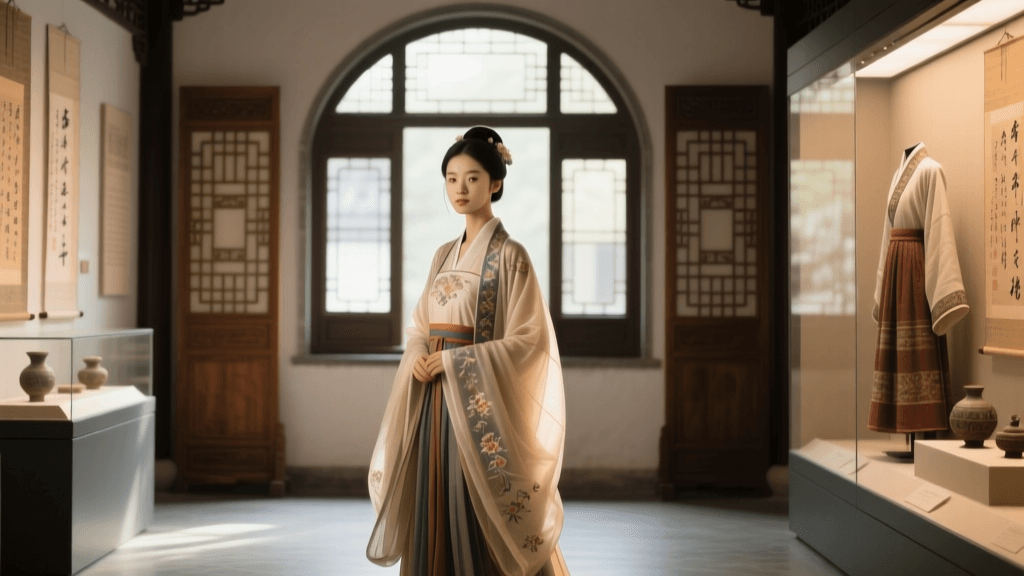
The modern Hanfu revival is deeply rooted in historical research, with enthusiasts, tailors, and scholars alike turning to physical archives to understand the drape, weave, and tailoring of ancient Chinese garments. Across China, specialized textile museums and heritage sites serve as the ultimate repositories for these sartorial treasures. For cultural travelers and traditional fashion practitioners, visiting these institutions offers an unparalleled opportunity to study foundational garments like the Mamianqun (horse-face skirt), Ruqun, and Shenyi in their original, meticulously preserved forms.
This guide outlines a practical heritage trail through China's most significant Hanfu and textile museums, providing actionable advice on exhibitions, costs, and how to engage with the intangible cultural heritage crafts that keep these traditions alive.
Top Hanfu and Textile Heritage Sites in China
1. China National Silk Museum (Hangzhou, Zhejiang)
Located near the scenic West Lake, the China National Silk Museum is the largest silk-themed museum in the world. While it covers the entirety of the Silk Road, its permanent exhibition on the history of Chinese silk is a masterclass in Hanfu fabric evolution. Here, visitors can observe the transition from the lightweight, sheer Luo (gauze) weaves of the Han and Tang dynasties to the heavy, ornate brocades of the Ming and Qing eras.
Practical Details:
- Admission: Free (Reservation required via the museum's official WeChat mini-program, usually 1-3 days in advance).
- Highlights: The Textile Conservation Laboratory viewing area, where you can watch experts restore fragile Ming dynasty textiles using traditional backing techniques.
- Extended Trail: Pair your visit with the nearby Xixi Wetland Silk Heritage Village to see traditional mulberry cultivation and artisanal reeling in a natural setting.
- Best Time to Visit: Tuesday to Thursday mornings to avoid domestic tour groups and school trips.
The museum also frequently hosts temporary exhibitions focusing on specific Hanfu silhouettes, such as the structural layering of Song dynasty Beizi (slip dresses) and the intricate pleating techniques of traditional skirts.
2. Nanjing Yunjin Brocade Museum (Nanjing, Jiangsu)
Yunjin, or 'cloud brocade,' represents the pinnacle of ancient Chinese weaving technology, historically reserved for imperial Hanfu and court garments. The Nanjing Yunjin Brocade Museum is essential for understanding the structural complexity of Ming dynasty formal wear. The museum houses massive, multi-story wooden draw looms that require two artisans to operate simultaneously—one controlling the warp threads below, and the other 'programming' the pattern from above using a system of knotted cords.
The craftsmanship involved in Yunjin is so intricate and historically significant that it was inscribed on the UNESCO Representative List of the Intangible Cultural Heritage of Humanity. As noted by UNESCO's Intangible Cultural Heritage registry, the traditional weaving process involves over 100 distinct steps and utilizes materials like peacock feather filaments and gold foil threads, creating the stiff, luminous fabrics seen in high-status historical garments.
Practical Details:
- Admission: Approximately 50 RMB (Prices vary slightly by season and special exhibitions).
- Workshops: Visitors can book half-day workshops to learn basic silk thread preparation, bobbin winding, and pattern drafting.
3. The Palace Museum Textile Exhibitions (Beijing)
While the Forbidden City is globally renowned for its architecture, its role as a custodian of imperial textiles is equally profound. The Palace Museum regularly rotates its textile and costume exhibitions in the Hall of Martial Valor or specialized gallery wings. While much of the surviving imperial wardrobe reflects Qing dynasty Manchu styles, the museum also holds critical Ming dynasty artifacts, including ceremonial Hanfu robes, sacrificial garments, and intricate court accessories recovered from imperial tombs like Dingling.
According to the official Palace Museum portal, the institution employs advanced climate-control and low-lux lighting technologies to prevent the photodegradation of centuries-old silk dyes. For Hanfu researchers, studying the cut-and-sew patterns of these surviving court robes provides vital data on historical fabric widths, zero-waste tailoring methods, and the distinct characteristics of Jingxiu (Beijing embroidery), which favors bold colors and gold thread compared to the delicate, realistic Suxiu (Suzhou embroidery) used in southern Hanfu.
Planning Your Hanfu Heritage Trail: Comparison Chart
To help you structure your cultural itinerary, below is a comparative guide to the top textile and Hanfu-adjacent heritage sites in China.
| Institution / Site | Location | Primary Hanfu / Textile Focus | Estimated Cost (RMB) | Recommended Duration | Best Season |
|---|---|---|---|---|---|
| China National Silk Museum | Hangzhou | Silk evolution, Song/Ming weaves, conservation | Free | 3 - 4 Hours | Spring / Autumn |
| Yunjin Brocade Museum | Nanjing | Imperial brocades, Ming formal wear, draw-looms | ~50 RMB | 2 - 3 Hours | Year-round |
| Suzhou Silk Museum | Suzhou | Song brocade, Kesi (silk tapestry), regional Hanfu | Free | 2 Hours | Spring |
| The Palace Museum | Beijing | Imperial court garments, Ming artifacts, embroidery | 60 RMB (Peak) | Full Day | Autumn |
| Shu Brocade Weaving Museum | Chengdu | Warp-faced brocades, Han/Tang dynasty patterns | ~60 RMB | 2 Hours | Year-round |
Engaging with Intangible Cultural Heritage (ICH) Workshops
Museums are no longer static repositories; many now offer immersive Intangible Cultural Heritage (ICH) workshops. For Hanfu makers and historians, participating in these workshops bridges the gap between observing a garment and understanding its creation.
For example, the broader traditions of sericulture and silk craftsmanship are foundational to Hanfu production. The UNESCO recognition of Chinese sericulture highlights the importance of preserving not just the final garment, but the entire ecosystem of mulberry cultivation, silkworm rearing, and traditional reeling. In regions like Huzhou and Hangzhou, heritage farms affiliated with local museums allow visitors to participate in the spring silk-reeling season (typically April to May), offering a tactile understanding of the raw materials that dictate the drape and weight of historical Hanfu.
Actionable Advice for Booking Workshops:
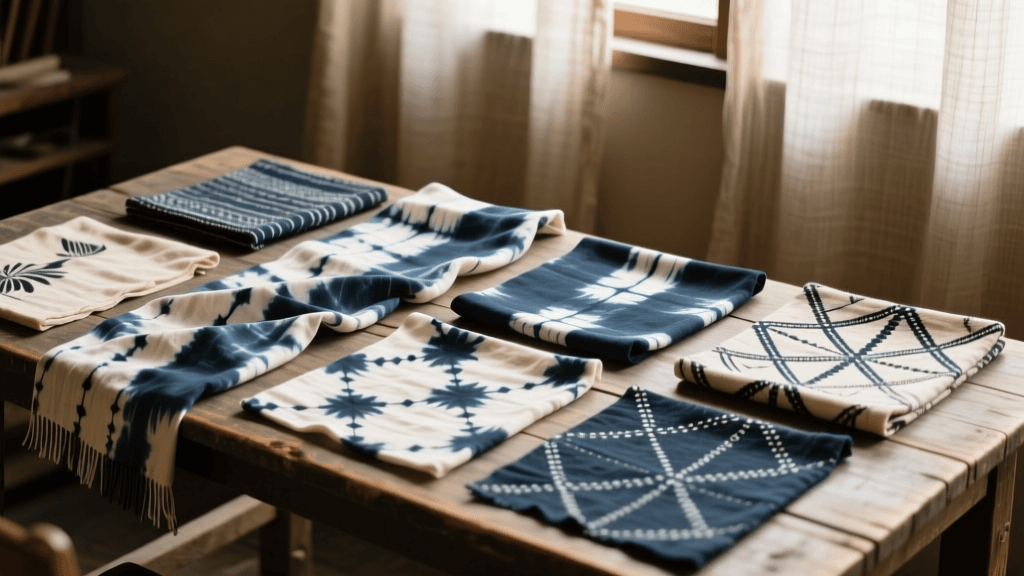
- Timing: Natural dyeing workshops (using indigo, madder, or pagoda tree buds) are highly seasonal. Book indigo dyeing in the late summer when the plant is harvested and the fermentation vats are most active.
- Language: Most ICH workshops in provincial museums are conducted in Mandarin. It is highly recommended to hire a local university student majoring in textile history or fashion design as a translator and cultural guide.
- Materials: If you are a bespoke Hanfu tailor, inquire about purchasing small batches of authentic, hand-loomed heritage fabrics directly from the museum's artisan guilds. These are often unavailable on commercial e-commerce platforms and provide unparalleled historical accuracy for premium commissions.
Museum Etiquette and Preservation Protocols
When visiting these heritage sites, strict adherence to preservation protocols is mandatory. Ancient silk is highly susceptible to light damage, humidity fluctuations, and physical degradation.
- Photography: Flash photography is strictly prohibited in all textile galleries. Even the ambient light from smartphone screens can be disruptive in ultra-low-lux conservation rooms. Use a high-ISO capable camera without a flash if you wish to capture the intricate weave structures of the exhibits.
- Distance: Never touch the display glass. The oils and acids from human hands can degrade the seals of the climate-controlled vitrines and leave smudges that obscure the view for others.
- Replicas vs. Artifacts: Pay close attention to exhibit labels. Many museums display 1:1 replicas made by master artisans to show the original vibrant colors and structural volume of Hanfu, while the faded, fragile originals are kept in dark storage or displayed flat. Both are valuable, but understanding which is which is crucial for historical color accuracy and silhouette reproduction in modern Hanfu tailoring.
Conclusion
Exploring China's Hanfu museums and heritage exhibitions is a vital pilgrimage for anyone serious about traditional Asian garments. From the rhythmic clacking of the Yunjin draw-looms in Nanjing to the silent, climate-controlled galleries of the Palace Museum, these institutions safeguard the material culture of ancient China. By planning your visits around seasonal workshops, studying the structural nuances of historical weaves, and respecting the delicate nature of these artifacts, you contribute to the ongoing preservation and accurate revival of Hanfu traditions.