Shichi-Go-San to Seijin-shiki: Japanese Kimono Milestones
Introduction to Japanese Sartorial Milestones
In Japan, the transition from childhood to adulthood is not merely marked by the passing of time, but by deeply rooted sartorial traditions that connect the modern wearer to centuries of cultural heritage. Traditional Japanese clothing, or wafuku, serves as a visual language, communicating age, social status, and the specific milestone being celebrated. Two of the most visually stunning and culturally significant milestones are Shichi-Go-San (the Seven-Five-Three Festival) and Seijin-shiki (the Coming of Age Ceremony). For families and young adults, navigating the complexities of kimono selection, layering systems, and formal etiquette can be daunting. This comprehensive guide breaks down the garment specifications, financial considerations, and practical timelines necessary to honor these profound life events with authenticity and grace.
Shichi-Go-San: The Seven-Five-Three Festival
Celebrated annually on November 15th, Shichi-Go-San is a rite of passage for children aged three, five, and seven. Historically, these ages were considered critical thresholds in a child's survival and development. Today, families dress their children in exquisite traditional garments and visit Shinto shrines to pray for health, longevity, and prosperity.
Age Three: The First Hair-Growing Ceremony (Kamioki)
At age three, both boys and girls traditionally celebrate the kamioki (hair-growing) milestone. For young girls, the garment of choice is a vibrant, long-sleeved kimono paired with a hifu—a padded, sleeveless silk vest. The hifu is crucial for toddlers because it conceals the complex obi (sash) tying, providing a comfortable, boxy silhouette that accommodates a child's rounded belly. Footwear consists of soft-soled zori sandals with red or pink straps. Because three-year-olds have limited stamina, modern parents often opt for lightweight synthetic silks or cotton blends rather than heavy, traditional chirimen (crepe silk), ensuring the child remains comfortable during shrine visits.
Age Five: The First Hakama Ceremony (Hakamagi)
At age five, boys celebrate hakamagi, donning a formal kimono with a family crest (kamon) and a pleated hakama skirt. The ensemble typically features a dark or richly colored kimono (such as deep indigo, black, or emerald green) adorned with auspicious motifs like hawks, pines, or samurai helmets (kabuto). A white haori (jacket) is often layered on top for photographs. The hakama is tied securely at the waist, and the boy wears white tabi socks with wooden or imitation-leather setta sandals. It is customary for the boy to hold a traditional folding fan (sensu) and a small protective charm.
Age Seven: The First Obi Ceremony (Obitoki)
For seven-year-old girls, the obitoki ceremony marks the transition from wearing simple, tied sashes to the formal, structured obi worn by adult women. The kimono features long, swinging sleeves (furisode style, though shorter than adult versions) and is decorated with elaborate yuzen dyeing or intricate embroidery. The obi is tied in a large, decorative knot at the back, such as the fukura-suzume (puffed sparrow) style. A shigoki (a decorative silk sash) is tied around the waist to adjust the length of the kimono and add a pop of contrasting color. Due to the weight and complexity of the seven-year-old ensemble, professional dressing assistance is highly recommended.
Seijin-shiki: The Coming of Age Ceremony
Held on the second Monday of January, Seijin-shiki celebrates young adults who have turned twenty (recently lowered to eighteen in some legal contexts, though the traditional kimono ceremony largely remains at twenty). According to cultural analyses by Nippon.com, this winter ceremony is a vibrant display of youth, community, and sartorial excellence, where municipalities host formal gatherings and young adults reunite with peers.
The Furisode Tradition for Young Women
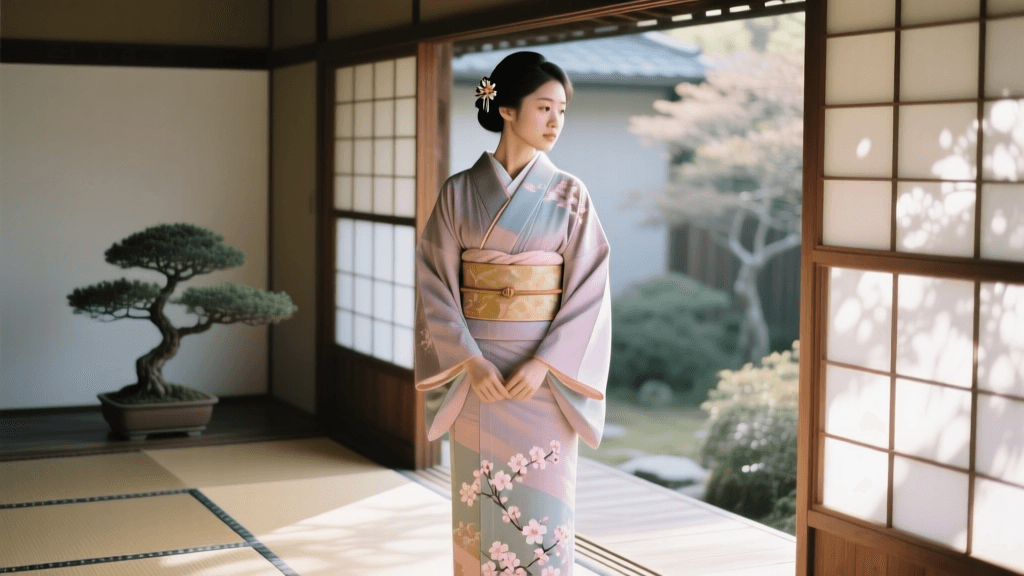
The undisputed centerpiece of a young woman's Seijin-shiki is the furisode, a formal kimono characterized by its dramatically long, swinging sleeves. The sleeve length denotes the formality and youth of the wearer:
- Kofurisode (Short Sleeves): 85 to 90 centimeters. Often worn for slightly less formal events or by those preferring a lighter garment.
- Chuburisode (Medium Sleeves): 100 to 105 centimeters. The most common and versatile choice for Coming of Age Day.
- Ohfurisode (Long Sleeves): 110 to 120 centimeters. The most formal and dramatic option, traditionally worn by brides but increasingly popular for Seijin-shiki to create a striking visual impact.
Because the ceremony takes place in the dead of winter, styling incorporates luxurious cold-weather accessories. A fluffy white or dyed fur shawl (shawl or stole) is draped over the shoulders, and thick, embroidered zori sandals are worn with thermal-lined tabi socks. The obi is tied in highly complex, origami-like knots, such as the tateya-musubi (standing arrow knot), which requires the skill of a professional kitsuke (kimono dresser).
Men’s Montsuki and Hakama
While many young men today opt for Western business suits, traditionalists embrace the montsuki hakama. This ensemble consists of a black silk kimono bearing five white family crests (itsutsu-mon), layered with a matching black haori jacket and a stiff, striped hakama (typically in shades of grey, navy, or silver). The haori is secured with braided silk cords (haori-himo), and the outfit is completed with white tabi and formal setta sandals. This attire projects dignity, maturity, and a deep respect for ancestral lineage.
Cost Comparison and Planning Guide
Acquiring traditional garments involves significant financial planning. Families must decide between purchasing heirloom-quality pieces or utilizing the robust kimono rental industry. Below is a structured comparison of estimated costs for Shichi-Go-San and Seijin-shiki preparations.
| Milestone | Garment Type | Rental Cost (JPY / USD) | Purchase Cost (JPY / USD) | What is Included |
|---|---|---|---|---|
| Shichi-Go-San (Age 3) | Girls Kimono + Hifu | ¥15,000 - ¥25,000 ($100 - $170) | ¥40,000 - ¥80,000 ($270 - $540) | Kimono, hifu, undergarments, zori, hair accessories. |
| Shichi-Go-San (Age 5) | Boys Hakama Set | ¥15,000 - ¥30,000 ($100 - $200) | ¥50,000 - ¥120,000 ($340 - $810) | Kimono, hakama, haori, tabi, setta sandals. |
| Shichi-Go-San (Age 7) | Girls Furisode Set | ¥30,000 - ¥50,000 ($200 - $340) | ¥150,000 - ¥300,000 ($1,000 - $2,000) | Full silk set, shigoki, decorative obi, zori, bag. |
| Seijin-shiki (Women) | Adult Furisode | ¥80,000 - ¥200,000 ($540 - $1,350) | ¥400,000 - ¥1,000,000+ ($2,700 - $6,700+) | Furisode, nagajuban, obi, obijime, zori, bag, shawl. |
| Seijin-shiki (Men) | Montsuki Hakama | ¥30,000 - ¥50,000 ($200 - $340) | ¥200,000 - ¥500,000 ($1,350 - $3,400) | Crested kimono, haori, hakama, himo cords, setta. |
Note: Professional dressing services (kitsuke) and hair/makeup styling usually add ¥10,000 to ¥25,000 ($70 - $170) per person, regardless of whether the garments are rented or purchased.
Practical Timelines and Etiquette
Securing the desired garments, especially for the highly competitive Seijin-shiki season, requires meticulous forward planning. Rental shops in major cities like Tokyo and Kyoto often book out of popular furisode designs over a year in advance.
Booking Timeline for Seijin-shiki
- 12 to 18 Months Prior: Research rental shops and purchase packages. Secure the specific furisode design and book the dressing appointment slot. Early morning slots (6:00 AM - 8:00 AM) are highly coveted to allow time for photographs before the municipal ceremony.
- 6 Months Prior: Attend the preliminary fitting. Measurements are taken to ensure the kimono length (mitake) and sleeve adjustments are calculated. Select the obi, obijime (decorative cord), and zori color palette.
- 1 Month Prior: Finalize hair and makeup designs. Purchase personal items that are rarely rented, such as tabi socks and undergarments (susoyoke and hadajuban).
- The Day Before: Avoid heavy meals and excessive hydration to minimize bathroom breaks, as using the restroom in a fully tied furisode is notoriously difficult and requires specific maneuvering techniques.
Garment Care and Post-Ceremony Etiquette
Traditional silk garments are highly susceptible to moisture, oils, and friction. During winter ceremonies, condensation from breath and melting snow can spot delicate chirimen silk. It is imperative to carry a large, clear umbrella and avoid resting the sleeves on damp surfaces. After the event, rented garments are returned as-is; however, purchased garments must be sent to a specialized kimono dry cleaner (araihari or modern solvent cleaning) to remove invisible perspiration stains that can oxidize and yellow the silk over time. Proper storage involves wrapping the kimono in breathable tatoushi paper and storing it in a cedar chest with natural camphor to deter pests.
Conclusion
The journey from a toddler's padded hifu at Shichi-Go-San to the sweeping ohfurisode sleeves of Seijin-shiki represents a beautiful continuum of Japanese cultural identity. While the financial investment and logistical planning required for these milestones are substantial, the resulting photographs, family memories, and connection to ancestral traditions offer immeasurable value. By understanding the specific garment requirements, seasonal adaptations, and etiquette rules, families can ensure that these pivotal coming-of-age moments are celebrated with both historical reverence and modern comfort.