Navigating Hanfu Community Events, Conventions & Meetups
The Rise of the Hanfu Community and Convention Culture
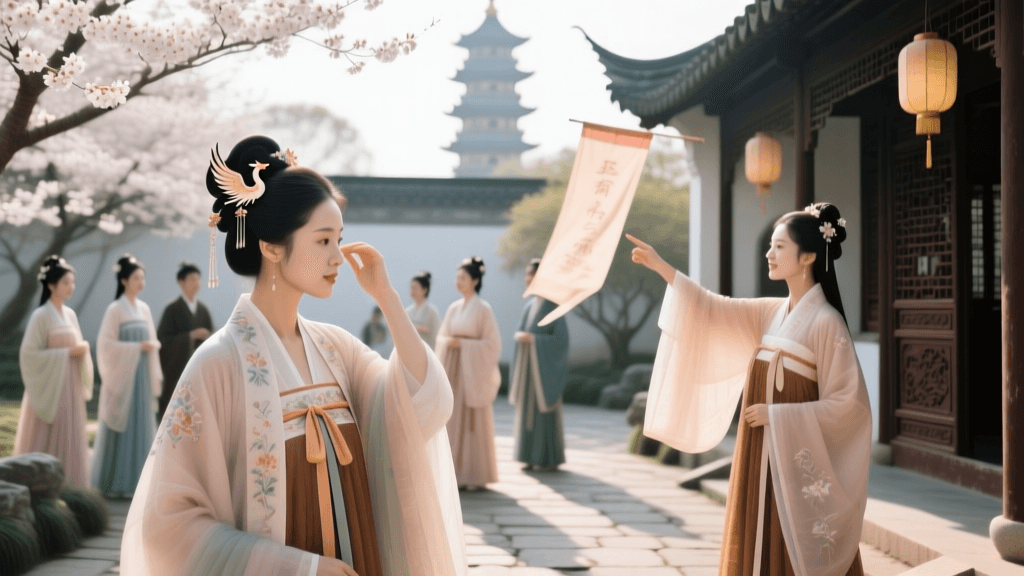
Over the past two decades, what began as a niche internet forum discussion has blossomed into a vibrant, real-world cultural renaissance. The Hanfu movement is no longer confined to digital spaces or small campus clubs; it has evolved into a massive socio-cultural phenomenon featuring large-scale conventions, immersive tourism festivals, and weekly local meetups. For enthusiasts—affectionately known as Tongpao (同袍, meaning 'sharing the same robe')—these events are a chance to celebrate traditional Chinese aesthetics, share DIY sewing techniques, and participate in historical reenactments.
Attending a Hanfu convention requires more than just showing up in a beautiful garment. It demands an understanding of historical contexts, seasonal appropriateness, event etiquette, and logistical planning. Whether you are traveling to a massive water-town festival in Zhejiang or attending a casual weekend photoshoot meetup in a local botanical garden, this comprehensive guide will help you navigate the thriving Hanfu event circuit.
Major Hanfu Festivals: A Comparative Guide
China hosts dozens of major Hanfu-centric festivals annually, often tied to traditional lunar holidays or regional tourism initiatives. Below is a comparison of the most prominent events to help you plan your cultural travel itinerary.
| Event Name | Location | Best Time to Visit | Estimated Budget (Excl. Flights) | Key Highlight |
|---|---|---|---|---|
| Xitang Hanfu Cultural Week | Xitang, Zhejiang | Late Oct / Early Nov | 1,500 - 2,500 RMB | Massive night parades, ancient town immersion, and celebrity appearances. |
| Hangzhou West Lake Hanfu Festival | Hangzhou, Zhejiang | April (Spring) | 1,200 - 2,000 RMB | Lakeside photography, Song Dynasty cultural exhibits, and tea ceremonies. |
| Luoyang Peony Cultural Festival | Luoyang, Henan | Mid-April | 1,000 - 1,800 RMB | Tang Dynasty aesthetics, grand parades, and blooming peony gardens. |
| Huazhao Festival (Flower Festival) | Various (Nationwide) | March (Lunar Feb) | 300 - 800 RMB | Local park meetups, floral hairpin crafting, and spring picnics. |
For international travelers or first-timers, the Xitang Hanfu Cultural Week is widely considered the pinnacle of the convention calendar. The entire ancient water town is transformed into a living museum, with thousands of attendees participating in archery tournaments, traditional music performances, and lantern-lit boat parades.
Dressing for the Occasion: Era-Specific Recommendations
One of the most common mistakes beginners make at Hanfu conventions is wearing seasonally inappropriate garments or mixing dynastic styles in a way that clashes with the event's specific theme. Here is a practical wardrobe guide based on the season and event type.
Spring and Autumn: The Ming Dynasty Silhouette
For the crisp weather of spring and autumn, the Ming Dynasty Aoqun (jacket and skirt) is the undisputed champion of Hanfu conventions. The iconic Mamianqun (horse-face skirt) features a flat front and back with deep side pleats.
- Measurements & Fit: A standard Mamianqun requires a hem circumference of about 3 to 4 meters to ensure the pleats (usually 4 to 6 per side) fall correctly when walking. The waistband should sit at the natural waist, secured with sturdy cotton ties rather than elastic.
- Fabric Choice: Opt for cotton-linen blends or mid-weight brocades. Avoid heavy winter wools for daytime spring events to prevent overheating during outdoor photoshoots.
Summer: Song Dynasty Elegance
Summer conventions, such as the Hangzhou West Lake festival, demand breathability. The Song Dynasty Beizi (a long, open-front overcoat) paired with a Baizhe (hundred-pleat) skirt or lightweight trousers is ideal.
- Measurements & Fit: The Beizi should feature narrow, straight sleeves and side slits that reach up to the armpit, allowing for maximum airflow. Skirts should be cut to ankle-length to prevent tripping on uneven ancient-town cobblestones.
- Fabric Choice: Authentic silk gauze or high-quality chiffon is essential. Garments made using techniques recognized by the UNESCO Intangible Cultural Heritage list for Chinese sericulture and silk craftsmanship are highly prized at these summer events for their historical accuracy and cooling properties.
Winter: Tang Dynasty Opulence
Winter meetups call for the voluminous and luxurious Tang Dynasty styles. A thick, lined Ruqun (chest-high skirt and top) paired with a Banbi (half-sleeve jacket) and a faux-fur or wool stole (Pibo) provides both warmth and a striking visual presence for snow photography.
Practical Logistics: Budgeting, Travel, and Rentals
Attending a Hanfu convention involves specific financial and logistical considerations. Here is a breakdown of what to expect regarding costs and preparation.
Rental vs. Purchasing
If you are traveling to a major tourist hub like Xi'an, Luoyang, or Hangzhou, you do not necessarily need to pack your own garments. The areas surrounding major historical sites are lined with Hanfu experience shops.
- Rental Packages: A standard daily rental package costs between 199 and 399 RMB ($28 to $55 USD). This typically includes the Hanfu set, professional historical makeup (Zaoxing), hair styling with traditional pins, and accessories like fans and oil-paper umbrellas.
- Purchasing Entry-Level Hanfu: If you prefer to own your garments, reputable Taobao brands like Shisan Yu (Thirteen Yu) or Zhongling offer complete, historically informed sets ranging from 250 to 600 RMB ($35 to $85 USD). Always order at least 4 weeks before the event to account for cross-border shipping and potential tailoring adjustments.
Event Ticketing and Perks
Many scenic areas and conventions offer 'Hanfu Discounts.' For instance, during specific cultural weeks, wearing a complete, verified Hanfu set can grant you free or half-price entry to botanical gardens, ancient towns, and temple grounds. Always carry your passport or ID, as staff at the ticket booths will verify your identity alongside your attire to issue the special wristbands.
Etiquette, Photography, and Community Interaction
The Hanfu community is generally incredibly welcoming, but understanding the unspoken rules of engagement will vastly improve your convention experience.
The Art of the Meetup Greeting
While modern handshakes are common, many enthusiasts appreciate traditional greetings. The Zuoyi (cupping one hand in the other and bowing slightly) is a respectful, gender-neutral greeting often used when meeting photographers or event organizers. Addressing fellow attendees as Tongpao immediately establishes a sense of camaraderie and shared passion.
Photography Etiquette
Conventions are essentially massive, open-air photoshoots. If you wish to photograph another attendee:
- Always Ask First: A simple thumbs-up and pointing to your camera is universally understood. Never take close-up photos of someone's face or intricate hair accessories without permission.
- Share the Space: Popular scenic spots (like a specific arched bridge in Xitang or a plum blossom tree in Nanjing) will have queues. Form an informal line, limit your shoot to 3-5 minutes, and rotate out so others can capture their images.
- Prop Management: Bring your own props. A beautifully crafted folding fan, a bamboo flute, or a traditional lantern can elevate your photos and keep your hands naturally positioned, avoiding the 'stiff posture' common in beginner Hanfu photography.
Local Meetups and Global Expansion
You do not need to fly to China to participate in the Hanfu community. The diaspora has established robust networks worldwide. In cities like New York, London, Sydney, and Toronto, university Hanfu societies and local cultural associations host monthly meetups, often coinciding with the Mid-Autumn Festival, Lunar New Year, or the Qixi (Double Seventh) Festival.
To find local groups, search platforms like Xiaohongshu (Little Red Book) using keywords like 'YourCity + Hanfu' (e.g., 'London Hanfu'), or look for dedicated Facebook groups and Discord servers focused on historical Asian fashion. These local meetups are often smaller, more intimate, and serve as excellent workshops for learning how to properly fold, store, and hand-wash delicate silk garments, as well as how to execute complex traditional hairstyles using modern hair sticks and wig pieces.
Final Packing Checklist for Your First Convention
Before you depart for your first major Hanfu event, ensure your travel bag includes the following essentials:
- Garment Bags: Breathable cotton bags to protect silk from snags and moisture during transit.
- Anti-Chafing Balm & Safety Pins: Essential for securing heavy skirts and preventing blisters from traditional cloth shoes, which often lack modern arch support.
- Portable Steamer: A small, travel-sized steamer is non-negotiable. Mamianqun pleats and Song dynasty sleeves must be crisp for photographs, and hotel irons are rarely sufficient for delicate brocades.
- Power Bank: Between navigating ancient towns, coordinating with meetup groups on WeChat, and taking hundreds of photos, your phone battery will drain rapidly.
By respecting the historical roots of the garments, preparing for the physical demands of the events, and engaging respectfully with the Tongpao community, your journey into the world of Hanfu conventions will be an unforgettable immersion into living Asian history.