Kyoto Kimono Photoshoot Locations & Photography Tips
The Magic of Kyoto: A Backdrop for Traditional Garments
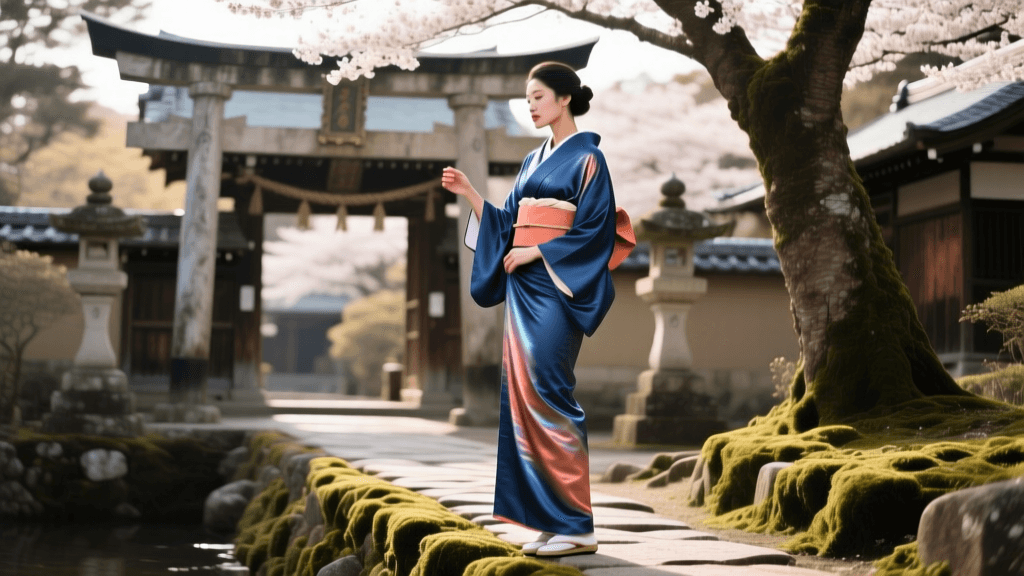
Kyoto is universally recognized as the cultural heart of Japan, making it the premier destination for traditional garment photography. According to the Japan National Tourism Organization (JNTO), the city boasts over 1,600 Buddhist temples and 400 Shinto shrines, alongside meticulously preserved historic districts. For photographers and kimono enthusiasts, this offers an unparalleled canvas. However, capturing the intricate beauty of a kimono against these historic backdrops requires more than just a good camera; it demands an understanding of lighting, garment structure, seasonal timing, and strict local etiquette. This comprehensive guide will walk you through the best photoshoot locations in Kyoto and provide actionable photography tips to elevate your traditional garment portfolio.
Top Kimono Photoshoot Locations in Kyoto
1. Daigo-ji Temple (The Weeping Cherry Blossoms)
Daigo-ji is a sprawling temple complex in southeastern Kyoto, famous for its spectacular weeping cherry trees (shidare-zakura). The temple's Sanbo-in garden provides a lush, manicured backdrop that contrasts beautifully with the vibrant patterns of spring kimono. The best time to shoot here is late March to early April. Because the temple grounds are expansive, you can easily find secluded spots near the lower pond, allowing for wide-angle environmental portraits that capture both the garment's flowing sleeves and the historic architecture. Entry is approximately 1,500 yen, and early morning arrival (right at the 9:00 AM opening) is crucial to beat the heavy spring crowds.
2. Yasaka Pagoda and Sannen-zaka (Higashiyama District)
The iconic Yasaka Pagoda, towering over the sloping stone-paved streets of Sannen-zaka and Ninen-zaka, is perhaps the most recognizable kimono photoshoot location in Japan. The traditional wooden machiya townhouses lining the street create a perfect historical corridor. To capture images here without hundreds of tourists in the background, you must arrive before 7:30 AM. The soft, directional morning light bouncing off the wooden facades provides a natural reflector effect, illuminating the wearer's face and the intricate dye work of the kimono. Note that tripods are strictly prohibited on these public streets to prevent obstructing pedestrian traffic.
3. Shoren-in Monzeki Temple (Bamboo and Illuminations)
For a more serene and moody aesthetic, Shoren-in Monzeki offers stunning bamboo groves and ancient camphor trees. Unlike the heavily crowded Arashiyama Bamboo Grove, Shoren-in provides a quiet, intimate setting perfect for capturing the elegant drape of a silk kimono. During the autumn and spring evening illumination events, the temple gardens are lit with soft blue and warm amber lights. This is an ideal environment for testing low-light photography skills, using fast prime lenses to capture the shimmering threads of a brocade obi sash against the glowing bamboo.
Location Comparison Chart
| Location | Best Season | Crowd Level | Entry Fee (Approx) | Tripod Allowed |
|---|---|---|---|---|
| Daigo-ji Temple | Spring (Sakura) | High | ¥1,500 | No (without permit) |
| Yasaka Pagoda / Sannen-zaka | Year-round | Extreme | Free (Street) | Strictly No |
| Shoren-in Monzeki | Autumn / Spring | Low to Medium | ¥800 | Yes (with permission) |
| Shimogamo Shrine | Summer / Winter | Low | Free | Yes |
Photography Tips for Traditional Silk Garments
Managing Lighting and Silk Reflections
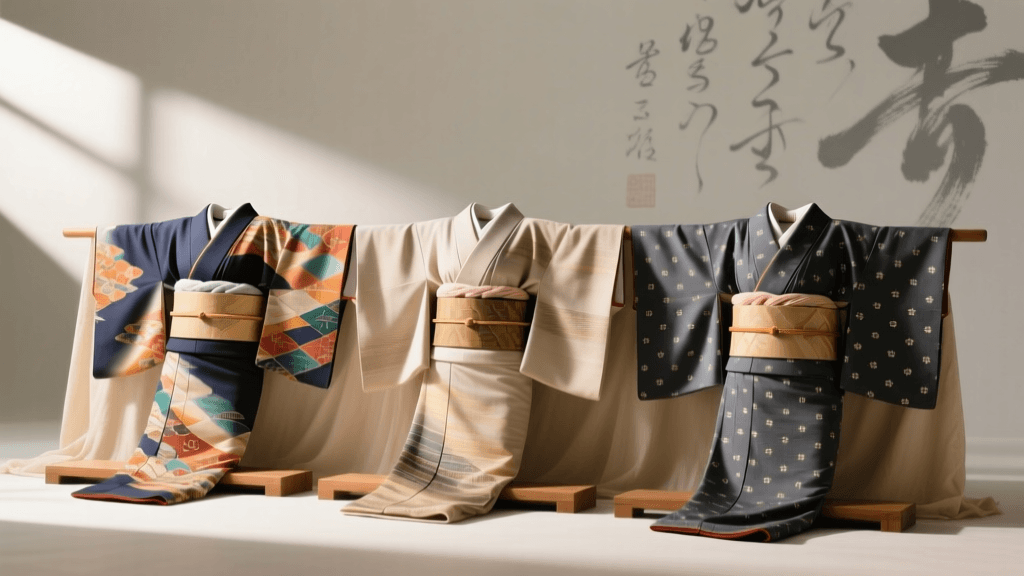
Traditional kimono are often crafted from silk, a material that reflects light in a highly specular manner. Direct, harsh sunlight will cause blown-out highlights on the fabric, completely washing out the delicate Yuzen dye patterns and gold leaf accents. The Victoria and Albert Museum notes that the structural beauty of the kimono relies heavily on its surface design and textile integrity. To preserve these details, shoot in open shade or on overcast days. The cloud cover acts as a massive natural softbox, wrapping the subject in even, diffused light that saturates the colors of the silk. If you must shoot in direct sun, use a circular polarizer (CPL) filter on your lens to cut down glare on the fabric, and employ a negative fill (black reflector) to add contrast and depth to the shadows.
Posing and Garment Structure
Posing a subject in a kimono is vastly different from posing in Western fashion. The kimono is a T-shaped, straight-lined garment that conceals the body's natural curves, relying instead on the elegance of posture, fabric drape, and geometric lines. When directing your subject, focus on the following structural elements:
- The Eri (Collar): Ensure the collar forms a clean, symmetrical V-shape at the nape of the neck. The back of the collar should be pulled down slightly to reveal the nape, a traditionally elegant focal point.
- The Ohashori (Waist Fold): The horizontal fold at the waist must be visible, neat, and parallel to the ground. Posing the subject with hands resting gently over the obijime (decorative cord) helps emphasize this line.
- The Hemline: The hem should form a slight V-shape at the front, with the left panel overlapping the right. Avoid wide stances that break the vertical column of the garment.
Pro Tip: Ask your subject to shift their weight to their back foot and point their front toe inward. This creates a graceful, tapered silhouette that honors the traditional aesthetic of the kimono.
Navigating Local Etiquette and Photography Laws
As the popularity of kimono photography has surged, so has the friction between photographers and local residents. Kyoto has implemented strict rules regarding photography in certain historic districts. According to Japan Guide's overview of Gion, photography is strictly banned in the private alleys of the Gion district to protect the privacy of geiko and maiko, as well as local residents. Violators can face fines up to 10,000 yen. Always look for signage indicating photography bans. When shooting in public spaces like Higashiyama, never block the street, do not touch private property, and always ask for consent before photographing strangers or working geisha. Respecting these boundaries ensures that the tradition of kimono wearing remains a welcomed practice in the city.
Essential Gear and Camera Settings
To capture the fine details of traditional textiles and the atmosphere of Kyoto, your gear choices are paramount. A full-frame camera paired with fast prime lenses is highly recommended.
- 85mm f/1.4 or f/1.8: The ultimate portrait lens. It provides beautiful subject separation, blurring out distracting tourists in the background while keeping the intricate patterns of the obi and kanzashi (hair ornaments) tack-sharp.
- 35mm f/1.4: Ideal for environmental portraits. Use this when you want to showcase the subject interacting with the architecture of a machiya or the torii gates of a shrine.
- Settings: Keep your shutter speed above 1/250th of a second, as the long sleeves (furisode) can catch the wind and cause motion blur. Shoot at an aperture of f/2.8 to f/4 to ensure the entire width of the obi and collar remains in focus, rather than just the subject's eyes.
Seasonal Considerations for Kimono Photography
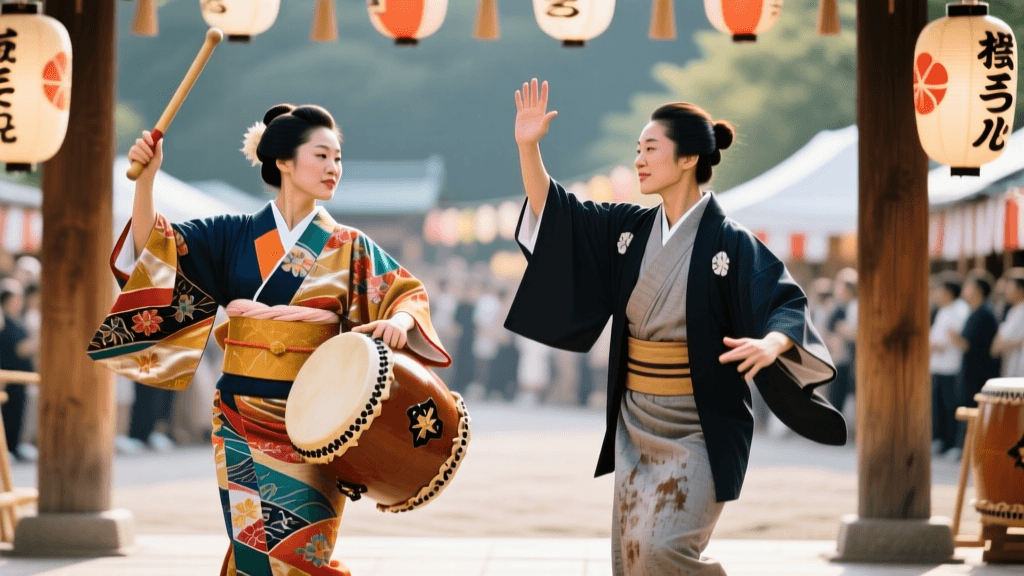
The kimono is deeply tied to the changing seasons, and your photoshoot should reflect this cultural nuance. In spring, pastel silk kimono featuring cherry blossom motifs are paired with lightweight hanhaba obi. Summer calls for yukata (cotton) or sheer silk ro and sha fabrics, best photographed during evening festivals with lantern light. Autumn is the season for rich, heavy brocades, deep reds, and golds that mirror the momiji (maple leaves). Winter offers a striking visual contrast: dark, heavy silk garments paired with white fur stoles, set against the rare but breathtaking backdrop of snow-covered temple roofs. Aligning your garment choice with the season not only improves the visual harmony of your images but also demonstrates a deep respect for Japanese sartorial traditions.
Conclusion
Photographing traditional Japanese garments in Kyoto is a rewarding endeavor that blends technical photography skills with cultural appreciation. By selecting the right locations, mastering the behavior of silk under natural light, and adhering to local etiquette, you can create a portfolio of images that are not only visually stunning but culturally resonant. Whether you are capturing the sweeping sleeves of a furisode against the backdrop of Yasaka Pagoda or the quiet elegance of a visiting scholar at Shoren-in, the key is to let the rich history of the garment and the city guide your lens.