Japanese Matsuri Costumes: Happi, Hanten, and Bon Odori Yukata Guide
The Heartbeat of Matsuri: Understanding Performance Garments
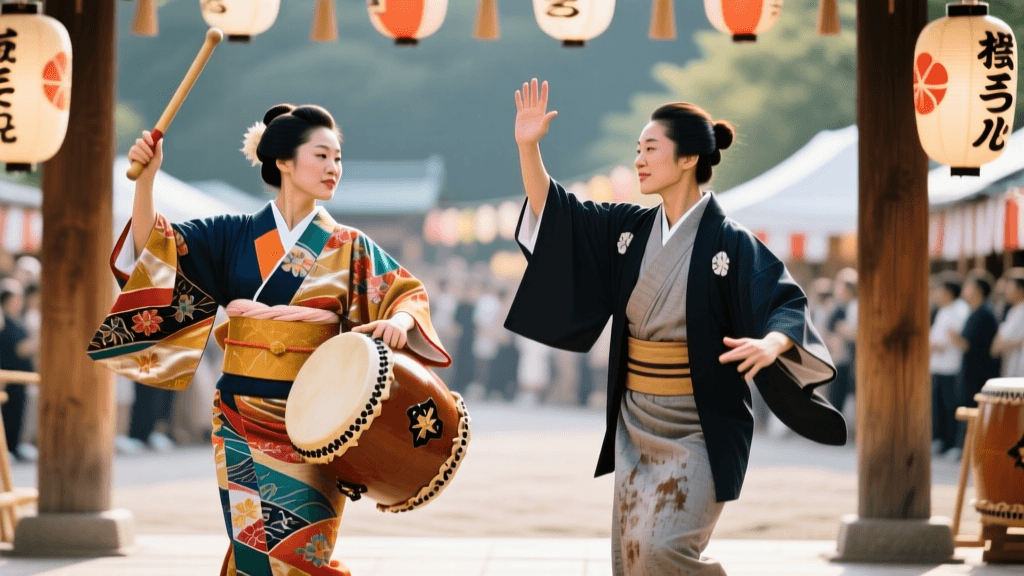
Japanese festivals, known as matsuri, are explosive displays of community, spirituality, and rhythm. Whether it is the thunderous reverberation of taiko drumming or the synchronized, circular movements of Bon Odori summer dances, the garments worn by performers are not merely decorative. They are highly engineered tools designed for extreme mobility, sweat management, and visual impact. While the elegant, restrictive layers of a formal kimono are perfect for tea ceremonies or weddings, they would be disastrous for a high-energy festival performance. The Japan National Tourism Organization highlights that matsuri are deeply rooted in regional identities, meaning the costumes worn must reflect local heritage while accommodating intense physical exertion.
This comprehensive guide explores the functional architecture of Japanese performance and festival costumes—specifically the happi, hanten, and performance-grade yukata. It provides actionable advice, precise measurements, and sourcing strategies for troupe directors, dancers, and drummers looking to equip their teams with authentic, high-performance gear.
The Happi Coat: Engineering for Taiko and High-Mobility Dance
The happi coat is the undisputed uniform of the Japanese festival. Originally worn by Edo-period firemen and samurai retainers to display their clan or brigade crests, the happi has evolved into a lightweight, open-front jacket that allows for maximum upper-body mobility. For taiko drummers, the happi is essential. The wide, straight sleeves (often called sode) do not taper at the wrist, ensuring that when a drummer raises their bachi (drumsticks) high above their head, the fabric does not pull tight across the shoulders or restrict the latissimus dorsi.
Furthermore, the side slits (machi) of a well-tailored happi are crucial for the deep, grounded stances used in taiko, such as the kiba-dachi (horse stance). Without these slits, the hem would bunch tightly around the hips, restricting core rotation and limiting the power transferred from the legs to the drum.
Actionable Advice for Taiko Troupes
- Fabric Choice: Avoid standard tourist-shop polyester blends. Opt for 100% cotton with a sashiko (running stitch) weave or heavy-weight tenshukuri cotton. These fabrics absorb sweat, allow airflow, and withstand rigorous machine washing.
- Measurements: The standard length should fall between 75cm and 85cm (roughly mid-thigh) to prevent the hem from catching on the drum stand (dai). Ensure the sleeve drop (sode-guchi) is at least 25cm to accommodate the wide, sweeping arm movements required for naname (slanted drum) playing.
- Customization: Troupes should feature their mon (crest) on the back and lapels. Ensure the kanji is dyed, not merely printed, to prevent cracking during dynamic stretches.
Hanten vs. Happi: Selecting the Right Jacket for Your Troupe
While often confused by outsiders, the happi and hanten serve distinctly different purposes in a performance environment. The Victoria and Albert Museum's Asian collections notes that historical working garments were highly specialized based on climate and labor type. The hanten is a padded or lined jacket designed for warmth, whereas the happi is a single-layer garment designed for cooling and mobility.
| Feature | Happi Coat | Hanten Jacket |
|---|---|---|
| Primary Use | High-mobility (Taiko, Mikoshi carrying, energetic dance) | Low-mobility, warmth (Winter festivals, stage resting, conductors) |
| Lining | Unlined, single-layer cotton | Quilted, padded, or lined with flannel/cotton batting |
| Weight | Lightweight (approx. 300g - 450g) | Heavyweight (approx. 800g - 1.2kg) |
| Sleeve Design | Wide, open, straight drop | Tapered, enclosed, often with ribbed cuffs |
| Price Range (USD) | $35 - $90 (Stock) / $120+ (Custom Chusen) | $80 - $150 (Stock) / $200+ (Artisan Quilted) |
Bon Odori Yukata: Styling for Fluidity and Footwork
Summer Bon Odori dances honor ancestral spirits, featuring rhythmic, circular choreography performed around a central wooden scaffold (yagura). While many festival attendees wear standard cotton yukata, lead performers and professional troupes require specialized adaptations. A traditional yukata is wrapped tightly and restricts the stride to about 40cm. For dynamic folk dances like the Awa Odori or Sansa Odori, performers need a stride of 90cm or more to execute deep lunges and rapid directional changes.
The Two-Piece Solution: Ni-Bu-Shiki
Enter the ni-bu-shiki (two-piece) performance yukata. This innovative garment separates the top (worn like a wrap jacket) from the bottom (a pleated, wrap-around skirt). This allows dancers to take deep lunges, jump, and execute rapid footwork without the hem rising or the waistband untying. Professional ensembles like the Kodo taiko group and associated folk dance troupes demonstrate how specialized, minimalist adaptations of traditional wear can project immense stage presence while prioritizing the physicality of the performer.
Actionable Advice for Dancers
- Material: Look for cotton-polyester stretch blends (often 60% cotton, 40% poly). The stretch allows for high kicks, while the cotton maintains the traditional matte aesthetic and prevents the garment from looking overly synthetic under stage lights.
- Hemline Precision: Hemlines should be tailored precisely to the kurubushi (ankle bone). If the hem is too long, it will catch on the wooden teeth of the odori-geta (wooden clogs) worn during the dance, causing dangerous trips during rapid stomping sequences.
- Waist Security: Use a wide, elasticized performance obi with heavy-duty velcro closures underneath the decorative outer sash. This ensures the skirt remains anchored to the hips even during inverted or leaping movements.
'The garment must not dictate the dance; it must amplify the spirit of the movement. In Bon Odori, the snap of the cotton hem and the flash of the tabi are as crucial to the visual rhythm as the beat of the shamisen.'
Essential Performance Accessories: Tabi, Hachimaki, and Obi
A festival costume is incomplete without its functional accessories. These items bridge the gap between traditional aesthetics and modern athletic requirements.
Hachimaki (Headbands)
The hachimaki is a length of cloth worn around the head to absorb sweat and symbolize perseverance. For performers, standard dimensions are 90cm in length and 5cm in width. Troupes should tie the mukou-hachimaki knot at the front or side, creating a fierce, upward-pointing silhouette that keeps sweat out of the eyes during vigorous head-shaking movements common in Shishi-mai (lion dances) and energetic taiko solos.
Jikatabi vs. Tabi Footwear
Footwear dictates the performer's connection to the ground. For indoor stage performances, standard white cotton tabi with metal clasps (kohaze) are required. However, for outdoor matsuri parades or dancing on asphalt, performers must wear jikatabi—split-toe shoes with vulcanized rubber soles.
- Sizing: Size them exactly to the foot in centimeters (e.g., 24.5cm, 26.0cm). A loose jikatabi causes severe blisters during pivoting, while a tight one restricts toe splay, which is vital for balance on uneven festival grounds.
- Sole Thickness: Choose a 2mm rubber sole for maximum ground-feel and agility, or a 5mm padded sole if performing on hard concrete for extended parades to protect the metatarsals.
Sourcing, Customization, and Budgeting for Troupes
Outfitting a performance troupe requires balancing authenticity, durability, and budget. Custom dyeing is a point of pride for professional groups. The chusen (pour-dyeing) method creates vibrant, double-sided patterns that do not fade or crack when stretched. However, chusen requires a minimum order quantity (MOQ) of 50-100 pieces and a lead time of 3 to 4 months. For smaller troupes or community groups, silkscreen printing on stock happi is a cost-effective alternative, taking only 2-3 weeks to fulfill.
Budget Breakdown for a 10-Person Troupe
Below is an estimated budget for outfitting a mid-sized performance group with high-quality, durable gear suitable for a full summer festival season.
| Item | Material / Method | Est. Cost per Unit (USD) | Total for 10 Units (USD) | Lead Time |
|---|---|---|---|---|
| Custom Happi | 100% Cotton, Silkscreen Print | $55.00 | $550.00 | 3-4 Weeks |
| Ni-Bu-Shiki Yukata | Cotton-Poly Stretch Blend | $85.00 | $850.00 | 6-8 Weeks |
| Jikatabi | Canvas upper, 2mm Rubber Sole | $35.00 | $350.00 | 2 Weeks (Stock) |
| Hachimaki | Bleached Cotton, Custom Kanji | $12.00 | $120.00 | 2-3 Weeks |
| Performance Obi | Elasticized with Velcro | $18.00 | $180.00 | 1 Week (Stock) |
| Total Estimated Troupe Budget | $2,050.00 | Plan 3 Months Ahead | ||
Conclusion: Honoring Tradition Through Function
The evolution of Japanese festival costumes is a testament to the culture's ability to honor historical aesthetics while adapting to the rigorous demands of physical performance. Whether you are directing a taiko ensemble that requires the breathability and sleeve-drop of a heavy cotton happi, or choreographing a Bon Odori troupe that relies on the hidden elasticity of a two-piece yukata, the right garment empowers the performer. By understanding the precise measurements, material properties, and historical context of these garments, modern troupes can ensure their costumes are not just visually striking, but are true instruments of the matsuri spirit. Invest in quality materials, respect the lead times of traditional dyers, and let the clothing amplify the thunderous heartbeat of your performance.